Sometimes your under-eyes look sunken even after a full night’s sleep.
Concealer doesn’t quite hide the shadow, and fine lines seem to stand out every time you smile.
More people are looking into under-eye collagen injections because of these changes, but the causes of under-eye hollowing are more varied than you might expect.
Key Takeaways
Under-eye hollowing isn’t caused by collagen loss alone — it results from a combination of factors, including fat and volume changes and skin thickness.
Under-eye collagen injections work by replenishing collagen in the tissue, and whether they’re suitable depends on the product’s approved use and your skin condition.
Atelofill is a tissue filler that uses Type I atelocollagen with the telopeptides removed, and there are specific things to check before and after the procedure.
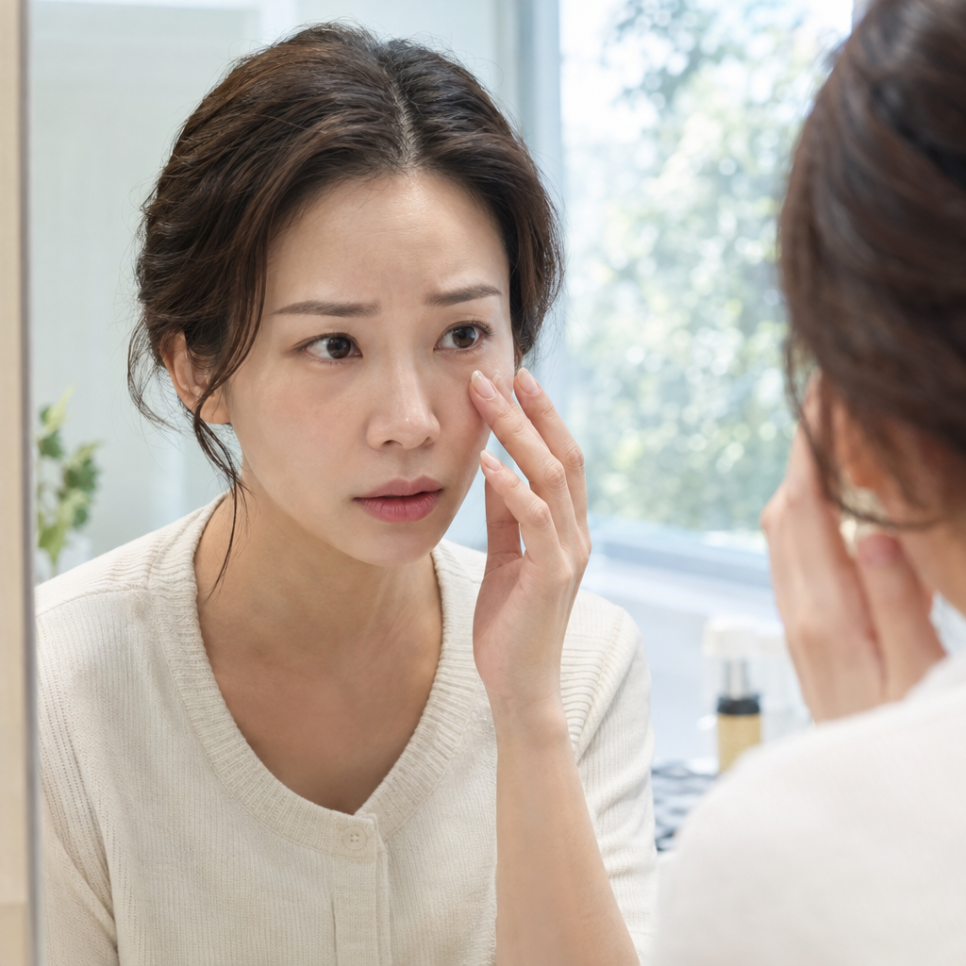
What Causes Under-Eye Hollowing?
To get straight to the point, under-eye hollowing can’t be explained by collagen loss alone.
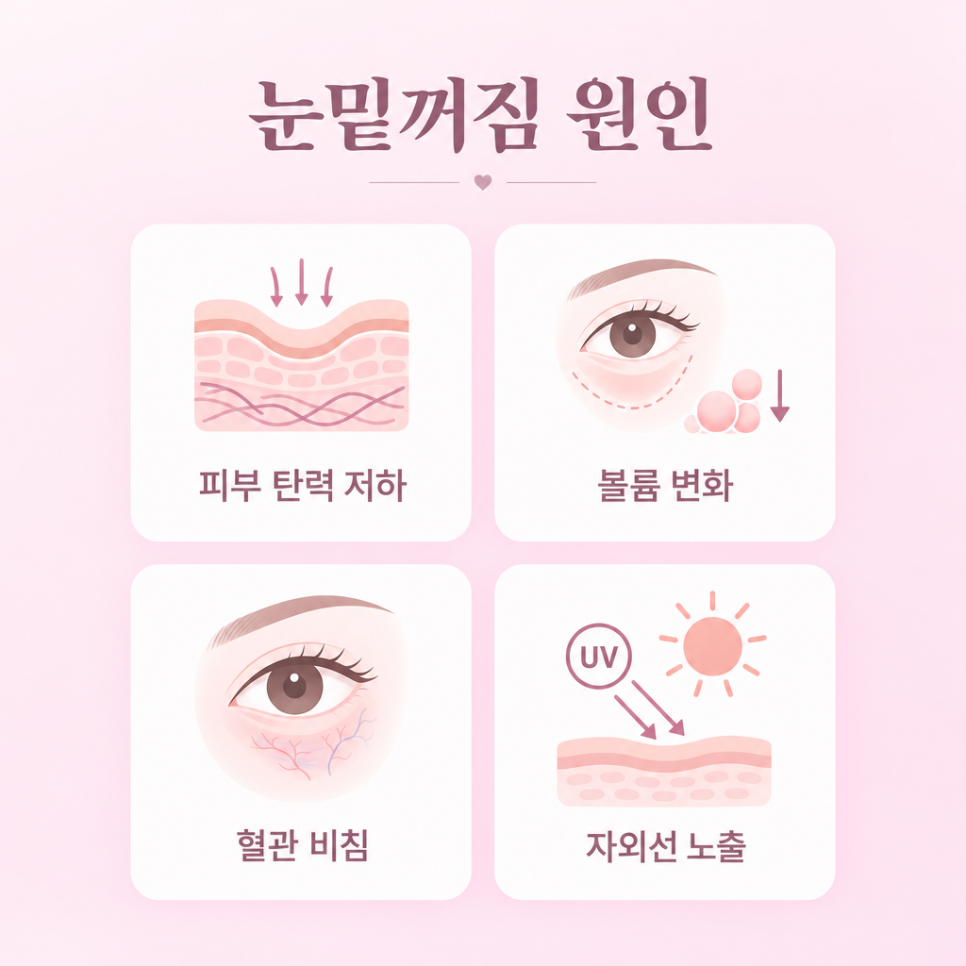
Under-eye hollowing refers to a visible shadow or defined border that appears when changes overlap across the skin, fat, muscle, and ligaments around the eye.
When skin elasticity declines, fine lines become more noticeable, and changes in the volume of fat and surrounding tissue can create a sunken appearance.
Thinning skin can also let blood vessels show through, making the area look darker, and lifestyle factors like UV exposure and smoking can contribute as well.

- Reduced Skin Elasticity: Changes in collagen and elastic fibers can make fine lines more noticeable.
- Fat and Volume Changes: Shifts in the position of under-eye fat or the volume of surrounding tissue can cause hollowing.
- Skin Thickness and Blood Vessels: Blood vessels showing through thin skin can make the area appear darker.
- UV Exposure and Lifestyle: Repeated UV exposure and smoking, among other factors, can contribute to skin aging.

✅ Skin collagen is reported to decline by about 1% per year after age 25.
✅ It’s important to first identify whether under-eye hollowing is due to pigmentation, structural sunkenness, or loss of elasticity.
So dark circles under the eyes can’t automatically be attributed to a lack of collagen.
The first step is determining whether the issue is pigmentation, structural hollowing, or reduced skin elasticity.
How Do Under-Eye Collagen Injections Work?
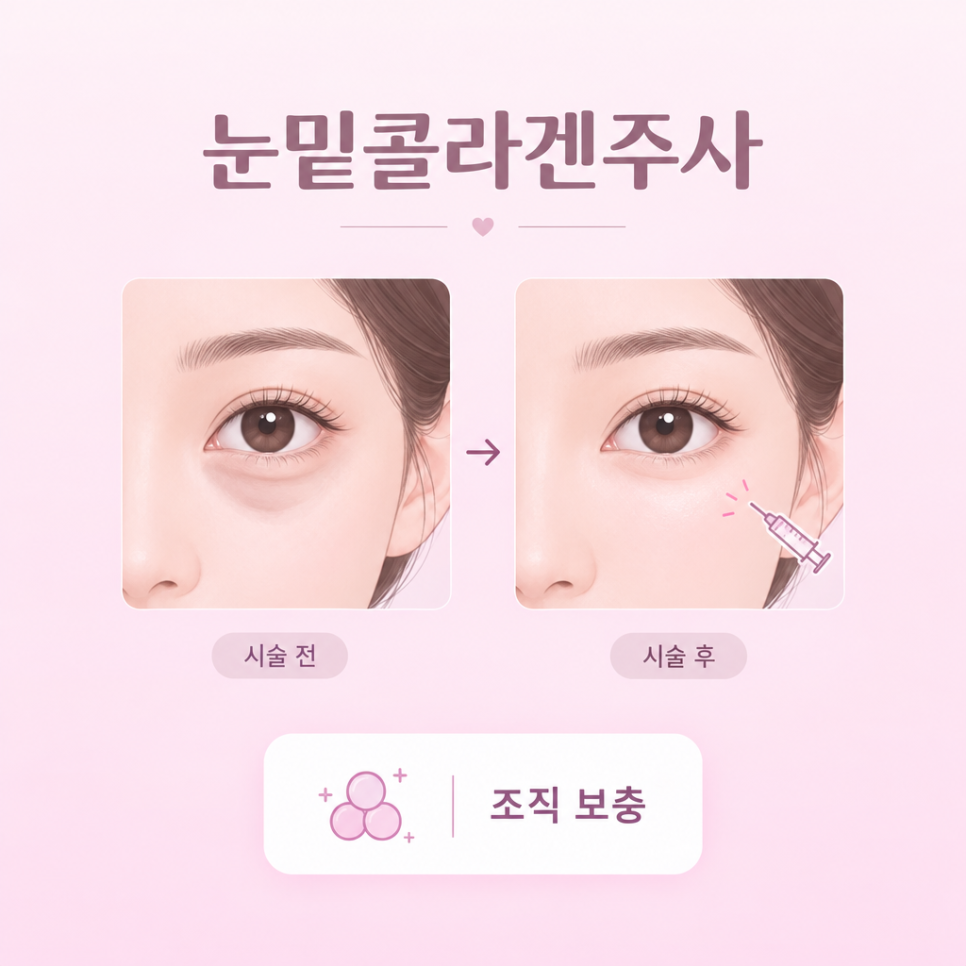
In short, under-eye collagen injections work by physically replenishing tissue with collagen.
An under-eye collagen injection is a procedure that injects a collagen-based tissue filler into the skin and soft tissue to reinforce its structure.
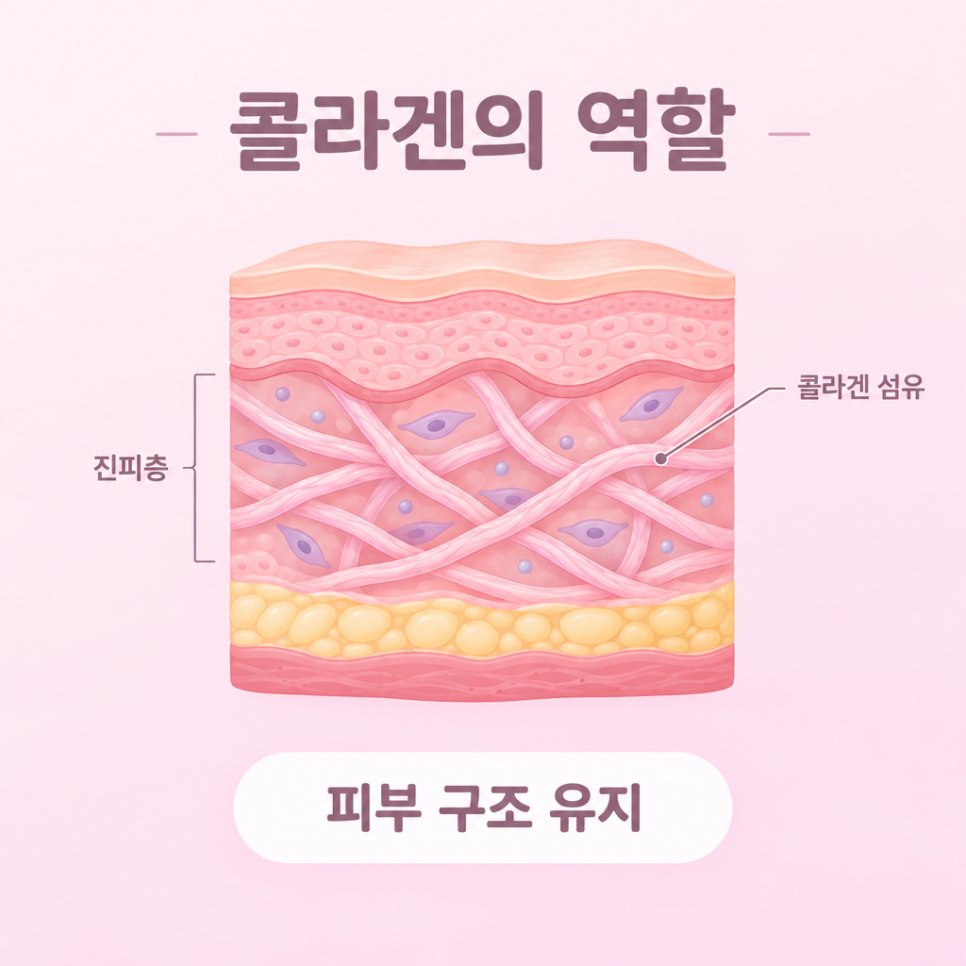
Collagen is a key protein that makes up the skin’s dermis.
As we age, shifts in the balance between collagen production and breakdown can thin the skin and reduce its elasticity.
That said, the under-eye area has thin skin and a dense network of blood vessels, so this treatment isn’t suitable for every case of hollowing.
Results and the risk of side effects can vary depending on injection depth and volume, and if the cause is a deep tear trough or protruding fat, a different approach may be needed.
| Category | Collagen-Based Tissue Filler | Hyaluronic Acid Filler |
|---|---|---|
| Main Ingredient | Atelocollagen (Type I) | Hyaluronic acid |
| Mechanism | Reinforces tissue with collagen protein | Creates volume by binding water |
| Suitability | Requires checking the product’s approved use and skin condition | Requires checking the product’s approved use and skin condition |
What Makes Atelofill Collagen Different From Regular Collagen?
Atelofill is a collagen-based tissue filler built on Type I atelocollagen.
Atelocollagen is collagen with the telopeptides removed from both ends of the collagen molecule.
Telopeptides are one of the regions linked to immune response, and the process of removing them is used to lower collagen’s antigenicity.

“Collagen’s triple-helix structure shows low immunogenicity across species, but the telopeptide regions at both ends of the molecule show higher immunogenicity.”
That’s how an atelocollagen overview on the international academic database ScienceDirect describes it.
However, removing telopeptides doesn’t completely eliminate the possibility of allergic or immune reactions.
In fact, an international study (PubMed) on older bovine-derived collagen injectables reported hypersensitivity reactions at the treatment site in roughly 1.1% to 5.0% of cases. However, this figure comes from research on a different product rather than Atelofill itself, so reaction rates can vary by product.
Findings vary across products and studies, but this data illustrates that removing telopeptides doesn’t bring the risk of immune response down to zero.
In addition, the degree of post-injection collagen synthesis or skin-texture improvement can vary from person to person, and no specific result can be expected to occur the same way for everyone.

✅ Atelofill is a Type I atelocollagen-based tissue filler used in under-eye collagen injections.
✅ Removing telopeptides lowers antigenicity, but it doesn’t completely remove the possibility of an immune response.
What Should You Check Before and After an Under-Eye Collagen Injection?
The under-eye area requires more careful evaluation than other parts of the face.
Before treatment, it’s essential to identify the cause of the hollowing, assess skin thickness, and check the product’s approved indications.
✅ Have you identified the exact cause of under-eye hollowing (reduced elasticity, fat changes, or pigmentation)?
✅ Have you checked the skin thickness and injection site around the eyes?
✅ Have you checked the product’s approved use and intended purpose per regulatory authorities?
✅ Have you discussed the realistic range of expected changes with your provider?

After treatment, temporary swelling, redness, bruising, and tenderness can occur.
To minimize unnecessary irritation during recovery, keep the following in mind.

- Avoid pressing or massaging the treated area firmly
- Avoid saunas and intense exercise for a while
- Keep the injection site clean
- Follow your provider’s guidance on when to resume makeup and face washing
- See a doctor if you experience severe pain or persistent swelling

✅ Swelling and bruising are generally reported to subside within 7 to 14 days. Many cases are reported to resolve within this period without pain, and this pattern can be part of a typical recovery process.
⚠ In rare cases, infection, allergic reactions, nodules, or vascular complications can occur.
⚠ If sudden severe pain, skin color changes, or vision problems occur after treatment, seek emergency care immediately.
If you’d like to learn more about under-eye collagen injections and Atelofill’s ingredients, you can check the product information on the Atelofill Collagen Skin Research Lab homepage.
The under-eye area is one where you need to consider not just skin elasticity but also fat and the surrounding tissue structure.
Rather than simply filling in the hollow, the first step is understanding what caused the change.
If you’re considering an under-eye collagen injection or Atelofill, make sure you fully understand the ingredients, characteristics, expected changes, and potential side effects, and consult your provider to determine whether it’s right for you.

Frequently Asked Questions

1. Are under-eye collagen injections the same as filler treatments?
No, they differ in ingredients and physical properties. Hyaluronic acid fillers are mainly used for physical volume replacement, while collagen-based tissue fillers rely on collagen. The specific intended use should be confirmed through each product’s approved indications.
2. Can it help with dark circles?
Dark circles have various causes, including pigmentation, visible blood vessels, and structural shadowing. If the cause is a shadow from under-eye hollowing, a volume change may affect appearance, but it’s difficult to expect results for every type of dark circle.
3. How long do the results last?
Duration varies depending on the product’s properties, the injected volume, and individual tissue condition. For Atelofill’s specific duration, it’s best to check the approved product information and consult your provider.
4. Can you return to daily activities right after treatment?
Most people can resume daily activities the same day, but it’s safer to avoid saunas, intense exercise, and excessive massaging for a while. If swelling or bruising persists for more than one to two weeks, it’s a good idea to see a doctor.
References
· Korea Daily, “The Secret to a Youthful Face Is Collagen… It Declines About 1% a Year After Age 25.” Read more
· Hidoc Expert Column, “Aftercare for Fillers: Bruising and Swelling Are Common, but ‘Vascular Occlusion’ Is the Biggest Risk.” Read more
· Hidoc Expert Column, “The Cause of Dark Circles Isn’t Just Fatigue — It’s ‘Under-Eye Fat’ and ‘Structure.’” Read more
· PubMed, “Human Antibody Response Following Multiple Injections of Bovine Collagen.” Read more
· Korea Ministry of Food and Drug Safety (MFDS), Medical Device Safety Information (Fillers and Tissue Repair Biomaterials). Read more
This article is intended for general health information purposes only and is not a substitute for individual diagnosis or treatment. If you have symptoms, please consult a medical professional.
Leave a Reply