Category: Uncategorized

  • Under-Eye Collagen Injections: 4 Causes of Under-Eye Hollowing

    Under-Eye Collagen Injections: 4 Causes of Under-Eye Hollowing

    SummaryUnder-eye collagen injections are one option people look into when dealing with under-eye hollowing and fine lines. Hollowing can stem from more than just collagen loss — fat and volume changes play a role too. This guide covers the features of Atelofill collagen (Type I atelocollagen), what to check before and after treatment, and possible side effects.

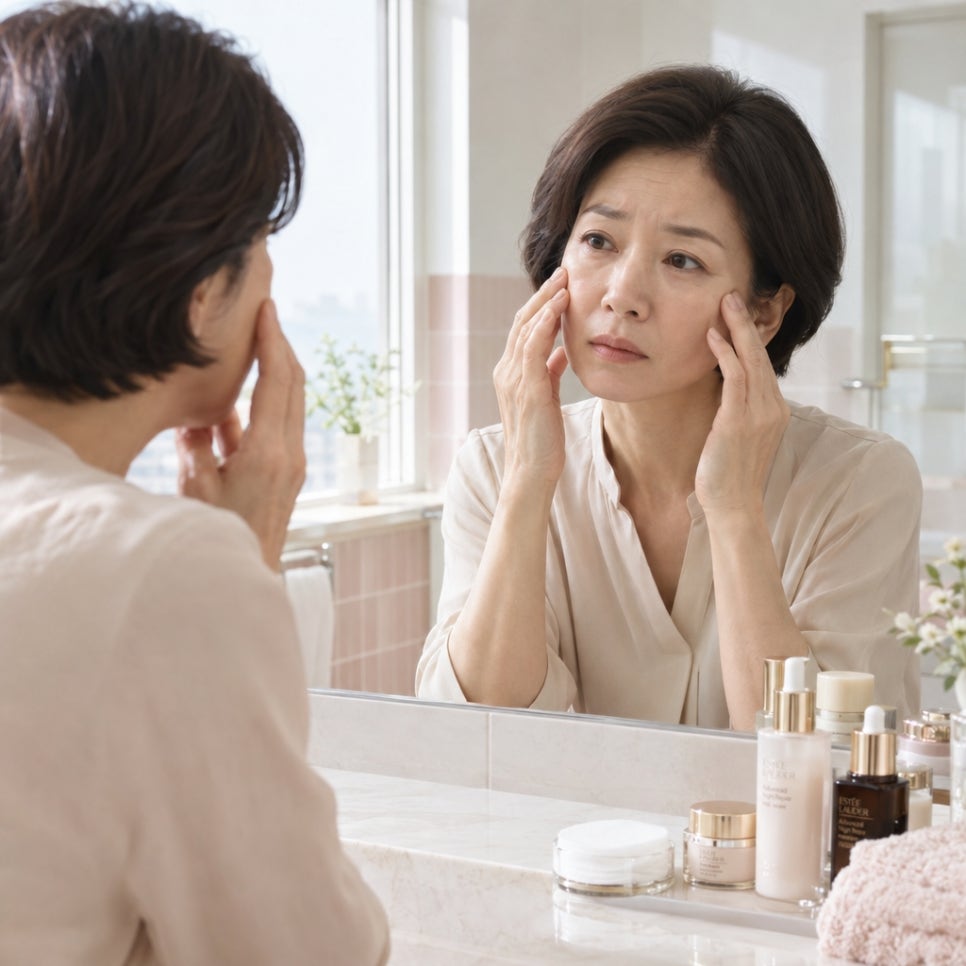
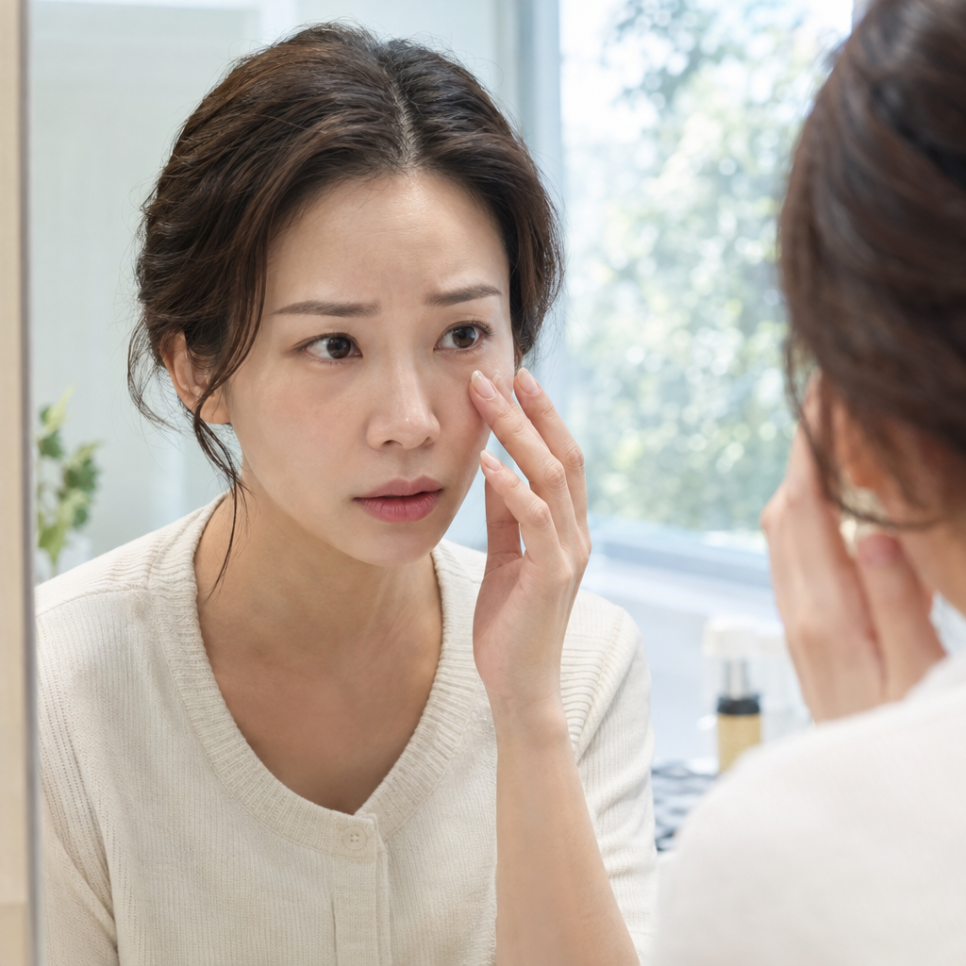
    Sometimes your under-eyes look sunken even after a full night’s sleep.

    Concealer doesn’t quite hide the shadow, and fine lines seem to stand out every time you smile.

    More people are looking into under-eye collagen injections because of these changes, but the causes of under-eye hollowing are more varied than you might expect.

    Key Takeaways
    Under-eye hollowing isn’t caused by collagen loss alone — it results from a combination of factors, including fat and volume changes and skin thickness.
    Under-eye collagen injections work by replenishing collagen in the tissue, and whether they’re suitable depends on the product’s approved use and your skin condition.
    Atelofill is a tissue filler that uses Type I atelocollagen with the telopeptides removed, and there are specific things to check before and after the procedure.
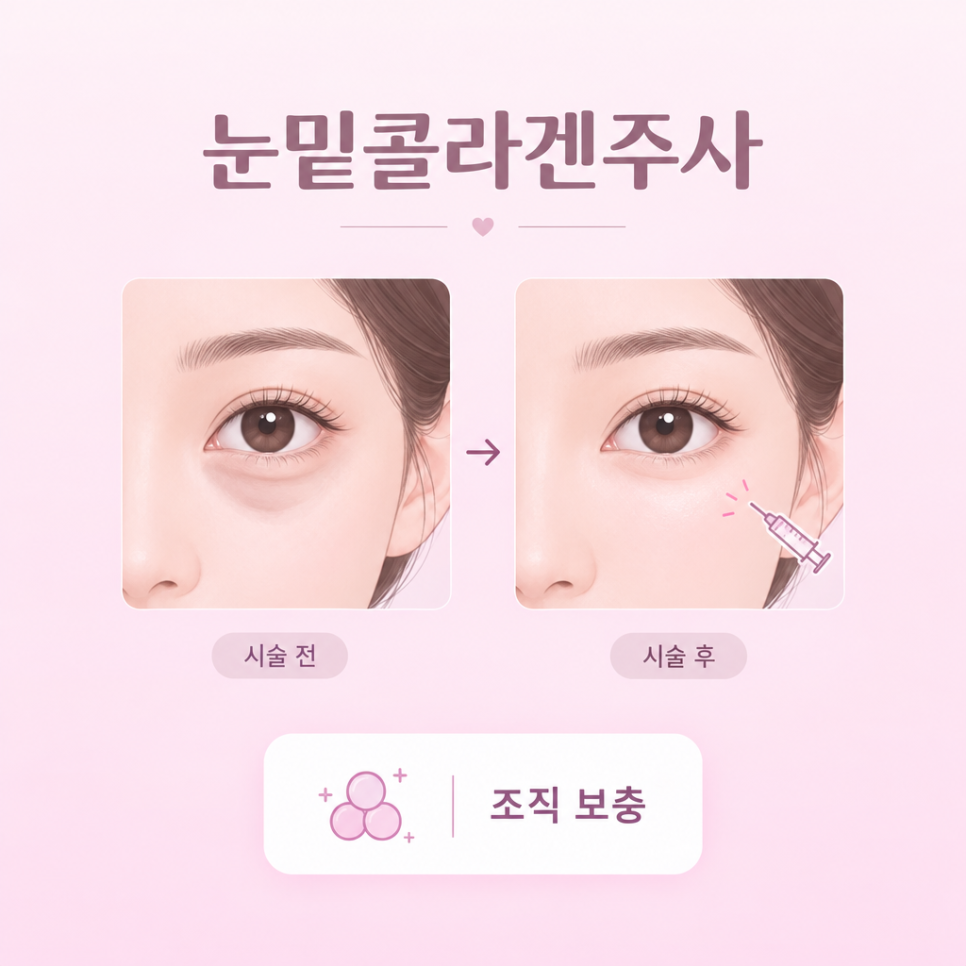
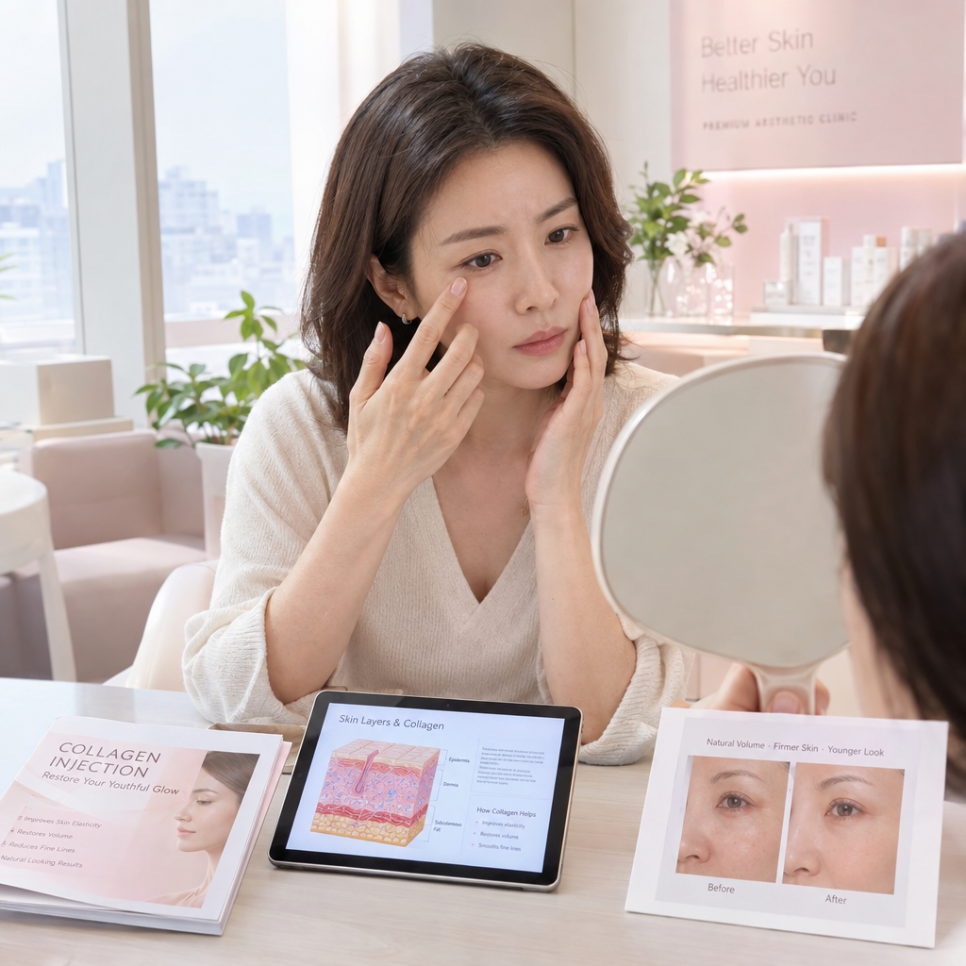
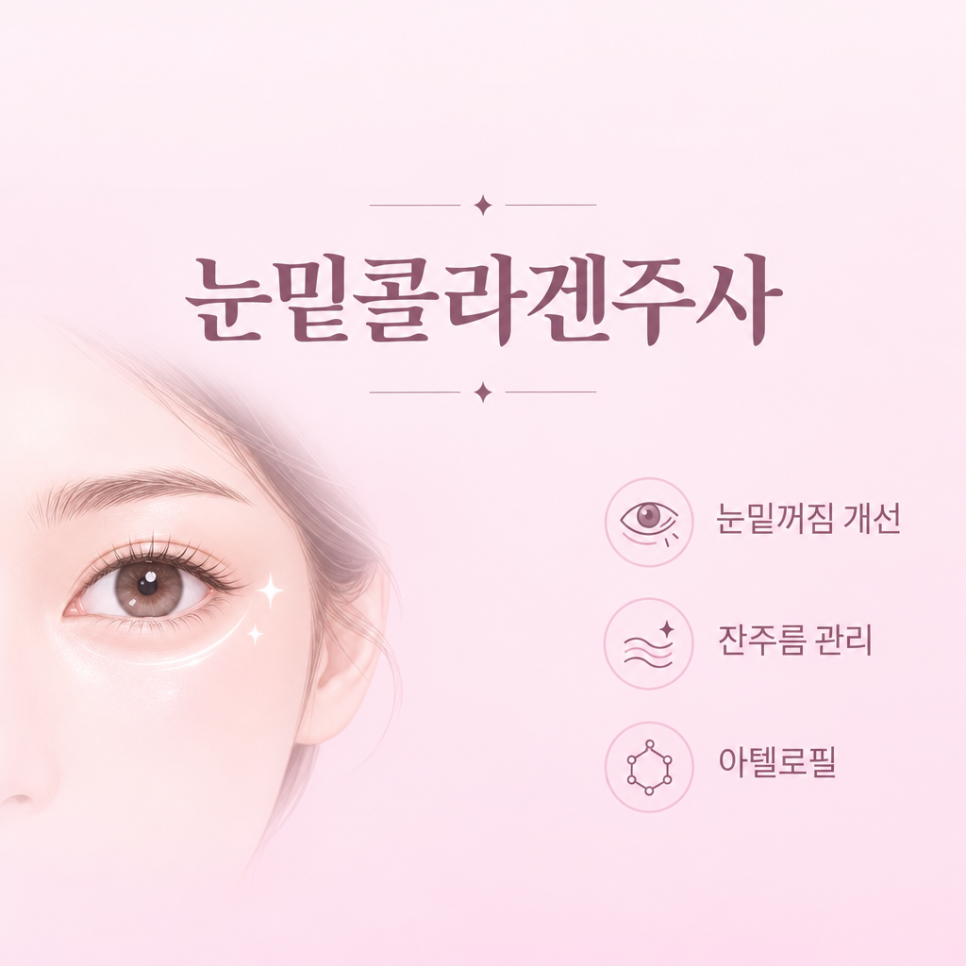
    under-eye collagen injection

    What Causes Under-Eye Hollowing?

    To get straight to the point, under-eye hollowing can’t be explained by collagen loss alone.

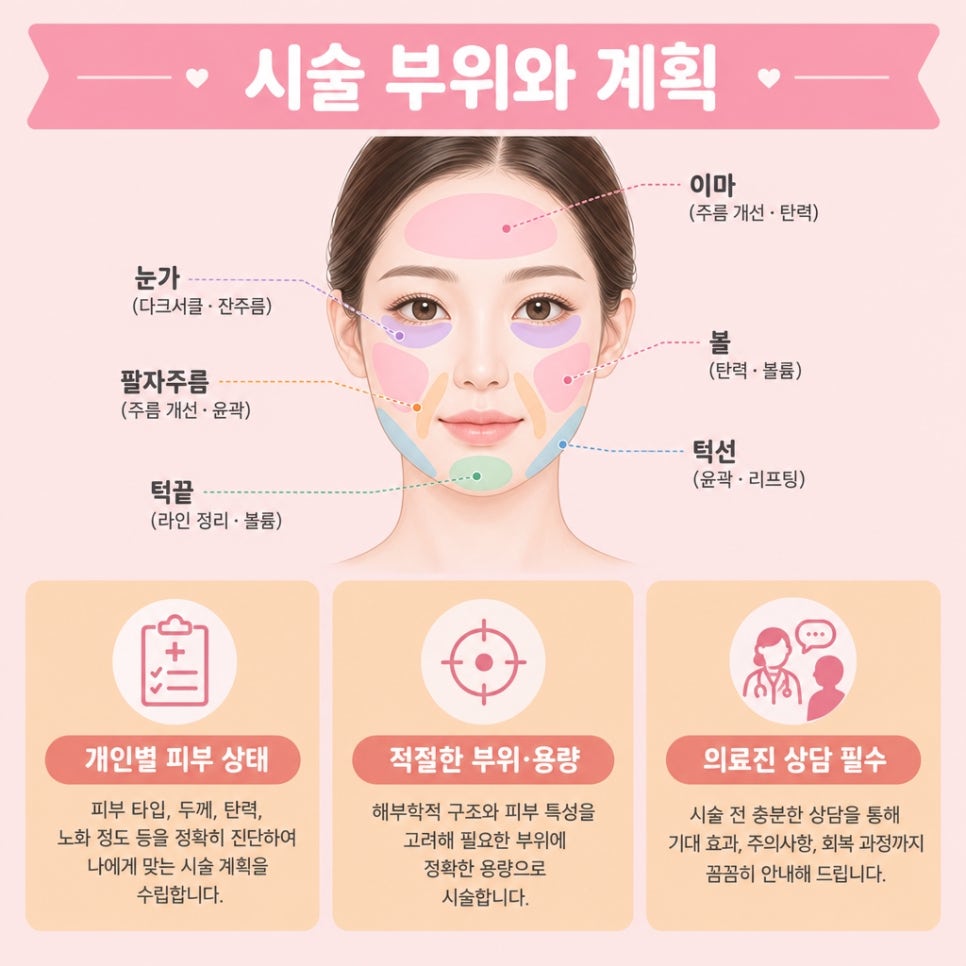
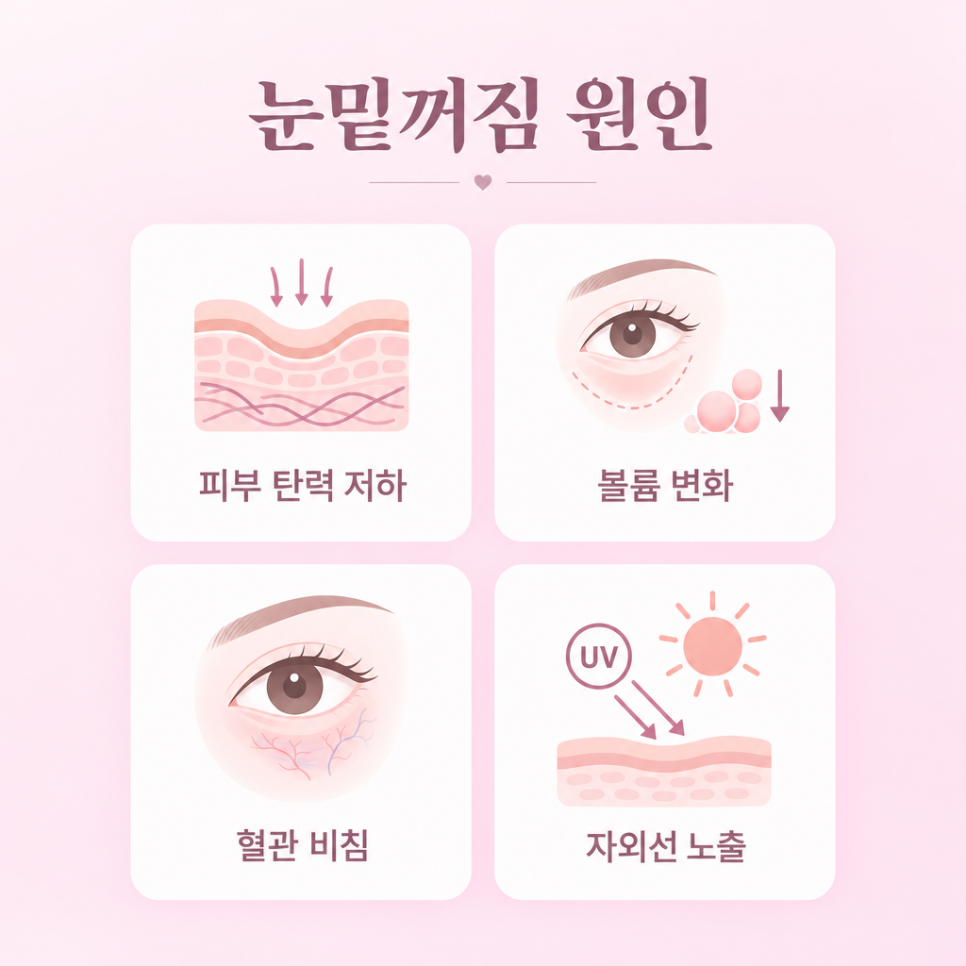
    Under-eye hollowing refers to a visible shadow or defined border that appears when changes overlap across the skin, fat, muscle, and ligaments around the eye.

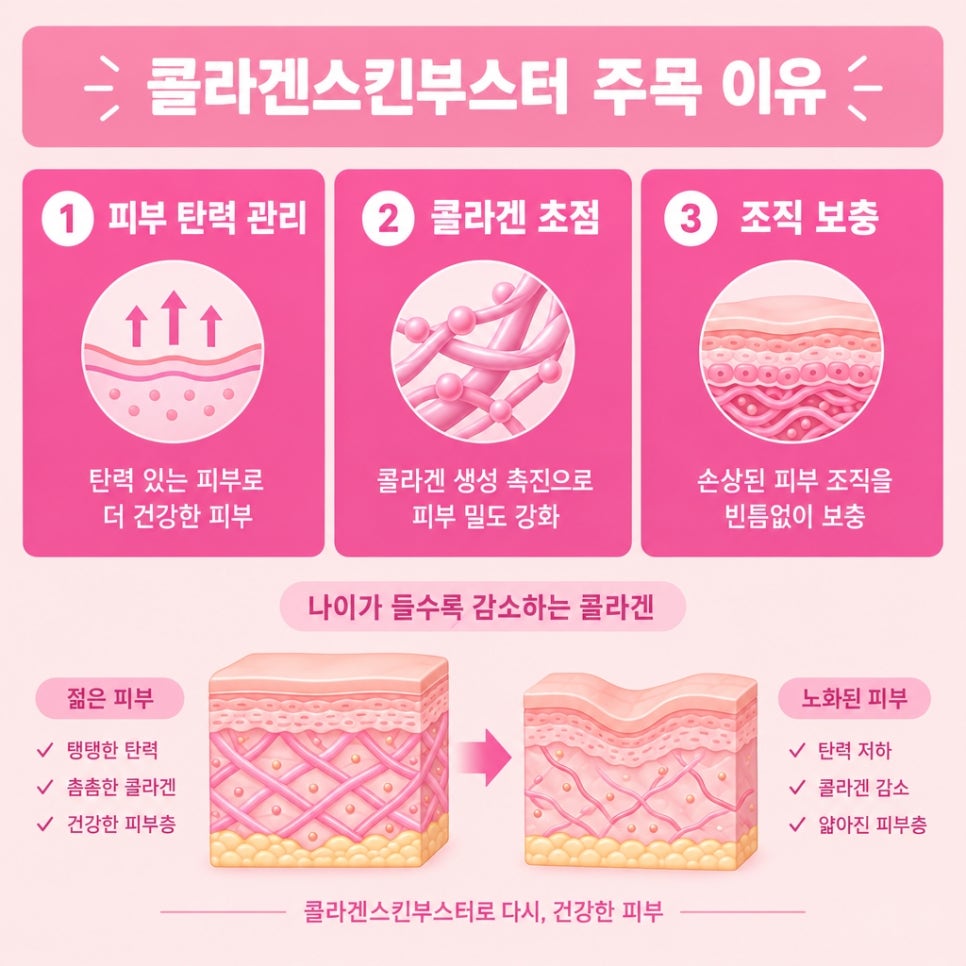
    When skin elasticity declines, fine lines become more noticeable, and changes in the volume of fat and surrounding tissue can create a sunken appearance.

    Thinning skin can also let blood vessels show through, making the area look darker, and lifestyle factors like UV exposure and smoking can contribute as well.
    under-eye collagen injection illustration 2

    • Reduced Skin Elasticity: Changes in collagen and elastic fibers can make fine lines more noticeable.
    • Fat and Volume Changes: Shifts in the position of under-eye fat or the volume of surrounding tissue can cause hollowing.
    • Skin Thickness and Blood Vessels: Blood vessels showing through thin skin can make the area appear darker.
    • UV Exposure and Lifestyle: Repeated UV exposure and smoking, among other factors, can contribute to skin aging.

    under-eye collagen injection illustration 3

    Key Points
    ✅ Skin collagen is reported to decline by about 1% per year after age 25.
    ✅ It’s important to first identify whether under-eye hollowing is due to pigmentation, structural sunkenness, or loss of elasticity.
    under-eye collagen injection illustration 4

    So dark circles under the eyes can’t automatically be attributed to a lack of collagen.

    The first step is determining whether the issue is pigmentation, structural hollowing, or reduced skin elasticity.


    How Do Under-Eye Collagen Injections Work?

    In short, under-eye collagen injections work by physically replenishing tissue with collagen.

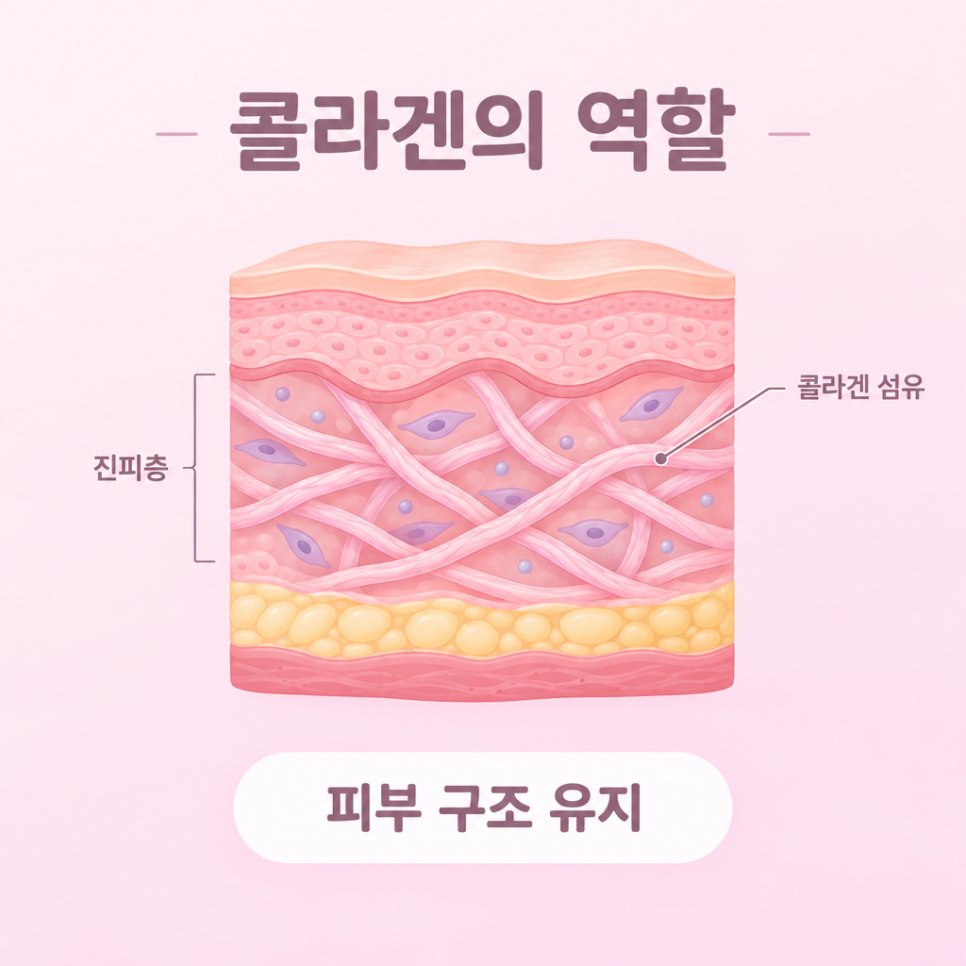
    An under-eye collagen injection is a procedure that injects a collagen-based tissue filler into the skin and soft tissue to reinforce its structure.

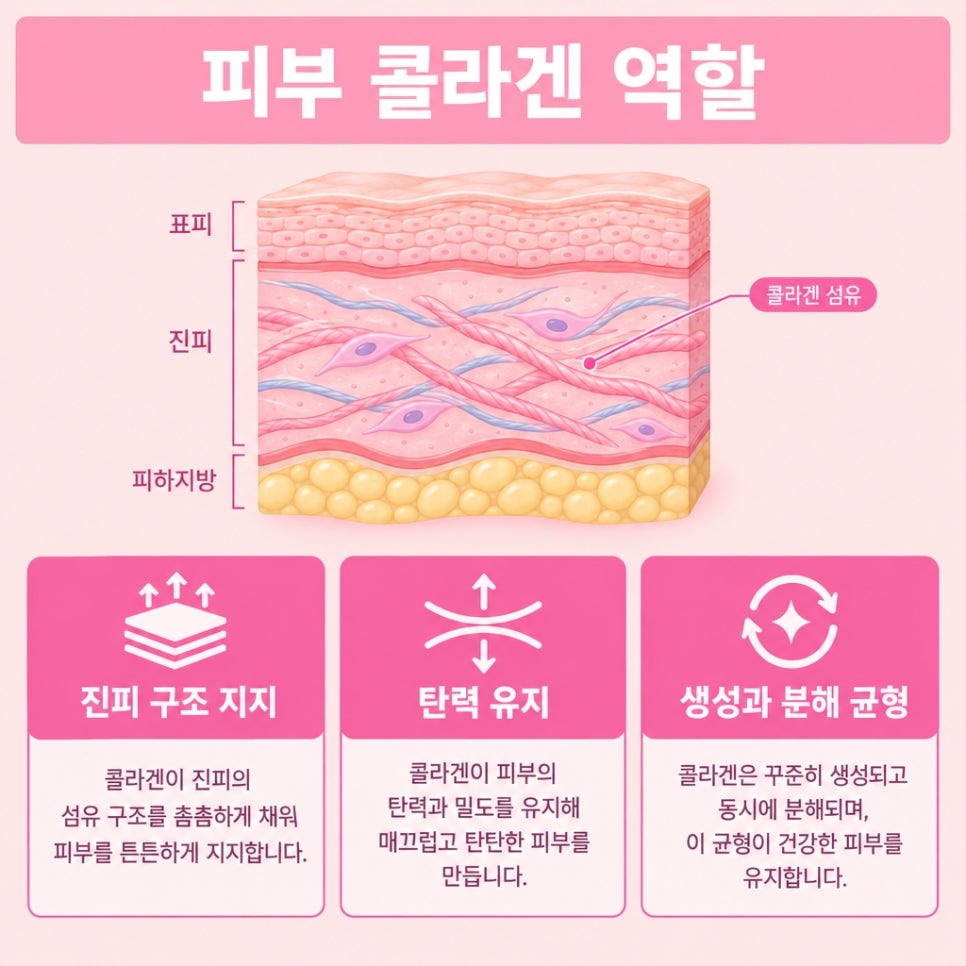
    Collagen is a key protein that makes up the skin’s dermis.

    As we age, shifts in the balance between collagen production and breakdown can thin the skin and reduce its elasticity.
    under-eye collagen injection illustration 5

    That said, the under-eye area has thin skin and a dense network of blood vessels, so this treatment isn’t suitable for every case of hollowing.

    Results and the risk of side effects can vary depending on injection depth and volume, and if the cause is a deep tear trough or protruding fat, a different approach may be needed.

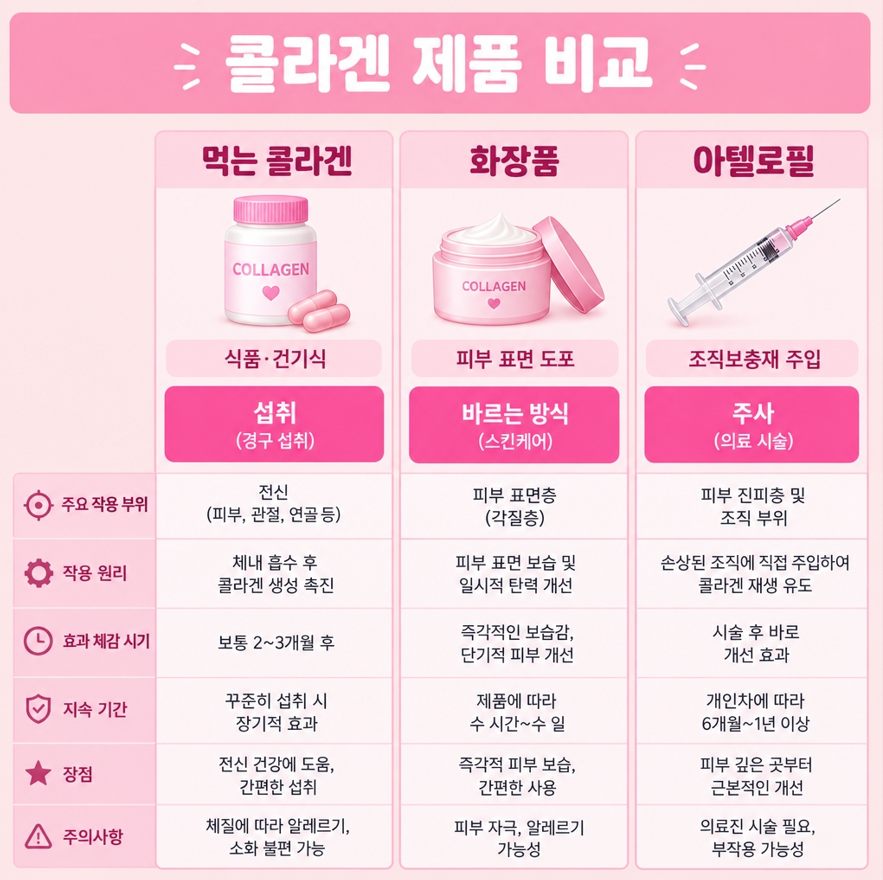
    Category Collagen-Based Tissue Filler Hyaluronic Acid Filler
    Main Ingredient Atelocollagen (Type I) Hyaluronic acid
    Mechanism Reinforces tissue with collagen protein Creates volume by binding water
    Suitability Requires checking the product’s approved use and skin condition Requires checking the product’s approved use and skin condition

    under-eye collagen injection illustration 6


    What Makes Atelofill Collagen Different From Regular Collagen?

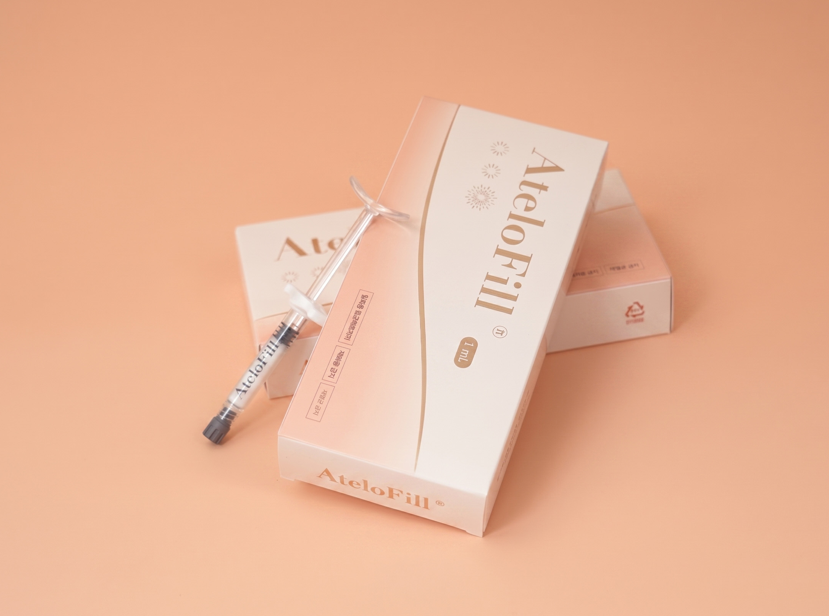
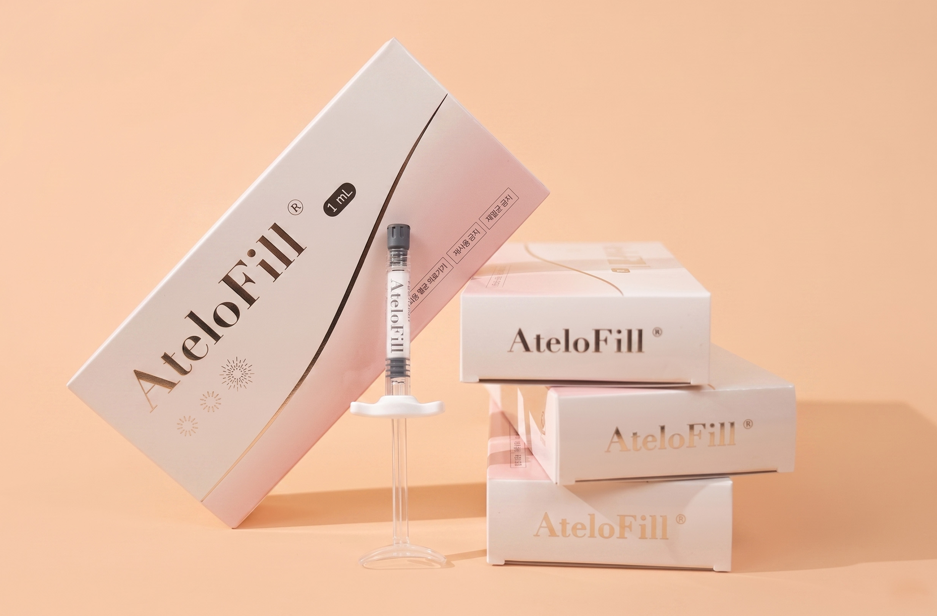
    Atelofill is a collagen-based tissue filler built on Type I atelocollagen.

    Atelocollagen is collagen with the telopeptides removed from both ends of the collagen molecule.

    Telopeptides are one of the regions linked to immune response, and the process of removing them is used to lower collagen’s antigenicity.

    under-eye collagen injection illustration 7

    “Collagen’s triple-helix structure shows low immunogenicity across species, but the telopeptide regions at both ends of the molecule show higher immunogenicity.”

    That’s how an atelocollagen overview on the international academic database ScienceDirect describes it.

    However, removing telopeptides doesn’t completely eliminate the possibility of allergic or immune reactions.

    In fact, an international study (PubMed) on older bovine-derived collagen injectables reported hypersensitivity reactions at the treatment site in roughly 1.1% to 5.0% of cases. However, this figure comes from research on a different product rather than Atelofill itself, so reaction rates can vary by product.

    Findings vary across products and studies, but this data illustrates that removing telopeptides doesn’t bring the risk of immune response down to zero.

    In addition, the degree of post-injection collagen synthesis or skin-texture improvement can vary from person to person, and no specific result can be expected to occur the same way for everyone.

    under-eye collagen injection illustration 8

    Key Points
    ✅ Atelofill is a Type I atelocollagen-based tissue filler used in under-eye collagen injections.
    ✅ Removing telopeptides lowers antigenicity, but it doesn’t completely remove the possibility of an immune response.

    What Should You Check Before and After an Under-Eye Collagen Injection?

    The under-eye area requires more careful evaluation than other parts of the face.

    Before treatment, it’s essential to identify the cause of the hollowing, assess skin thickness, and check the product’s approved indications.

    Checklist
    ✅ Have you identified the exact cause of under-eye hollowing (reduced elasticity, fat changes, or pigmentation)?
    ✅ Have you checked the skin thickness and injection site around the eyes?
    ✅ Have you checked the product’s approved use and intended purpose per regulatory authorities?
    ✅ Have you discussed the realistic range of expected changes with your provider?

    under-eye collagen injection illustration 9

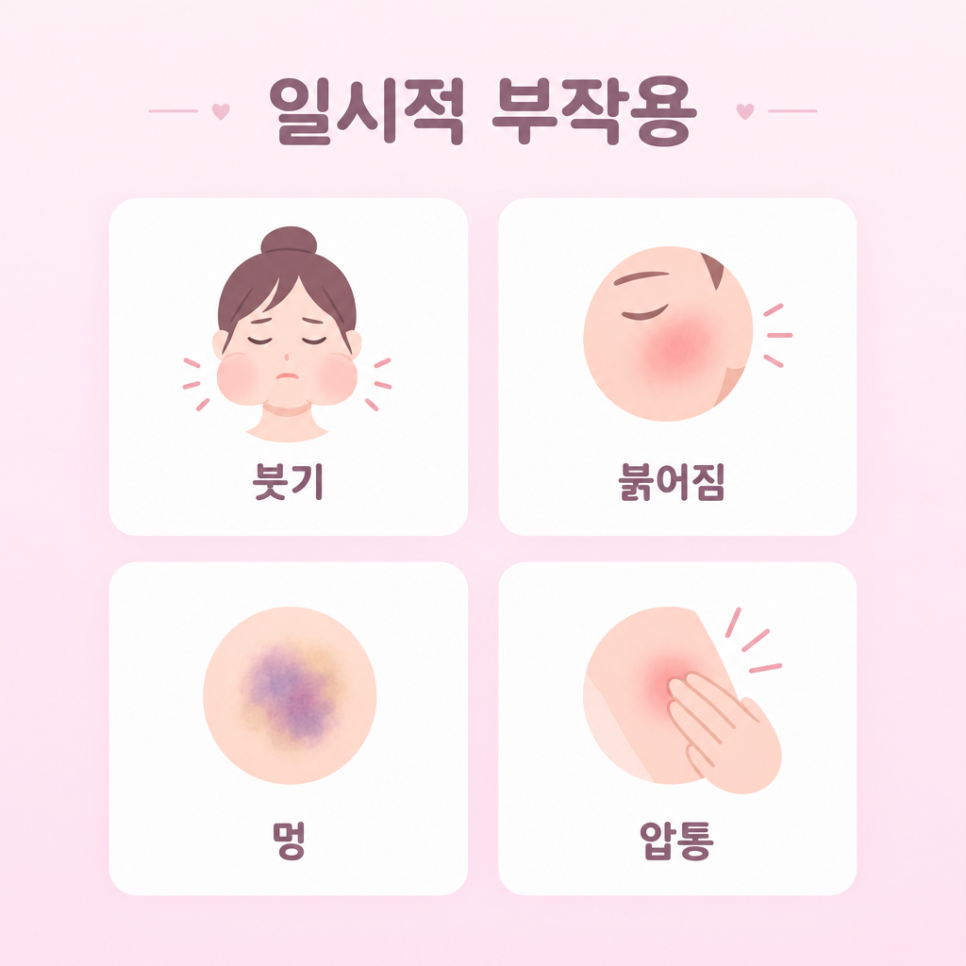
    After treatment, temporary swelling, redness, bruising, and tenderness can occur.

    To minimize unnecessary irritation during recovery, keep the following in mind.
    under-eye collagen injection illustration 10

    • Avoid pressing or massaging the treated area firmly
    • Avoid saunas and intense exercise for a while
    • Keep the injection site clean
    • Follow your provider’s guidance on when to resume makeup and face washing
    • See a doctor if you experience severe pain or persistent swelling

    under-eye collagen injection illustration 11

    Recovery Timeline
    ✅ Swelling and bruising are generally reported to subside within 7 to 14 days. Many cases are reported to resolve within this period without pain, and this pattern can be part of a typical recovery process.
    Precautions
    ⚠ In rare cases, infection, allergic reactions, nodules, or vascular complications can occur.
    ⚠ If sudden severe pain, skin color changes, or vision problems occur after treatment, seek emergency care immediately.

    If you’d like to learn more about under-eye collagen injections and Atelofill’s ingredients, you can check the product information on the Atelofill Collagen Skin Research Lab homepage.


    The under-eye area is one where you need to consider not just skin elasticity but also fat and the surrounding tissue structure.

    Rather than simply filling in the hollow, the first step is understanding what caused the change.

    If you’re considering an under-eye collagen injection or Atelofill, make sure you fully understand the ingredients, characteristics, expected changes, and potential side effects, and consult your provider to determine whether it’s right for you.

    under-eye collagen injection illustration 12

    Frequently Asked Questions

    under-eye collagen injection illustration 13

    1. Are under-eye collagen injections the same as filler treatments?
    No, they differ in ingredients and physical properties. Hyaluronic acid fillers are mainly used for physical volume replacement, while collagen-based tissue fillers rely on collagen. The specific intended use should be confirmed through each product’s approved indications.

    2. Can it help with dark circles?
    Dark circles have various causes, including pigmentation, visible blood vessels, and structural shadowing. If the cause is a shadow from under-eye hollowing, a volume change may affect appearance, but it’s difficult to expect results for every type of dark circle.

    3. How long do the results last?
    Duration varies depending on the product’s properties, the injected volume, and individual tissue condition. For Atelofill’s specific duration, it’s best to check the approved product information and consult your provider.

    4. Can you return to daily activities right after treatment?
    Most people can resume daily activities the same day, but it’s safer to avoid saunas, intense exercise, and excessive massaging for a while. If swelling or bruising persists for more than one to two weeks, it’s a good idea to see a doctor.


    References

    · Korea Daily, “The Secret to a Youthful Face Is Collagen… It Declines About 1% a Year After Age 25.” Read more
    · Hidoc Expert Column, “Aftercare for Fillers: Bruising and Swelling Are Common, but ‘Vascular Occlusion’ Is the Biggest Risk.” Read more
    · Hidoc Expert Column, “The Cause of Dark Circles Isn’t Just Fatigue — It’s ‘Under-Eye Fat’ and ‘Structure.’” Read more
    · PubMed, “Human Antibody Response Following Multiple Injections of Bovine Collagen.” Read more
    · Korea Ministry of Food and Drug Safety (MFDS), Medical Device Safety Information (Fillers and Tissue Repair Biomaterials). Read more

    This article is intended for general health information purposes only and is not a substitute for individual diagnosis or treatment. If you have symptoms, please consult a medical professional.

  • Psoriasis Symptoms: 3 Causes and Treatment Options for Seasonal Flare-Ups

    Psoriasis Symptoms: 3 Causes and Treatment Options for Seasonal Flare-Ups

    SummarySkin psoriasis symptoms often flare up with every seasonal change. This guide walks through everything from causes to treatment options in one place, including reported statistics such as a 9–17% psoriatic arthritis rate among psoriasis patients in South Korea, a self-check list, a treatment comparison table, seasonal skin care tips, and guidance on when to see a dermatologist.

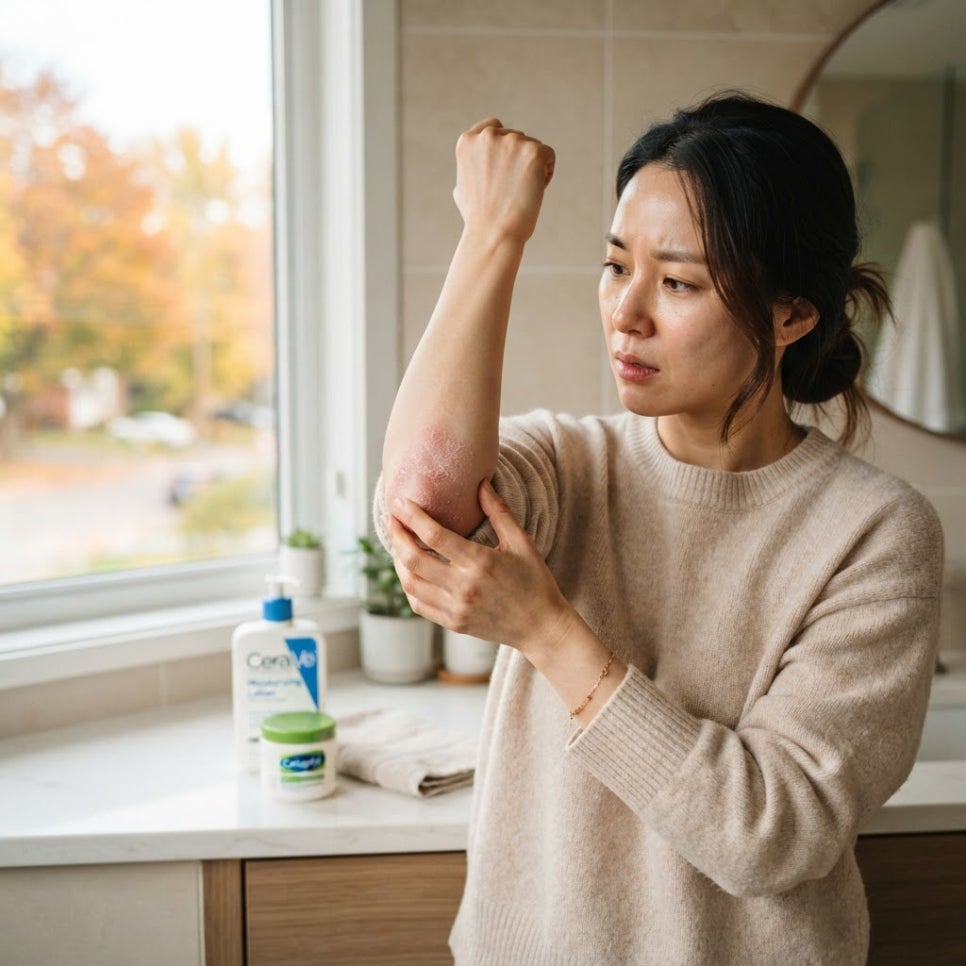
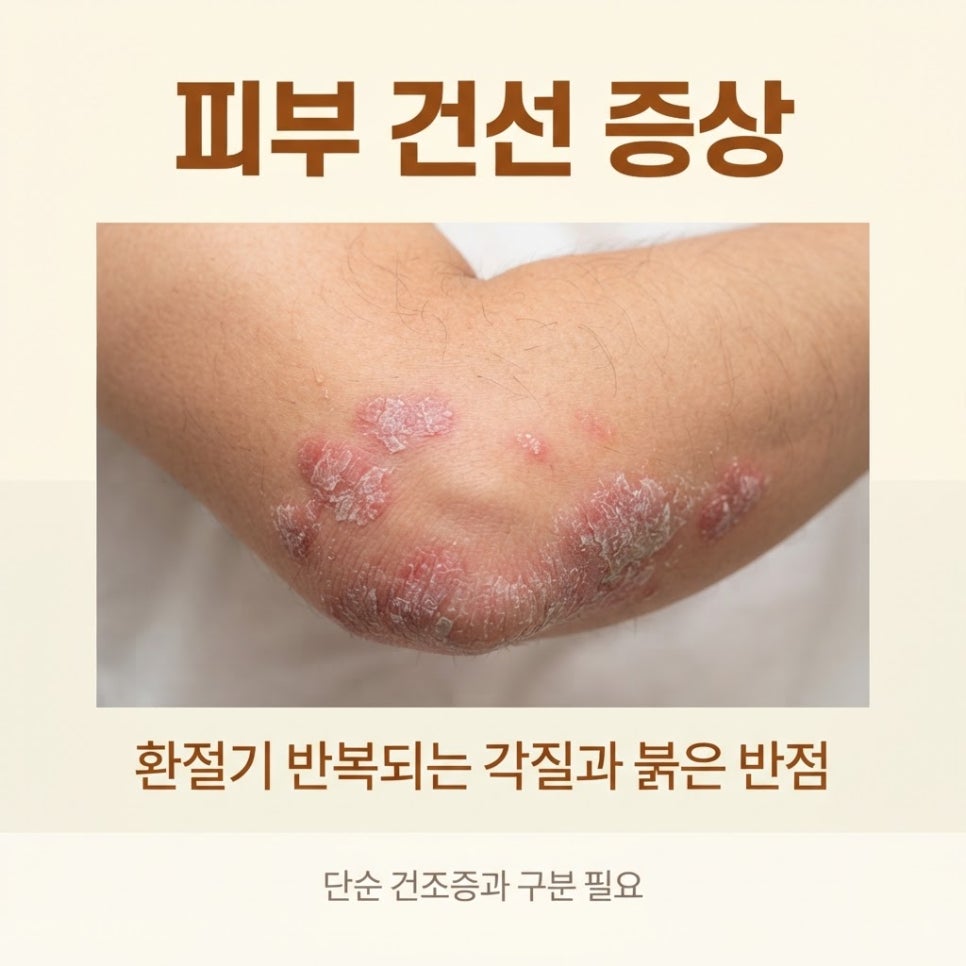
    When the weather starts turning cool, some people notice unusually white, flaky patches showing up on their elbows or knees.

    If red patches and scaling keep coming back no matter how much moisturizer you apply, it may not simply be dry skin.

    Many people chalk these changes up to the season and end up overlooking skin psoriasis symptoms.

    Key Takeaways
    Skin psoriasis symptoms are characterized by red patches covered in silvery-white scales that recur on the elbows, knees, scalp, and other areas.
    The causes involve a combination of factors, including genetic predisposition, immune system dysfunction, stress, and infection.
    Treatment is approached in stages based on symptoms and severity, ranging from topical treatment to phototherapy, systemic treatment, and biologic agents.

    skin psoriasis symptoms

    skin psoriasis symptoms related image 2

    Why Do Skin Psoriasis Symptoms Get Worse During Seasonal Changes?

    Psoriasis is a chronic inflammatory skin condition that tends to worsen during seasonal transitions, when temperatures drop and the air becomes dry.
    This is because falling temperatures increase moisture loss from the skin, weakening the skin barrier.

    When dryness from indoor heating, reduced sunlight exposure, and infections like the common cold are added to the mix, symptoms tend to become more pronounced.

    In fact, psoriasis is reported to worsen more in fall and winter than in spring and summer, with reduced UV exposure and shorter daylight hours cited as key contributing factors.

    That said, not every patient worsens in the same way, and the specific triggers can vary from person to person.

    skin psoriasis symptoms related image 3

    skin psoriasis symptoms related image 4


    Where and How Do Skin Psoriasis Symptoms Appear?

    The hallmark of skin psoriasis symptoms is silvery-white scaling that builds up on top of sharply defined red lesions.
    These typically appear around the elbows, knees, scalp, and lower back, but they can occur on any part of the body.

    Self-Check List
    ✅ White scales repeatedly build up on top of red patches
    ✅ Skin in certain areas becomes thick and rough
    ✅ Itching or stinging accompanies the patches
    ✅ Thick scales repeatedly form on the scalp
    ✅ Small pits or changes appear in the nails

    Psoriasis doesn’t always stay confined to the skin — in some patients, it progresses to psoriatic arthritis, which involves joint pain and swelling.

    According to Hanyang University Hospital, 9–17% of psoriasis patients in South Korea also have psoriatic arthritis, and the same source notes that joint symptoms often appear an average of 10 years after skin symptoms first develop.
    However, the same source also notes that in about 15% of cases, joint symptoms appear first.

    Similar patterns can also appear with eczema or seborrheic dermatitis, so appearance alone isn’t enough to make a diagnosis.

    skin psoriasis symptoms related image 5


    What Causes Skin Psoriasis?

    There’s no single explanation for what causes psoriasis — an abnormal inflammatory response in the immune system is the central factor.
    This response speeds up the growth and turnover of skin cells, resulting in scaling and inflammatory lesions.

    Psoriasis is a chronic inflammatory skin disease in which sharply defined red papules or plaques covered in silvery-white scales repeatedly appear on the skin throughout the body.

    This is how Seoul Asan Hospital’s medical encyclopedia describes psoriasis.

    1. Genetic predisposition — Having a family history can increase the likelihood of developing psoriasis, but it can also occur without one.
    2. Immune system dysfunction — An ongoing inflammatory response involving immune cells promotes excess skin cell growth.
    3. Stress and infection — Mental stress or infections such as a throat infection can trigger or worsen symptoms.
    4. Skin irritation and lifestyle factors — Injuries, repeated friction, dry environments, smoking, and excessive alcohol use can also play a role.
    Important Note
    Psoriasis is not contagious.
    It cannot be passed to others through skin contact or everyday activities.

    skin psoriasis symptoms related image 6


    How Does Psoriasis Treatment Vary by Symptom?

    Psoriasis treatment methods are determined by considering the extent and thickness of the lesions, where they appear, and how much they affect daily life.
    A mild, localized lesion naturally calls for a different approach than widespread, severe involvement.

    Treatment Method Key Features
    Topical treatment Use of topical medications such as corticosteroids and vitamin D analogues
    Phototherapy Controls skin inflammation using medical-grade UV light
    Systemic treatment Oral medications or injectables considered for moderate-to-severe psoriasis
    Biologic agents Treatment that targets specific inflammatory pathways

    skin psoriasis symptoms related image 7

    Because psoriasis can chronically recur, ongoing maintenance tailored to your condition remains important even after symptoms improve.

    Caution
    Areas with thinner skin, such as the face or skin folds, require more careful selection of medication.
    Avoid applying strong ointments on your own for extended periods without medical guidance.

    skin psoriasis symptoms related image 8


    How Can You Manage Psoriasis During Seasonal Changes?

    Alongside treatment, daily habits that reduce skin irritation also matter.

    1. Apply moisturizer generously — Keep showers short and lukewarm, and apply moisturizer before the skin fully dries, as this is generally recommended to help retain moisture.
    2. Don’t pick at scales — Scrubbing hard or peeling them off can trigger new lesions.
    3. Manage indoor humidity — Keep heating from drying out the air excessively.
    4. Track symptom changes — Logging flare-up timing alongside stress, infections, and lifestyle habits can help identify your personal triggers.

    For general information on moisturizing and skin barrier care, you can also visit the Atelofill Collagen Skin Research Institute homepage.

    It’s easy to dismiss recurring scaling and red patches during seasonal changes as simple dryness, but if symptoms persist in specific areas or thick scales keep building up, it’s worth checking whether psoriasis could be the cause.

    If symptoms keep recurring, it’s advisable to have a dermatologist evaluate your condition.

    skin psoriasis symptoms related image 9

    skin psoriasis symptoms related image 10


    Frequently Asked Questions

    1. Can skin psoriasis be cured completely?
    Psoriasis is a chronic condition that can cycle between flare-ups and improvement. Current treatments aim to control inflammation and symptoms in order to maintain a stable condition over the long term, rather than to cure it outright.

    2. How is skin psoriasis different from simple dry skin?
    Dry skin typically causes an overall rough, tight feeling across the skin, while psoriasis is characterized by sharply defined red lesions with thick scaling. An accurate distinction requires a clinical evaluation.

    3. Can moisturizer alone improve psoriasis?
    Moisturizing can help reduce dryness and discomfort, but it may not be enough to adequately control the underlying inflammation. If symptoms persist, appropriate medical treatment should be used alongside it.

    4. Is psoriasis contagious?
    No, it is not contagious. It isn’t transmitted through skin contact or daily activities — it develops from a combination of immune system, genetic, and environmental factors.


    References

    · Korea Disease Control and Prevention Agency, “Psoriasis,” National Health Information Portal, 2024. View source
    · Seoul Asan Hospital, “Psoriasis,” Seoul Asan Hospital Disease Encyclopedia, 2024. View source
    · Nongmin Shinmun, “1% of the Population Has ‘Psoriasis’… Severity Confirmed by ‘Blood Levels,’ Not Experience,” Nongmin Shinmun, 2024. View source
    · Hanyang University Hospital, “What Is Psoriatic Arthritis?,” Hanyang University Hospital Health Resource Center, 2024. View source


    This article is intended to provide general health information and is not a substitute for individual diagnosis or treatment. If you have symptoms, please consult a medical professional.
  • Seborrheic Dermatitis Scalp Causes: 4 Reasons Behind Recurring Dandruff and Itching

    Seborrheic Dermatitis Scalp Causes: 4 Reasons Behind Recurring Dandruff and Itching

    SummarySeborrheic dermatitis scalp causes go beyond oil alone — Malassezia yeast, skin barrier function, and inflammatory response all play a role. If dandruff and itching keep coming back, here’s how to tell the difference and manage it.

    “I wash my hair every day, but the dandruff just won’t go away.”

    “My scalp gets so itchy that scratching it leaves it red within minutes.”

    It’s easy to chalk these changes up to the weather.
    But if your dandruff and itching keep flaring up and calming down in a cycle, that’s a different story.

    Key Takeaway
    Seborrheic dermatitis scalp causes aren’t about excess oil alone — they result from the combined effects of Malassezia yeast, skin barrier health, and inflammatory response.
    If dandruff, itching, and redness keep recurring, it’s worth distinguishing this from ordinary dandruff, and adjusting your washing habits while minimizing scalp irritation can help ease symptoms.

    seborrheic dermatitis scalp causes

    What Is Seborrheic Dermatitis?

    Seborrheic dermatitis is a chronic inflammatory skin condition that develops on areas of the scalp with well-developed oil (sebaceous) glands.
    Similar symptoms can also appear around the eyebrows, sides of the nose, ears, and chest — not just the scalp.

    seborrheic dermatitis scalp causes - image 2

    seborrheic dermatitis scalp causes - image 3

    The main symptoms are dandruff-like flaking, itching, and redness.
    The scalp may look oily with yellowish flakes, or the flaking may resemble ordinary dry dandruff.

    Seborrheic dermatitis is a chronic inflammatory skin disease that commonly occurs in areas with high sebum production, such as the scalp, forehead, and around the ears, with redness and fine scaling (dandruff) as its main symptoms.

    That’s how Seoul Asan Hospital’s medical encyclopedia describes seborrheic dermatitis.
    One of its defining features is that it tends to go through cycles of improvement and flare-up — symptoms calm down for a while, then the itching and flaking return.

    seborrheic dermatitis scalp causes - image 4

    Key Points
    ① According to the literature, seborrheic dermatitis is reported to affect about 1-5% of the general population and 3-5% of adult men.
    ② Some reports estimate the global average prevalence at 4.38%, and the condition is known to occur more frequently in adults than in children.

    What Are the Main Seborrheic Dermatitis Scalp Causes?

    To put it simply, seborrheic dermatitis scalp causes can’t be explained by excess oil alone.
    It’s best understood as a condition that arises from the interplay of Malassezia yeast, the scalp’s oil environment, skin barrier function, and lifestyle habits.

    seborrheic dermatitis scalp causes - image 5

    seborrheic dermatitis scalp causes - image 6

    ① Malassezia and the Scalp Environment

    Malassezia is a yeast that can naturally live on the skin, and it’s closely linked to oil-rich environments.
    However, having Malassezia present doesn’t mean everyone will develop the condition — an individual’s sebum composition, skin barrier condition, and immune response to the yeast all play a role.

    ② Oil Production and Washing Habits

    Since the condition tends to appear in areas with well-developed oil glands, sebum is also an important factor.
    That said, it shouldn’t be labeled as a condition that ‘only affects oily scalps.’
    Washing your hair multiple times a day or repeatedly using harsh cleansing products to strip away oil can actually increase scalp irritation.

    ③ Skin Barrier Function and Inflammatory Response

    When the scalp barrier becomes sensitized, it reacts more readily to outside irritants, which can make itching and redness more pronounced.

    ④ Stress, Lifestyle, and Seasonal (Fall) Factors

    Lack of sleep and ongoing stress can also be linked to symptom flare-ups.
    In particular, as the season shifts from fall to winter, bigger temperature swings and drier air can make the scalp more prone to sensitivity.

    seborrheic dermatitis scalp causes - image 7

    On top of that, washing with hot water or holding a hair dryer’s hot air too close to the scalp can add further irritation.
    If you’ve had symptoms before, it’s a good idea to pay closer attention to changes in dandruff, flaking, itching, and redness during seasonal transitions.


    How Is Seborrheic Dermatitis Different From Regular Dandruff?

    Not all dandruff means you have seborrheic dermatitis.
    Seasonal changes, dryness, shampoo residue, or irritation from hair products can all cause temporary flaking.

    seborrheic dermatitis scalp causes - image 8

    Category Regular Dandruff Seborrheic Dermatitis
    Cause Dryness, cleansing residue Oil, Malassezia, barrier, and inflammation combined
    Accompanying symptoms Mainly flaking Itching and redness present
    Course Improves with care Cycles of improvement and flare-up

    seborrheic dermatitis scalp causes - image 9

    Checklist
    ✅ Dandruff and flaking persist even after washing
    ✅ Your scalp itches frequently
    ✅ Redness appears along with the itching
    ✅ White or yellowish flakes keep recurring
    ✅ Your scalp is oily and dandruff appears at the same time
    ✅ Similar symptoms appear around the eyebrows, ears, or nose
    ✅ Symptoms improve and then flare up again in a repeating cycle
    A Note of Caution
    Other conditions, such as scalp psoriasis or contact dermatitis, can cause similar symptoms.
    Don’t self-diagnose based on symptoms alone — getting an accurate assessment is important.

    How to Manage Recurring Dandruff and Itching

    The key to managing symptoms is reducing scalp irritation.
    Simply reviewing your water temperature, scratching habits, and the products you use can make a difference.

    seborrheic dermatitis scalp causes - image 10

    1. Avoid water that’s too hot — wash with lukewarm water and rinse thoroughly so no shampoo residue is left behind.
    2. Don’t scratch with your nails or force flakes off, even when it’s itchy. Repeated scratching can cause wounds and worsen irritation.
    3. Pay attention to whether symptoms worsen after using hairspray, wax, or hair dye.
    4. Depending on symptoms, medicated shampoos containing antifungal ingredients such as ketoconazole may be used, and if inflammation or itching is severe, other topical treatments may be needed.

    seborrheic dermatitis scalp causes - image 11

    Study Finding
    According to a report featured in American Family Physician (AAFP), a study of 575 people who used a ketoconazole-based medicated shampoo found that 88% showed good improvement.
    However, this figure comes from that specific study, and actual effectiveness and suitability can vary depending on an individual’s scalp condition.

    Rather than switching between different over-the-counter dandruff shampoos, if symptoms keep recurring or worsening, the first step is to check your own scalp condition.
    If you’re curious about product information that can help with everyday scalp hydration and minimizing irritation, you can also check out the scalp and skin care content on the Atelofill Collagen Skin Lab homepage.


    Frequently Asked Questions

    seborrheic dermatitis scalp causes - image 12

    1. Is seborrheic dermatitis caused by not washing the scalp thoroughly?
    No. It isn’t caused by poor hygiene alone — sebum, Malassezia, skin barrier function, and inflammatory response are all involved together.

    2. Does a lot of dandruff mean you have seborrheic dermatitis?
    Dandruff alone isn’t enough to tell. You need to look at whether itching, redness, and oily flaking recur together.

    3. Will washing your hair more often help?
    Proper cleansing is necessary, but washing too frequently or repeatedly using harsh cleansers can actually irritate the scalp.

    4. Can seborrheic dermatitis come back?
    Yes. It often follows a chronic course of improvement and flare-up, so it’s important to keep reducing irritating habits even after symptoms settle down.

    5. Why do symptoms get worse during seasonal transitions?
    Because temperature swings, dry air, and habits like using hot water or a hair dryer combine to increase scalp irritation.


    References

    seborrheic dermatitis scalp causes - image 13

    · Seoul Asan Hospital, “Seborrheic Dermatitis,” Seoul Asan Hospital Disease Encyclopedia. View source
    · Naldi L, Diphoorn J, “Diagnosis and Treatment of Seborrheic Dermatitis,” American Family Physician, 2015. View source
    · “Ketoconazole Shampoo for Seborrheic Dermatitis of the Scalp: A Narrative Review,” PMC (National Library of Medicine), 2024. View source

    This article is intended for general health information purposes only and is not a substitute for individual diagnosis or treatment. If you have symptoms, please consult a medical professional.

  • Seborrheic Dermatitis Causes: 4 Reasons Behind Recurring Dandruff & Itching

    Seborrheic Dermatitis Causes: 4 Reasons Behind Recurring Dandruff & Itching

    SummarySeborrheic dermatitis causes involve more than just excess oil — Malassezia yeast, skin barrier function, and inflammation all play a role. If dandruff and itching keep coming back, here’s how to tell it apart from simple dandruff and manage it.

    “I wash my hair every day, but the dandruff never goes away.”

    “My scalp gets so itchy that scratching leaves it red within minutes.”

    It’s easy to chalk these changes up to the weather.
    But when dandruff and itching keep cycling between better and worse, that’s a different story.

    Key Takeaway
    Seborrheic dermatitis causes aren’t about excess oil alone — they’re the result of Malassezia yeast, skin barrier function, and inflammation working together.
    If dandruff, itching, and redness keep recurring, it’s worth distinguishing this from simple dandruff, and adjusting your washing habits while reducing scalp irritation can help ease symptoms.

    seborrheic dermatitis causes

    What Is Seborrheic Dermatitis?

    Seborrheic dermatitis is a chronic inflammatory skin condition that develops on areas of the scalp with well-developed oil glands.
    Similar symptoms can also appear around the eyebrows, sides of the nose, ears, and chest — not just the scalp.

    seborrheic dermatitis causes related image 2

    seborrheic dermatitis causes related image 3

    The main symptoms are flaking that resembles dandruff, itching, and redness.
    The scalp may turn oily with yellowish flakes, or the flaking may look more like dry dandruff.

    Seborrheic dermatitis is a chronic inflammatory skin condition that commonly occurs in areas with high sebum production — such as the scalp, forehead, and around the ears — with redness and fine scaling (dandruff) as its main symptoms.

    That’s how Asan Medical Center’s disease encyclopedia describes seborrheic dermatitis.
    One defining feature is its tendency to improve and then flare up again — symptoms can settle down for a while, then return with more itching and flaking.

    seborrheic dermatitis causes related image 4

    Key Points
    ① According to the literature, seborrheic dermatitis is reported to affect about 1–5% of the general population and 3–5% of adult men.
    ② Some reports estimate the global average prevalence at around 4.38%, and it’s known to be more common in adults than in children.

    What Causes Seborrheic Dermatitis?

    To put it simply, seborrheic dermatitis causes can’t be explained by excess oil alone.
    It’s more accurate to think of it as a condition that develops through the interplay of Malassezia yeast, the oil environment, skin barrier function, and lifestyle habits.

    seborrheic dermatitis causes related image 5

    seborrheic dermatitis causes related image 6

    1. Malassezia and the Scalp Environment

    Malassezia is a yeast that can naturally live on the skin, and it’s closely tied to oil-rich environments.
    That said, not everyone with Malassezia on their skin develops the condition — individual sebum composition, skin barrier condition, and the body’s response to the yeast all play a part.

    2. Sebum Production and Washing Habits

    Since the condition frequently appears in areas with well-developed oil glands, sebum is also an important factor.
    Even so, it shouldn’t be written off as a condition that “only happens on oily scalps.”
    Washing several times a day or repeatedly using harsh cleansing products to strip away oil can actually increase scalp irritation.

    3. Skin Barrier Function and Inflammation

    When the scalp barrier becomes sensitized, it reacts more readily to outside irritants, which can make itching and redness more pronounced.

    4. Stress, Lifestyle, and Seasonal Changes in Fall

    Lack of sleep and ongoing stress can also be linked to symptom flare-ups.
    This is especially true during the fall-to-winter transition, when bigger temperature swings and drier air tend to make the scalp more sensitive.

    seborrheic dermatitis causes related image 7

    On top of that, washing with hot water or holding a hairdryer’s hot air too close to the scalp can add further irritation.
    If you’ve had symptoms before, it’s a good idea to keep a closer eye on changes in dandruff, flaking, itching, and redness during seasonal transitions.


    How Is Seborrheic Dermatitis Different From Simple Dandruff?

    Not all dandruff means you have seborrheic dermatitis.
    Seasonal changes, dryness, shampoo residue, and irritation from hair products can all cause temporary flaking.

    seborrheic dermatitis causes related image 8

    Category Simple Dandruff Seborrheic Dermatitis
    Cause Dryness, cleansing residue Combination of oil, Malassezia, barrier, and inflammation
    Accompanying symptoms Mostly flaking Itching and redness present
    Course Improves with care Cycles of improvement and flare-up

    seborrheic dermatitis causes related image 9

    Checklist
    ✅ Dandruff or flaking keeps appearing even after washing
    ✅ The scalp is frequently itchy
    ✅ Redness shows up along with the itchy spots
    ✅ White or yellowish flakes keep recurring
    ✅ The scalp is oily and dandruff appears at the same time
    ✅ Similar symptoms show up around the eyebrows, ears, or nose
    ✅ Symptoms repeatedly improve and then worsen again
    Caution
    Similar symptoms can also show up with other conditions, such as scalp psoriasis or contact dermatitis.
    Don’t self-diagnose based on symptoms alone — an accurate evaluation is needed.

    How to Manage Recurring Dandruff and Itching

    The key to managing symptoms is reducing scalp irritation.
    Simply reviewing your water temperature, scratching habits, and the products you use can make a difference.

    seborrheic dermatitis causes related image 10

    1. Avoid water that’s too hot — wash with lukewarm water and rinse thoroughly so no shampoo residue is left behind.
    2. Don’t scratch with your nails or force off flakes, even when it’s itchy. Repeated scratching can create wounds and worsen irritation.
    3. Watch for whether symptoms worsen after using hairspray, wax, hair dye, or similar products.
    4. Depending on the symptoms, a medicated shampoo containing an antifungal ingredient such as ketoconazole may be used, and if inflammation or itching is severe, other topical treatments may be needed.

    seborrheic dermatitis causes related image 11

    Results
    According to a report cited by the American Academy of Family Physicians (AAFP), a study of 575 people who used a ketoconazole-based medicated shampoo found that 88% showed good improvement.
    This figure comes from that specific study, however, and actual effectiveness can vary depending on individual scalp condition.

    Rather than cycling through various over-the-counter dandruff shampoos, if symptoms keep recurring or getting worse, the first step is to check your own scalp condition.
    If you’re curious about products that can help keep the scalp moisturized and minimize irritation day to day, you can also check out the scalp and skin care content on the Atelofill Collagen Skin Lab homepage.


    Frequently Asked Questions

    seborrheic dermatitis causes related image 12

    1. Is seborrheic dermatitis caused by not washing the scalp thoroughly enough?
    No. It isn’t caused by poor hygiene alone — oil production, Malassezia, skin barrier function, and inflammation all contribute together.

    2. Does having a lot of dandruff mean I have seborrheic dermatitis?
    Dandruff alone isn’t enough to tell. You need to look at whether itching, redness, and oily flaking appear together and keep recurring.

    3. Will washing my hair more often help?
    Proper cleansing is necessary, but washing too often or repeatedly using harsh cleansers can actually irritate the scalp.

    4. Can seborrheic dermatitis come back after it clears up?
    Yes. It often follows a chronic course of improving and flaring up again, so it’s important to keep reducing irritating habits even after symptoms settle down.

    5. Why do symptoms get worse during seasonal transitions?
    Because temperature swings, dry air, and habits like using hot water or a hairdryer combine to increase scalp irritation.


    References

    seborrheic dermatitis causes related image 13

    · Asan Medical Center, “Seborrheic Dermatitis,” Asan Medical Center Disease Encyclopedia. View source
    · Naldi L, Diphoorn J, “Diagnosis and Treatment of Seborrheic Dermatitis,” American Family Physician, 2015. View source
    · “Ketoconazole Shampoo for Seborrheic Dermatitis of the Scalp: A Narrative Review,” PMC (National Library of Medicine), 2024. View source

    This article is intended for general health information purposes only and is not a substitute for individual diagnosis or treatment. If you have symptoms, please consult a medical professional.

  • Neck Wrinkles: 5 Care Tips to Treat Your Neck Like Your Face

    Neck Wrinkles: 5 Care Tips to Treat Your Neck Like Your Face

    SummaryHere are 5 ways to care for neck wrinkles. Neck wrinkles develop from a combination of sun exposure, dryness, repeated posture habits, and structural changes in the skin, and collagen is reported to decline by about 1% every year starting in the mid-20s. Discover prevention habits — sun protection, moisturizing, and posture care — that treat your neck just as consistently as your face.

    how to care for neck wrinkles

    Have you ever finished washing your face, looked in the mirror, and felt happy with your complexion — only to notice the horizontal lines on your neck standing out?

    It’s easy to carefully apply toner and cream to your face while skipping your neck entirely.
    And in drier seasons, fine lines and rough texture tend to show up more noticeably than usual.

    Let’s take a closer look at why neck wrinkles form and how to start a neck wrinkle care routine.

    neck wrinkle care - image 2

    Key Takeaways
    The foundation of neck wrinkle care is applying sun protection, moisturizer, and mindful posture habits to your neck just as consistently as you do your face.
    Reports suggest that skin collagen declines by about 1% each year starting in the mid-20s, and that tilting your head forward around 30 degrees to look at a smartphone can increase the load on your neck to roughly 18kg (about 40 lbs) — so it’s worth paying attention to everyday posture and care habits.
    Because deep, established neck wrinkles are difficult to fully eliminate with cosmetics or massage alone, prevention and consistent lifestyle habits matter even more.

    neck wrinkle care - image 3

    Why Do Neck Wrinkles Form?

    Neck wrinkles don’t form from aging alone — they result from a combination of posture, sun exposure, dryness, and skin aging.

    Neck wrinkles are horizontal lines that develop when repetitive neck movement, external stressors, and internal skin aging act together.

    Repeatedly tilting your head down to look at a smartphone or laptop for long periods causes the skin to fold in the same spot over and over.
    That said, it’s more accurate to view smartphone use as one factor that makes existing wrinkle lines more noticeable, rather than concluding that phone use alone causes neck wrinkles.

    neck wrinkle care - image 4

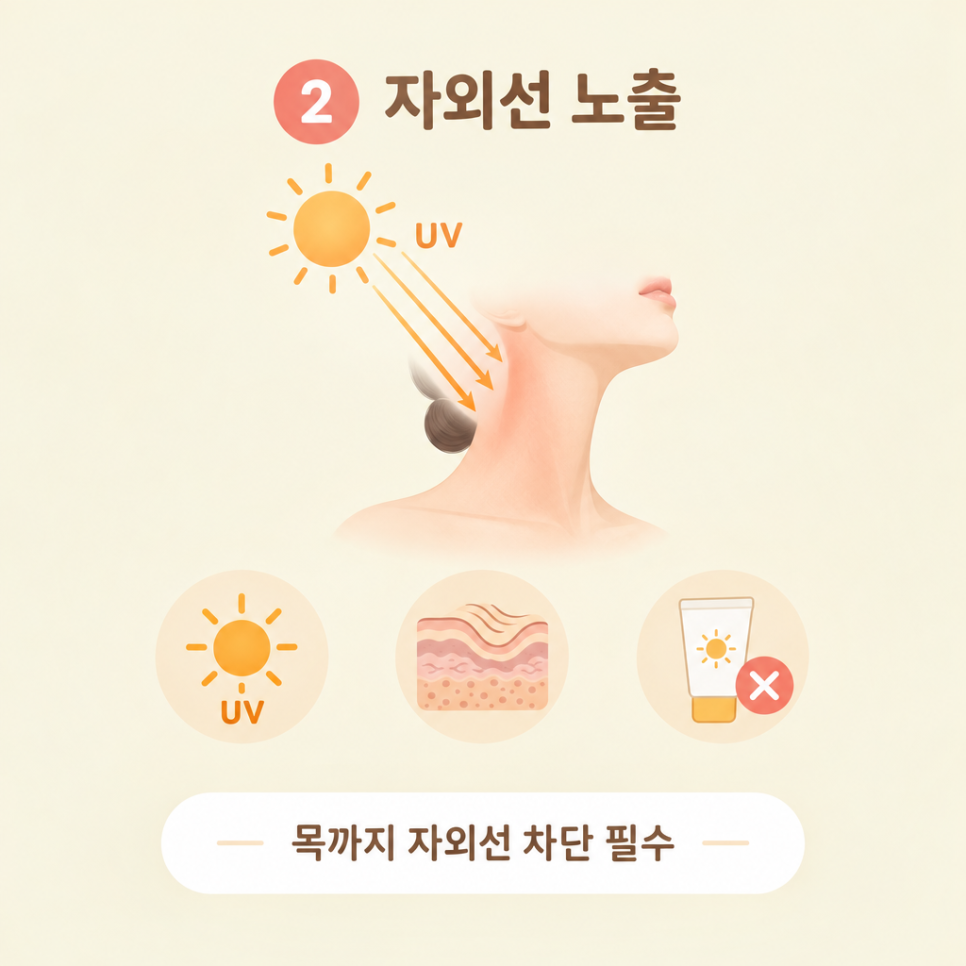
    Many people apply sunscreen carefully to their face but forget their neck.
    Long-term UV exposure can lead to photoaging, which may also affect the structures that help skin maintain its elasticity.

    Excessive exposure can accelerate skin aging and may lead to health risks such as skin cancer.

    Korea’s Ministry of Food and Drug Safety (MFDS) explained this while guiding proper sunscreen use.

    neck wrinkle care - image 5

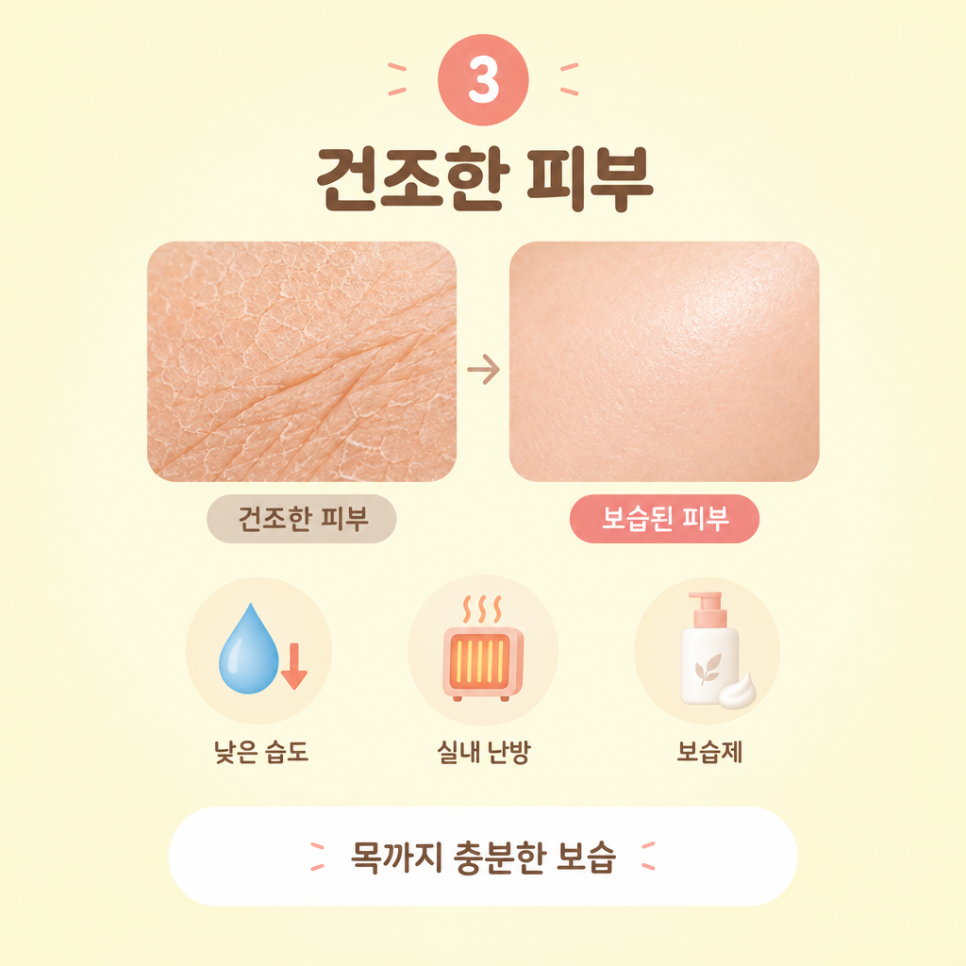
    When skin is dry, fine surface lines and rough texture can appear more pronounced than usual.
    In fall and winter, lower humidity combined with indoor heating can easily dry out not just your face but your neck as well.

    neck wrinkle care - image 6

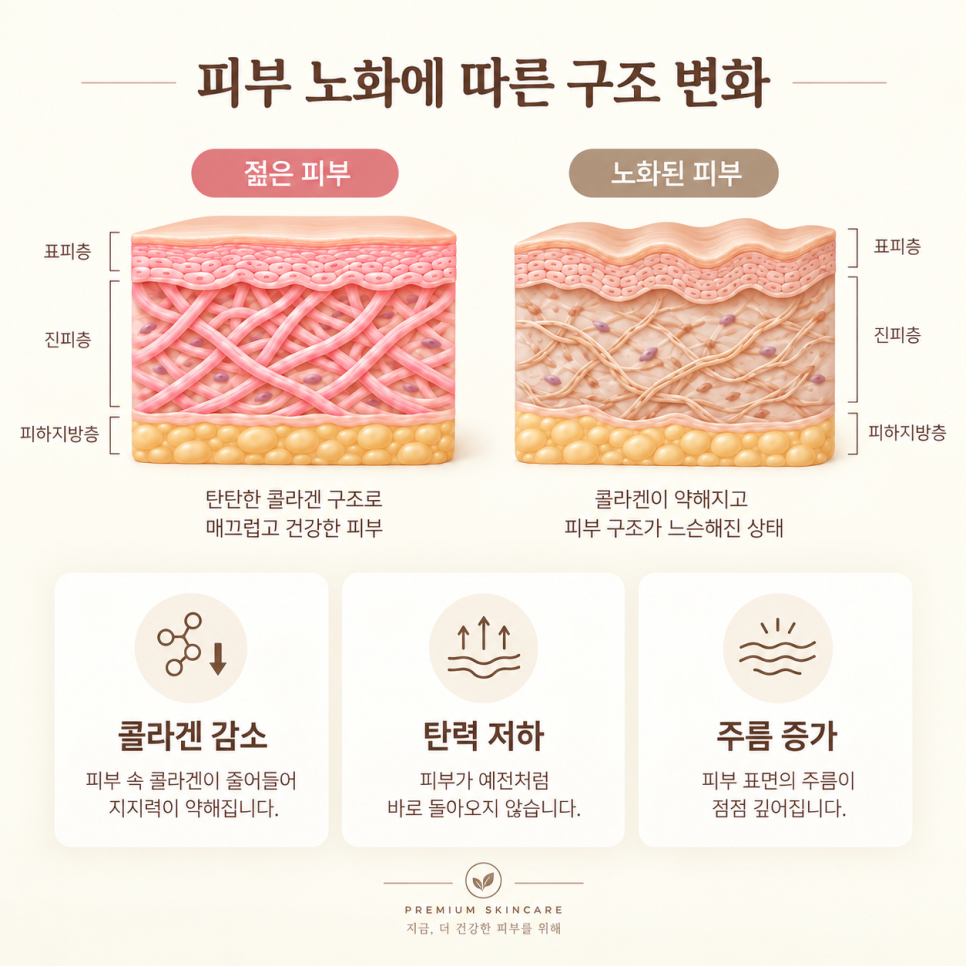
    As we age, the production and structure of collagen and elastin in the skin change.
    As the dermis loses supportive strength, elasticity declines — meaning neck wrinkles aren’t just a surface-level issue but a change that appears alongside internal aging.

    neck wrinkle care - image 7

    Cause Description
    Repeated posture Habit of looking down at a smartphone or laptop for long periods
    UV exposure Easy to forget sun protection on the neck
    Skin dryness Lack of moisture from low humidity and indoor heating
    Structural changes from aging Decreased collagen and elastin, reduced dermal support

    Why Does Collagen Matter for Neck Skin?

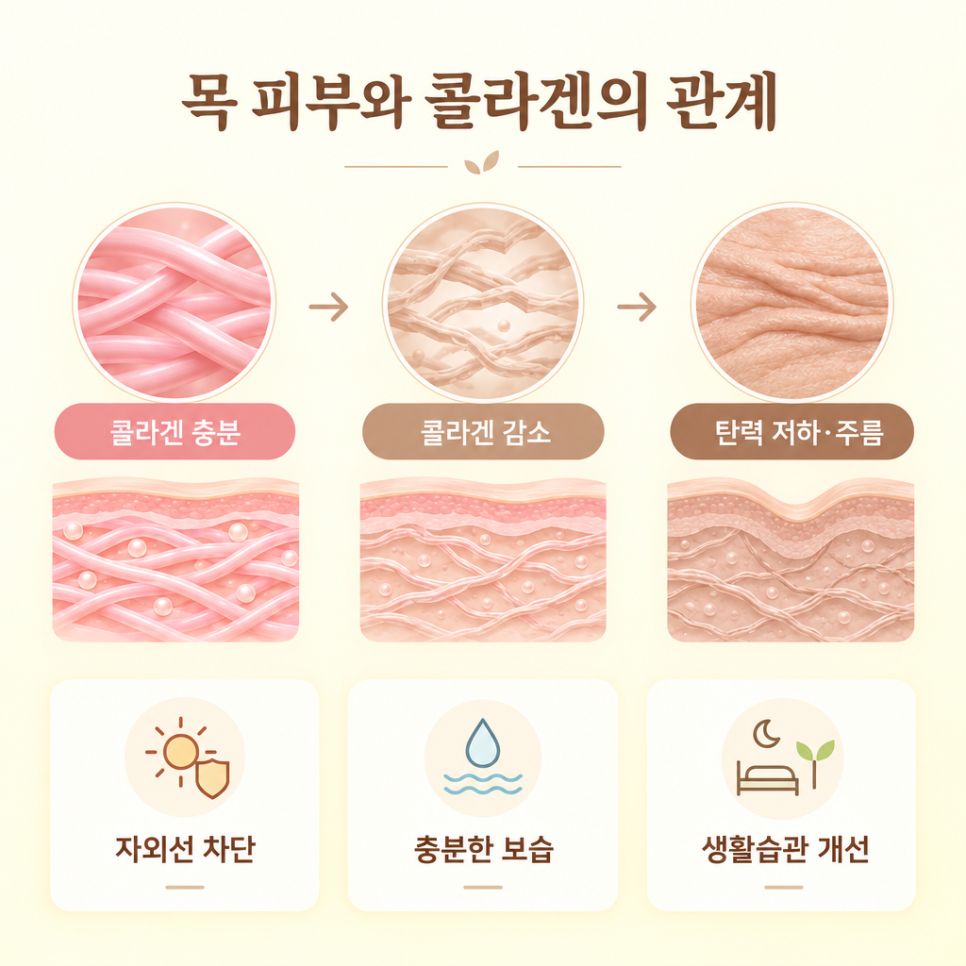
    Behind the loss of elasticity in neck skin lies a decline in collagen.

    Collagen is a key protein that makes up the skin’s dermis and helps maintain its structure and support.

    neck wrinkle care - image 8

    According to one media report, collagen is said to decline by about 1% per year starting in the mid-20s, dropping to roughly half of 20-something levels by the 40s and to about 10% of that level by the 70s.
    Other reports note that type I procollagen in skin over age 80 was measured at about 68% lower than in ages 18-29, and that dermal thickness in sun-protected areas can thin by up to 50% between ages 30 and 80.

    On top of this, repeated exposure to external factors like UV light can accelerate aging, making fine lines or deeper wrinkles more noticeable than before.

    Key Points
    ✔ Collagen is reported to naturally decline by about 1% per year starting in the mid-20s
    ✔ Reports suggest levels drop to about half by the 40s and to roughly 10% by the 70s, compared to the 20s
    ✔ Dermal thickness may thin by up to 50% between ages 30 and 80, according to reports

    Neck Wrinkle Care: Where Should You Start?

    The key isn’t trying a special technique once — it’s consistently repeating basic care.

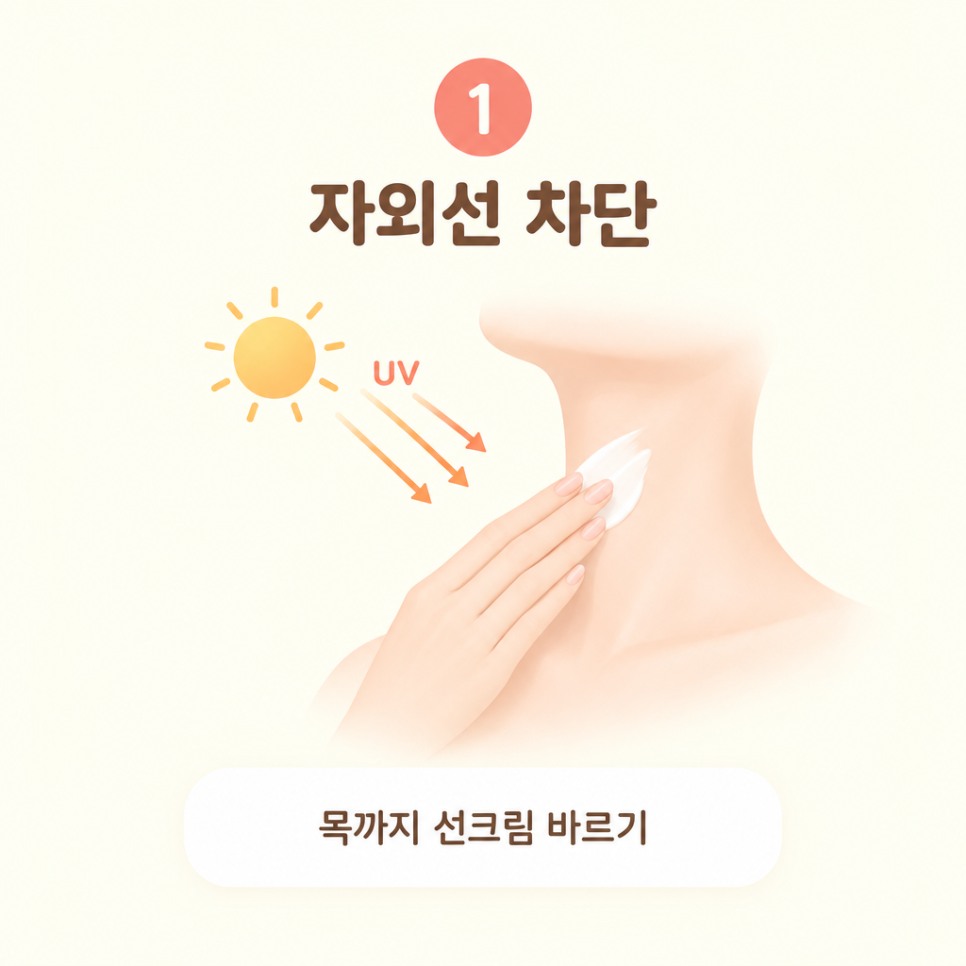
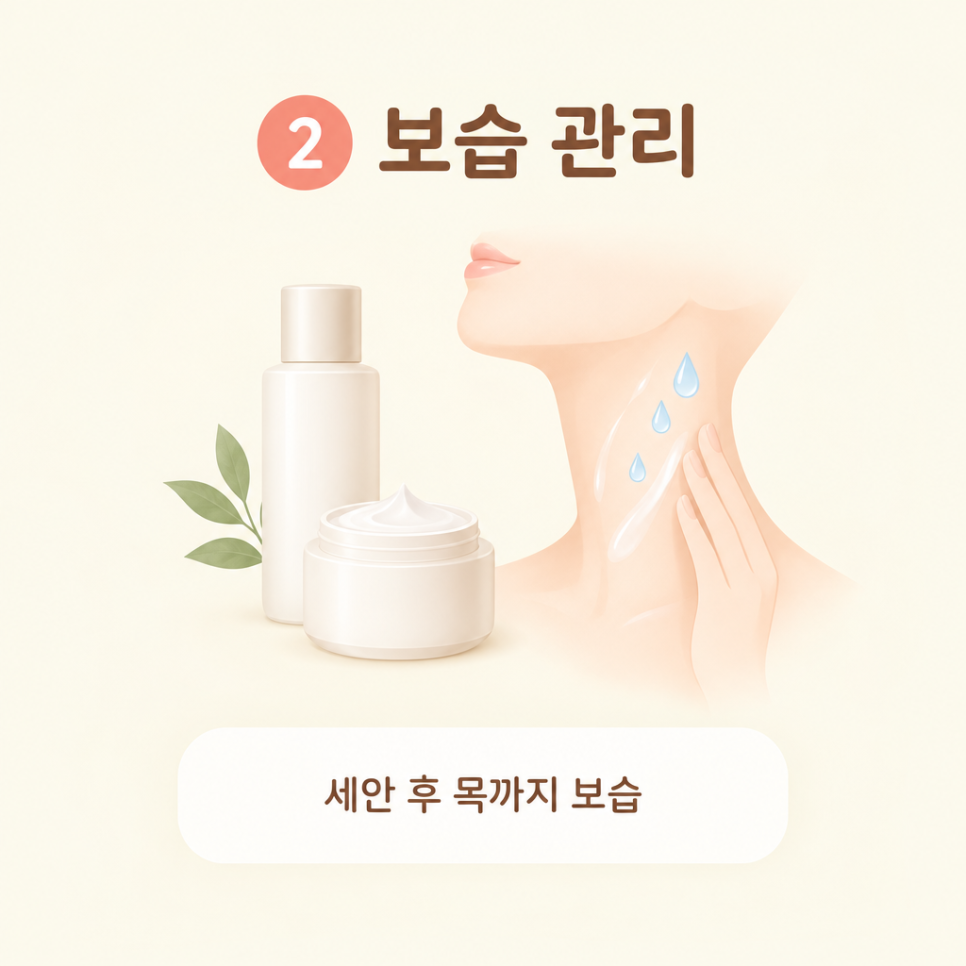
    Neck wrinkle care means extending sun protection, moisturizing, and posture habits to your neck, just as you already do for your face.

    neck wrinkle care - image 9

    ① When heading outside, apply sunscreen evenly to your neck as well as your face.
    If you’ve sweated heavily or spent a long time outdoors, reapply according to the product’s directions.

    neck wrinkle care - image 10

    ② After washing your face or showering, gently extend the moisturizer you use on your face down to your neck.
    An expensive neck-specific product isn’t necessary — any gentle, well-suited product that doesn’t irritate your skin is enough.

    neck wrinkle care - image 11

    ③ Hold your phone screen closer to eye level, and change position periodically instead of holding one posture for too long.
    An overly high pillow can also force your neck into an excessively bent position, so choose a height that suits your body.

    Caution
    Repeatedly pulling the skin tightly or massaging it too hard in an attempt to erase neck wrinkles can actually irritate the skin.
    When applying moisturizer, gently smooth it on rather than rubbing it in forcefully.

    neck wrinkle care - image 12

    ④ It’s also important not to expect that massage alone can eliminate neck wrinkles that are already deeply set.

    neck wrinkle care - image 13

    Checklist
    ✅ Apply sun protection to your neck when going outside
    ✅ Moisturize your neck after washing your face or showering
    ✅ Avoid tilting your head down for long periods
    ✅ Avoid rubbing your neck skin harshly
    ✅ Avoid smoking and maintain a balanced lifestyle

    Can Home Care Alone Get Rid of Neck Wrinkles?

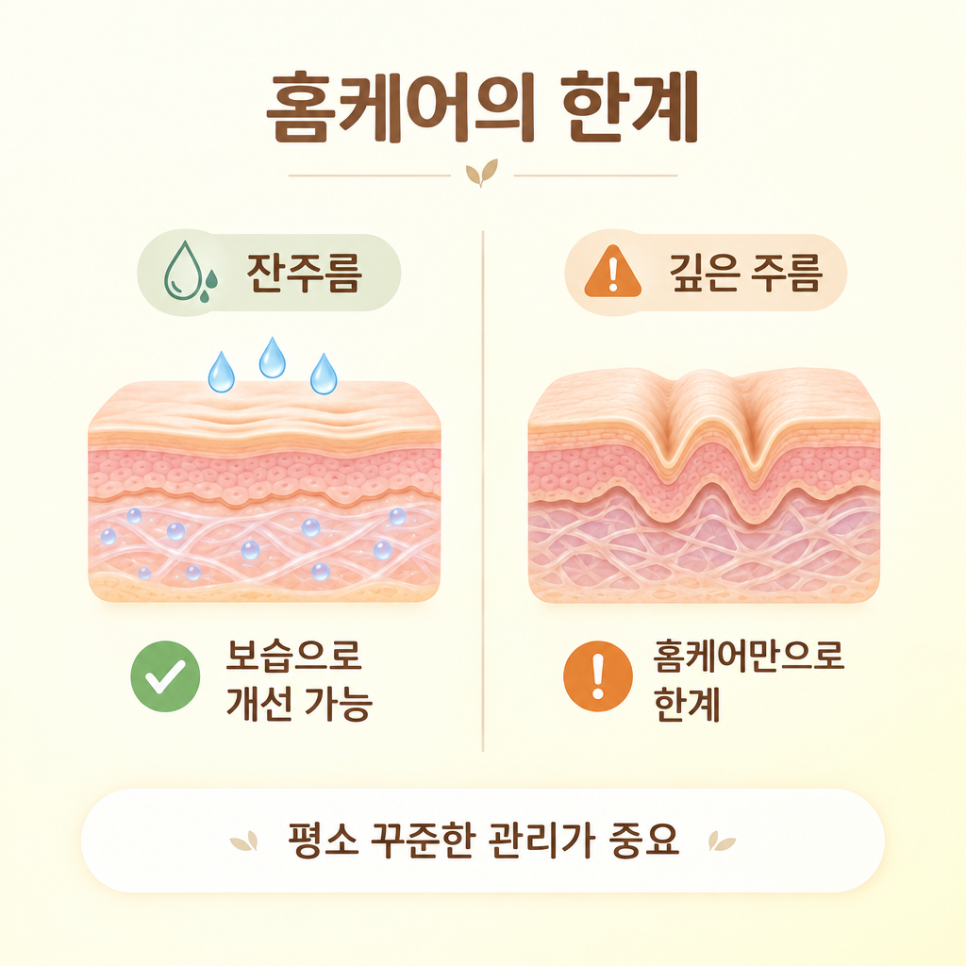
    It’s important to distinguish between fine lines made more visible by dryness and wrinkles that have already become deeply set.

    Home care refers to methods you can practice at home, such as moisturizing or massage.

    neck wrinkle care - image 14

    If fine lines look more pronounced because your skin is dry, they may appear less noticeable once your skin becomes hydrated after adequate moisturizing.

    However, wrinkles that have already become deeply set due to skin aging and structural changes are difficult to eliminate completely through home care alone, such as moisturizers or massage.

    Changes You May See With Consistent Care
    ✔ Fine lines and rough texture caused by dryness may be eased
    ✔ Aging-accelerating factors like UV exposure and friction can be reduced
    ✔ May help keep skin in a healthier overall condition

    Why You Should Care for Your Neck Just Like Your Face

    We tend to pay close attention to our facial skin while leaving the neck out of the routine almost entirely.

    But the neck is also continuously exposed to UV rays and outside conditions, and it’s an area where structure and elasticity change as we age.

    It’s enough to apply sunscreen to your neck whenever you apply it to your face, extend your moisturizer down to your neck after washing or showering, and cut back on prolonged head-down posture.

    Thinking of your face and neck as a single skincare zone is the most basic neck wrinkle care habit you can start in everyday life.

    neck wrinkle care - image 15

    If you’re curious about skin aging and collagen changes, you can find more detailed information on the Atelofill Collagen Skin Research Institute homepage.


    Frequently Asked Questions

    1. Can I use my facial sunscreen on my neck too?
    Generally, sunscreen made for the face can also be used on the neck. However, if you notice irritation or breakouts on your neck skin, stop use and check your skin’s condition.

    2. Do I need to use a neck-specific cream?
    A neck-specific product isn’t strictly necessary. If the moisturizer you’re already using suits your neck skin well, you can use it there too — consistent moisturizing and sun protection habits matter more than the specific product type.

    3. I’m in my 20s or 30s — does having neck wrinkles mean it’s aging?
    Not necessarily. Horizontal neck lines can appear even at a relatively young age, and various factors — skin characteristics, genetics, and repetitive neck movement or posture — can play a role.

    4. Once neck wrinkles form, are they permanent?
    It’s difficult to fully eliminate deep-set wrinkles with cosmetics or massage, but consistently maintaining sun protection, moisturizing, and good posture habits may help slow further deepening.


    References

    · The Korea Daily (LA), “The Secret to a Youthful Look Is Collagen… Declines 1% Every Year After Age 25,” The Korea Daily. View source
    · Lee Soon-yong, “UV Rays ‘Destroy Collagen and Elastin Fibers, Accelerating Skin Aging,’” Edaily, 2014. View source
    · Ministry of Food and Drug Safety (MFDS), “Sunscreen Works Better When Applied Correctly… What’s the Right Way to Use It?,” Korea Policy Briefing (korea.kr). View source
    · Jaseng Hospital of Korean Medicine, “Tilting Your Head to Look at Your Phone? Cervical Spine Load Up to 27kg,” Encyclopedia of Korean Medicine. View source


    This article is provided for general health information purposes only and is not a substitute for individual diagnosis or treatment. If you have symptoms, please consult a medical professional.

  • How to Get Rid of Melasma in 4 Steps: Melasma vs. Dark Spots First

    How to Get Rid of Melasma in 4 Steps: Melasma vs. Dark Spots First

    SummaryBefore you search for how to get rid of melasma, start by learning how to tell melasma apart from dark spots. Here’s a comparison of location, shape, and causes, plus a 4-step approach to managing pigmentation by type.

    how to get rid of melasma

    Have you ever looked in the mirror at a brown patch spreading across your cheekbones

    and wondered, ‘Is this melasma, or just a dark spot?’

    They can look similar on the surface, but the right approach depends entirely on the type of pigment involved,
    so figuring out which one you’re dealing with comes before searching for how to get rid of melasma.

    Reaching for a brightening product without knowing the cause first can actually make it less effective.

    This article compares melasma and dark spots by location, shape, and cause,
    and breaks down how to get rid of melasma into a 4-step process — from identifying your pigment type to sun protection, reducing irritation, and considering targeted treatment.

    We’ve also included a pigment checklist you can use at home.

    how to get rid of melasma image 2

    how to get rid of melasma image 3

    What Exactly Is the Difference Between Melasma and Dark Spots?

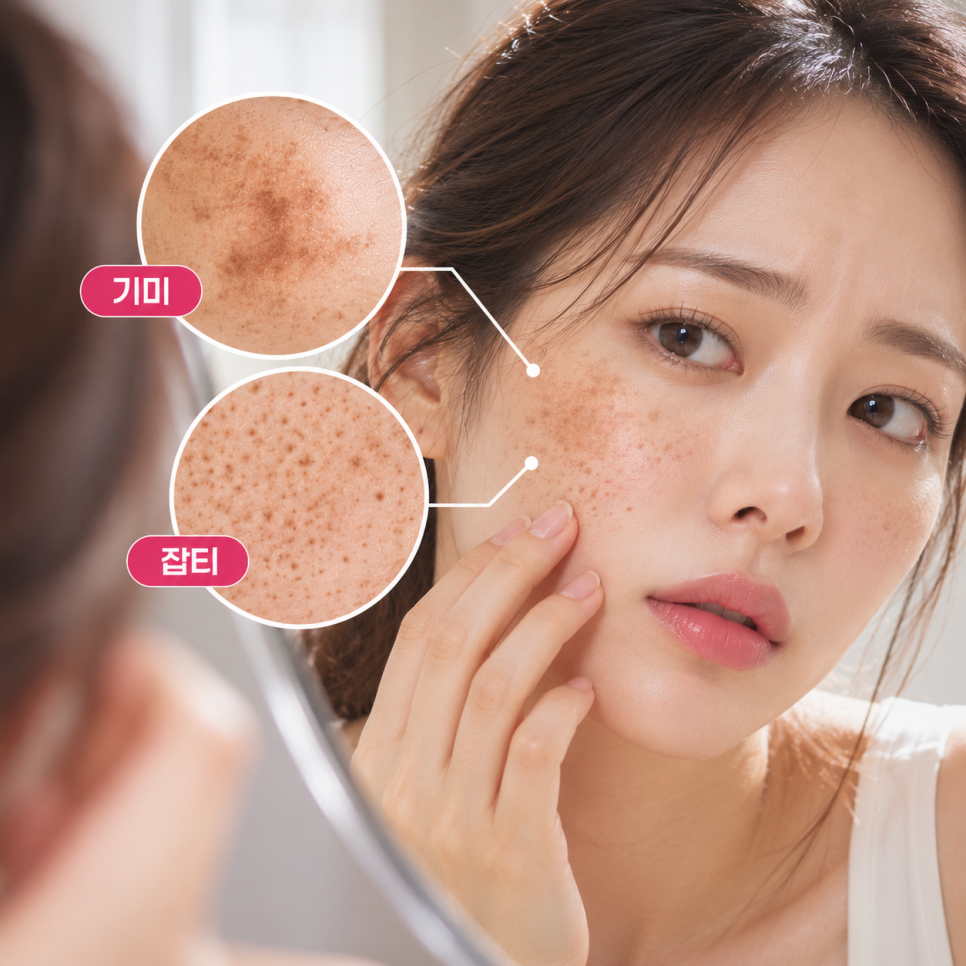
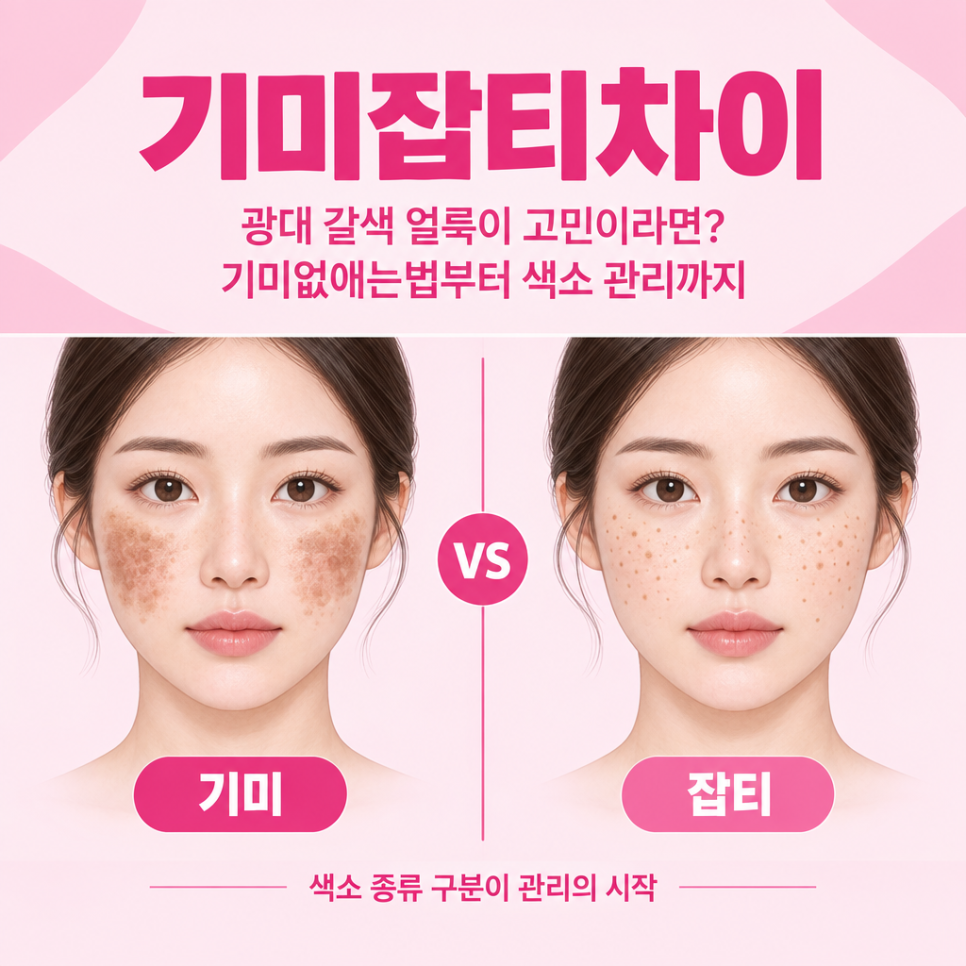
    To put it simply, melasma is a pigmentation condition that appears symmetrically on both sides of the face, while “dark spots” is more of an umbrella term covering several different types of pigmentation.

    how to get rid of melasma image 4

    Melasma is a pigmentation condition in which brown or grayish-brown patches appear as broad, ill-defined areas on both sides of the face — commonly on the forehead, cheekbones, cheeks, and around the nose.

    “Dark spots,” on the other hand, isn’t a specific diagnosis.
    It’s a general term for various types of facial pigmentation, including
    freckles, solar lentigo, and post-inflammatory hyperpigmentation.

    So seeing brown pigmentation on your skin
    doesn’t automatically mean it’s melasma.

    how to get rid of melasma image 5

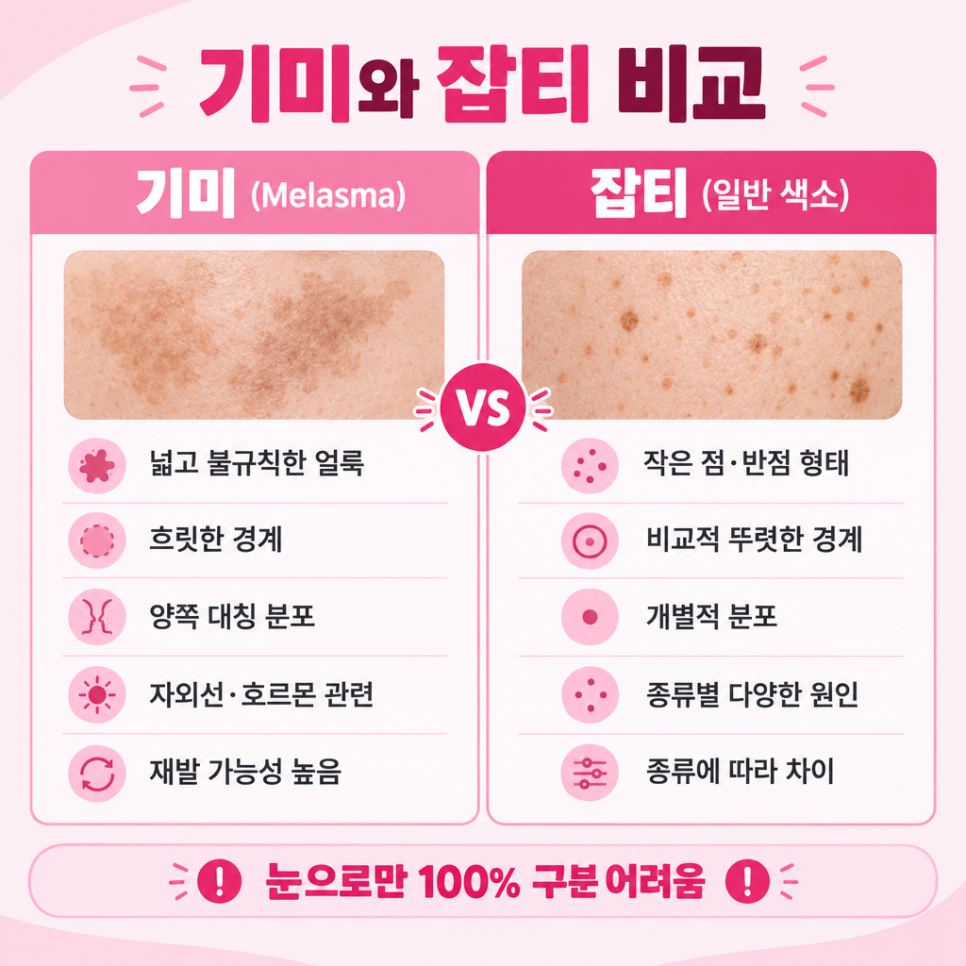
    Category Melasma Dark Spots
    Shape Broad, irregular patches Often small dots or spots
    Border Can be relatively ill-defined Often relatively well-defined
    Distribution Symmetrical — both cheekbones, cheeks, forehead, etc. Can appear individually in specific areas
    Related factors Multiple factors — UV exposure, visible light, hormones, etc. Varies by type — UV exposure, inflammation, genetics, etc.
    Recurrence Can darken again Varies depending on the type
    Key Points
    ✔ Melasma and dark spots can be difficult to tell apart by sight alone.
    ✔ Solar lentigo and post-inflammatory hyperpigmentation can sometimes resemble melasma, so a Wood’s lamp or dermoscopy may be used to assess pigment characteristics when needed.

    Where on the Face Does Melasma Appear, and What Does It Look Like?

    Melasma often appears as broad, ill-defined patches on both cheekbones or cheeks. If you notice small, well-defined spots scattered across your skin instead, that may point to freckles, solar lentigo, or another type of pigmentation.

    how to get rid of melasma image 6

    Melasma Checklist
    ✅ Appears similarly on both cheekbones
    ✅ Looks more like broad patches than dots
    ✅ Edges aren’t sharply defined
    ✅ Gets darker after sun exposure
    ✅ Also appears around the forehead, cheeks, nose, and upper lip

    That said, shape alone isn’t enough for an accurate diagnosis,
    so treat this checklist as a general reference rather than a definitive answer.


    What Causes Melasma?

    Melasma usually isn’t caused by a single factor — it tends to result from multiple factors acting together.

    how to get rid of melasma image 7

    1. UV and visible light — Repeated light exposure can stimulate pigment production and darken melasma.
    2. Hormonal changes — Melasma has also been linked to hormonal changes, such as those from pregnancy or oral contraceptive use.
    3. Skin irritation — Excessive exfoliation and irritating skincare products can make pigmentation more noticeable.
    Key Points
    ✔ Not just UV rays — visible light (especially blue light) can also stimulate melanocytes and worsen hyperpigmentation.
    ✔ That’s why, when looking into how to get rid of melasma, sun protection needs to go hand in hand with reducing skin irritation.

    How to Get Rid of Melasma: What Order Should You Follow?

    When looking into how to get rid of melasma, it’s easy to jump straight to lasers or brightening products,
    but identifying your pigment type first and managing it step by step matters more.

    how to get rid of melasma image 8

    1. STEP 1. Identify Your Pigment Type
      Determine whether it’s melasma or another type of pigmentation, such as freckles, solar lentigo, or post-inflammatory hyperpigmentation. Since multiple types can appear together, an accurate diagnosis by sight alone can be difficult.
    2. STEP 2. Protect Against UV and Visible Light
      Consistent sun protection is the foundation of melasma management. Use a broad-spectrum sunscreen with SPF 30 or higher, and reapply regularly during outdoor activity. If you want to address visible light as well, a tinted sunscreen containing iron oxide can be an option.
    3. STEP 3. Reduce Skin Irritation
      Using high-concentration brightening products, exfoliants, and peels all at once can increase skin irritation. If stinging or burning persists, it’s a good idea to adjust how often you use these products or switch products altogether.
    4. STEP 4. Consider Treatment If Needed
      Depending on skin condition, options such as topical agents, chemical peels, or laser and light-based treatments may be considered. Because the right approach can vary based on how deep the melasma sits and your skin tone, it’s important to get an approach suited to your individual condition.
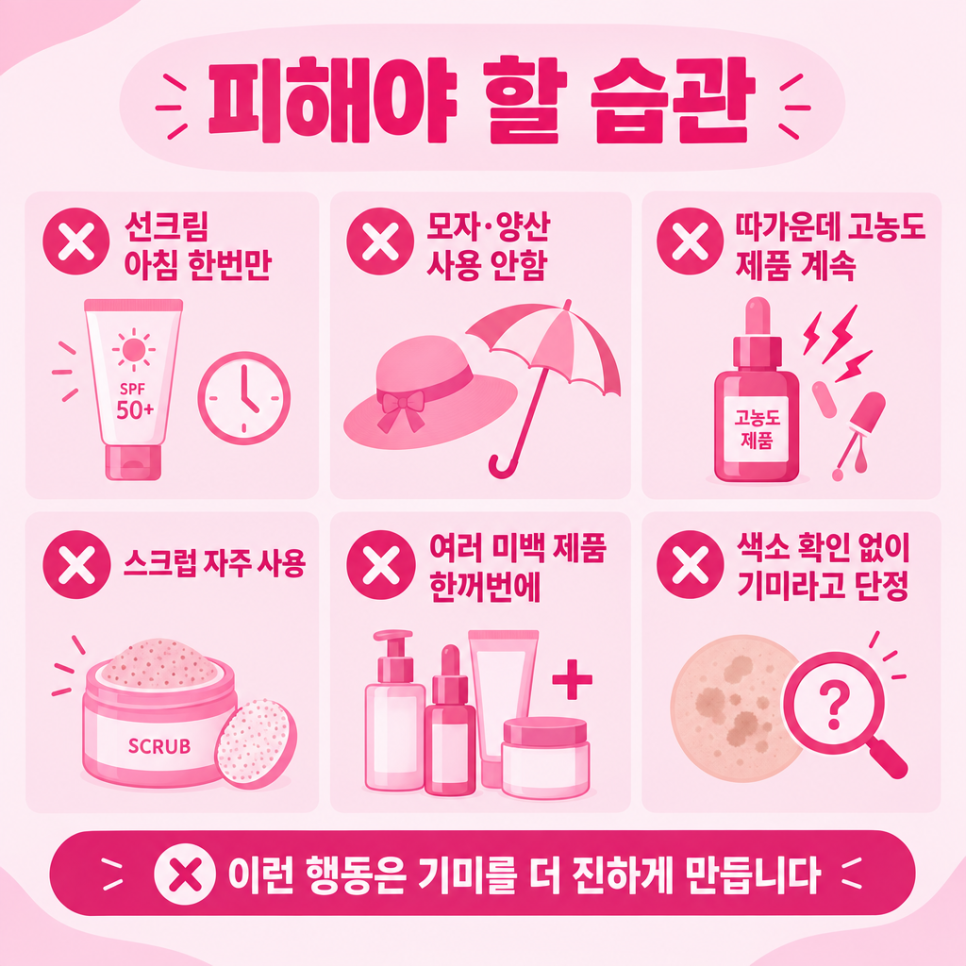
    Caution — Habits That May Make Melasma Worse
    ⚠ Applying sunscreen only once in the morning
    ⚠ Spending a lot of time outdoors without a hat or umbrella
    ⚠ Continuing to use high-concentration functional cosmetics even when your skin stings
    ⚠ Scrubbing frequently, thinking exfoliation will brighten your skin
    ⚠ Using several brightening ingredients all at once
    ⚠ Assuming it’s melasma without checking the type of pigmentation first

    how to get rid of melasma image 9

    Because melasma can darken again even after treatment,
    reducing the conditions that cause it to recur
    matters just as much as fading it in the short term.

    A 1-Minute Self-Check to Gauge Your Pigment Type

    Check the items below while looking in a mirror near natural light.

    how to get rid of melasma image 10

    Pigment Checklist
    ✅ Shape — Spread out like broad patches / Appears as small, individual dots
    ✅ Location — Similar on both cheekbones / Clustered on just one side
    ✅ Changes — Seems to darken in summer / Left brown marks where breakouts occurred / Became noticeable after pregnancy or hormonal changes

    Checking shape, location, onset, and how it changes together
    can help you describe your condition more accurately during a skin consultation.

    how to get rid of melasma image 11

    At a glance, melasma and dark spots can look like the same brown pigmentation.

    But when you look closely at the difference between melasma and dark spots,
    there are clear differences in how they form, what causes them, and how they should be managed.

    So rather than jumping straight into brightening products or pigment procedures,
    it’s better to approach how to get rid of melasma in this order:
    ① Identify pigment type → ② Manage UV and visible light → ③ Reduce skin irritation → ④ Consider targeted treatment if needed.

    If you have pigmentation that’s lasted a long time, or if its color or shape has recently changed, it’s worth having it properly evaluated rather than assuming it’s just a dark spot.

    If you’d like more information on skin condition and elasticity care, check out related articles at the Atelofill Collagen Skin Research Lab homepage.


    Frequently Asked Questions

    1. Can melasma be completely removed with skincare products?
    Because melasma involves multiple factors like UV exposure and hormones, it’s hard to say that any single product can remove it completely. Managing light exposure and minimizing skin irritation are the basics, and treatment suited to your skin condition may be added if needed.

    2. Does laser treatment clear melasma in one session?

    Not necessarily. Melasma can darken again even after treatment, and depending on skin condition, some laser or light-based treatments may actually trigger hyperpigmentation or worsen melasma. Checking your individual pigment condition first is an important step.

    3. What’s the most basic step in how to get rid of melasma?
    Consistent light management. Use a broad-spectrum sunscreen with SPF 30 or higher as your foundation, and pair it with a hat or shade when you’re outdoors. If you want to address visible light too, choosing a tinted sunscreen with iron oxide is another option.

    4. Can I tell melasma and dark spots apart at home?
    Looking at shape, location, onset, and how it changes over time can give you a rough idea, but it’s difficult to tell them apart with complete accuracy by sight alone. Since multiple types of pigmentation can appear at the same time, a professional evaluation can be helpful.

    References

    · Asan Medical Center, “Melasma,” Disease Encyclopedia. View source
    · Boukari F, et al., “Prevention of melasma relapses with sunscreen combining protection against UV and visible light,” Journal of the American Academy of Dermatology, 2015. View source
    · Journal of Drugs in Dermatology, “Photoprotection Efficacy of Sun Protection Factor and Iron Oxide Formulations in Diverse Skin With Melasma and Photodamage,” 2025. View source


    This article is intended for general health information purposes only and is not a substitute for individual diagnosis or treatment. If you have symptoms, please consult a healthcare professional.

  • Atelofill Collagen Injection: 3 Things to Check for Skin Collagen

    Atelofill Collagen Injection: 3 Things to Check for Skin Collagen

    SummaryAtelofill collagen injection is a tissue repair material based on Type I atelocollagen, used to directly replenish the collagen skin needs. This guide covers the product’s ingredients and characteristics, the skin concerns it may address, and a checklist to review before treatment.

    There are moments when your reflection looks different from before.

    It’s not just one more wrinkle — your cheeks or under-eye area may look hollow, and your whole face can feel like it’s lost its firmness.

    At times like this, many people start looking into ways to replenish collagen directly in the skin, such as Atelofill collagen injection.

    This article covers why skin elasticity declines, the ingredients and characteristics of Atelofill collagen injection, how atelocollagen differs from regular collagen, and a checklist to review before treatment.

    Rather than deciding based on a product name alone, it’s important to look at both the ingredients and the areas it’s applied to.

    Atelofill collagen injection

    Why Does Skin Elasticity Decline?

    Loss of skin elasticity occurs when declining collagen levels overlap with various external factors.

    Collagen is the key protein that makes up skin tissue and supports its structure.

    As we age, the internal environment of the skin keeps changing.

    When factors like UV exposure, dry conditions, or lifestyle habits are added on top of that, a loss of elasticity can become noticeable sooner.

    This change isn’t limited to wrinkles alone — it can also show up in skin thickness and volume.

    Atelofill collagen injection related image 2

    Key Points
    · Collagen is the protein that supports the skin’s structure.
    · Elasticity loss progresses as age, UV exposure, and lifestyle habits overlap.
    · These changes can appear not only as wrinkles but also as volume loss.

    Atelofill collagen injection related image 4

    Skin Change Self-Check Checklist
    ✅ My skin feels thinner and less firm than before
    ✅ Fine lines have started to become noticeable
    ✅ Hollowing under the eyes or in the cheeks bothers me
    ✅ My skin looks loose rather than firm
    ✅ Makeup doesn’t fully hide a tired-looking appearance

    Atelofill collagen injection related image 5

    If several of these apply to you, surface-level skin care alone may feel limited.

    This is why more people are becoming interested in ways to replenish collagen within the skin’s structure itself.


    What Is Atelofill Collagen Injection?

    Atelofill is a product used to replenish the collagen that skin tissue needs.

    Atelofill is known as a tissue repair material that uses collagen, based on Type I atelocollagen.

    Atelofill collagen injection related image 3

    What’s important here is that this approach differs from ingredients applied topically, like cosmetics.

    While cosmetics focus on the surface of the skin, Atelofill is used by having a medical professional assess the skin’s condition and the areas that need attention, then inject it into the appropriate location.

    So even with the same product, where, how much, and how it’s applied all matter.

    Atelofill collagen injection related image 6

    Key Points
    · Atelofill collagen injection is known as a tissue repair material based on Type I atelocollagen.
    · It replenishes collagen within the tissue itself, not just on the skin’s surface.
    · The treatment area, amount, and method are determined through consultation with a medical professional.

    How Is Atelocollagen Different From Regular Collagen?

    Atelocollagen differs from regular collagen in that it is processed to reduce immune response.

    Atelocollagen refers to collagen that has had the telopeptides at both ends of the collagen molecule removed.

    Atelofill collagen injection related image 7

    Type I collagen molecules have a segment called the telopeptide at each end, and this segment is known to be the main cause of immune reactions.

    Atelofill is characterized by being based on this type of atelocollagen.

    Category Regular Collagen Atelocollagen
    Telopeptide Present at both ends Removed
    Main Characteristic May trigger immune response Used as a biocompatible material
    Main Use Food, cosmetic ingredients, etc. Tissue repair materials, artificial skin, etc.

    So when researching Atelofill collagen injection, it’s a good idea to check what type of collagen is used, what purpose the product is approved for, and whether the approach fits your specific skin concerns.


    What Should You Check Before an Atelofill Treatment?

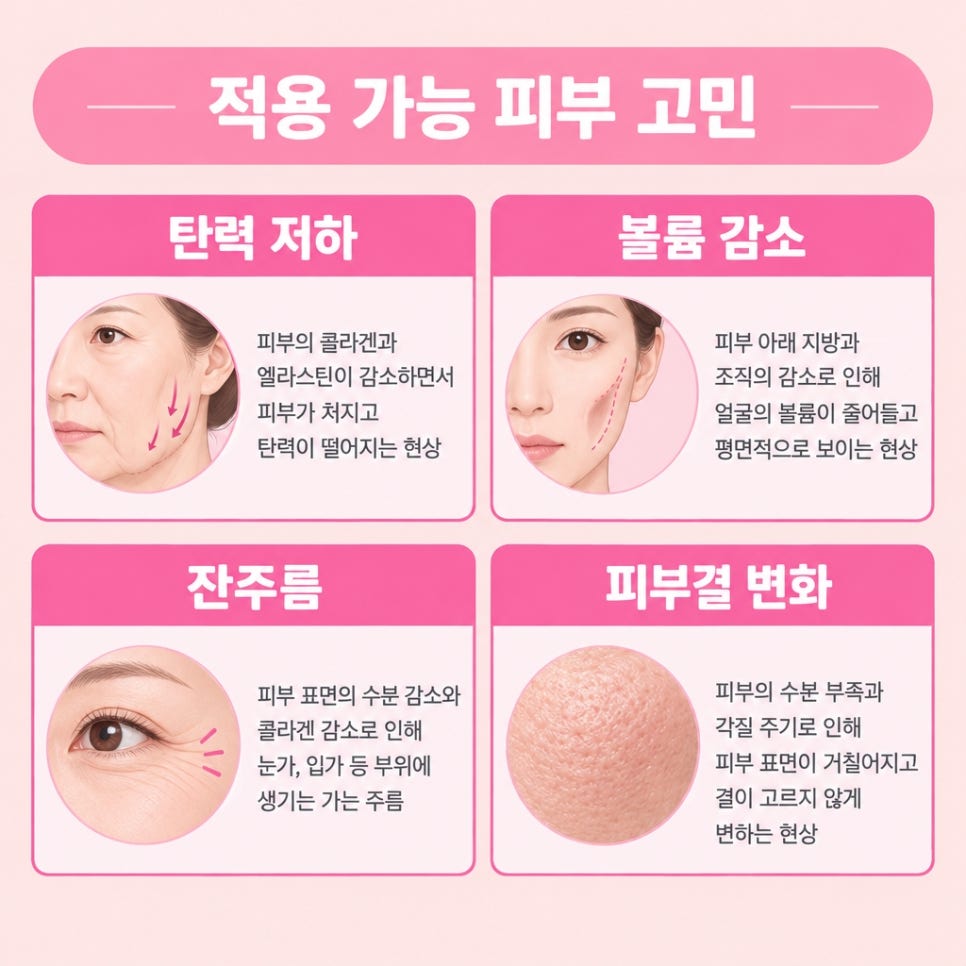
    Atelofill can be considered through consultation when you have concerns related to structural skin changes, such as loss of elasticity or volume.

    Skin Concerns Where This May Be Considered

    Atelofill collagen injection related image 8

    1. When hollowing under the eyes creates a tired-looking appearance that bothers you
    2. When volume loss in the cheek area is noticeable
    3. When declining skin elasticity is accompanied by concerns about fine lines
    4. When the skin in a specific area of the face feels thin and lacking in firmness

    That said, even similar-looking hollowing doesn’t always have the same cause.

    Factors such as skin thickness, fat distribution, bone structure, degree of aging, and facial expression habits can all play a role.

    So rather than expecting the same result as before-and-after photos seen online, it’s necessary to first have your current skin condition assessed.

    Pre-Treatment Checklist

    Atelofill collagen injection related image 9

    Checklist
    ✅ Have you confirmed the exact product name and ingredients?
    ✅ Have you identified whether your main concern is elasticity, fine lines, or volume loss?
    ✅ Have you discussed which areas will be treated and how much will be used?
    ✅ Have you been informed about possible reactions after treatment, such as redness, swelling, or bruising?
    ✅ Have you told your medical provider about any medications you’re taking or allergies you have?
    ✅ Have you reviewed not only the expected changes but also the limitations and precautions?
    Precautions
    The degree of change and how long it lasts after treatment can vary from person to person.
    Redness, swelling, or bruising may occur temporarily, so it’s important to follow your medical provider’s guidance on recovery.

    Atelofill collagen injection related image 10

    If you’re concerned about skin elasticity and volume loss, it’s best to first understand what your skin actually needs, rather than simply following a popular treatment trend.

    If you’re considering Atelofill collagen injection, we recommend having a thorough consultation with a medical professional to confirm whether the treatment plan is right for you.

    More information is also available at the Atelofill Collagen Skin Research Institute homepage.


    Frequently Asked Questions

    1. Is Atelofill the same as a filler?
    Atelofill is known as a tissue repair material based on Type I atelocollagen. Rather than treating all injectable treatments as the same, it’s helpful to look at each product’s ingredients and intended use separately.

    2. Does one treatment produce immediate results?
    Right after the injection, swelling from the procedure itself can occur. Rather than judging by how you look immediately afterward, it’s important to follow the recovery timeline your medical provider outlines — and the degree of change and how long it lasts can vary from person to person.

    3. Is the same treatment applied across the whole face?
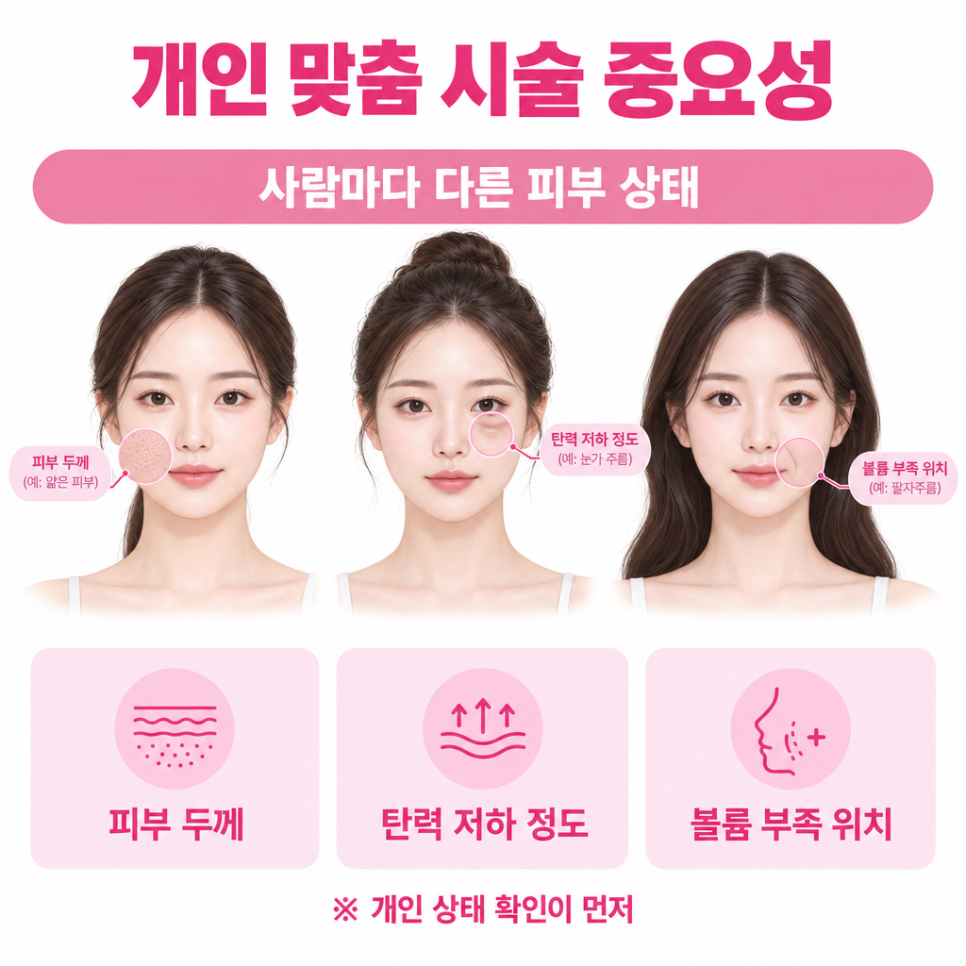
    No, it isn’t. Since skin thickness, the degree of elasticity loss, and areas lacking volume differ from person to person, the treatment area and amount also vary. Assessing your individual condition first is necessary.

    4. Are there precautions to keep in mind after treatment?
    Depending on the treatment area, temporary redness, swelling, or bruising may occur. It’s a good idea to inform your medical provider in advance about any medications you’re taking or allergy history.


    References

    · Jeon Young-sun, Kang Sang-mo, “The Effect of Collagen Intake on Facial Skin Wrinkles,” Journal of the Korean Society of Aesthetics and Cosmetology, Vol. 7, No. 2, 2009. View
    · Ministry of Food and Drug Safety (Korea), “Key Supplementary Case Studies – Collagen-Based Tissue Repair Materials,” Ministry of Food and Drug Safety. View


    This article is intended for general health information purposes only and is not a substitute for individual diagnosis or treatment. If you have symptoms, please consult a medical professional.

  • Flaky Skin on Legs: A 4-Step Moisturizing Routine for Fall and Winter Dryness

    Flaky Skin on Legs: A 4-Step Moisturizing Routine for Fall and Winter Dryness

    SummaryFlaky skin on legs is common in fall and winter, but before scrubbing it away, it helps to understand what’s causing it. Here’s a step-by-step leg skin care routine by severity, plus a comparison of urea, lactic acid, and AHA.

    You’ve probably pulled on tights or leggings and watched white flakes drift off your shins.

    It’s tempting to reach for a body scrub right away, but caring for flaky skin on legs isn’t as simple as scrubbing it off.

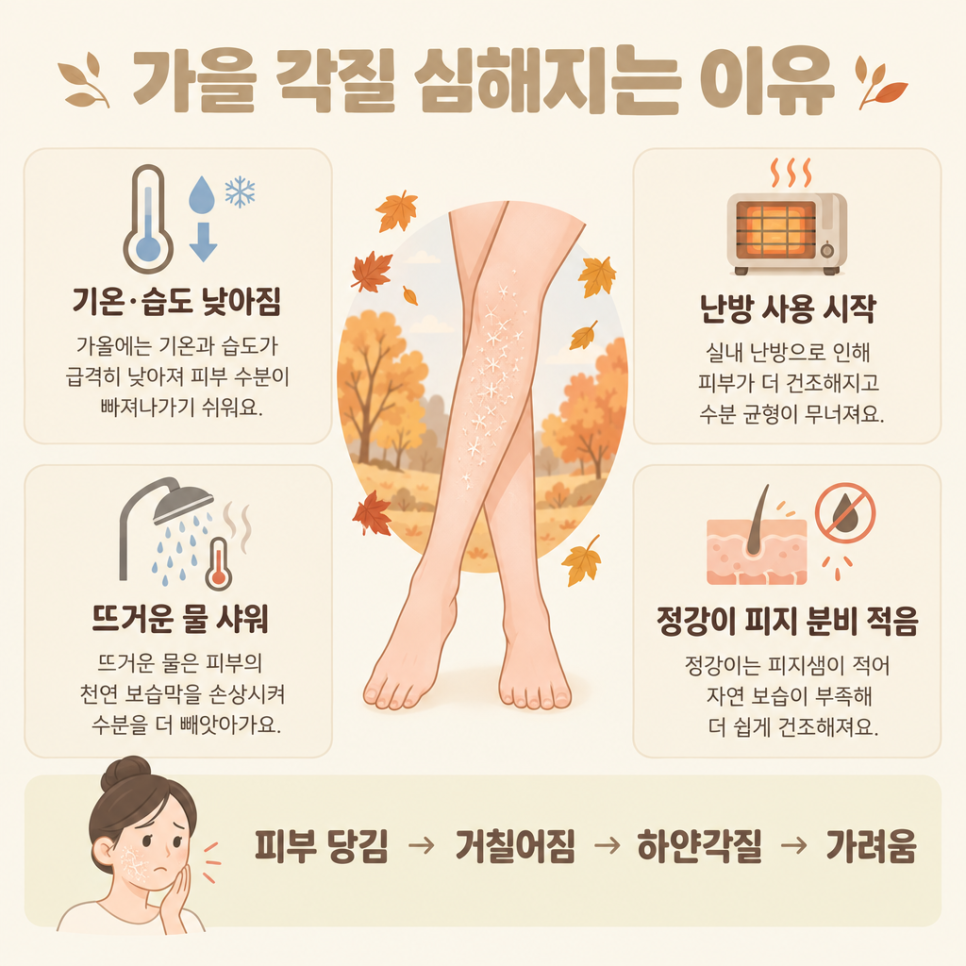
    Starting around September, as temperatures and humidity drop, skin loses moisture faster — and flaking and dryness tend to show up together.

    Understanding the cause first makes managing flaky skin on legs much easier.

    This guide covers why flaky skin on legs gets worse in fall and winter, a step-by-step care routine based on severity, how ingredients like urea, lactic acid, and AHA compare, and when it’s time to see a dermatologist.
    Use the checklist below to see where your legs currently stand.

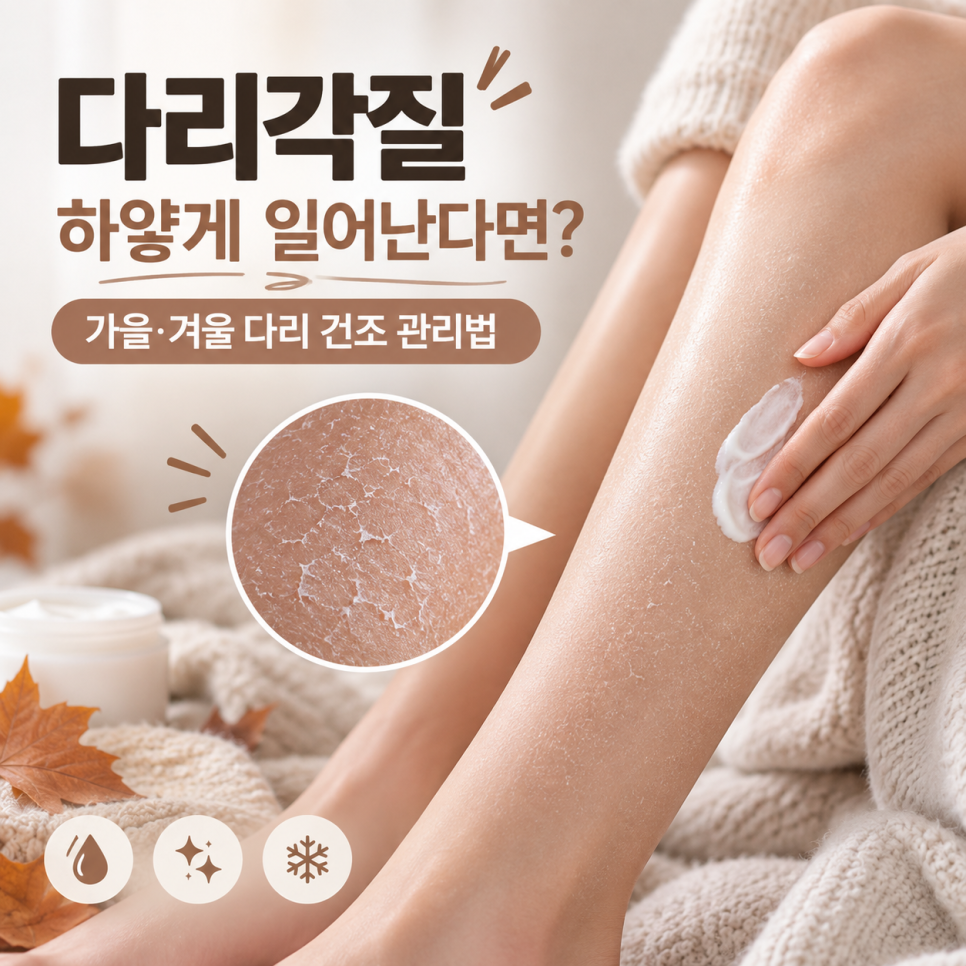
    flaky skin on legs care

    leg skin care routine - image 2

    Why Does Flaky Skin on Legs Get Worse in Fall?

    In short, it’s because low humidity, indoor heating, and hot showers combine to pull moisture out of your skin faster than it can be replaced.

    Flaky skin on legs happens when the stratum corneum — the outermost layer of skin — loses moisture and starts to lift and turn white.

    Normally, this outer layer blocks outside irritants and slows down water loss.
    But in fall and winter, the air gets drier, temperatures drop, and indoor heating kicks in on top of that.
    Add long, hot showers to the mix, and skin dries out even faster.

    Shins, in particular, produce less natural oil than the face or arms.
    That’s why discomfort often builds in stages — tightness, then roughness, then white flakes, then itching.

    Key Points
    ✔ In fall and winter, lower humidity and indoor heating cause skin to lose moisture quickly.
    ✔ Shins have fewer oil glands, so they tend to feel dry more easily.

    Rather than assuming white flakes simply mean “built-up dirt,” it’s worth checking whether they’re actually a sign that your skin is dry.


    leg skin care routine - image 3

    leg skin care routine - image 4

    Does Your Leg Skin Care Routine Change Based on Severity?

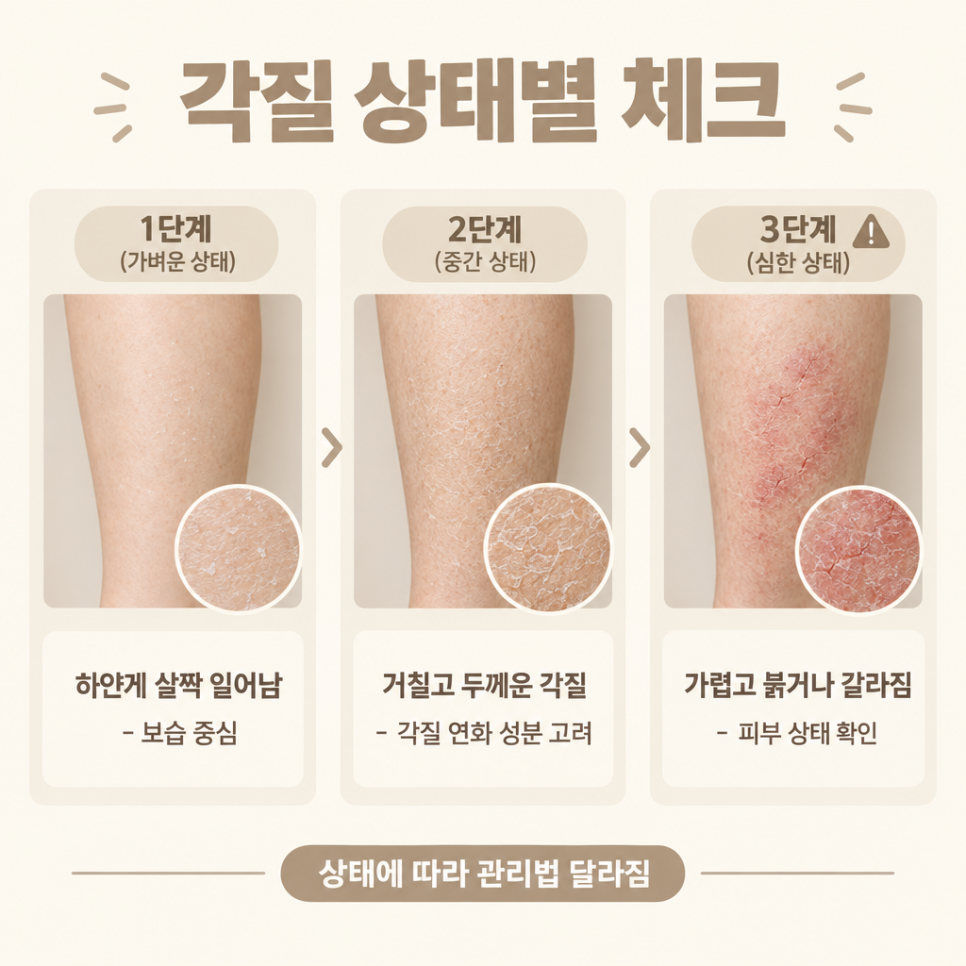
    Yes — the right approach depends on whether the flaking is mild, thick and rough, or accompanied by inflammation.

    leg skin care routine - image 5

    Leg Skin Condition Care Focus
    A little white flaking visible Prioritize moisturizing over exfoliating
    Rough, dull-looking skin Thorough moisturizing, plus exfoliating ingredients if needed
    Flaking keeps building up Check for over-scrubbing and review your moisturizing habits
    Itchy and red Pause scrubs and acid products, and monitor
    Cracking, oozing, or intense itching Consider seeing a dermatologist

    In general, if you’re only seeing light flaking, consistent moisturizing alone — without regular scrubbing — is often enough to improve things.

    But if there are scratch marks, oozing, or pain, that’s a different situation.
    In these cases, it’s best to avoid using scrubs or acid-based products on your own.


    leg skin care routine - image 6

    What’s the Right Order for an Effective Leg Skin Care Routine?

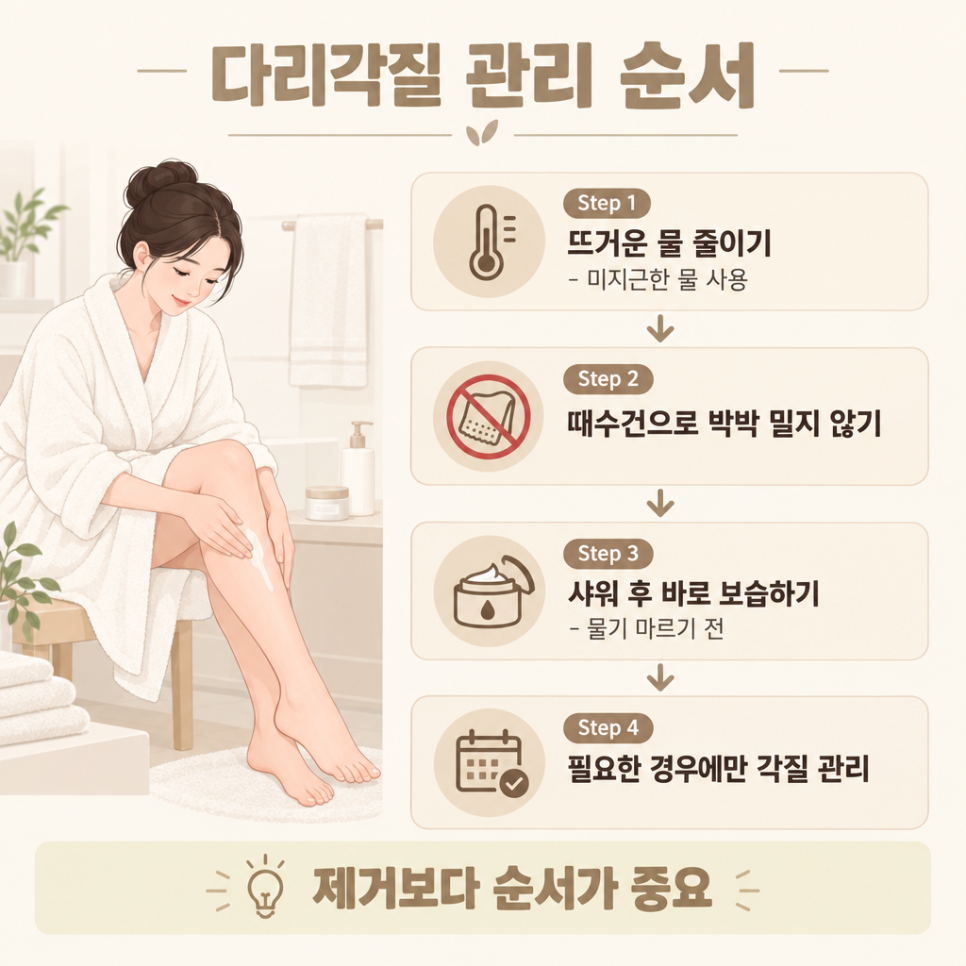
    Rather than trying to remove every bit of flaking on sight, following the steps below is the basic approach to flaky skin on legs care.

    1. Shower with lukewarm water — Extended exposure to hot water can dry out skin further.
    2. Don’t scrub hard with a body towel — Aggressive rubbing can increase irritation and cause more flaking to build up.
    3. Moisturize right after showering — Apply a generous amount of lotion or cream as soon as you towel off, before your skin fully dries.
    4. Exfoliate only when needed — Use exfoliating ingredients only when your skin isn’t red or stinging.

    leg skin care routine - image 7

    Products containing moisturizing ingredients like ceramides and glycerin can help.
    If you’re dealing with rougher, thicker flaking, a urea-based product may also be worth considering, depending on your skin’s condition.


    leg skin care routine - image 8

    How Do Urea, Lactic Acid, and AHA Differ as Exfoliating Ingredients?

    Urea is a moisturizing ingredient that binds with skin’s natural moisturizing factors to help hold water in place.

    Clinical research abroad has reported that urea-containing moisturizers can help improve skin barrier function and reduce transepidermal water loss.
    According to cosmetic ingredient data, urea’s role shifts with concentration — around 3–5% it works mainly as a humectant that holds in moisture, while at 10% or higher it’s known to help soften and loosen flaking skin.

    Lactic acid and AHAs work by loosening the bonds between dead skin cells so flakes shed naturally.
    That said, irritation potential varies by concentration and formulation, so it’s best not to combine several exfoliating products at once when you’re just starting out.

    Key Points
    ✔ Urea is known to work as a moisturizer at low concentrations and as an exfoliant at higher concentrations.
    ✔ Lactic acid and AHAs help soften and loosen flaking skin but can cause irritation, so check usage instructions before use.
    Precautions
    ⚠ If itching, red patches, cracking, or oozing are present, don’t use scrubs or acid-based products on your own.
    ⚠ If your skin stings or turns red after use, reduce frequency or stop use.

    leg skin care routine - image 9

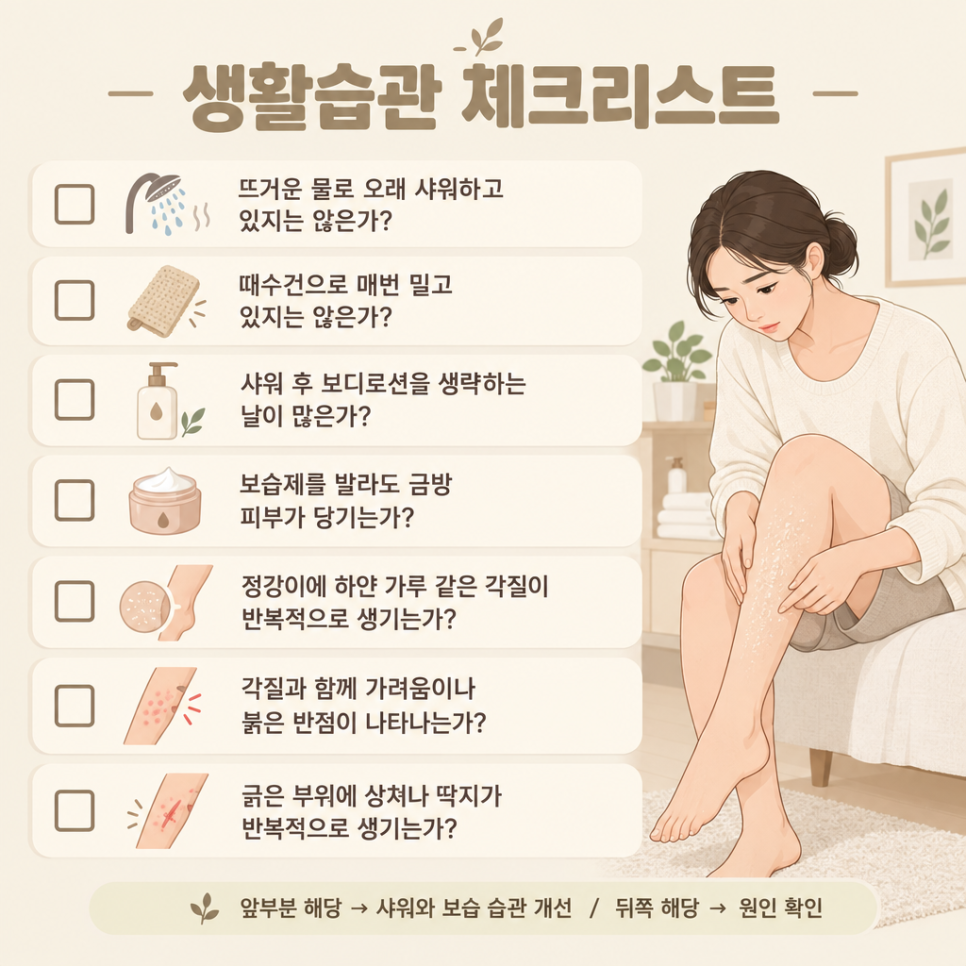
    Check Your Leg Skin Care Habits With This Checklist

    Go through the items below and check which ones apply to you.

    Checklist
    ✅ Do you take long, hot showers?
    ✅ Do you scrub with a body towel every time you notice flaking?
    ✅ Do you often skip body lotion after showering?
    ✅ Do white flakes keep reappearing on your shins?
    ✅ Does the flaking come with itching or red patches?

    If the first few items apply to you, start by adjusting your shower habits and moisturizing routine.

    On the other hand, if itching or red patches apply, it’s important not to dismiss it as ordinary flaking — the underlying cause should be checked.

    Result
    ✔ Making it a habit to moisturize right after showering may help reduce flaking and tightness.
    ✔ You can shift from repeatedly dealing with flaky legs all winter to a prevention-focused routine.

    leg skin care routine - image 10

    When Should Flaky Skin on Legs Be Checked by a Dermatologist?

    If there’s a chance it’s not just dryness but an underlying skin condition, seeing a doctor should come before trying to manage it on your own.

    Intense itching, red patches, cracking, and oozing together can signal something beyond simple dryness.
    In particular, if scratched areas repeatedly develop wounds or scabs, it’s safer to have a dermatologist check things out.

    Before winter fully sets in, try shifting your approach from “removing flakes” to “moisturizing and protecting the skin barrier.”
    Legs are easier to neglect than the face when it comes to moisturizer, so it helps to build the habit of applying lotion or cream to your legs the same way you apply skincare to your face after a shower.
    You can find more on skin barrier moisturizing routines on the Atelofill Collagen Skin Research Institute homepage.

    leg skin care routine - image 11


    Frequently Asked Questions

    1. Is it okay to scrub flaky skin on legs with a body towel?
    Repeatedly scrubbing hard just because you see white flakes isn’t recommended. Physical friction can irritate the skin, so during dry fall and winter months, it’s better to try thorough moisturizing first.

    2. How many times a week should I scrub?

    There’s no single frequency that works for everyone. If your skin is dry or sensitive, you may not need to scrub at all. Adjust frequency based on your skin condition and the product you’re using.

    3. Can I use urea products on flaky skin on legs?
    Urea is known to be used for both moisturizing and softening flaking skin. However, its purpose varies by concentration and product, and it may cause irritation on cracked or broken skin, so check usage instructions first.

    4. I keep getting white flakes even though I moisturize.
    If flaking persists despite consistent moisturizing, and it’s accompanied by intense itching, redness, or cracking, it’s worth checking whether something beyond simple dryness is going on.

    5. What’s an important thing to keep in mind for managing flaky skin on legs?
    Timing — applying moisturizer right after showering, before your skin dries. Keeping up with this step may help reduce flaking and tightness.


    References

    · American Academy of Dermatology, “Dermatologists’ top tips for relieving dry skin,” AAD.org, 2023. View source
    · PubMed (NCBI), “Urea-containing moisturizers influence barrier properties of normal skin,” Acta Derm Venereol, 1996. View source


    This article is intended for general informational purposes only and is not a substitute for individual diagnosis or treatment. If you’re experiencing symptoms, please consult a medical professional.

  • 5 Causes of Skin Flare-Ups: Seasonal Breakout Guide

    5 Causes of Skin Flare-Ups: Seasonal Breakout Guide

    SummarySeasonal skin flare-ups can result from several overlapping factors, including dry weather, cosmetic irritation, and stress. Here’s what to try instead of squeezing sudden bumps, which habits to avoid, and the warning signs that call for a dermatologist visit.

    Most of us have had the experience of skin that looked perfectly fine yesterday suddenly turning red and stinging overnight.

    This kind of sudden skin flare-up tends to become more common during seasonal transitions, when daily temperature swings are larger.

    It can be especially frustrating when small, bumpy breakouts and itching show up even though you’re using the same products as always.

    skin flare-up

    This article outlines why seasonal skin flare-ups happen, what to check when small bumps suddenly appear, and soothing steps you can try at home right away. Learn how to check for underlying causes before squeezing blemishes or exfoliating aggressively, along with signs that call for a dermatology visit.

    Skin flare-up related image 2

    Seasonal Skin Flare-Ups: Why Do They Suddenly Happen?

    Seasonal skin flare-ups usually occur when dry air, sudden shifts in temperature and humidity, and cosmetic irritation overlap.

    A seasonal skin flare-up refers to skin becoming temporarily more reactive as fluctuating temperatures and humidity weaken the skin barrier’s function.

    Dry environments and temperature changes can leave skin dehydrated and more reactive, and if you already have sensitive skin or a skin condition, these shifts can make symptoms more noticeable.

    Skin flare-up related image 3

    Several other factors can also overlap at the same time.

    Skin flare-up related image 4

    Key points
    ① Sudden weather changes — Dry air, wind, and large daily temperature swings can leave skin dry and sensitive.
    ② New cosmetics or household products — Cleansers, sunscreen, hair products, and laundry detergent can also cause irritation or allergic contact dermatitis.
    ③ Over-exfoliating or over-treating — Repeated scrubs or peels, or layering multiple high-potency products at once, can add to skin irritation.
    ④ Stress and disrupted routines — Stress and lack of sleep are known to worsen symptoms of certain skin conditions.
    Note
    Allergic contact dermatitis doesn’t always appear right after using a product — it can show up hours or even days later. It’s worth reviewing any new products you’ve used over the past several days.

    Sudden Bumps: Are They Different from Acne?

    When your face suddenly turns bumpy, it’s natural to assume it’s whiteheads or small acne — but not every tiny bump has the same underlying cause.

    Bumps that look like whiteheads may be comedonal acne, but small papules or blisters caused by skin irritation or contact dermatitis can look similar.

    That’s why it’s important to look at accompanying symptoms rather than automatically squeezing bumps or reaching for acne products.

    Skin flare-up related image 5

    Accompanying Symptoms Possible Cause
    Small, recurring bumps that look sebum-filled Possible acne-related lesion
    Multiple bumps appear suddenly with itching and stinging Possible skin irritation or contact dermatitis
    Redness, burning, and flaking worsen together Calming irritation takes priority over exfoliating

    Squeezing or scratching sudden bumps can cause additional skin damage, so it’s best to leave them alone until you know the underlying cause.


    What Should You Do When Skin Flares Up?

    Once a flare-up starts, the priority is reducing irritating factors rather than adding new products.

    Managing a skin flare-up generally comes down to four steps: stopping the suspected product, simplifying your skincare routine, cleansing gently, and calming the skin.

    Skin flare-up related image 6

    1. STEP 1. Pause any recently added products
      If you’ve recently started using a new cosmetic or cleanser, compare that timing with when symptoms began. Adding several products at once makes it harder to pinpoint the cause.
    2. STEP 2. Simplify your skincare routine
      Rather than layering on more products, focus on the basics: gentle cleansing → moisturizing → sunscreen during the day. Fragranced products can sometimes be an irritant, so choosing low-fragrance options may help if your skin is sensitive.
    3. STEP 3. Cleanse gently with lukewarm water
      Avoid washing for a long time with hot water or scrubbing hard. Apply a moisturizer that has worked well for you before your skin fully dries after cleansing, to help minimize water loss.
    4. STEP 4. Cool the skin if it feels hot or itchy
      A cool compress made with a clean towel may help temporarily ease discomfort. However, avoid holding ice directly against the skin for extended periods.

    What Habits Should You Avoid?

    Skin flare-up related image 7

    When your skin flares up, it’s tempting to do more than usual in hopes of speeding up recovery.

    But at this stage, it’s more important to think about what to cut back on rather than what to add.

    Caution
    · Pause physically or chemically abrasive treatments like scrubs and peels for now.
    · Avoid introducing several new high-concentration active products at the same time.
    · Don’t repeatedly squeeze or scratch bumpy areas. Continued scratching can damage the skin and increase the risk of secondary infection.

    When Should You See a Dermatologist?

    Simple dryness or temporary irritation may improve once you avoid the suspected trigger.

    On the other hand, if a flare-up keeps worsening or is accompanied by severe itching, pain, swelling, blisters, or oozing, it’s advisable to see a dermatologist to identify the exact cause.

    Skin flare-up related image 8

    Consider seeing a doctor if…
    ✅ Symptoms keep worsening over several days
    ✅ Severe itching, pain, swelling, blisters, or oozing occur
    ✅ Severe swelling around the eyes or mouth, or difficulty breathing, is present (seek immediate medical care)

    If flare-ups keep recurring, rather than simply assuming your skin is just sensitive, keeping a record of when symptoms appeared and which products you’d used can help identify the cause.

    3-Day Skin Flare-Up Checklist

    Skin flare-up related image 9

    Checklist
    ✅ Have you used a new cosmetic product in the past 1–2 weeks?
    ✅ Did you switch your cleanser, sunscreen, shampoo, or laundry detergent?
    ✅ Have you been using peels or scrubs frequently?
    ✅ Have you been touching your face or squeezing bumps?
    ✅ Have you had significant sleep deprivation or stress lately?
    ✅ Are itching, heat, oozing, or blisters present?
    ✅ Are symptoms continuing to worsen despite care?

    If several of these apply to you, it’s best to start by removing potential irritants one at a time rather than adding more new products.


    If Your Skin Flares Up, Prioritize Soothing First

    Skin flare-up related image 10

    Seasonal skin flare-ups can be influenced by a combination of factors — dry weather, temperature shifts, cosmetics, lifestyle, and stress — so it’s difficult to pin the cause down to just one thing.

    If sudden, bumpy changes appear, the priority is identifying what’s recently changed, simplifying your cleansing and moisturizing routine, and observing how your skin responds, rather than squeezing bumps or reaching for harsh products.

    If you’re generally interested in skin barrier and elasticity care, you can find related information on the Atelofill Collagen Skin Research Center homepage.

    Skin flare-up related image 11


    Frequently Asked Questions

    1. If my skin flares up, is it okay to exfoliate right away?
    No. Exfoliating or squeezing bumps before you know the cause can add irritation and slow recovery. It’s best to focus on gentle cleansing and moisturizing first while monitoring how your skin responds.

    2. My skin flares up every seasonal change — how can I find the cause?
    Start by checking whether you began using any new cosmetics, cleansers, or laundry detergents around the time symptoms started. Keeping a record of when symptoms appeared and what you used beforehand can help narrow down the cause.

    3. Is it okay to squeeze bumps once they appear?
    It’s not recommended. Squeezing or scratching bumps before knowing the cause can lead to further skin damage and a higher risk of secondary infection.

    4. How severe do symptoms need to be before seeing a dermatologist?
    If severe itching, pain, swelling, blisters, or oozing occur, or symptoms keep getting worse, it’s best to see a doctor. Severe swelling around the eyes or mouth, or difficulty breathing, requires immediate medical evaluation.

    5. Are there ways to help prevent seasonal skin flare-ups?
    Introducing new products one at a time instead of several at once, cutting back on irritating treatments like scrubs and peels, and maintaining a regular sleep schedule may all help.


    References

    · Asan Medical Center, “Contact Dermatitis,” Disease & Health Information. View source
    · Korea Disease Control and Prevention Agency, “Irritant Contact Dermatitis,” National Health Information Portal. View source
    · NCBI PMC, “Association of Perceived Stress with Atopic Dermatitis in Adults: A Population-Based Study in Korea,” National Library of Medicine. View source


    This article is provided for general health information purposes only and is not a substitute for individual diagnosis or treatment. If you have symptoms, please consult a medical professional.

  • Collagen Skin Booster: 3 Key Features of Atelofill’s Atelocollagen

    Collagen Skin Booster: 3 Key Features of Atelofill’s Atelocollagen

    SummaryHere’s what to know before talking to a provider about collagen skin boosters and Atelofill: the ingredient profile of Type I atelocollagen, which skin concerns it may address, and what to confirm before treatment.

    Have you ever looked in the mirror and felt your face just doesn’t look the way it used to?
    No matter how much skincare you apply, your cheeks and under-eye area keep looking hollow, and firmness doesn’t bounce back easily.

    If concerns like these led you to search for collagen skin booster, you may have wondered whether the real cause lies deeper than the skin’s surface — in the collagen within the dermis itself.

    This article covers everything from what a collagen skin booster is to the ingredient characteristics of Atelofill, a Type I atelocollagen-based tissue filler. We’ll also look at which skin concerns it may be considered for and what to check before treatment.

    Key Points
    · Collagen is a major structural protein that makes up the skin’s dermis.
    · A collagen skin booster covers a range of products with different ingredients, used depending on skin condition and goals.
    · Atelofill is a collagen-based tissue filler built on Type I atelocollagen.
    · A defining feature of atelocollagen is that the telopeptide is removed during purification.

    collagen skin booster

    collagen skin booster related image 2

    collagen skin booster related image 3

    What Is a Collagen Skin Booster, and Why Is It Getting Attention?

    To put it simply, “collagen skin booster” doesn’t refer to a single ingredient.

    A collagen skin booster is an umbrella term for treatments and products that use collagen-based ingredients to support the structure of the skin’s dermis and help improve overall skin condition.

    Skin is made up of several layers, including the epidermis and dermis, and the dermis contains structural components such as collagen and elastin.
    As aging progresses and external stressors like UV exposure add up over time, the balance between collagen production and breakdown can gradually shift.

    As a result, skin firmness may start to feel different than before, sometimes alongside fine lines, changes in skin texture, and volume loss.
    That’s why interest has recently grown in approaches that go beyond surface-level care and focus on the skin’s tissue and collagen itself.

    collagen skin booster related image 4

    collagen skin booster related image 5

    collagen skin booster related image 6

    Why Isn’t Collagen Just Produced Once and Done?

    Collagen is a key structural protein found not only in skin but also in bone, cartilage, tendons, and other tissues.
    It isn’t produced once and left unchanged — the body continuously repeats cycles of production and breakdown.

    It’s worth remembering that this balance can shift depending on factors such as aging, UV exposure, and lifestyle environment.


    What Ingredients Make Up Atelofill?

    Atelofill is a collagen-based tissue filler developed by Dalim Tissen, built on Type I atelocollagen.

    Atelocollagen refers to collagen that has had the telopeptide regions at both ends of the collagen molecule removed during purification.
    Telopeptides are known as regions that may be associated with immune response.

    Purification technology has advanced toward removing these regions, and atelocollagen is introduced as a form of collagen focused on lowering immunogenicity.

    collagen skin booster related image 7

    collagen skin booster related image 8

    Key Points
    · Standard collagen: telopeptides remain at both ends of the molecule
    · Atelocollagen: telopeptides are removed during purification
    · Atelofill: based on Type I atelocollagen, a medical device approved by Korea’s Ministry of Food and Drug Safety (MFDS)
    · Different application method and purpose from oral collagen supplements and cosmetics

    The name may sound similar to oral collagen supplements or collagen cosmetics, but the application method and purpose differ.
    Oral collagen is consumed as a food or health functional food, while cosmetics are applied to the skin’s surface.

    Atelofill, on the other hand, takes a fundamentally different approach, as it’s classified as a medical device in the collagen-based tissue filler category. It also differs in characteristics from other substances such as hyaluronic acid, so rather than ranking one as superior, it’s more important to find the approach that fits your current skin concerns.

    collagen skin booster related image 9


    What Skin Concerns Might Atelofill Address?

    People researching collagen skin boosters are often dealing with more than one change at the same time.
    See if any of the items below sound familiar.

    Checklist
    ✅ My skin feels less firm than it used to
    ✅ My cheeks or parts of my face look hollow
    ✅ I’m bothered by fine lines and skin texture changes together
    ✅ I’m concerned about an overall change in my facial condition

    collagen skin booster related image 10

    If any of these apply to you, you can consult a provider to check whether Atelofill may be a suitable option.

    That said, skin thickness, firmness, and facial volume distribution vary from person to person, even within the same age group.
    That’s why determining the right treatment area and dosage matters more than simply adding more product because collagen is lacking.


    What Should You Check Before an Atelofill Treatment?

    In short, it’s not enough to check the product name alone — you need to review the actual treatment plan as well.

    The first step is to fully describe your current skin condition and areas of concern to your provider and get their input on whether Atelofill is appropriate.
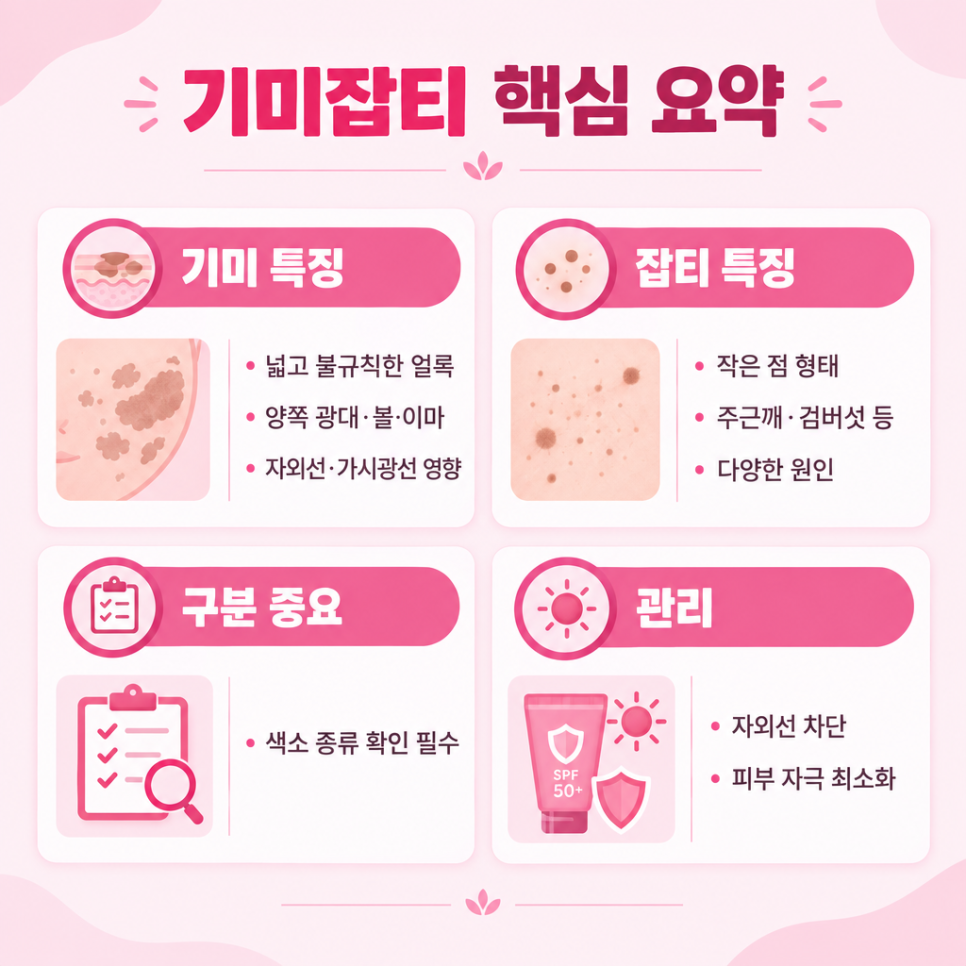
    Injection sites, dosage, number of sessions, and intervals between treatments can vary depending on individual skin condition and goals.

    collagen skin booster related image 11

    Precautions
    · As with any injection procedure, temporary redness, swelling, bruising, or pain may occur.
    · Recovery can vary from person to person.
    · Be sure to inform your provider in advance about any medications you’re taking, allergy history, and past treatment history.

    collagen skin booster related image 12

    Summary
    · Oral collagen: food/health functional food, taken by ingestion
    · Collagen cosmetics: applied to the skin’s surface
    · Atelofill: Type I atelocollagen-based tissue filler, MFDS-approved medical device

    Skin aging isn’t a change that starts suddenly overnight.
    Over time, the environment that supports the skin gradually shifts, and that shift is what shows up as reduced firmness, fine lines, and volume changes.

    collagen skin booster related image 13

    Rather than choosing a treatment simply because it’s trending, it’s important to fully review your current skin condition, facial structure, and desired outcome, and consult with a provider.
    If you’d like to learn more about approaches that also take dermal collagen into account, you can find more information at the Atelofill Collagen Skin Research Institute homepage.

    collagen skin booster related image 14


    Frequently Asked Questions

    1. Is Atelofill the same as a hyaluronic acid filler?
    They can’t be considered the same product. The main ingredients and product characteristics differ, so a provider’s judgment is needed based on your desired outcome and treatment area.

    2. Is one treatment session enough?
    It’s difficult to set a single number of sessions or interval that applies to everyone. This can vary depending on skin condition, treatment area, injected volume, and individual response, so it’s best to build a plan through consultation.

    3. Can it be applied the same way across the whole face?
    It isn’t applied the same way to every area. Your provider needs to determine the appropriate area and method based on skin thickness, tissue condition, and areas of concern.

    4. Can I resume normal activities right after treatment?
    This varies by individual, but redness, swelling, or bruising may appear at the injection site. If you have an important event coming up, it’s best to plan your treatment date with the recovery period in mind.

    5. What’s the difference between a collagen skin booster and a regular filler?
    The main ingredients used and how they act within the tissue differ. An approach that replenishes collagen itself and an approach that uses other substances differ in purpose and characteristics, so it’s best to consult a provider to find what suits you.


    References

    · Hidoc, “Atelocollagen for Restoring Muscle and Cartilage… ‘Emerging as a Key Material in Regenerative Medicine,’” Hidoc, 2026. View source
    · Raportian, “Dalim Tissen Enters the Aesthetic Market with ‘Atelofill,’ Built on Its Collagen Research Technology,” Raportian, 2026. View source

    This article is intended for general health information purposes only and is not a substitute for individual diagnosis or treatment. If you have symptoms, please consult a qualified healthcare provider.