Many people notice their face turning red and flaking with white scales whenever the seasons change.
Most of the time, this is simply temporary dryness. But if scaling keeps building up over red patches in the same spot again and again, that’s a different story.
Rather than plain dry skin, it may be worth considering a chronic inflammatory skin condition — including facial psoriasis.
This article explains how facial psoriasis shows up around the forehead, eyebrows, and hairline, along with the most common psoriasis symptoms and causes.
We’ll also look at why symptoms tend to worsen with seasonal changes, the treatment options — topical treatment, phototherapy, and systemic treatment — and everyday management tips.
What Is Psoriasis?
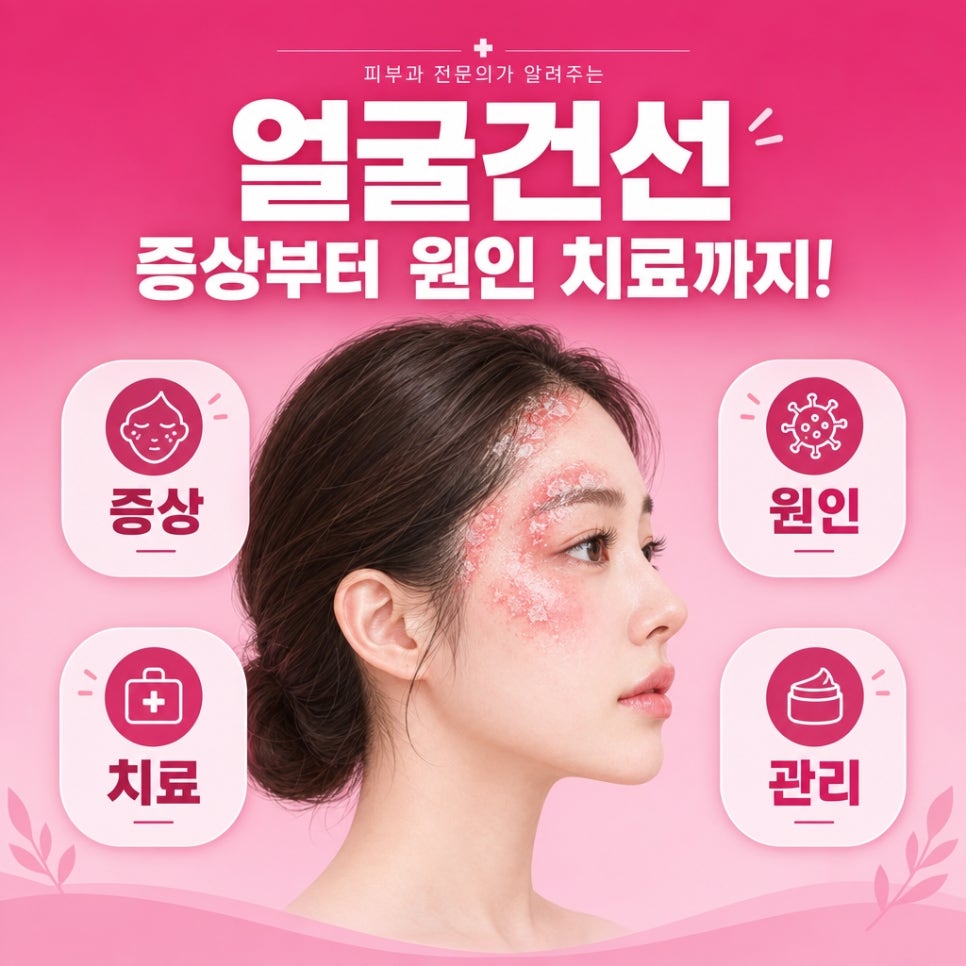
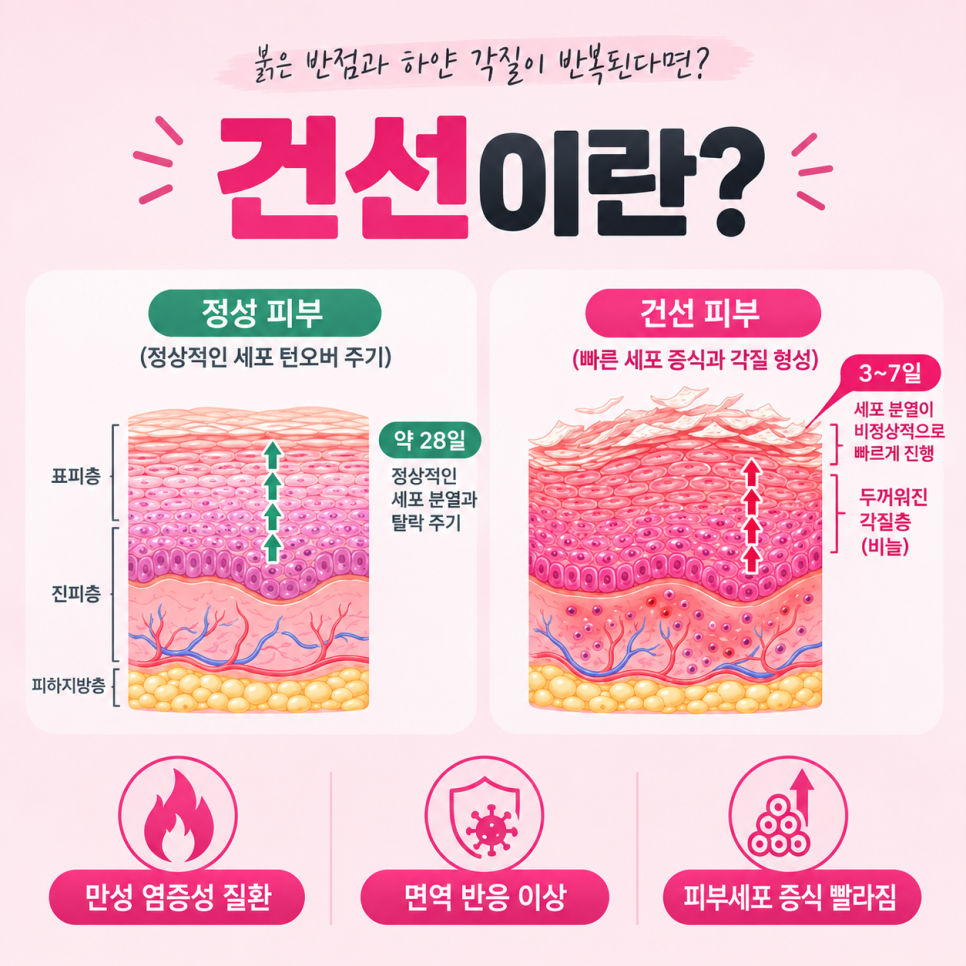
To put it simply, psoriasis is a chronic condition in which an overactive immune response causes skin cells to multiply abnormally fast, leading to recurring inflammation and scaling.
In normal skin, cells are generated and shed on a steady cycle, but in psoriasis this process speeds up, causing thick scales to build up on the surface.
It commonly appears on the elbows, knees, and scalp, but can show up on many areas of the body, and the extent and pattern of the patches vary from person to person.
✔ Psoriasis is a chronic inflammatory skin condition caused by immune system dysfunction.
✔ It is not contagious and cannot be spread through contact.
Above all, it’s important to remember that psoriasis is not contagious.
Even though the patches may be visible, they cannot be passed to others through contact.
Is Dry Skin the Cause of Psoriasis?
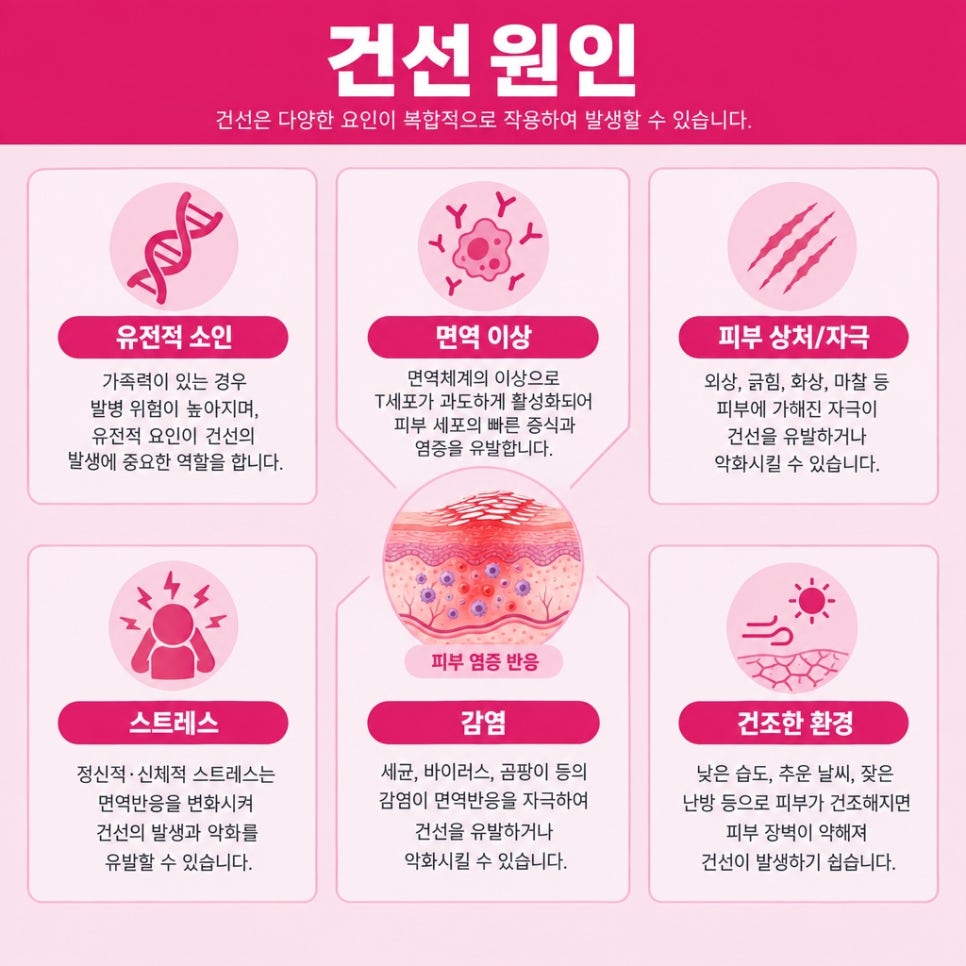
Many people assume dryness alone causes psoriasis, but dryness itself is not a direct cause.
The causes of psoriasis are understood to involve a combination of genetic predisposition, immune system factors, and environmental triggers.
According to Seoul Asan Hospital’s disease encyclopedia, having a family history of psoriasis is linked to a higher likelihood of developing it, pointing to a genetic component.
The following factors may influence the onset or worsening of symptoms:
- Repeated friction or injury to the skin
- Certain infections
- Excessive stress
- Alcohol consumption and smoking
- Lack of sleep and irregular routines
- Cold, dry environments
- Certain medications (effects vary by individual)
In people with psoriasis, new patches can sometimes form at sites where the skin has been scratched or injured.
It’s best to avoid forcibly picking at scales or rubbing the skin too hard.
How Are Facial Psoriasis Symptoms Different From Other Skin Conditions?
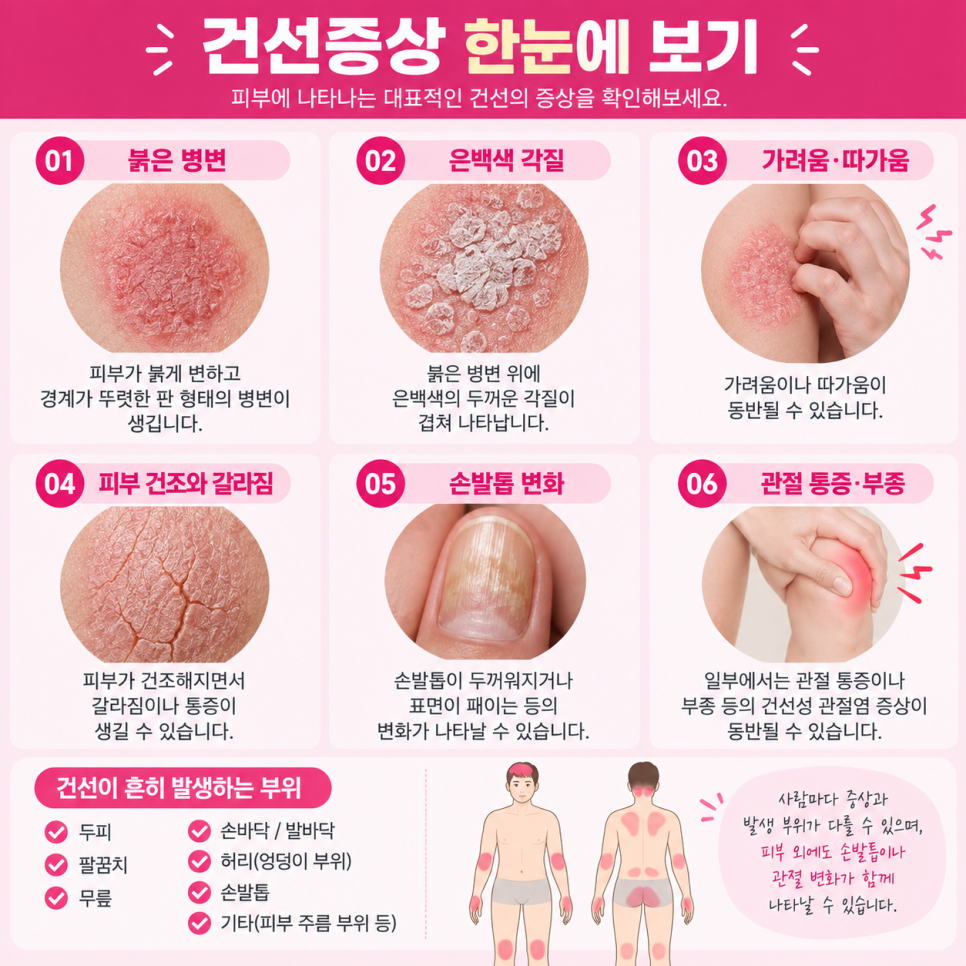
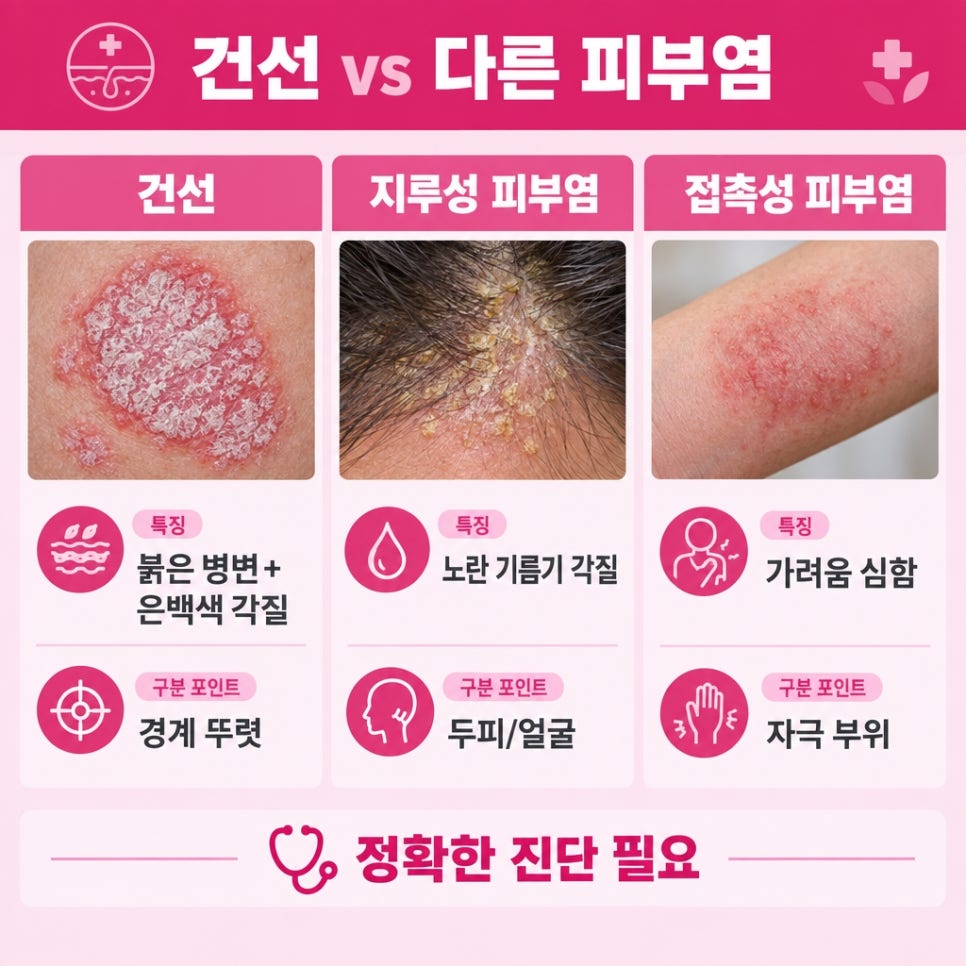
In short, facial psoriasis symptoms typically appear as recurring red patches and scaling along the hairline, around the eyebrows, and near the ears.
Facial psoriasis refers to well-defined red patches topped with silvery-white scales that appear where the scalp meets the face, or around the eyebrows and ears.
That said, not all facial scaling is facial psoriasis.
Dry skin dermatitis, seborrheic dermatitis, and contact dermatitis can all cause similar-looking symptoms.
| Category | Facial Psoriasis | Seborrheic Dermatitis |
|---|---|---|
| Border of patches | Relatively well-defined | Tends to be less defined |
| Scale color | Silvery-white to white | Yellowish, greasy |
| Main areas | Hairline, around eyebrows and ears | Sides of the nose, eyebrows, scalp overall |
Why Symptoms Feel Worse During Seasonal Changes

During periods of rapid temperature and humidity shifts, like fall, increased moisture loss from the skin can make dryness and itching worse.
Repeatedly scratching itchy skin adds further irritation, which can aggravate symptoms.
When day-to-night temperature swings are large, changes in sleep patterns and overall condition are also thought to influence symptoms.
How Should You Approach Psoriasis Treatment and Seasonal Skin Care?
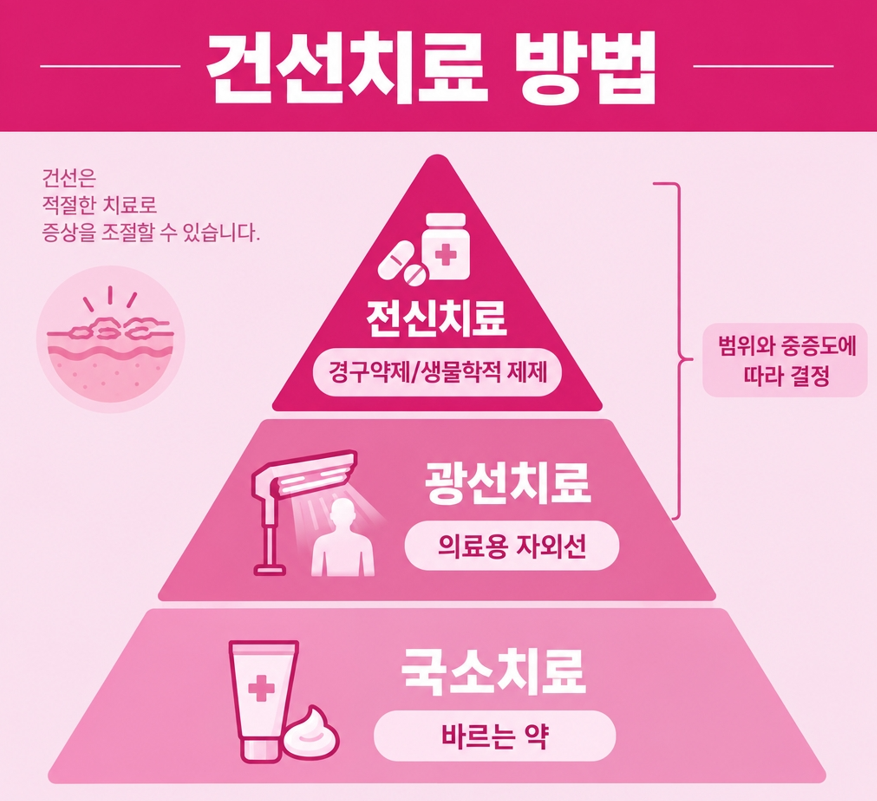
Psoriasis treatment varies depending on the location, extent, and severity of the patches, and no single approach applies to every patient the same way.
Psoriasis treatment generally means choosing from topical treatment, phototherapy, or systemic treatment based on the individual’s condition.
When the affected area is limited, topical medication is typically used, sometimes alongside medical-grade UV phototherapy.
When the condition is more extensive or severe, systemic treatment — including oral medications or biologics — may be considered.
Daily Management Checklist
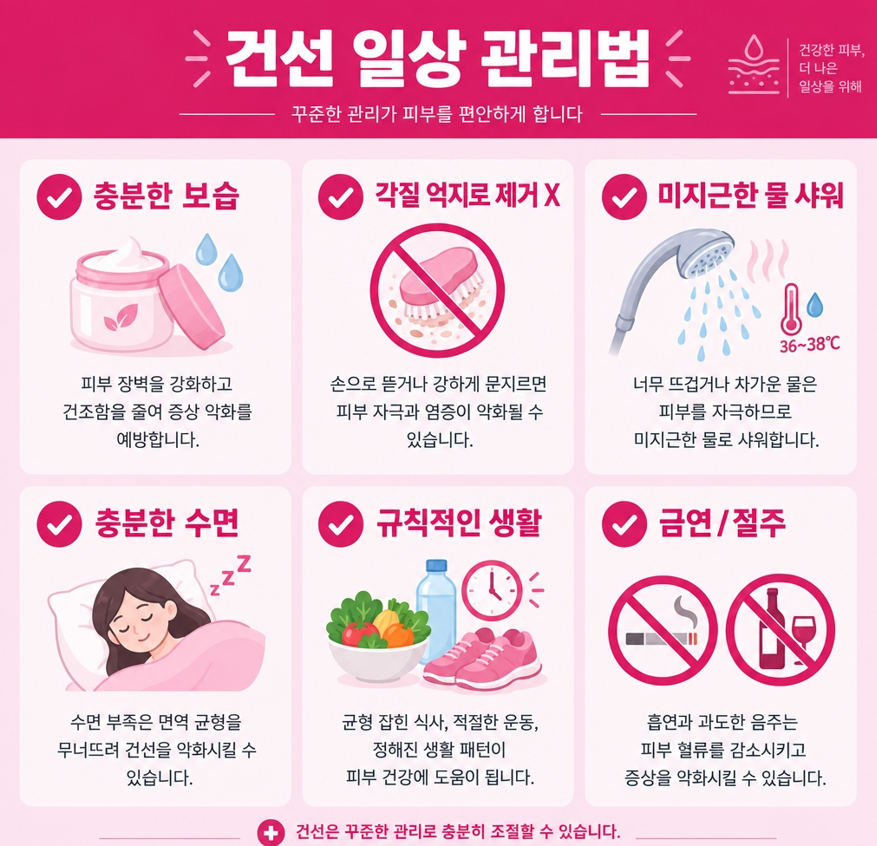
✅ Apply moisturizer generously right after showering, before skin fully dries
✅ Avoid forcibly picking at scales
✅ Keep showers short and use lukewarm water
✅ Get enough sleep and maintain a regular routine
✅ Limit UV exposure to what’s supervised by a medical professional
Increased scaling during seasonal changes doesn’t automatically mean psoriasis, but if red patches and scaling keep recurring in the same spot, it’s worth considering more than simple dryness.
Because psoriasis is a chronic condition that cycles between improvement and flare-ups, understanding your current condition and managing it consistently matters.
If you suspect facial psoriasis, it’s best not to self-diagnose — get an accurate diagnosis from a medical professional and discuss a treatment approach suited to your specific symptoms and extent.
If you’d like ongoing guidance on skin moisturizing and minimizing irritation, you can also check out the Atelofill Collagen Skin Lab homepage for information that supports skin barrier care.

Frequently Asked Questions
1. If I get red, scaly patches on my face, does that always mean facial psoriasis?
No. Seborrheic dermatitis, contact dermatitis, and eczema can also cause redness and scaling on the face, so if symptoms keep recurring or don’t improve, an accurate diagnosis is needed.
2. Is psoriasis contagious?
Psoriasis is not an infectious disease caused by bacteria or viruses, so it cannot be spread through contact.
3. Should I remove psoriasis scales?
Forcibly picking at or rubbing visible scales can cause irritation, so it’s best avoided. Moisturize adequately and talk to a medical professional about any treatment you may need.
4. When should I see a doctor?
If patches spread quickly, if itching or pain interferes with daily life, or if joint swelling and stiffness occur alongside the skin symptoms, it’s a good idea to get checked out.
References
· Seoul Asan Hospital, “Psoriasis,” Disease Encyclopedia, Seoul Asan Hospital. View source
· Korea Disease Control and Prevention Agency, “Psoriasis,” National Health Information Portal, KDCA. View source
· Seoul National University Bundang Hospital, “Psoriasis Symptoms and Treatment,” Medical Information, Seoul National University Bundang Hospital. View source
This article is intended for general health information purposes only and is not a substitute for individual diagnosis or treatment. If you have symptoms, please consult a healthcare professional.
Leave a Reply