Tag: Sun Protection

  • Neck Wrinkles: 5 Care Tips to Treat Your Neck Like Your Face

    Neck Wrinkles: 5 Care Tips to Treat Your Neck Like Your Face

    SummaryHere are 5 ways to care for neck wrinkles. Neck wrinkles develop from a combination of sun exposure, dryness, repeated posture habits, and structural changes in the skin, and collagen is reported to decline by about 1% every year starting in the mid-20s. Discover prevention habits — sun protection, moisturizing, and posture care — that treat your neck just as consistently as your face.

    how to care for neck wrinkles

    Have you ever finished washing your face, looked in the mirror, and felt happy with your complexion — only to notice the horizontal lines on your neck standing out?

    It’s easy to carefully apply toner and cream to your face while skipping your neck entirely.
    And in drier seasons, fine lines and rough texture tend to show up more noticeably than usual.

    Let’s take a closer look at why neck wrinkles form and how to start a neck wrinkle care routine.
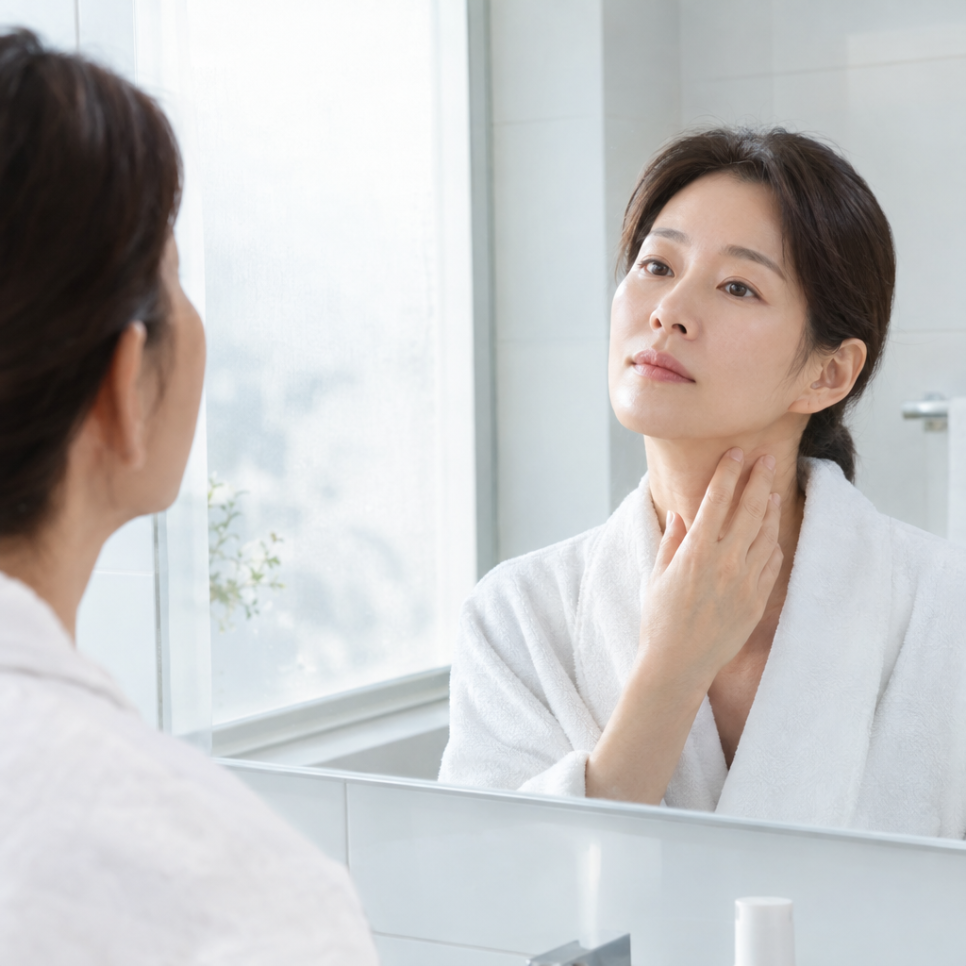
    neck wrinkle care - image 2

    Key Takeaways
    The foundation of neck wrinkle care is applying sun protection, moisturizer, and mindful posture habits to your neck just as consistently as you do your face.
    Reports suggest that skin collagen declines by about 1% each year starting in the mid-20s, and that tilting your head forward around 30 degrees to look at a smartphone can increase the load on your neck to roughly 18kg (about 40 lbs) — so it’s worth paying attention to everyday posture and care habits.
    Because deep, established neck wrinkles are difficult to fully eliminate with cosmetics or massage alone, prevention and consistent lifestyle habits matter even more.

    neck wrinkle care - image 3

    Why Do Neck Wrinkles Form?

    Neck wrinkles don’t form from aging alone — they result from a combination of posture, sun exposure, dryness, and skin aging.

    Neck wrinkles are horizontal lines that develop when repetitive neck movement, external stressors, and internal skin aging act together.

    Repeatedly tilting your head down to look at a smartphone or laptop for long periods causes the skin to fold in the same spot over and over.
    That said, it’s more accurate to view smartphone use as one factor that makes existing wrinkle lines more noticeable, rather than concluding that phone use alone causes neck wrinkles.

    neck wrinkle care - image 4

    Many people apply sunscreen carefully to their face but forget their neck.
    Long-term UV exposure can lead to photoaging, which may also affect the structures that help skin maintain its elasticity.

    Excessive exposure can accelerate skin aging and may lead to health risks such as skin cancer.

    Korea’s Ministry of Food and Drug Safety (MFDS) explained this while guiding proper sunscreen use.
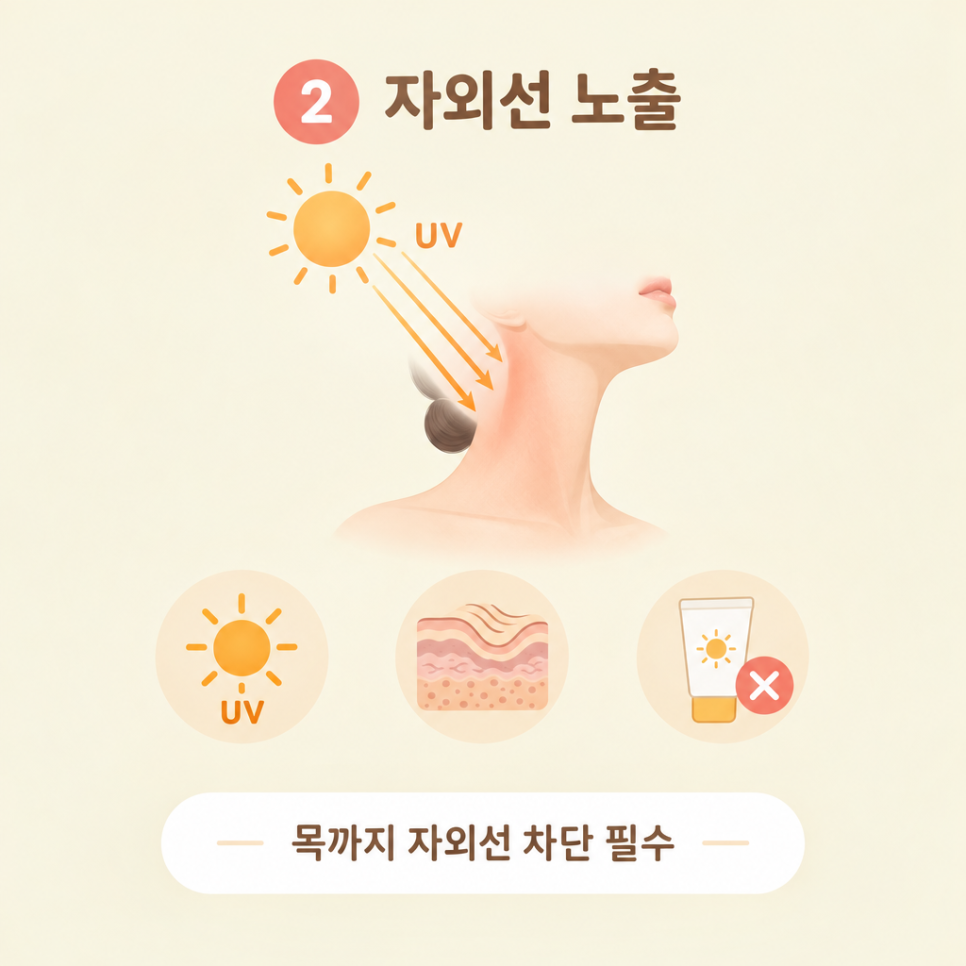
    neck wrinkle care - image 5

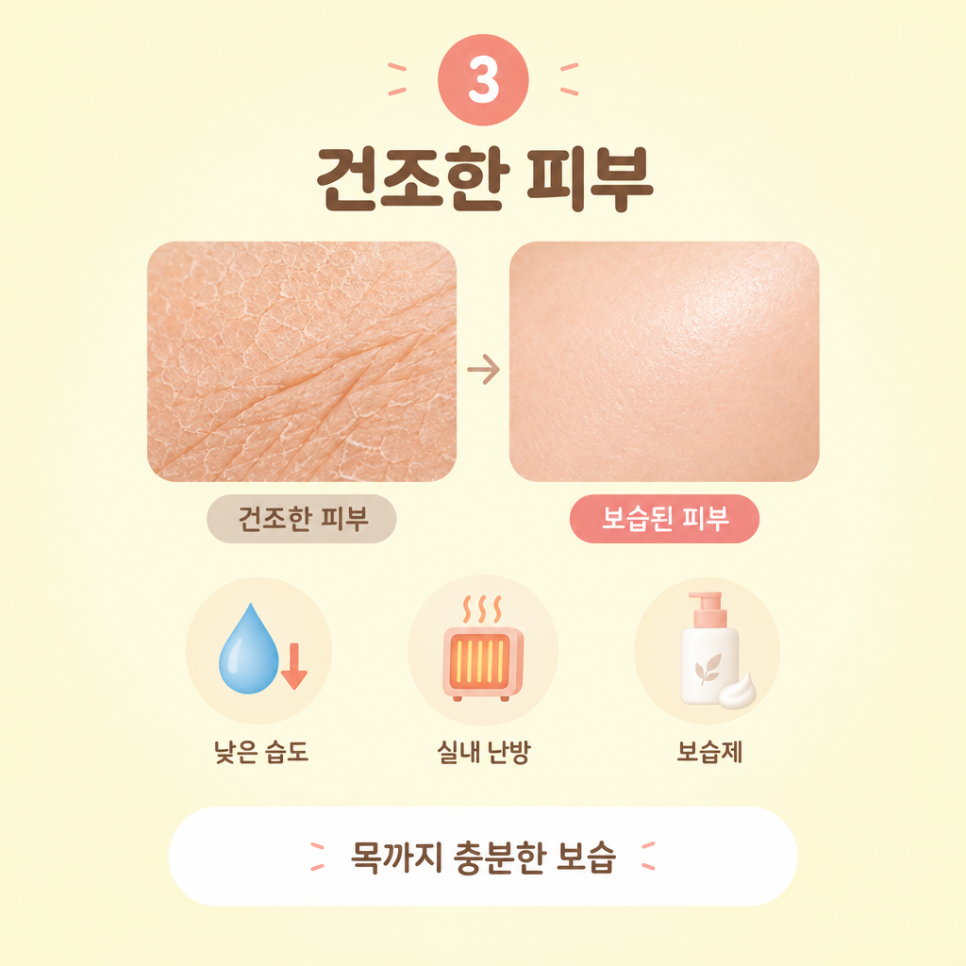
    When skin is dry, fine surface lines and rough texture can appear more pronounced than usual.
    In fall and winter, lower humidity combined with indoor heating can easily dry out not just your face but your neck as well.
    neck wrinkle care - image 6

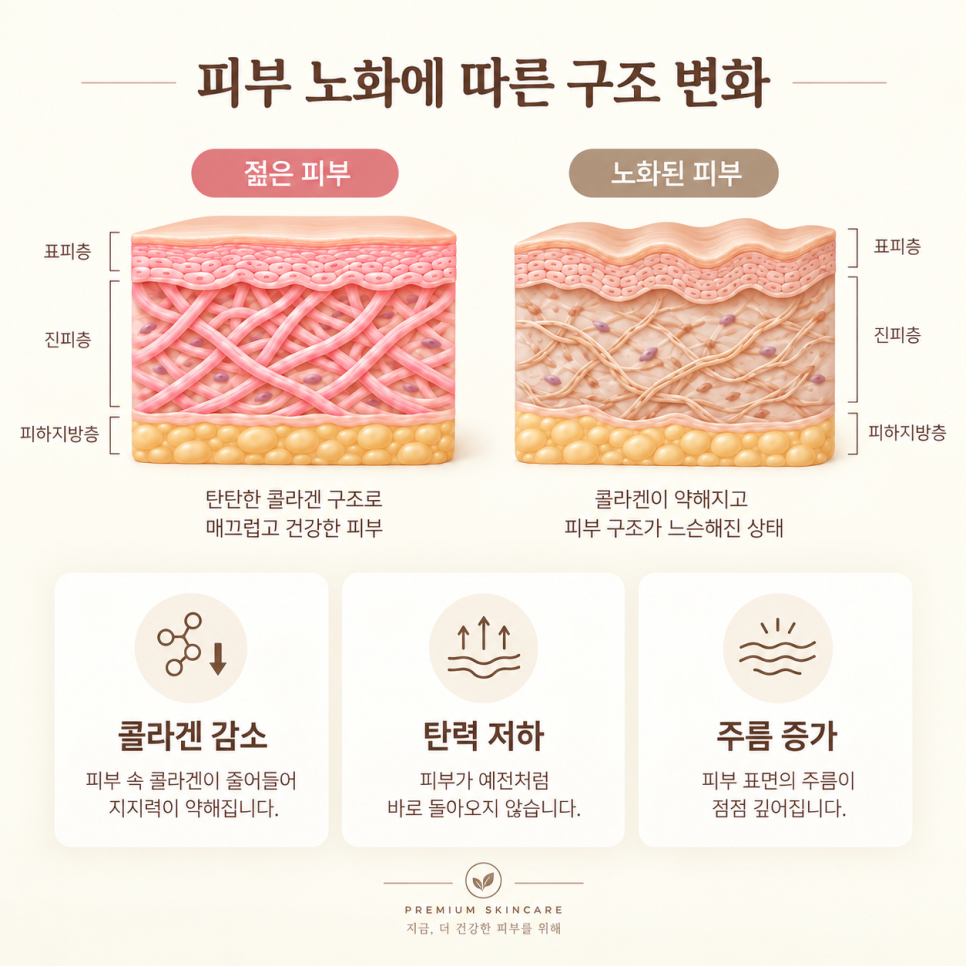
    As we age, the production and structure of collagen and elastin in the skin change.
    As the dermis loses supportive strength, elasticity declines — meaning neck wrinkles aren’t just a surface-level issue but a change that appears alongside internal aging.
    neck wrinkle care - image 7

    Cause Description
    Repeated posture Habit of looking down at a smartphone or laptop for long periods
    UV exposure Easy to forget sun protection on the neck
    Skin dryness Lack of moisture from low humidity and indoor heating
    Structural changes from aging Decreased collagen and elastin, reduced dermal support

    Why Does Collagen Matter for Neck Skin?

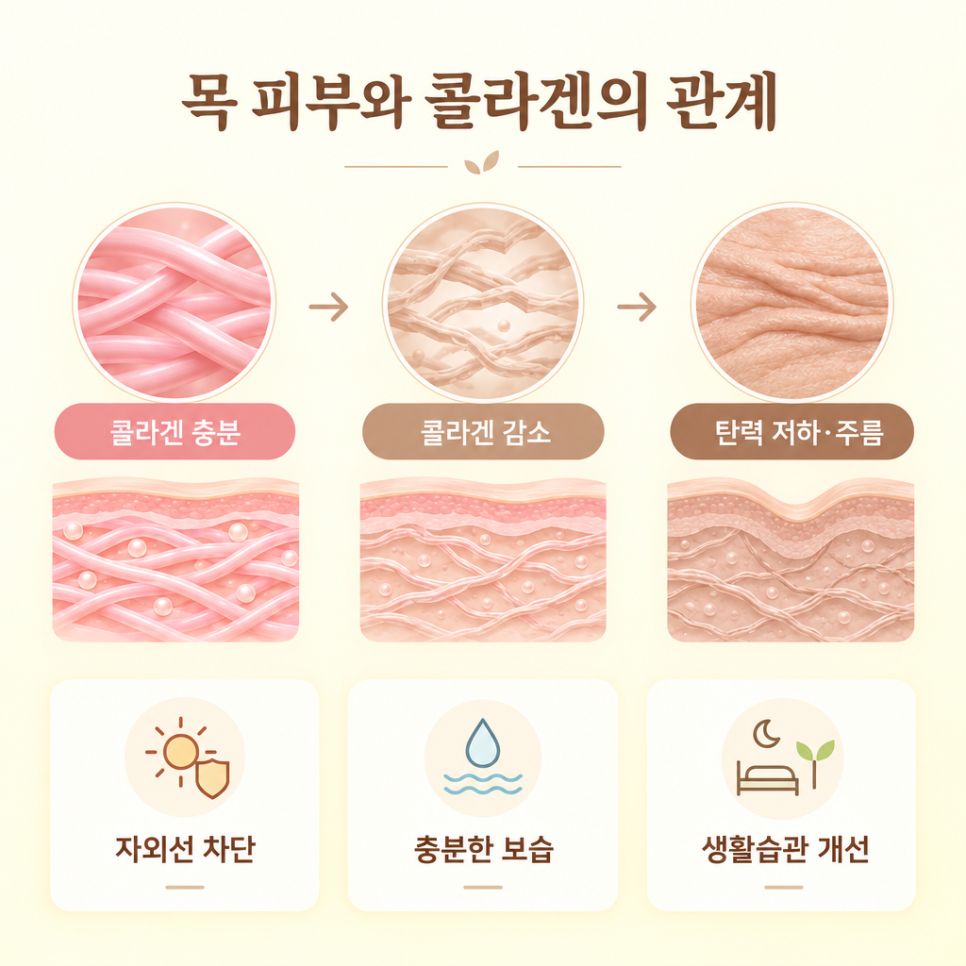
    Behind the loss of elasticity in neck skin lies a decline in collagen.

    Collagen is a key protein that makes up the skin’s dermis and helps maintain its structure and support.
    neck wrinkle care - image 8

    According to one media report, collagen is said to decline by about 1% per year starting in the mid-20s, dropping to roughly half of 20-something levels by the 40s and to about 10% of that level by the 70s.
    Other reports note that type I procollagen in skin over age 80 was measured at about 68% lower than in ages 18-29, and that dermal thickness in sun-protected areas can thin by up to 50% between ages 30 and 80.

    On top of this, repeated exposure to external factors like UV light can accelerate aging, making fine lines or deeper wrinkles more noticeable than before.

    Key Points
    ✔ Collagen is reported to naturally decline by about 1% per year starting in the mid-20s
    ✔ Reports suggest levels drop to about half by the 40s and to roughly 10% by the 70s, compared to the 20s
    ✔ Dermal thickness may thin by up to 50% between ages 30 and 80, according to reports

    Neck Wrinkle Care: Where Should You Start?

    The key isn’t trying a special technique once — it’s consistently repeating basic care.

    Neck wrinkle care means extending sun protection, moisturizing, and posture habits to your neck, just as you already do for your face.
    neck wrinkle care - image 9

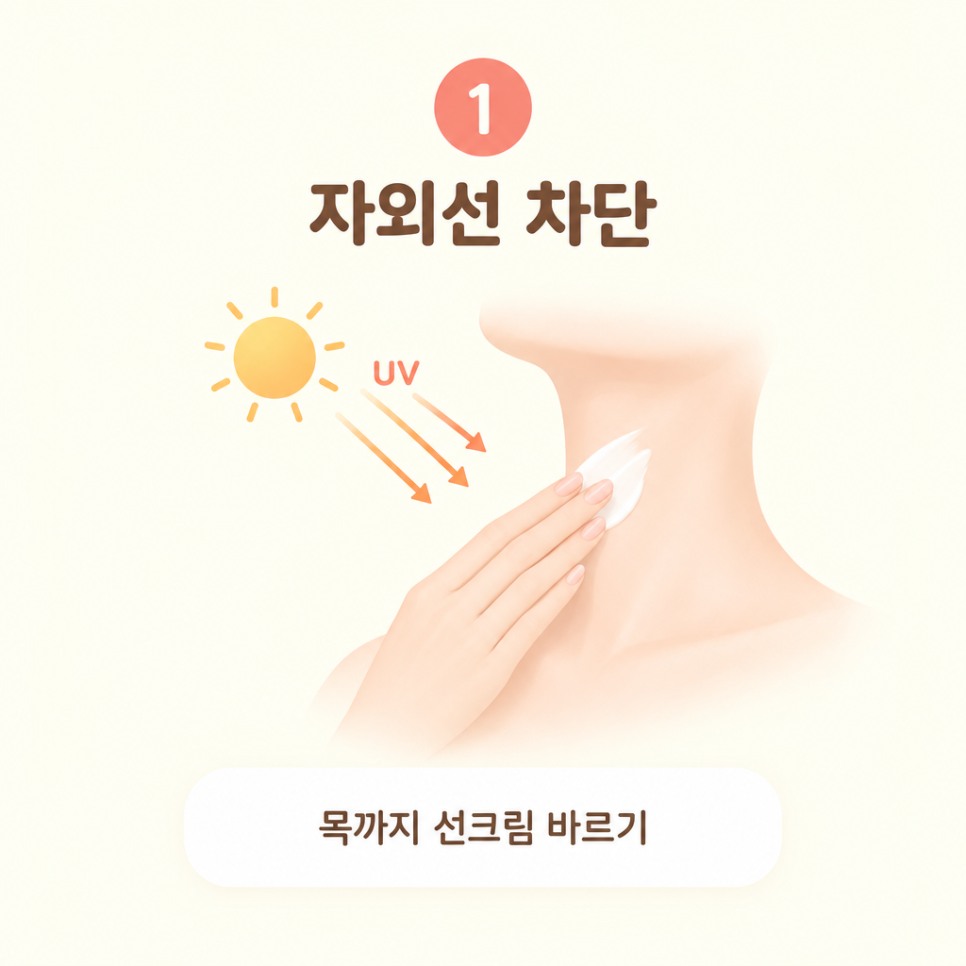
    ① When heading outside, apply sunscreen evenly to your neck as well as your face.
    If you’ve sweated heavily or spent a long time outdoors, reapply according to the product’s directions.
    neck wrinkle care - image 10

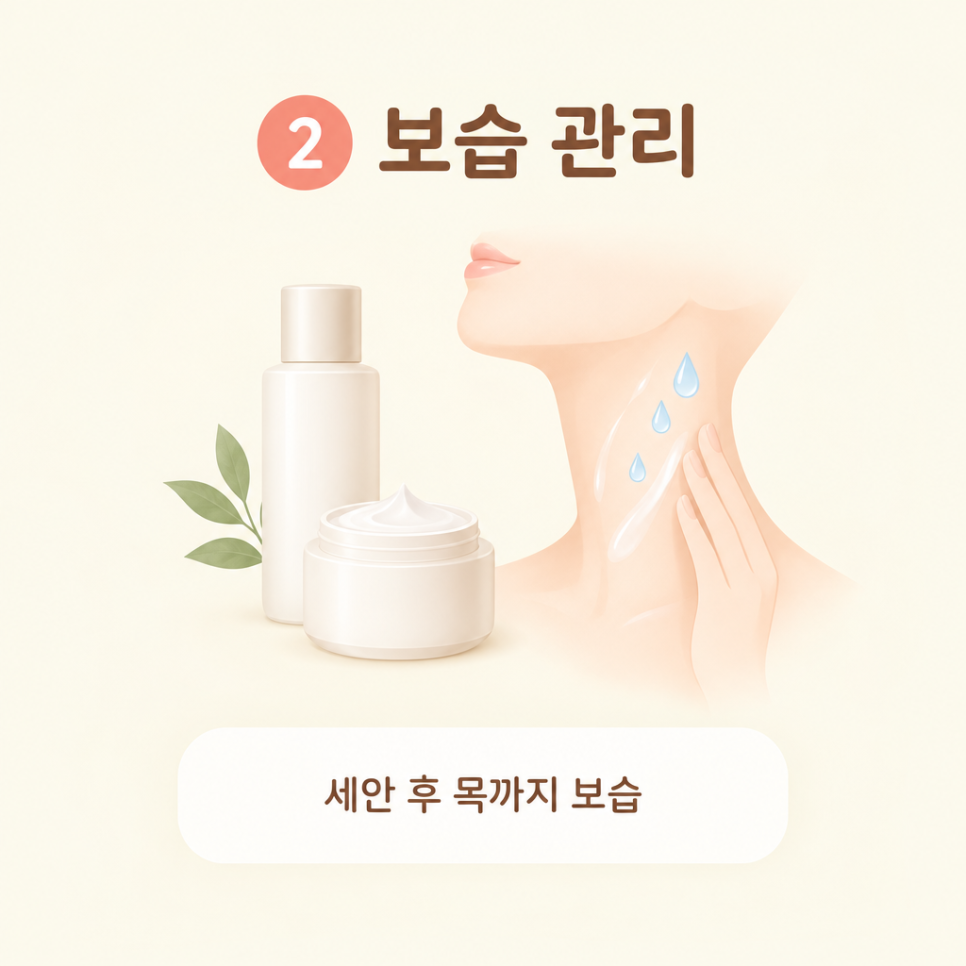
    ② After washing your face or showering, gently extend the moisturizer you use on your face down to your neck.
    An expensive neck-specific product isn’t necessary — any gentle, well-suited product that doesn’t irritate your skin is enough.

    neck wrinkle care - image 11

    ③ Hold your phone screen closer to eye level, and change position periodically instead of holding one posture for too long.
    An overly high pillow can also force your neck into an excessively bent position, so choose a height that suits your body.

    Caution
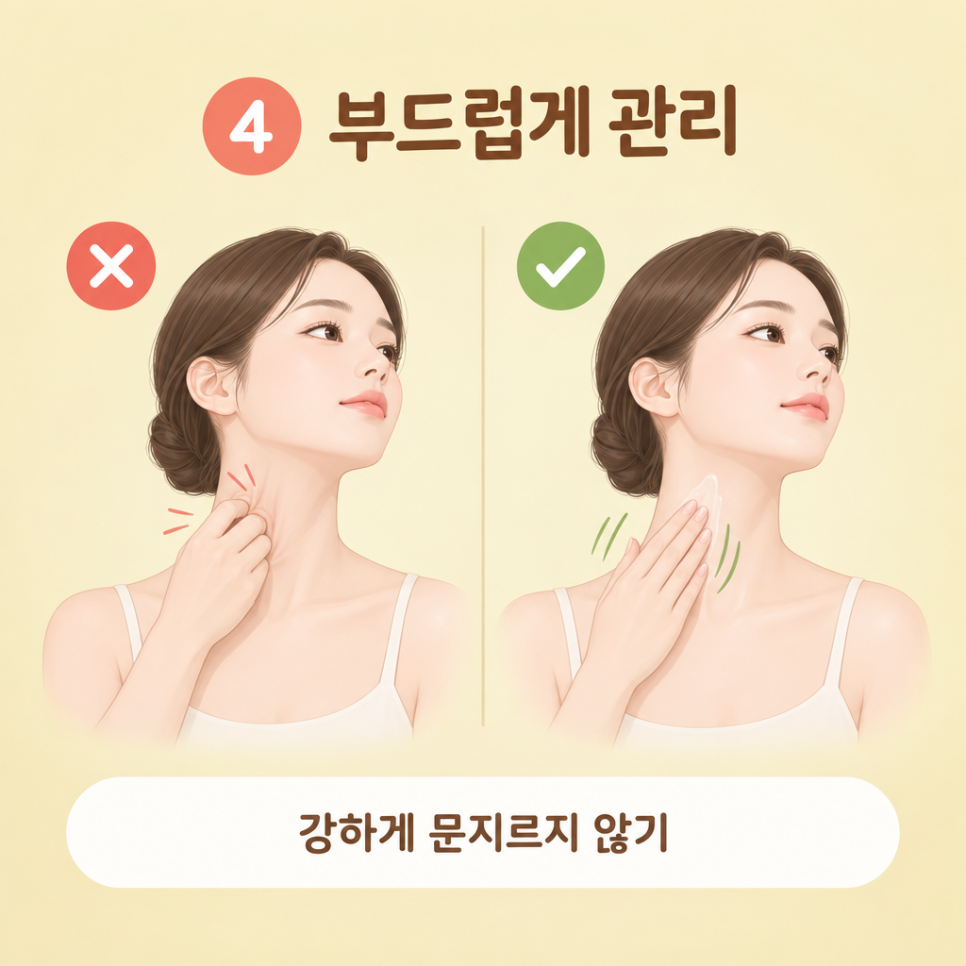
    Repeatedly pulling the skin tightly or massaging it too hard in an attempt to erase neck wrinkles can actually irritate the skin.
    When applying moisturizer, gently smooth it on rather than rubbing it in forcefully.
    neck wrinkle care - image 12

    ④ It’s also important not to expect that massage alone can eliminate neck wrinkles that are already deeply set.

    neck wrinkle care - image 13

    Checklist
    ✅ Apply sun protection to your neck when going outside
    ✅ Moisturize your neck after washing your face or showering
    ✅ Avoid tilting your head down for long periods
    ✅ Avoid rubbing your neck skin harshly
    ✅ Avoid smoking and maintain a balanced lifestyle

    Can Home Care Alone Get Rid of Neck Wrinkles?

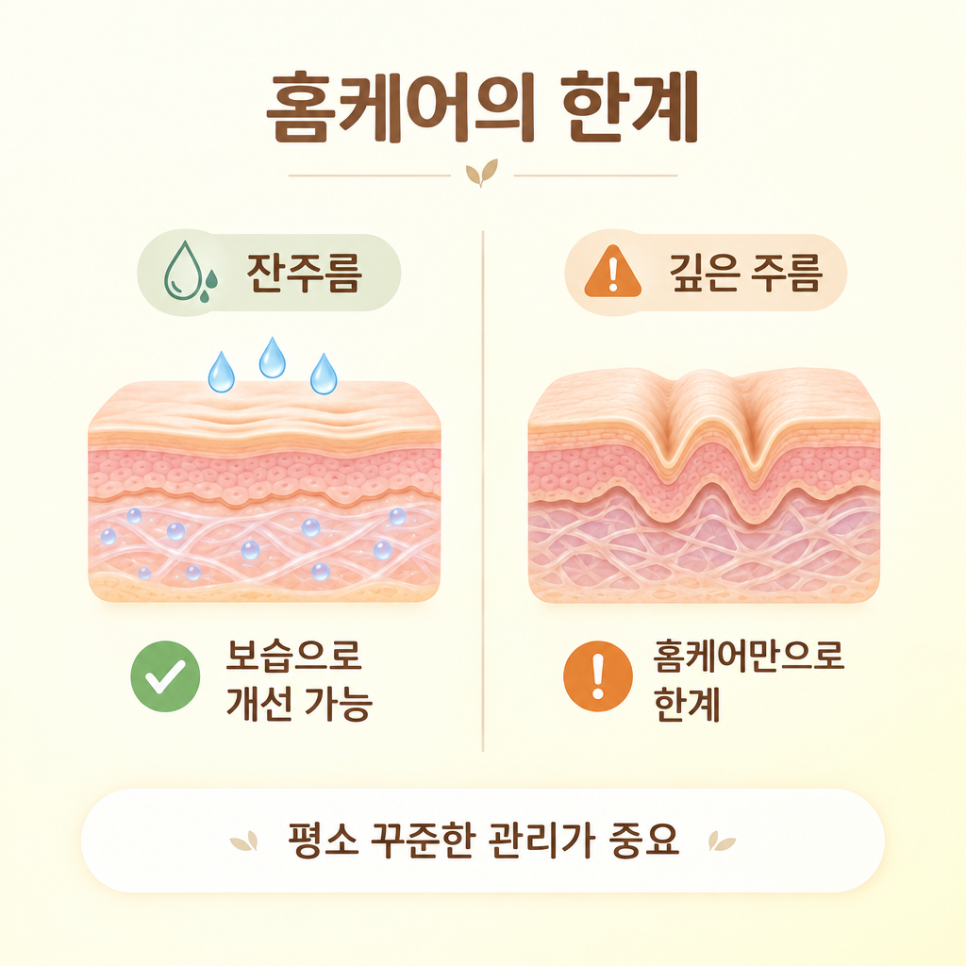
    It’s important to distinguish between fine lines made more visible by dryness and wrinkles that have already become deeply set.

    Home care refers to methods you can practice at home, such as moisturizing or massage.
    neck wrinkle care - image 14

    If fine lines look more pronounced because your skin is dry, they may appear less noticeable once your skin becomes hydrated after adequate moisturizing.

    However, wrinkles that have already become deeply set due to skin aging and structural changes are difficult to eliminate completely through home care alone, such as moisturizers or massage.

    Changes You May See With Consistent Care
    ✔ Fine lines and rough texture caused by dryness may be eased
    ✔ Aging-accelerating factors like UV exposure and friction can be reduced
    ✔ May help keep skin in a healthier overall condition

    Why You Should Care for Your Neck Just Like Your Face

    We tend to pay close attention to our facial skin while leaving the neck out of the routine almost entirely.

    But the neck is also continuously exposed to UV rays and outside conditions, and it’s an area where structure and elasticity change as we age.

    It’s enough to apply sunscreen to your neck whenever you apply it to your face, extend your moisturizer down to your neck after washing or showering, and cut back on prolonged head-down posture.

    Thinking of your face and neck as a single skincare zone is the most basic neck wrinkle care habit you can start in everyday life.

    neck wrinkle care - image 15

    If you’re curious about skin aging and collagen changes, you can find more detailed information on the Atelofill Collagen Skin Research Institute homepage.


    Frequently Asked Questions

    1. Can I use my facial sunscreen on my neck too?
    Generally, sunscreen made for the face can also be used on the neck. However, if you notice irritation or breakouts on your neck skin, stop use and check your skin’s condition.

    2. Do I need to use a neck-specific cream?
    A neck-specific product isn’t strictly necessary. If the moisturizer you’re already using suits your neck skin well, you can use it there too — consistent moisturizing and sun protection habits matter more than the specific product type.

    3. I’m in my 20s or 30s — does having neck wrinkles mean it’s aging?
    Not necessarily. Horizontal neck lines can appear even at a relatively young age, and various factors — skin characteristics, genetics, and repetitive neck movement or posture — can play a role.

    4. Once neck wrinkles form, are they permanent?
    It’s difficult to fully eliminate deep-set wrinkles with cosmetics or massage, but consistently maintaining sun protection, moisturizing, and good posture habits may help slow further deepening.


    References

    · The Korea Daily (LA), “The Secret to a Youthful Look Is Collagen… Declines 1% Every Year After Age 25,” The Korea Daily. View source
    · Lee Soon-yong, “UV Rays ‘Destroy Collagen and Elastin Fibers, Accelerating Skin Aging,’” Edaily, 2014. View source
    · Ministry of Food and Drug Safety (MFDS), “Sunscreen Works Better When Applied Correctly… What’s the Right Way to Use It?,” Korea Policy Briefing (korea.kr). View source
    · Jaseng Hospital of Korean Medicine, “Tilting Your Head to Look at Your Phone? Cervical Spine Load Up to 27kg,” Encyclopedia of Korean Medicine. View source


    This article is provided for general health information purposes only and is not a substitute for individual diagnosis or treatment. If you have symptoms, please consult a medical professional.
  • How to Get Rid of Melasma in 4 Steps: Melasma vs. Dark Spots First

    How to Get Rid of Melasma in 4 Steps: Melasma vs. Dark Spots First

    SummaryBefore you search for how to get rid of melasma, start by learning how to tell melasma apart from dark spots. Here’s a comparison of location, shape, and causes, plus a 4-step approach to managing pigmentation by type.

    how to get rid of melasma

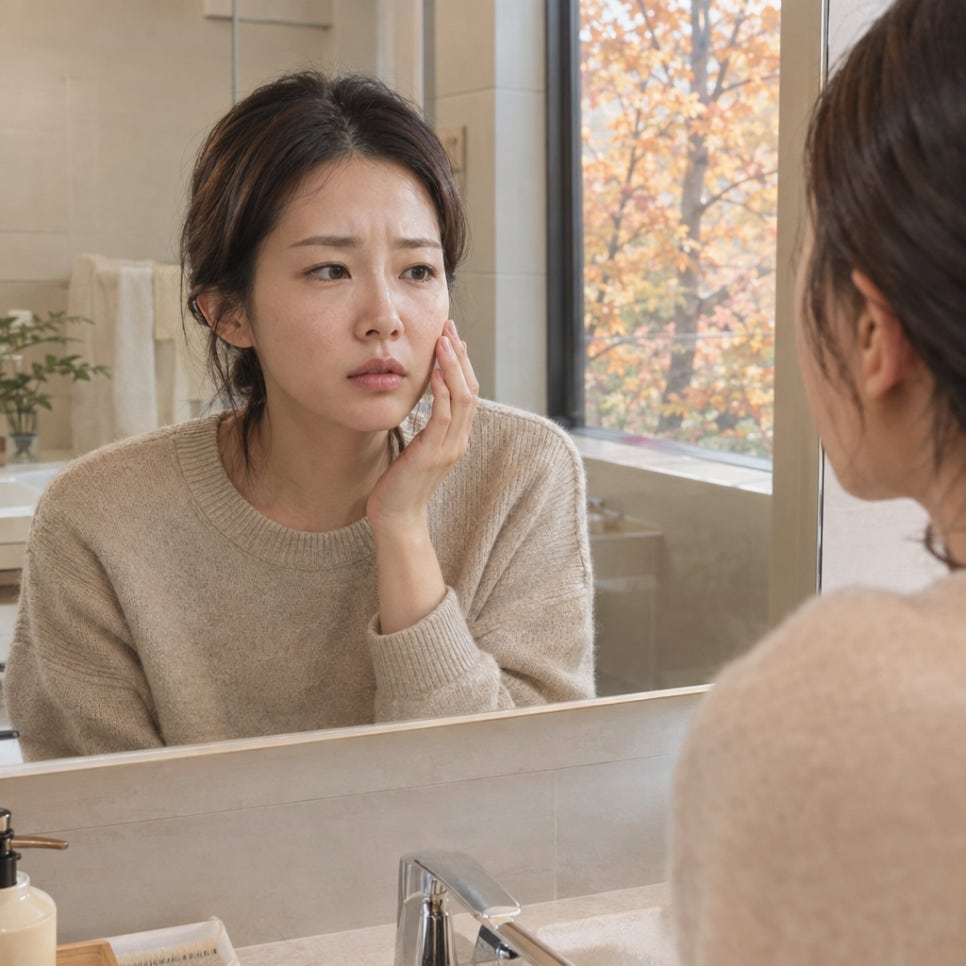
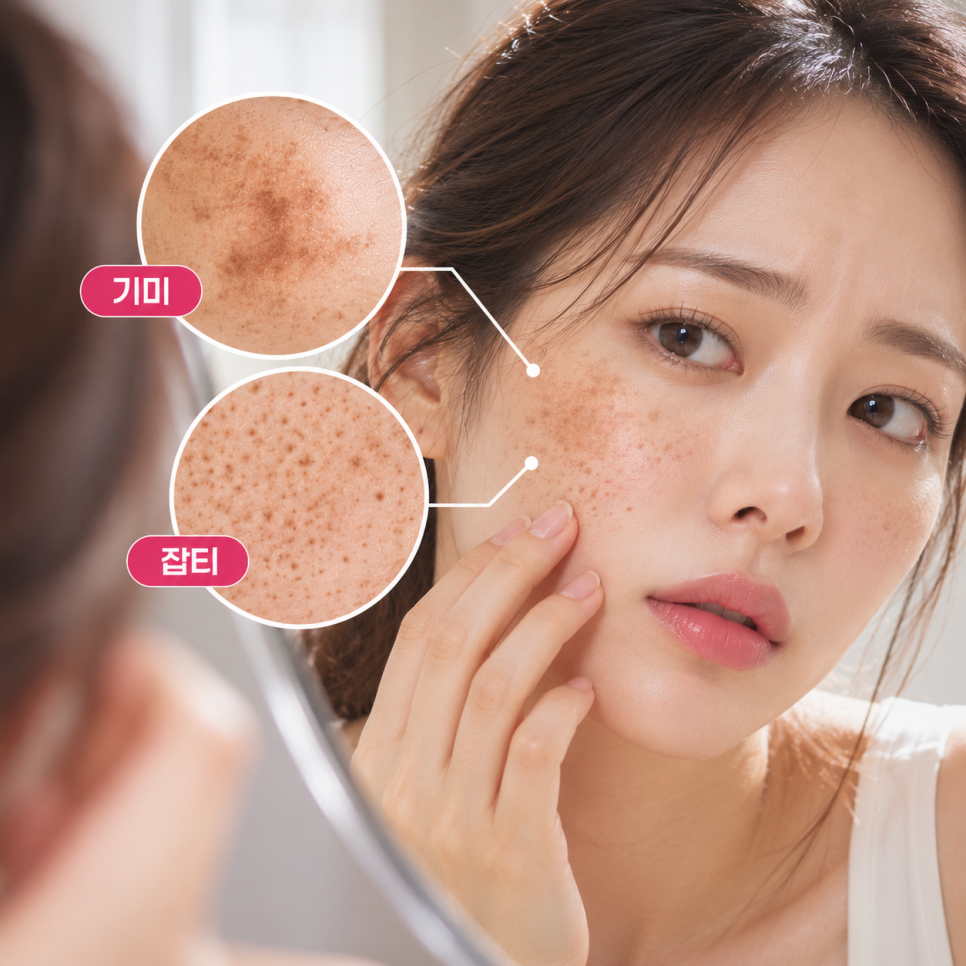
    Have you ever looked in the mirror at a brown patch spreading across your cheekbones

    and wondered, ‘Is this melasma, or just a dark spot?’

    They can look similar on the surface, but the right approach depends entirely on the type of pigment involved,
    so figuring out which one you’re dealing with comes before searching for how to get rid of melasma.

    Reaching for a brightening product without knowing the cause first can actually make it less effective.

    This article compares melasma and dark spots by location, shape, and cause,
    and breaks down how to get rid of melasma into a 4-step process — from identifying your pigment type to sun protection, reducing irritation, and considering targeted treatment.

    We’ve also included a pigment checklist you can use at home.

    how to get rid of melasma image 2

    how to get rid of melasma image 3

    What Exactly Is the Difference Between Melasma and Dark Spots?

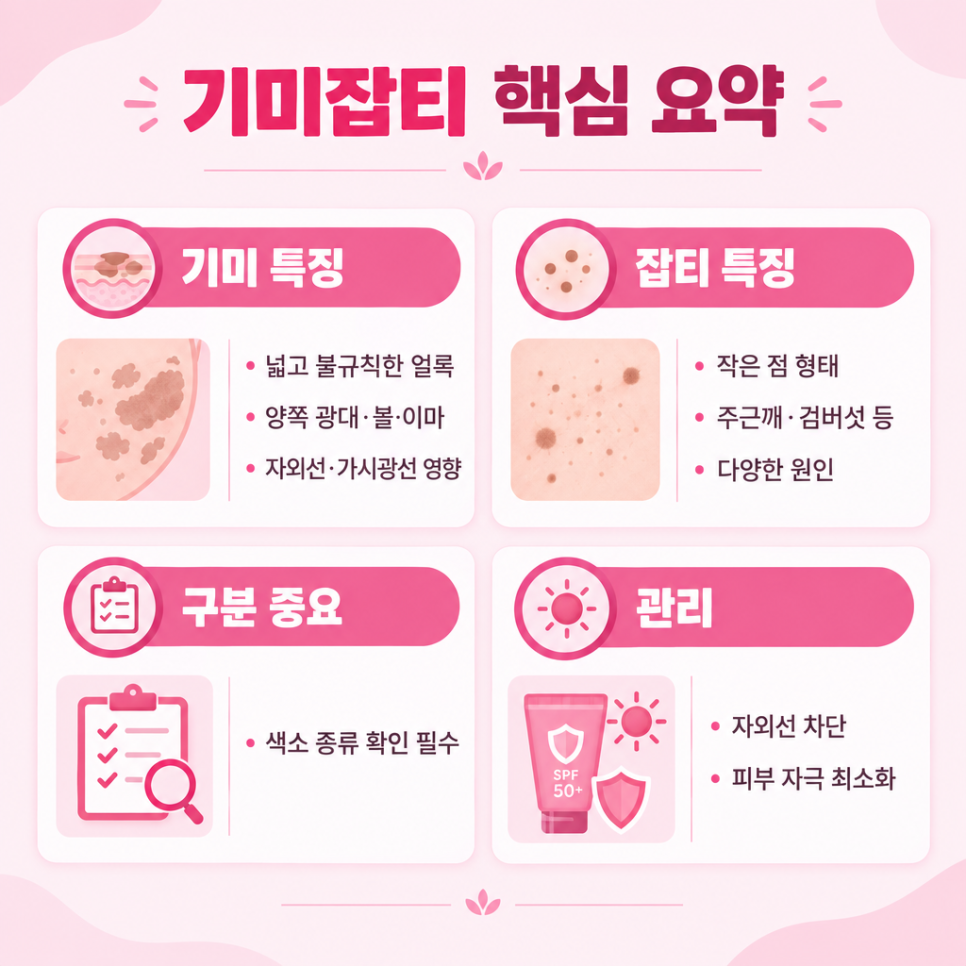
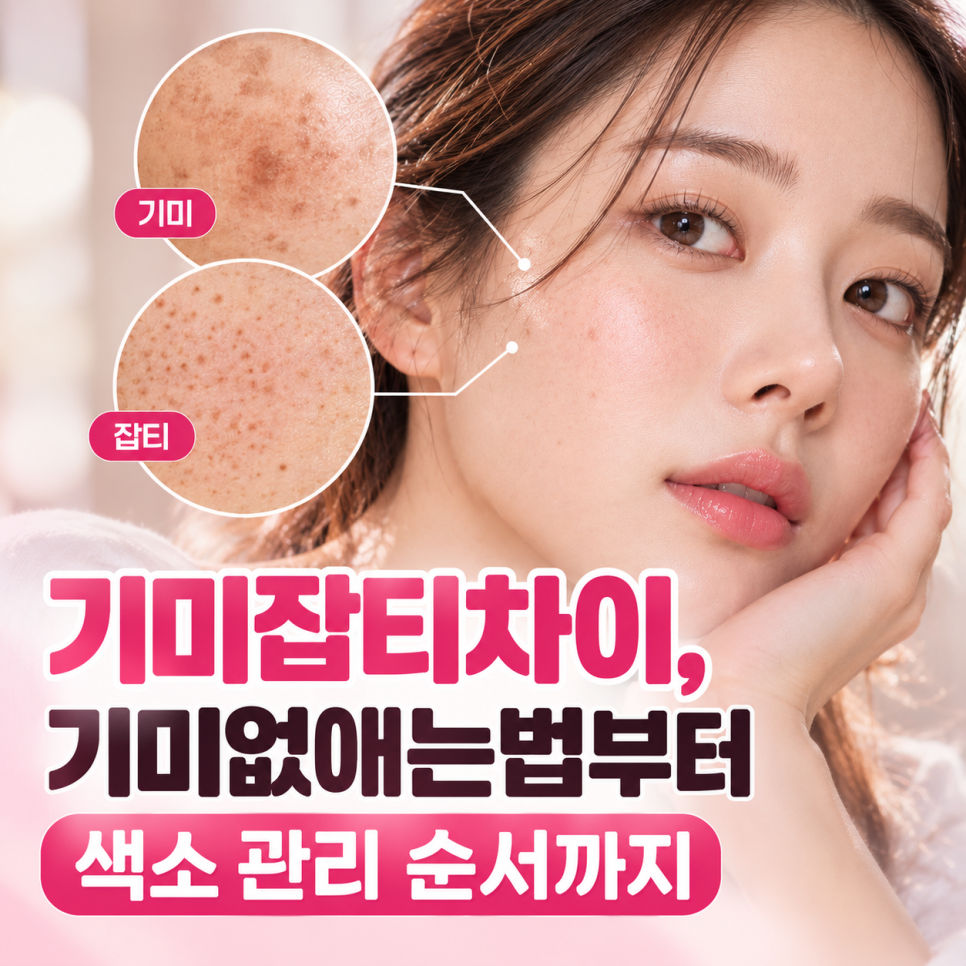
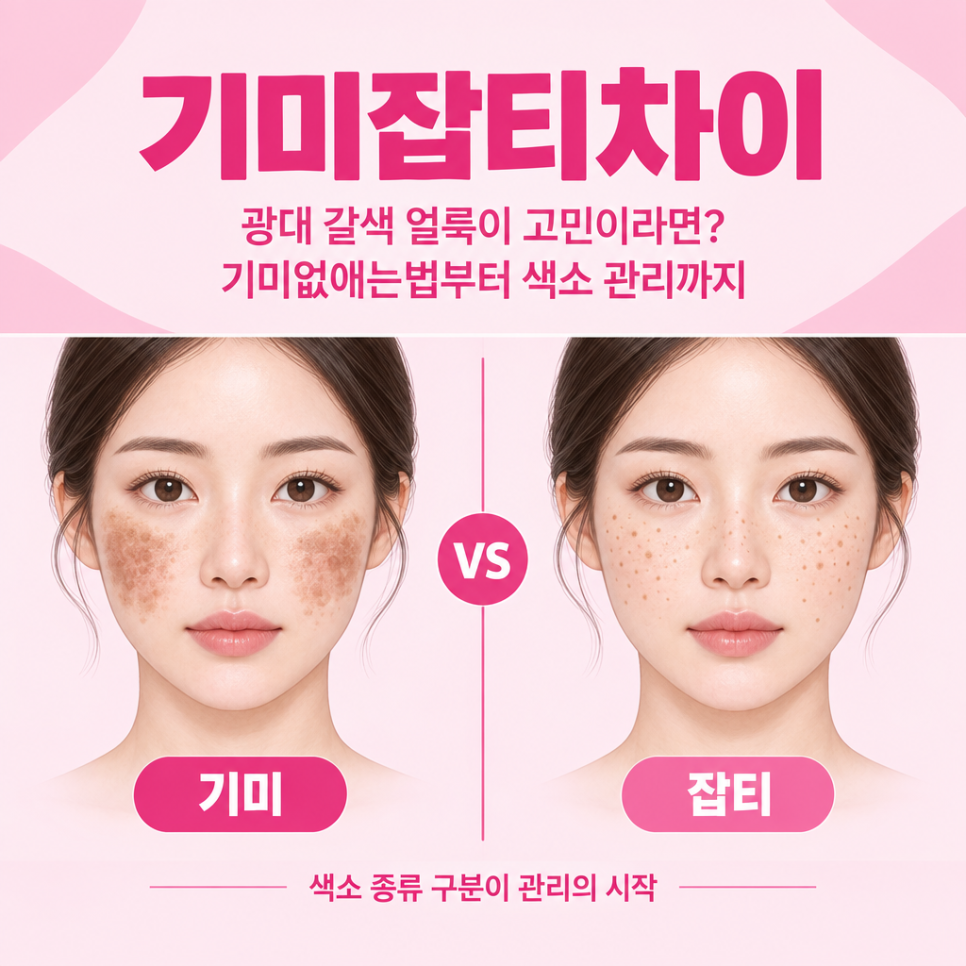
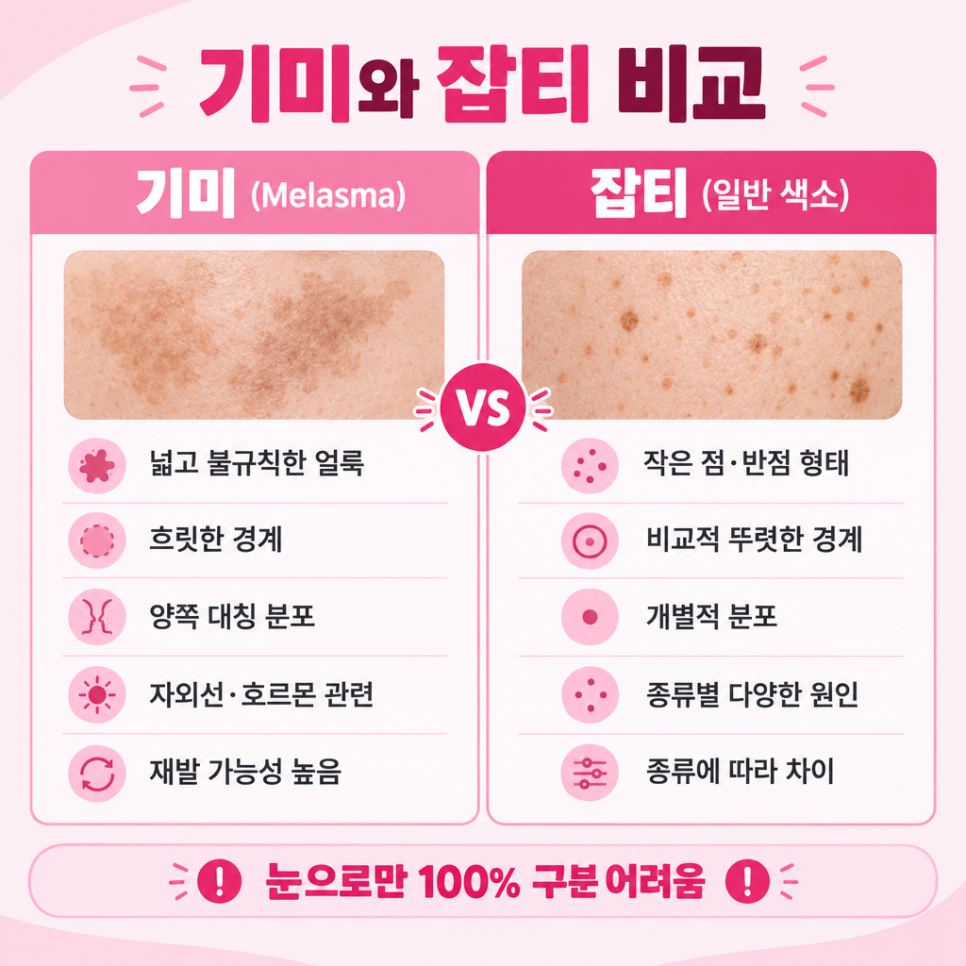
    To put it simply, melasma is a pigmentation condition that appears symmetrically on both sides of the face, while “dark spots” is more of an umbrella term covering several different types of pigmentation.

    how to get rid of melasma image 4

    Melasma is a pigmentation condition in which brown or grayish-brown patches appear as broad, ill-defined areas on both sides of the face — commonly on the forehead, cheekbones, cheeks, and around the nose.

    “Dark spots,” on the other hand, isn’t a specific diagnosis.
    It’s a general term for various types of facial pigmentation, including
    freckles, solar lentigo, and post-inflammatory hyperpigmentation.

    So seeing brown pigmentation on your skin
    doesn’t automatically mean it’s melasma.

    how to get rid of melasma image 5

    Category Melasma Dark Spots
    Shape Broad, irregular patches Often small dots or spots
    Border Can be relatively ill-defined Often relatively well-defined
    Distribution Symmetrical — both cheekbones, cheeks, forehead, etc. Can appear individually in specific areas
    Related factors Multiple factors — UV exposure, visible light, hormones, etc. Varies by type — UV exposure, inflammation, genetics, etc.
    Recurrence Can darken again Varies depending on the type
    Key Points
    ✔ Melasma and dark spots can be difficult to tell apart by sight alone.
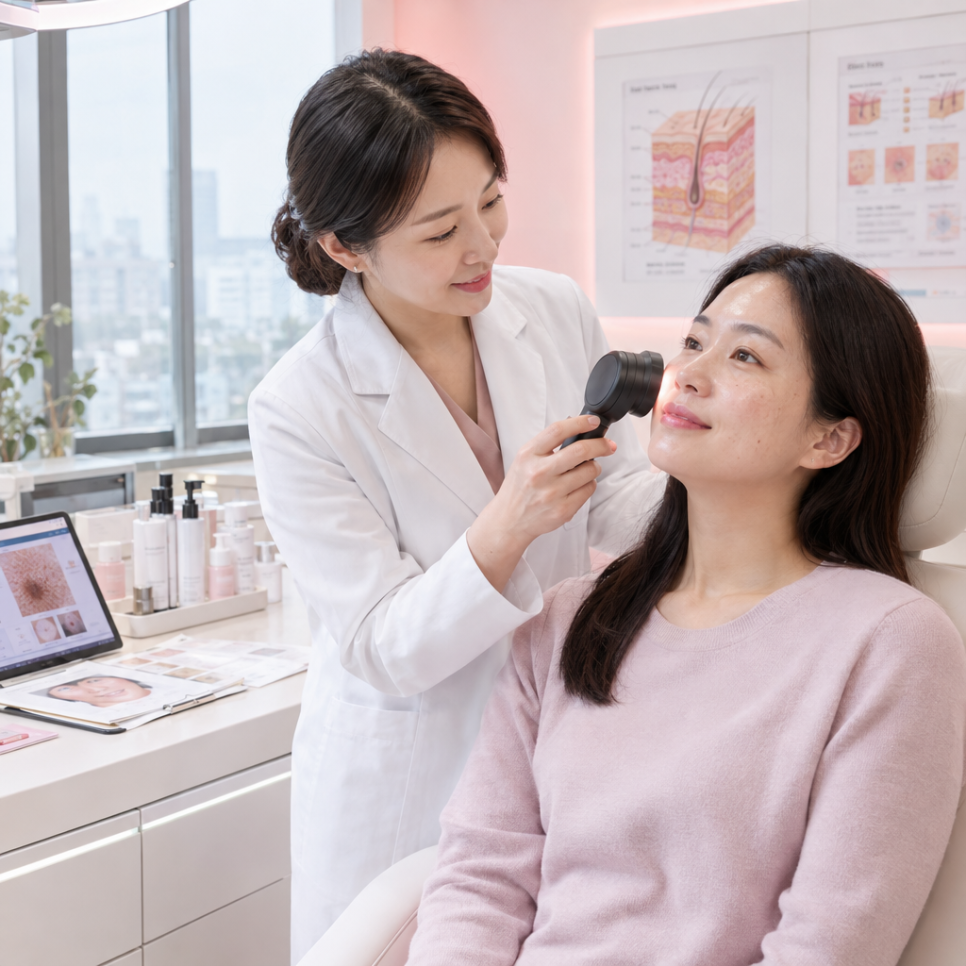
    ✔ Solar lentigo and post-inflammatory hyperpigmentation can sometimes resemble melasma, so a Wood’s lamp or dermoscopy may be used to assess pigment characteristics when needed.

    Where on the Face Does Melasma Appear, and What Does It Look Like?

    Melasma often appears as broad, ill-defined patches on both cheekbones or cheeks. If you notice small, well-defined spots scattered across your skin instead, that may point to freckles, solar lentigo, or another type of pigmentation.

    how to get rid of melasma image 6

    Melasma Checklist
    ✅ Appears similarly on both cheekbones
    ✅ Looks more like broad patches than dots
    ✅ Edges aren’t sharply defined
    ✅ Gets darker after sun exposure
    ✅ Also appears around the forehead, cheeks, nose, and upper lip

    That said, shape alone isn’t enough for an accurate diagnosis,
    so treat this checklist as a general reference rather than a definitive answer.


    What Causes Melasma?

    Melasma usually isn’t caused by a single factor — it tends to result from multiple factors acting together.

    how to get rid of melasma image 7

    1. UV and visible light — Repeated light exposure can stimulate pigment production and darken melasma.
    2. Hormonal changes — Melasma has also been linked to hormonal changes, such as those from pregnancy or oral contraceptive use.
    3. Skin irritation — Excessive exfoliation and irritating skincare products can make pigmentation more noticeable.
    Key Points
    ✔ Not just UV rays — visible light (especially blue light) can also stimulate melanocytes and worsen hyperpigmentation.
    ✔ That’s why, when looking into how to get rid of melasma, sun protection needs to go hand in hand with reducing skin irritation.

    How to Get Rid of Melasma: What Order Should You Follow?

    When looking into how to get rid of melasma, it’s easy to jump straight to lasers or brightening products,
    but identifying your pigment type first and managing it step by step matters more.

    how to get rid of melasma image 8

    1. STEP 1. Identify Your Pigment Type
      Determine whether it’s melasma or another type of pigmentation, such as freckles, solar lentigo, or post-inflammatory hyperpigmentation. Since multiple types can appear together, an accurate diagnosis by sight alone can be difficult.
    2. STEP 2. Protect Against UV and Visible Light
      Consistent sun protection is the foundation of melasma management. Use a broad-spectrum sunscreen with SPF 30 or higher, and reapply regularly during outdoor activity. If you want to address visible light as well, a tinted sunscreen containing iron oxide can be an option.
    3. STEP 3. Reduce Skin Irritation
      Using high-concentration brightening products, exfoliants, and peels all at once can increase skin irritation. If stinging or burning persists, it’s a good idea to adjust how often you use these products or switch products altogether.
    4. STEP 4. Consider Treatment If Needed
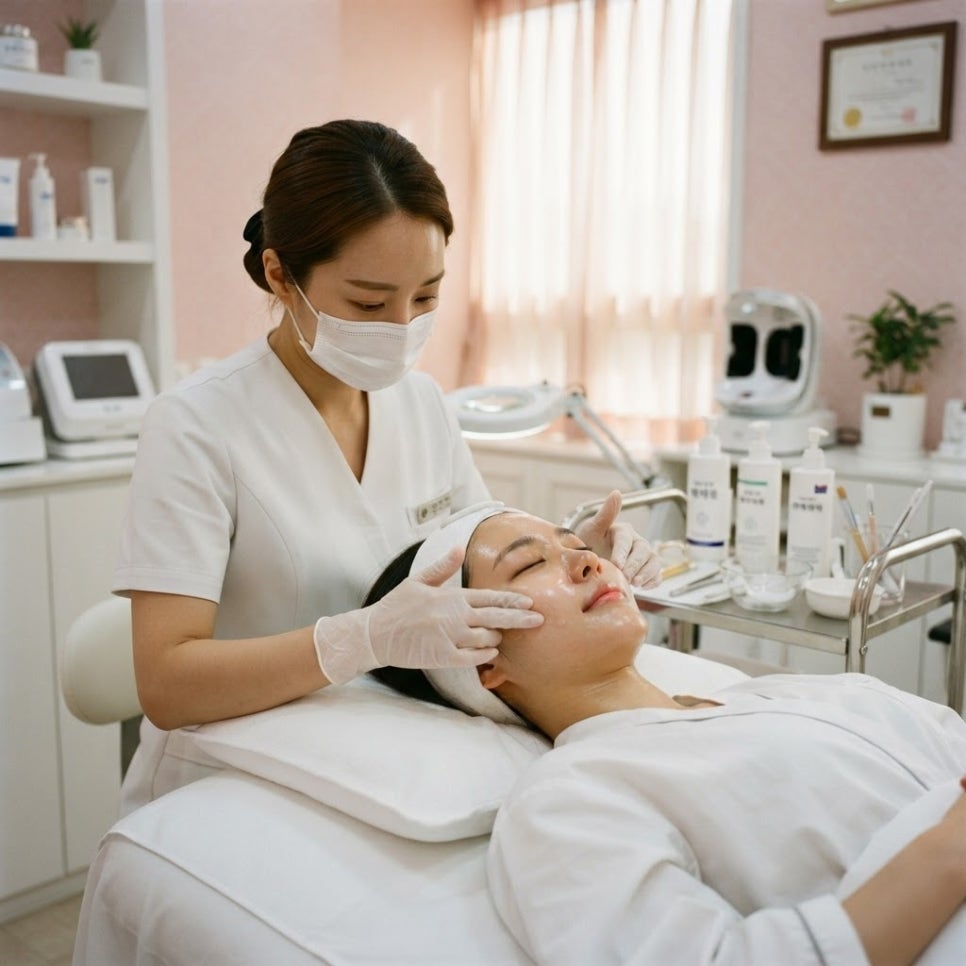
      Depending on skin condition, options such as topical agents, chemical peels, or laser and light-based treatments may be considered. Because the right approach can vary based on how deep the melasma sits and your skin tone, it’s important to get an approach suited to your individual condition.
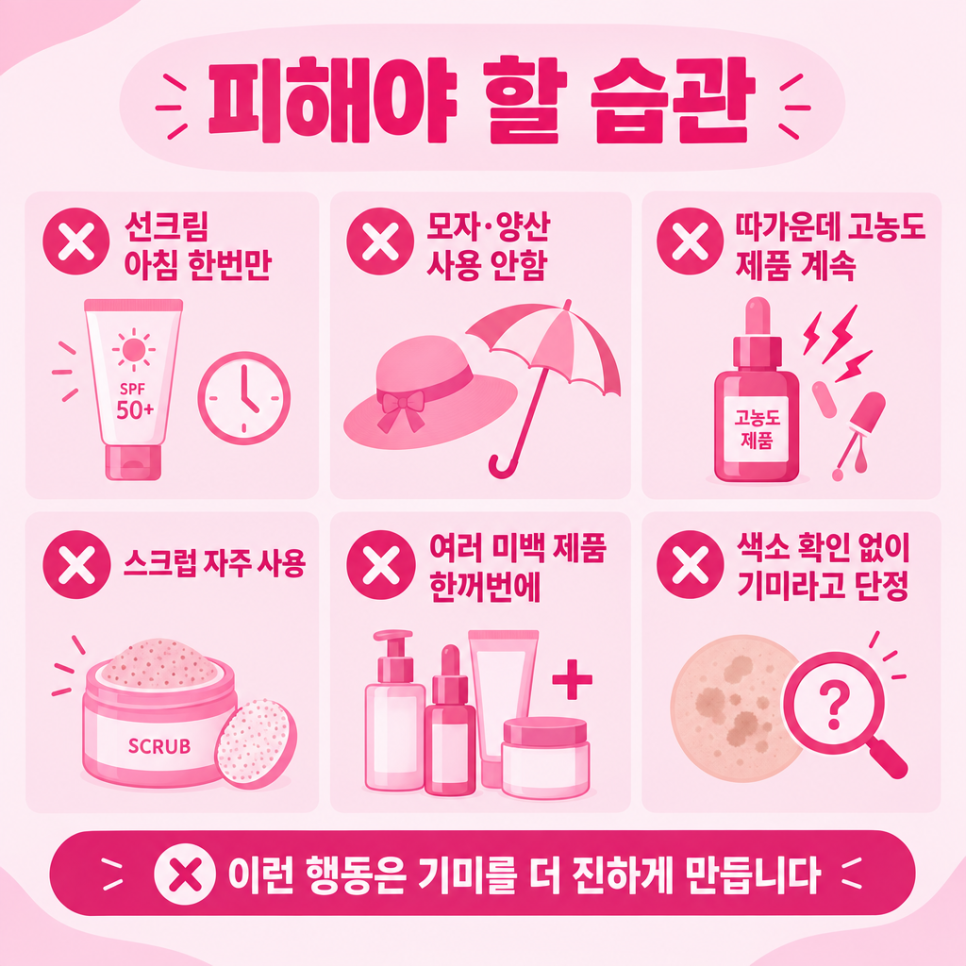
    Caution — Habits That May Make Melasma Worse
    ⚠ Applying sunscreen only once in the morning
    ⚠ Spending a lot of time outdoors without a hat or umbrella
    ⚠ Continuing to use high-concentration functional cosmetics even when your skin stings
    ⚠ Scrubbing frequently, thinking exfoliation will brighten your skin
    ⚠ Using several brightening ingredients all at once
    ⚠ Assuming it’s melasma without checking the type of pigmentation first

    how to get rid of melasma image 9

    Because melasma can darken again even after treatment,
    reducing the conditions that cause it to recur
    matters just as much as fading it in the short term.

    A 1-Minute Self-Check to Gauge Your Pigment Type

    Check the items below while looking in a mirror near natural light.

    how to get rid of melasma image 10

    Pigment Checklist
    ✅ Shape — Spread out like broad patches / Appears as small, individual dots
    ✅ Location — Similar on both cheekbones / Clustered on just one side
    ✅ Changes — Seems to darken in summer / Left brown marks where breakouts occurred / Became noticeable after pregnancy or hormonal changes

    Checking shape, location, onset, and how it changes together
    can help you describe your condition more accurately during a skin consultation.

    how to get rid of melasma image 11

    At a glance, melasma and dark spots can look like the same brown pigmentation.

    But when you look closely at the difference between melasma and dark spots,
    there are clear differences in how they form, what causes them, and how they should be managed.

    So rather than jumping straight into brightening products or pigment procedures,
    it’s better to approach how to get rid of melasma in this order:
    ① Identify pigment type → ② Manage UV and visible light → ③ Reduce skin irritation → ④ Consider targeted treatment if needed.

    If you have pigmentation that’s lasted a long time, or if its color or shape has recently changed, it’s worth having it properly evaluated rather than assuming it’s just a dark spot.

    If you’d like more information on skin condition and elasticity care, check out related articles at the Atelofill Collagen Skin Research Lab homepage.


    Frequently Asked Questions

    1. Can melasma be completely removed with skincare products?
    Because melasma involves multiple factors like UV exposure and hormones, it’s hard to say that any single product can remove it completely. Managing light exposure and minimizing skin irritation are the basics, and treatment suited to your skin condition may be added if needed.

    2. Does laser treatment clear melasma in one session?

    Not necessarily. Melasma can darken again even after treatment, and depending on skin condition, some laser or light-based treatments may actually trigger hyperpigmentation or worsen melasma. Checking your individual pigment condition first is an important step.

    3. What’s the most basic step in how to get rid of melasma?
    Consistent light management. Use a broad-spectrum sunscreen with SPF 30 or higher as your foundation, and pair it with a hat or shade when you’re outdoors. If you want to address visible light too, choosing a tinted sunscreen with iron oxide is another option.

    4. Can I tell melasma and dark spots apart at home?
    Looking at shape, location, onset, and how it changes over time can give you a rough idea, but it’s difficult to tell them apart with complete accuracy by sight alone. Since multiple types of pigmentation can appear at the same time, a professional evaluation can be helpful.

    References

    · Asan Medical Center, “Melasma,” Disease Encyclopedia. View source
    · Boukari F, et al., “Prevention of melasma relapses with sunscreen combining protection against UV and visible light,” Journal of the American Academy of Dermatology, 2015. View source
    · Journal of Drugs in Dermatology, “Photoprotection Efficacy of Sun Protection Factor and Iron Oxide Formulations in Diverse Skin With Melasma and Photodamage,” 2025. View source


    This article is intended for general health information purposes only and is not a substitute for individual diagnosis or treatment. If you have symptoms, please consult a healthcare professional.

  • Fall Dermatology Treatments: 5 Options for Every Skin Concern

    Fall Dermatology Treatments: 5 Options for Every Skin Concern

    SummaryIf you’re considering a fall dermatology treatment, there’s something worth checking before the season itself. This guide covers how to choose a treatment based on your specific skin concern — dryness, pigmentation, texture and pores, or elasticity — along with seasonal skin care tips and post-treatment precautions, plus what to review before any procedure.

    The cooler breeze is welcome, but fall is also the season when skin can look unusually dry and dull in the mirror.

    If skin that was fine all summer suddenly feels tight and your makeup starts separating, that can be a sign worth more than just blaming the season.

    This is often when people naturally start looking into fall dermatology treatments, but there are standards worth checking before the season itself.

    This article outlines what to check for each skin concern — dryness, pigmentation, texture and pores, and elasticity — when considering fall dermatology treatments.

    We’ll look at how to choose a treatment direction based on your current skin condition rather than the season, along with precautions for skin that has become sensitive during the seasonal transition.

    fall dermatology treatments

    fall dermatology treatments image 2

    fall dermatology treatments image 3

    Key Points
    ✔ In fall, lower humidity and wider day-night temperature swings make skin prone to dryness and sensitivity
    ✔ Which treatment fits you depends on your main concern — dryness, texture, pigmentation, or elasticity
    ✔ If your skin has become significantly sensitive, checking its condition comes before any treatment

    Why Does Skin Get Dry and Dull in Fall?

    To put it simply, it’s because lower humidity, wider day-night temperature swings, and UV exposure accumulated over summer act together.

    Fall skin dryness refers to the way skin’s moisture-retention environment itself changes as temperature and humidity drop.

    As the gap between morning and daytime temperatures widens and indoor heating begins, skin dries out more easily.

    On top of that, the effects of summer UV exposure are hard to ignore.

    UV rays stimulate melanocytes to trigger pigmentation and are a major aging factor that also damages collagen and elastin structures.

    fall dermatology treatments image 4

    So fall skin concerns are hard to address as simply a matter of replenishing moisture.

    It’s best to look at both summer’s accumulated damage and your skin’s current condition together.


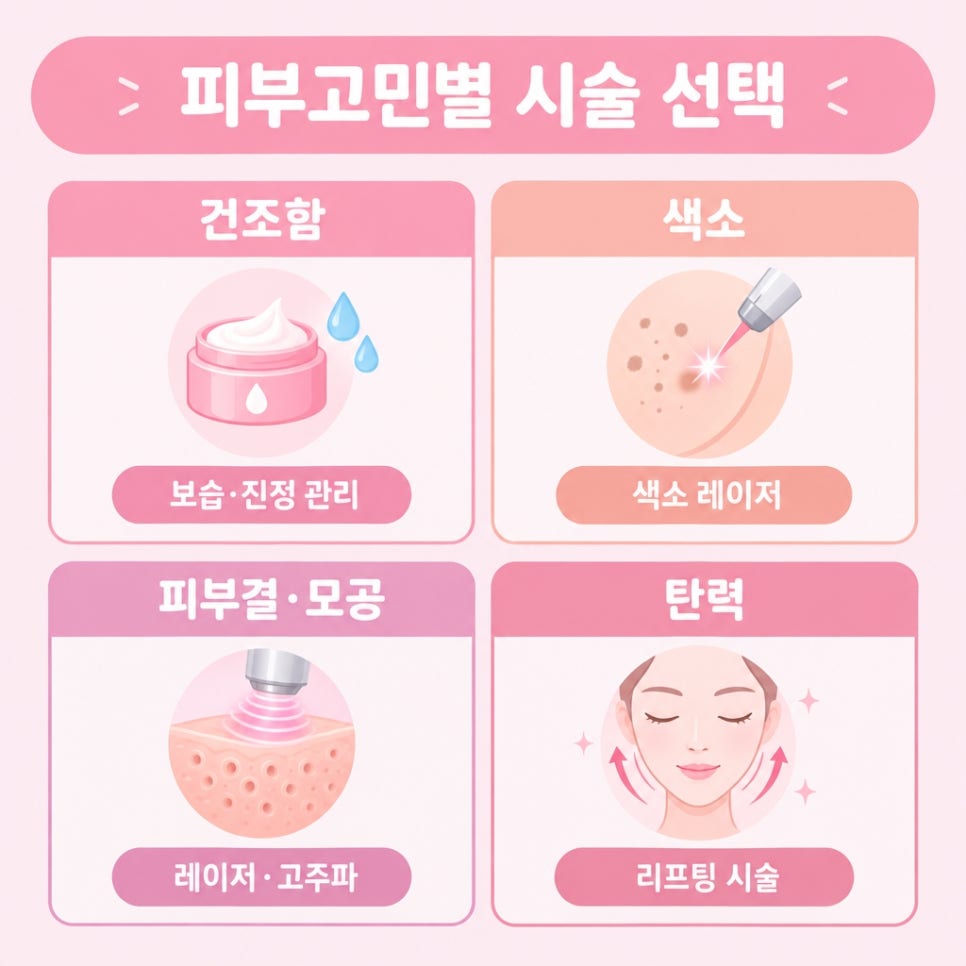
    Fall Dermatology Treatments: What’s Different for Each Skin Concern?

    In short, the right fall dermatology treatment depends not on the season but on which concern is greatest for you — dryness, pigmentation, texture and pores, or elasticity.

    Fall dermatology treatments refer broadly to the dermatology procedures considered to address skin concerns that become more noticeable during the seasonal transition.

    If Dryness and Makeup Separation Are Your Concern

    fall dermatology treatments image 5

    If dryness is your main concern, the basics are gentle cleansing that doesn’t irritate the skin barrier and adequate moisturizing.

    Depending on skin condition, moisturizing and soothing care, or certain skin-booster-type treatments, may also be considered.

    However, dryness alone doesn’t necessarily mean you need an injectable treatment.

    If applying skincare products causes stinging, redness, or itching, it may not be simple dehydration — dermatitis or barrier damage should also be considered.

    Caution
    Repeating peels or other high-irritation treatments while skin is red and itchy can make discomfort worse. Check your current skin condition first.

    If Dark Spots and Dull Tone Are Your Concern

    fall dermatology treatments image 6

    If pigmentation is your main concern, it’s important to first identify its type and depth, and laser treatment may be considered depending on your condition.

    Repeated UV exposure over summer can make existing melasma or freckles more noticeable.

    Even though brown spots may look similar on the surface, melasma, freckles, age spots, and post-inflammatory hyperpigmentation each have distinct characteristics.

    So rather than a one-size-fits-all approach, the method should be chosen after checking the specific characteristics of the pigmentation.

    Sun protection remains important even after treatment.

    If Rough Texture and Enlarged Pores Are Your Concern

    fall dermatology treatments image 7

    If skin texture or pores are your concern, treatments using lasers, radiofrequency, or microneedling may be considered depending on the cause.

    Pore size isn’t determined by sebum production alone — elasticity changes, scarring, and overall skin surface condition all play a role.

    Since skin can be drier or more sensitive than usual during the seasonal transition, it’s better to set treatment intensity and intervals according to your skin’s condition rather than combining strong exfoliation with multiple treatments at once.

    If You’re Concerned About Sagging and Loss of Elasticity

    fall dermatology treatments image 8

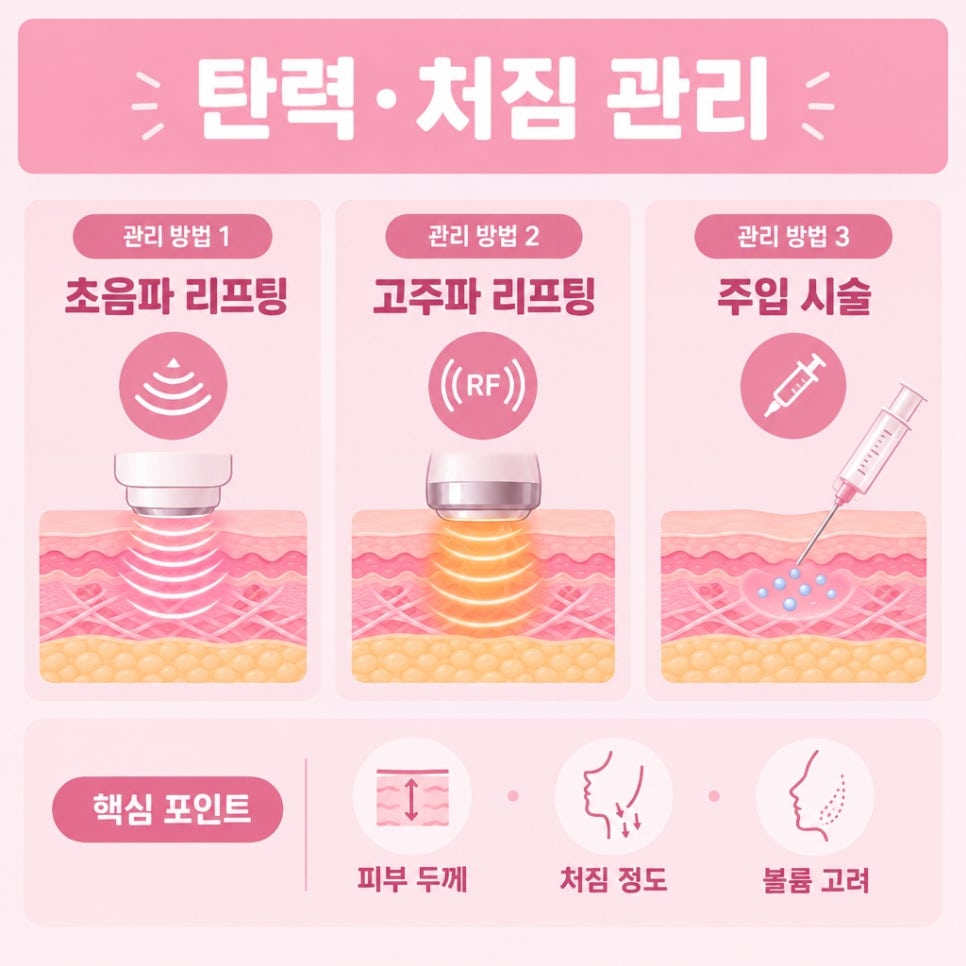
    If reduced elasticity is your main concern, lifting-type treatments or injectables may be considered by weighing skin thickness, degree of sagging, and volume together.

    Research has reported that skin collagen declines by about 1% per year starting in the mid-20s, which is why loss of elasticity becomes more noticeable with age.

    Skin that simply looks dull needs to be distinguished from actual tissue sagging or volume loss.

    If sagging is the concern, lifting treatments using ultrasound or radiofrequency energy may be considered; if volume or collagen is the concern, injectable treatments may be considered depending on the goal.

    If you’re curious about ways to replenish collagen, you can find related information on the Atelofill Collagen Skin Research Institute homepage.

    fall dermatology treatments image 9

    fall dermatology treatments image 10

    Current Concern What to Check First Possible Care Direction
    Dryness / Tightness Skin barrier, sensitivity Moisturizing- and soothing-focused care
    Dark spots / Dull tone Pigmentation type and skin condition Pigment laser, etc.
    Rough texture / Pores Pore cause, presence of scarring Laser, radiofrequency, microneedling, etc.
    Elasticity / Sagging Skin thickness, degree of sagging Ultrasound/radiofrequency lifting, etc.
    Volume changes Location and degree of volume loss Injectable treatments depending on condition, etc.

    The actual type, number of sessions, and intensity of treatment can vary depending on individual skin condition and the equipment or products used.

    Key Points
    ✔ Before focusing on a treatment name, first clarify \”what you want to improve\”
    ✔ It’s better to set priorities than to combine multiple treatments at once

    Can You Get Treatment If Your Skin Is Sensitive From the Season Change?

    fall dermatology treatments image 11

    In short, if your skin is only slightly drier than usual, care suited to that condition is possible, but if there’s dermatitis, wounds, or severe redness and itching, it’s best to check your skin’s condition first.

    If you have an important event coming up, you should also factor in the recovery period, since redness, swelling, bruising, or flaking can appear after treatment.

    Rather than getting several treatments at once, it’s better to prioritize your concerns and plan according to your skin’s condition.

    Pre-Treatment Checklist
    ✅ Whether your skin currently has any wounds, inflammation, or severe redness
    ✅ Whether your schedule allows for a recovery period
    ✅ Whether you’re combining multiple treatments at once
    ✅ What your highest-priority concern is

    How Should You Care for Your Skin After a Dermatology Treatment?

    fall dermatology treatments image 12

    To put it simply, the basics are minimizing additional irritation and focusing on moisturizing and sun protection.

    If your skin is temporarily sensitive, it’s best to avoid scrubs, strong peels, or excessive massage.

    Cleanse without rubbing the skin hard, and moisturize thoroughly.

    Tips for Good Aftercare
    ✔ Moisturizing-focused care instead of harsh exfoliation
    ✔ Use sunscreen when going outside, even in fall
    ✔ Check with your provider first, since when you can cleanse, wear makeup, or exercise varies by treatment

    Since the timing for cleansing, makeup, and exercise differs by treatment, it’s important to follow the precautions your provider gives you after treatment.

    fall dermatology treatments image 13

    A search for fall dermatology treatments turns up many options, but no single treatment resolves every skin concern.

    It’s important to first identify which concern matters most to you — dryness, pigmentation, texture and pores, or elasticity and volume — and then choose a direction that fits.


    fall dermatology treatments image 14

    Frequently Asked Questions

    1. Is fall the best season to get dermatology treatments?
    Simply because it’s fall doesn’t mean it’s the most suitable time for every treatment. That said, many people start care after summer when concerns like pigmentation or dryness become more noticeable. Rather than the season, it’s better to prioritize your skin condition and your ability to manage aftercare.

    2. Is it okay to get several dermatology treatments together?
    Depending on the combination, some treatments can be done together, but not all treatments can be performed at the same time. Appropriate intervals may be needed depending on the energy or injected substance, treatment area, and skin condition, so it’s best to check the plan with your provider.

    3. If my skin is very dry, should I start with exfoliation?
    Repeating aggressive exfoliation on dry skin can actually burden the skin barrier. Focus on moisturizing and minimizing irritation first, and if flaking or redness persists, have your skin condition checked.

    4. If I get a treatment, do I still need home care?
    No, that’s not the case. Regardless of treatment, everyday care like sun protection, moisturizing, and proper cleansing is still necessary. Moisturizing care is especially important during the seasonal transition.


    References

    · National Health Insurance Service, \”Why Does Skin Dryness Occur,\” National Health Insurance Service Magazine (n.d.). Read more
    · Skin Cancer Foundation, \”Photoaging: What You Need to Know About Different Types of Aging,\” Skin Cancer Foundation (n.d.). Read more
    · Vogue Korea, \”Collagen Declines With Age — Is There a Way to Restore Elasticity?\”, Vogue Korea, 2025. Read more


    This article is intended for general health information purposes only and cannot replace individual diagnosis or treatment. If you have symptoms, please consult a medical professional.

  • Retinol Side Effects: 3 Steps to Reduce Irritation and Keep the Benefits

    Retinol Side Effects: 3 Steps to Reduce Irritation and Keep the Benefits

    SummaryWorried about retinol side effects? This guide, based on dermatology references, walks through concentration-based usage tips, moisturizing pointers, and sun protection habits that may help reduce dryness, stinging, and redness while still supporting retinol’s benefits. Take a look below.

    Have you ever finally worked up the nerve to try retinol for wrinkles, only to wake up the next day with stinging skin and flaking patches?

    In most cases, this isn’t really a problem with the ingredient itself — it’s retinol side effects that show up when the concentration or frequency of use doesn’t match your skin.

    Retinol side effects

    This article walks through how retinol actually works on skin, what its benefits are, and why retinol side effects happen in the first place.

    You’ll also find concentration-based usage tips and the reasons sunscreen is essential while using it.

    Key Points
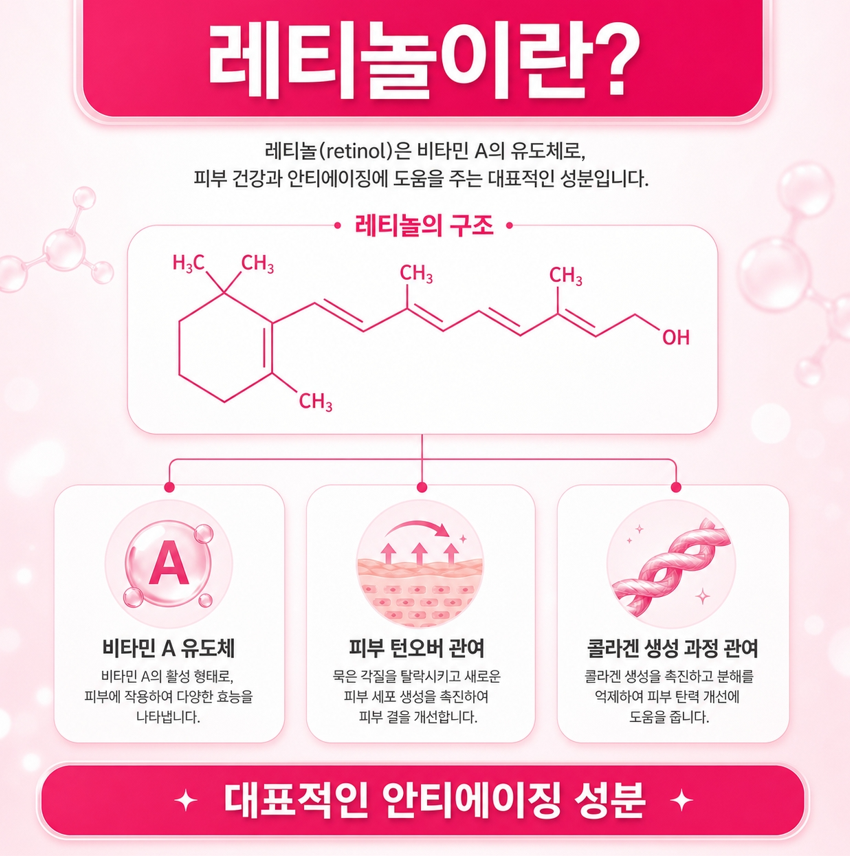
    ✔️ Retinol is a vitamin A derivative commonly used as an anti-aging ingredient, involved in skin cell turnover and collagen production.
    ✔️ Starting with a high concentration or using it too frequently can easily lead to retinol side effects like dryness, stinging, and redness.
    ✔️ The key is to start with a low concentration and pair it with proper moisturizing and sun protection.

    Retinol side effects illustration 2

    What Exactly Is Retinol?

    Retinol side effects illustration 3

    Retinol is a vitamin A derivative that, once absorbed into the skin, goes through several conversion steps before acting in the form of retinoic acid.

    In this process, it’s understood to influence skin cell turnover and collagen-related metabolism.

    As turnover slows and collagen decreases with age, skin can become thinner, lose elasticity, and show fine lines more easily.

    This is why retinol is often used as an anti-aging ingredient to help address these changes.

    Retinol side effects illustration 4


    What Changes Can Retinol Benefits Bring to Skin?

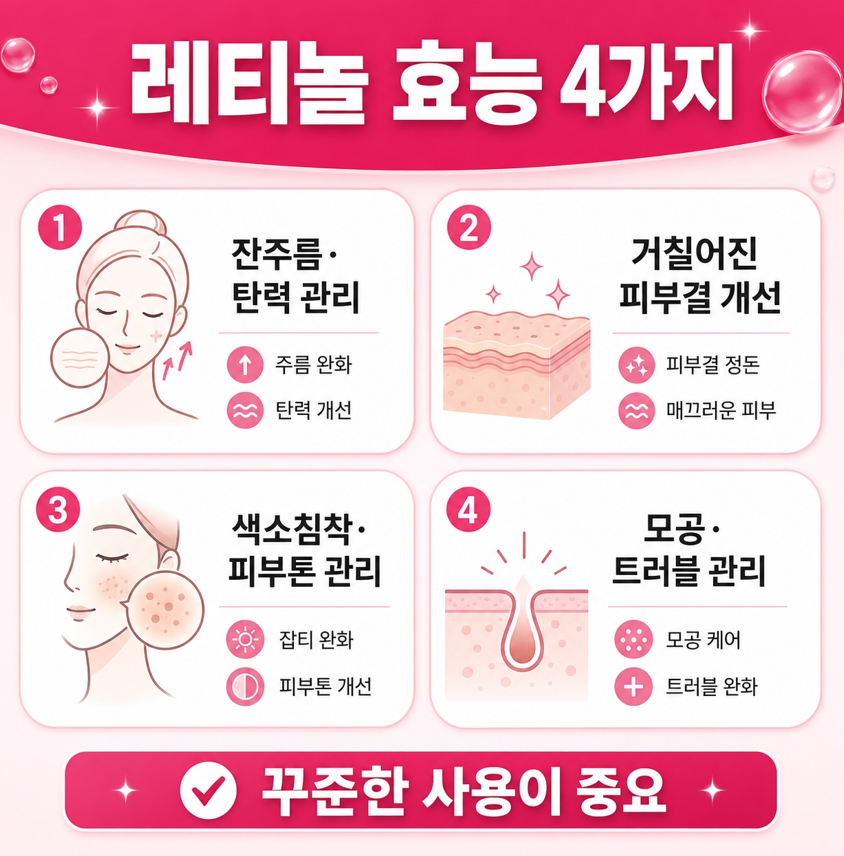
    Retinol benefits are generally seen in four areas: fine lines and elasticity, skin texture, pigmentation, and pores and breakouts.

    Benefit Area Key Details
    Fine Lines & Elasticity Involved in collagen production; used to help manage fine lines around the eyes and mouth, and support elasticity
    Skin Texture Supports turnover to help manage rough, dull texture caused by built-up dead skin cells
    Pigmentation May help surface pigmentation shed naturally as part of the turnover process
    Pores & Breakouts Used to help manage clogged pores caused by dead skin and sebum (separate from prescription retinoid medications)

    That said, it’s worth keeping in mind that cosmetic products alone typically cannot fully reverse deep, established wrinkles or noticeable volume loss.

    Prescription retinoids used to treat acne differ from cosmetic retinol in both concentration and mechanism of action, so they shouldn’t be considered the same thing.

    Retinol side effects illustration 5


    Why Do Retinol Side Effects Happen, and What Do They Look Like?

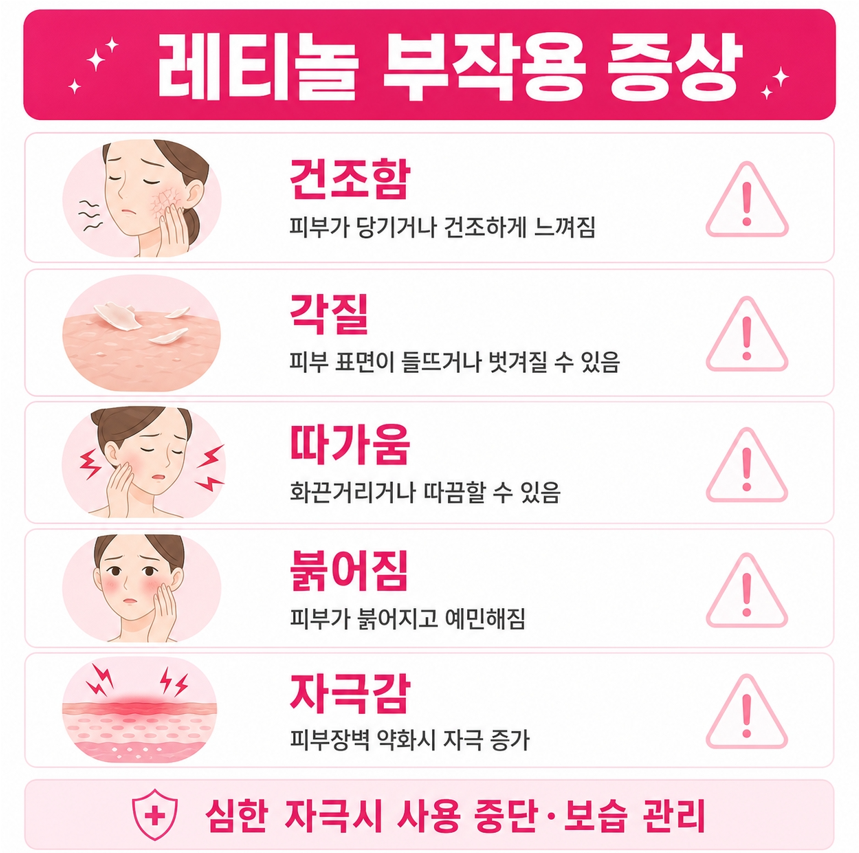
    Retinol side effects occur when skin becomes irritated as the ingredient converts into retinoic acid, and can range from dryness to redness.

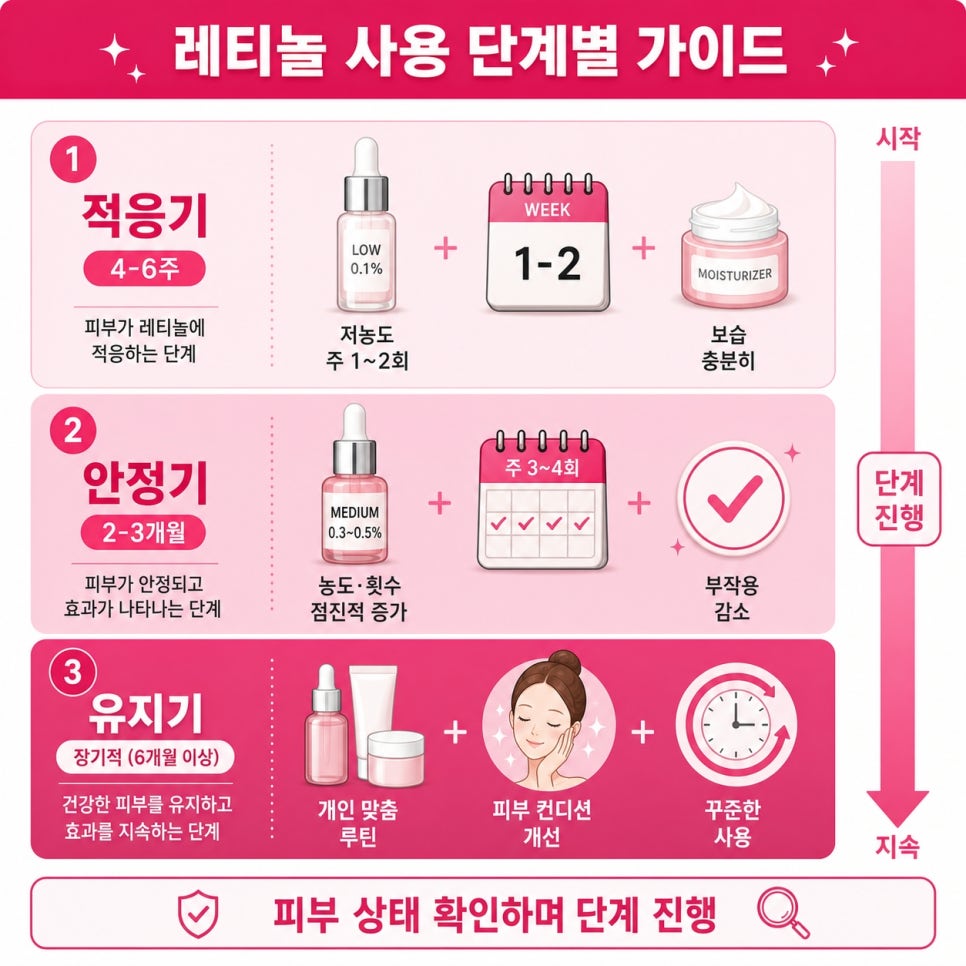
    When starting with a low-concentration product, it’s common to feel slight tightness for the first one to two weeks, which tends to gradually ease afterward.

    Symptom Description
    Dryness Skin feels tight or drier than usual
    Flaking Skin surface may lift or peel
    Stinging May burn or sting on application
    Redness Skin may become red and sensitive
    Irritation May feel more pronounced if the skin barrier is compromised
    Caution
    ⚠️ If redness, stinging, or flaking is severe, don’t dismiss it as a normal ‘adjustment period’ — reduce how often you use it or pause use for a while.
    ⚠️ If symptoms persist or worsen, it’s safer to have a dermatologist check your skin.

    Retinol side effects illustration 6


    Retinol Usage: How Should You Adjust Concentration and Order?

    Retinol side effects illustration 7

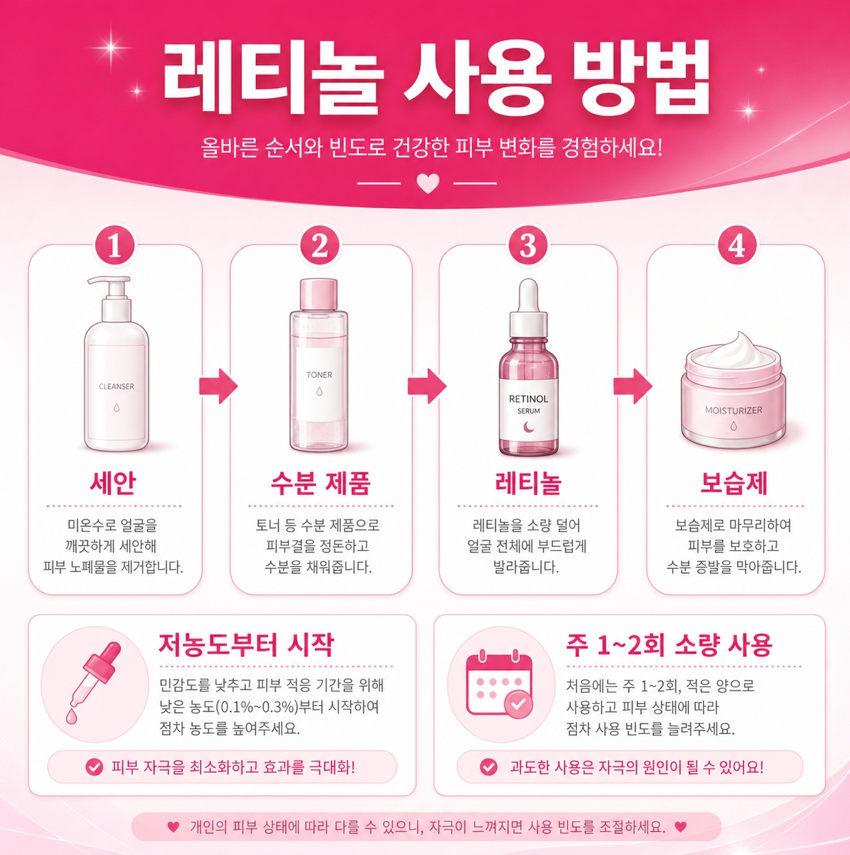
    The key to using retinol is to start with a low concentration and low frequency, then gradually increase based on how your skin responds.

    1. Start with a low-concentration product, using a small amount just 1–2 times a week.
    2. If there’s no irritation, gradually increase frequency while monitoring your skin.
    3. Apply in this order: cleanser → hydrating product → retinol → moisturizer.
    4. If your skin is sensitive, apply a thin layer of moisturizer first, then layer retinol on top.
    5. Avoid adding several active ingredients at once — let your skin adjust to retinol on its own first.

    Retinol side effects illustration 8

    Checklist
    ✅ Did you start with a low-concentration product?
    ✅ Did you limit use to 1–2 times a week?
    ✅ Did you follow up with enough moisturizer?
    ✅ Did you check the application area for any irritation?

    Which Ingredients Increase Irritation When Combined With Retinol?

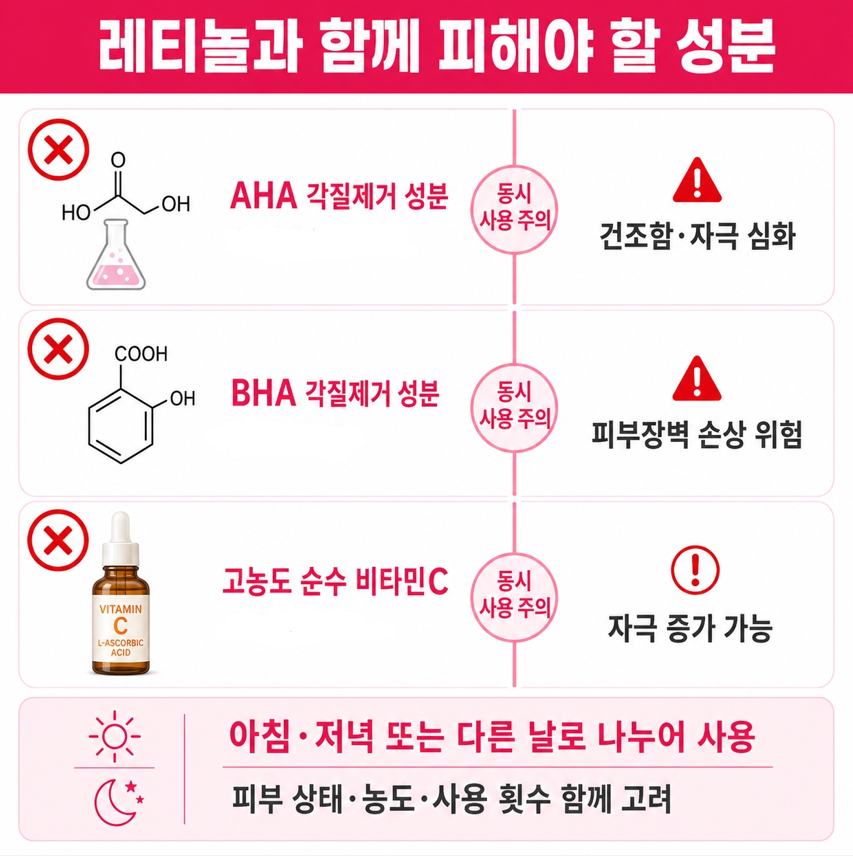
    High-concentration AHA/BHA, physical scrubs, and high-strength vitamin C are common ingredients that can increase irritation when layered with retinol on the same day.

    Using vitamin C in the morning and retinol at night can help reduce irritation by separating the two.

    Key Points
    ✔️ High-concentration AHA/BHA and scrubs can increase dryness and irritation when combined with retinol.
    ✔️ Consider using high-strength vitamin C in the morning and retinol at night.
    ✔️ Your current skin condition, along with concentration and frequency, matters more than the ingredient combination itself.

    Retinol side effects illustration 9


    Why Is Sunscreen Essential While Using Retinol?

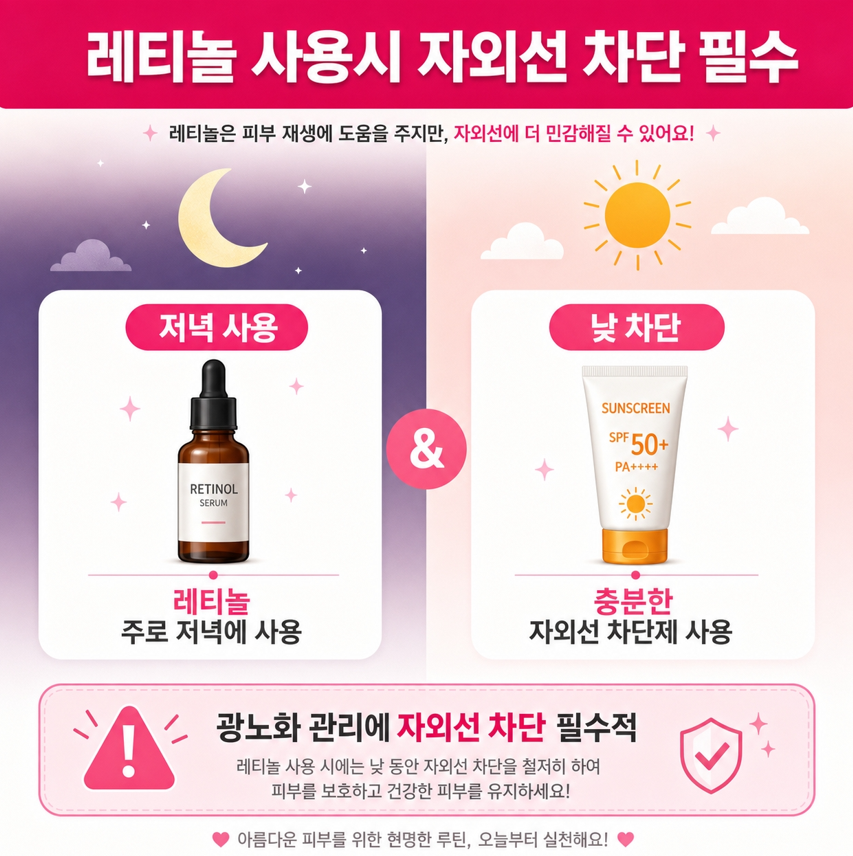
    Neglecting sunscreen while using retinol can allow photoaging to progress, potentially offsetting the benefits retinol provides.

    This is because retinol oxidizes easily with light and heat, and can make skin more sensitive to UV exposure.

    No matter how effective an ingredient is, repeated daytime UV exposure makes it difficult to prevent collagen loss and pigmentation.

    For this reason, it’s best to use retinol mainly at night and apply a sunscreen with adequate SPF thoroughly during the day.

    Takeaway
    🌤️ Consistently using retinol at night and sunscreen during the day may help manage both collagen loss and pigmentation.

    Retinol side effects illustration 10


    What Matters Most for Getting the Full Benefits of Retinol?

    To get the most from retinol’s benefits, finding the concentration and frequency your skin can tolerate matters more than rushing into a high concentration.

    Even this ingredient doesn’t work at the same concentration and frequency for every skin type.

    If you’re interested in collagen and skin elasticity care, you may also find it helpful to check out the Atelofill Collagen Skin Research Lab homepage for related information.

    Retinol side effects illustration 11


    Frequently Asked Questions

    Retinol side effects illustration 12

    1. Can I use retinol every day?
    Once your skin has fully adjusted, you may be able to increase frequency, but using it daily from the start can cause irritation. It’s best to begin with 1–2 times a week and monitor your skin’s response.

    2. If flaking occurs as a retinol side effect, should I keep using it?
    Mild dryness or flaking can occur, but if stinging or redness is severe, or your skin is visibly peeling, you should reduce use or stop altogether. If symptoms persist, please see a dermatologist.

    3. When can I expect to notice retinol’s benefits?
    This varies depending on skin condition, product concentration, and frequency of use. Retinol isn’t an ingredient that produces changes quickly — it’s important to use it consistently over time and observe how your skin responds.

    4. Can sensitive skin use retinol?
    It’s possible, but you should start with a low concentration and limited frequency. If your skin barrier is compromised or you have dermatitis or significant irritation, it’s best to stabilize your skin condition first.

    5. What matters most when using retinol?
    Avoiding overuse, moisturizing sufficiently, and applying sunscreen consistently during the day. Ignoring signs of irritation from your skin and increasing usage anyway is something to avoid.


    References

    · Kafi R, Kwak HS, Schumacher WE, et al., “Improvement of Naturally Aged Skin With Vitamin A (Retinol),” Archives of Dermatology, 2007. View source
    · Park KD, “Use of Retinoids in Dermatology,” Journal of the Korean Medical Association (J Korean Med Assoc), 2022. View source


    This article is intended for general health information purposes only and is not a substitute for individual diagnosis or treatment. If you have symptoms, please consult a medical professional.
  • Low Molecular Weight Collagen Peptide: 3 Things to Check Before You Take It

    Low Molecular Weight Collagen Peptide: 3 Things to Check Before You Take It

    SummaryLow molecular weight collagen peptide is a collagen protein that has been hydrolyzed into smaller peptides. This guide covers what the research actually shows about low molecular weight collagen benefits, common misconceptions, what the Dalton (Da) number means, how to check an ingredient list, and what to review before you start taking it — all based on clinical research.

    Take a look at a collagen product’s ingredient panel and you’ll often see a surprisingly small number highlighted.
    Numbers like 500Da or 300Da have fed the idea that a lower molecular weight means better collagen,
    but does a smaller molecule really get absorbed straight into your skin?

    Low molecular weight collagen peptide refers to a collagen protein that has been hydrolyzed into smaller peptides.
    But relying on that label alone — and choosing a “low molecular weight” product without looking further — can mean missing what actually matters.

    low molecular weight collagen peptide

    Quick Overview
    Low molecular weight collagen peptide is collagen that has been hydrolyzed into small peptide units to support digestion and absorption.
    A smaller molecular weight doesn’t mean it converts directly into skin collagen — confirming low molecular weight collagen benefits means looking at the raw material, the dose, and human clinical trial evidence together.
    Supporting skin elasticity also depends on more than collagen intake alone, including vitamin C, sun protection, and sleep.

    low molecular weight collagen peptide illustration 2

    What Is Low Molecular Weight Collagen Peptide, and How Is It Different From Regular Collagen?

    Low molecular weight collagen peptide is collagen protein that has been broken down — typically using enzymes — into relatively small peptide fragments.
    The type of collagen itself doesn’t change; only its size is reduced through this process.

    A peptide is a chain of multiple amino acids linked together.
    Regular collagen has a larger molecular structure, so it needs to be broken down further during digestion after you eat it, while
    hydrolyzed collagen is already broken into small peptides during manufacturing — that’s the key difference.

    low molecular weight collagen peptide illustration 3

    Category Regular Collagen Low Molecular Weight Collagen Peptide
    Molecular structure Relatively large protein Pre-hydrolyzed, small peptides
    Digestion process Requires further breakdown in the body Relatively less breakdown needed
    Solubility Varies by product Many products dissolve fairly easily in water

    That said, the term “low molecular weight” alone doesn’t mean every product delivers the same effect.
    The raw material type, manufacturing method, actual dosage, and whether human clinical trials exist all vary from product to product.

    low molecular weight collagen peptide illustration 4


    Does the Collagen You Eat Get Absorbed Directly Into Your Skin?

    To put the conclusion first: the collagen you eat does not simply accumulate in your skin as collagen.
    Like any protein, collagen is broken down into amino acids and small peptides as it passes through your digestive system.

    Some research has detected collagen-derived peptides in the bloodstream after intake,
    but this should not be interpreted to mean that “the collagen you eat is deposited directly into your skin.”

    For that reason, it’s more accurate to think of low molecular weight collagen peptide as a nutritional intake rather than a way to directly refill collagen in the skin.

    low molecular weight collagen peptide illustration 5


    Low Molecular Weight Collagen Benefits: Is a Smaller Dalton (Da) Number Always Better?

    Low molecular weight collagen benefits refer to reported changes in skin hydration and elasticity markers observed in some studies after a period of hydrolyzed collagen intake.
    These should be understood as a potential improvement associated with a dietary supplement, not as a pharmaceutical treatment effect.

    Research Summary
    · A systematic review of oral collagen intake reported potential improvements in skin hydration and elasticity markers in some trials.
    · In Korea, low molecular weight collagen peptide is recognized by Korea’s Ministry of Food and Drug Safety (MFDS) — a Korean regulatory body, not the U.S. FDA — as a functional ingredient that “may help support skin moisture,” based on a daily intake of 3g under Korean labeling standards; this is not a claim evaluated or approved by U.S. regulators.
    · Because studies vary in raw material, dosage, duration, and study population, the same results shouldn’t be expected from every product.

    low molecular weight collagen peptide illustration 6

    The Dalton (Da) unit commonly seen on collagen products is a measure of molecular weight — a smaller number means a relatively smaller molecule.
    That’s why figures like “500Da” or “300Da” are so often highlighted on packaging.

    However, a smaller Dalton number alone doesn’t necessarily mean a product works better.
    When comparing products, it’s worth checking peptide composition, actual research findings, and dosage — not just average molecular weight.

    In other words, rather than assuming “the smallest collagen equals the best collagen,” it’s more reasonable to look at the full body of evidence behind a product.

    low molecular weight collagen peptide illustration 7


    What Should You Check Before Choosing and Taking a Collagen Product?

    When choosing a low molecular weight collagen peptide product, it’s worth checking the following items in order.

    Checklist
    ✅ Have you checked whether the source is fish, bovine, or porcine? (to rule out allergy concerns)
    ✅ Have you checked the actual collagen content per serving and per day?
    ✅ Does the raw material have human clinical trial data or recognized functional approval behind it?
    ✅ Have you checked the secondary ingredients (such as whether vitamin C is included)?
    ✅ Are you basing your decision on the label rather than marketing claims?

    low molecular weight collagen peptide illustration 8

    Caution
    If you’re being treated for a specific medical condition, are pregnant or breastfeeding, or are taking multiple dietary supplements at once, it’s safer to consult a healthcare provider before taking this rather than deciding on your own.

    If you’re hoping to support low molecular weight collagen benefits, reducing conditions that damage collagen matters just as much as intake.
    UV exposure is a major factor — repeated exposure can affect the skin’s collagen and elasticity structure, so using sunscreen year-round, regardless of season, is advisable.

    low molecular weight collagen peptide illustration 9

    Collagen synthesis also requires vitamin C,
    so maintaining vitamin C intake through fruits and vegetables, along with a balanced, protein-focused diet, matters too.

    Basic lifestyle habits such as adequate sleep, not smoking, and moderating alcohol intake may also support skin aging management.
    Ultimately, it’s more accurate to view skin health as the combined result of nutrition, UV protection, sleep, and lifestyle habits — not collagen intake alone.

    low molecular weight collagen peptide illustration 10

    If you’d like to compare collagen products based on ingredient evidence and dosage standards, you can find more information at the Atelofill Collagen Skin Research Center homepage.


    Low Molecular Weight Collagen Peptide: The Key Takeaways

    Low molecular weight collagen peptide is simply collagen that has been pre-hydrolyzed into smaller peptides — it isn’t a fundamentally different substance from collagen itself.
    It’s best to avoid oversimplified assumptions like “it’s low molecular weight, so it’s absorbed directly into the skin” or “a smaller molecular weight is always better.”

    To properly evaluate low molecular weight collagen benefits, look beyond molecular weight alone and consider the raw material, dosage, and human clinical trial evidence together.

    low molecular weight collagen peptide illustration 11


    Frequently Asked Questions

    low molecular weight collagen peptide illustration 12

    1. Is low molecular weight collagen peptide a completely different substance from regular collagen?
    No. The base substance is still collagen. Collagen protein that has been hydrolyzed into relatively small peptides is called low molecular weight collagen peptide, or hydrolyzed collagen.

    2. How long does it take for low molecular weight collagen benefits to appear?
    This is hard to state as a general rule. Because studies differ in raw material, dosage, duration, and study population, be cautious of any marketing claim that guarantees results within a specific timeframe.

    3. Is lower molecular weight collagen always better?
    That’s difficult to say for certain. Molecular weight is just one factor to consider — judging actual functionality requires looking at the raw material’s characteristics, dosage, and human clinical trial evidence together.

    4. If I take low molecular weight collagen peptide, does it directly refill collagen in my skin?
    That’s not an accurate way to think about it. Collagen you consume is absorbed as amino acids and peptides after digestion, and taking oral collagen is a different concept from directly refilling collagen in skin tissue.


    References

    · Choi FD, et al., “Effects of Oral Collagen for Skin Anti-Aging: A Systematic Review and Meta-Analysis,” PMC (National Library of Medicine), 2023. View source
    · Ministry of Food and Drug Safety of Korea (Food Safety Korea), “Skin Health Functionality Information – Low Molecular Weight Collagen Peptide, etc.,” 2024. View source


    This article is intended for general health information purposes only and is not a substitute for individual diagnosis or treatment. If you have symptoms, please consult a healthcare professional.

  • 5 Collagen-Rich Foods for Skin Elasticity: Nutrients to Pair With Them

    5 Collagen-Rich Foods for Skin Elasticity: Nutrients to Pair With Them

    SummaryWe break down the collagen-rich foods you’ve likely heard about — fish skin, chicken skin, beef bone broth, and more — along with nutrients like vitamin C and zinc that support collagen synthesis, how collagen absorption actually works, and lifestyle habits like sun protection that matter for skin elasticity. The key takeaway: balance matters most.

    Will eating pork skin or beef bone broth really make your skin firmer?
    As interest in skin elasticity and aging grows, plenty of people have searched for collagen-rich foods.

    But eating foods high in collagen doesn’t automatically mean the collagen in your skin increases.
    A closer look at the research shows that the nutrients you pair with these foods may actually matter more.

    This article covers the different types of collagen-rich foods, whether fish or meat is more beneficial, and nutrients like vitamin C that support collagen synthesis.
    We’ll also look at what actually happens to the collagen you eat once it goes through digestion.

    collagen-rich foods

    collagen-rich foods image 2

    What Is Collagen, and How Is It Related to Skin Elasticity?

    Collagen is one of the main proteins that supports the structure of the skin’s dermis.

    Collagen is a fibrous protein that makes up various tissues in the body, including skin, bones, cartilage, and tendons.

    As we age, the balance between collagen production and breakdown in the skin can gradually shift.

    On top of that,
    factors like UV exposure, smoking, and an unbalanced diet can reduce skin elasticity, making fine lines and sagging more noticeable.

    That’s why anyone interested in skincare naturally starts looking into collagen-rich foods and nutrients that support collagen synthesis.

    collagen-rich foods image 3

    Key Points
    ✔ Collagen is a protein found not just in skin, but also in bones, cartilage, and tendons.
    ✔ The balance between collagen production and breakdown can shift as you age.

    What Are Common Collagen-Rich Foods?

    These foods are mostly concentrated in animal connective tissue — skin, bone, and cartilage.

    Collagen-rich foods refer to items containing animal connective tissue, such as fish skin, chicken skin, beef bone broth or knee cartilage soup, and pork skin.

    collagen-rich foods image 4

    Fish Skin

    Fish skin and scales contain collagen.
    Fish-derived collagen is also widely used as an ingredient in dietary supplements and cosmetics.

    That said, it’s better to eat a balanced combination of lean fish meat and vegetables rather than overloading on one specific part.

    collagen-rich foods image 5

    Chicken and Chicken Skin

    Collagen is also found in chicken skin, cartilage, and connective tissue.

    However, chicken skin also tends to be high in fat, so eating large amounts just because it’s “collagen-rich” isn’t recommended.
    It’s important to keep your overall fat and calorie intake in mind and eat it in moderation.

    collagen-rich foods image 6

    Beef Bone Broth, Knee Cartilage Soup, and Other Connective Tissue Foods

    Collagen is also present in beef bones, cartilage, and tendons.
    When simmered for a long time, some of that collagen breaks down into gelatin, which is what gives these broths their characteristic thickness.

    That said, depending on how it’s prepared, beef bone broth or knee cartilage soup can also be high in fat and sodium, so there’s no need to overconsume it just for the collagen.

    collagen-rich foods image 7

    Pork Skin

    Pork skin is another well-known animal food that contains collagen.

    However, you also need to factor in its fat and calorie content, along with the sodium in any seasonings used to prepare it.
    Rather than eating one food heavily for the sake of your skin, it’s better to get a variety of protein sources.

    Food Where the Collagen Is What to Keep in Mind
    Fish skin Skin and scales Balance with lean meat and vegetables
    Chicken and chicken skin Skin, cartilage, connective tissue Consider fat content
    Bone broth / knee cartilage soup Bones, cartilage, tendons Watch sodium and fat
    Pork skin Skin connective tissue Watch fat and sodium (seasoning)
    A Note of Caution
    ⚠ Chicken skin, bone broth, and pork skin can be high in fat and sodium,
    so eating large amounts purely for the collagen isn’t recommended.

    Should You Prioritize Fish or Meat?

    There’s no need to crown a single food as the “best” option.

    Fish can provide protein along with unsaturated fats depending on the type, while meat offers high-quality protein plus nutrients like iron and zinc.

    What matters most is not relying on just one food.

    • Fish
    • Lean meat
    • Eggs
    • Beans and tofu
    • Vegetables
    • Fruit

    Eating a varied mix of these foods helps you take in the amino acids and micronutrients your body needs to make collagen.

    collagen-rich foods image 8


    What Nutrients Support Collagen Synthesis?

    Collagen synthesis requires more than just protein — nutrients like vitamin C, zinc, and copper play a role too.

    Collagen synthesis is the process by which amino acids and various supporting nutrients work together in the body to build collagen protein.

    Protein

    Protein from food is broken down into amino acids and small peptides during digestion.
    Since collagen is itself a protein, getting enough protein overall is the foundation.

    You can get protein from a variety of foods, including fish, meat, eggs, milk and dairy, beans, and tofu.

    collagen-rich foods image 9

    Vitamin C

    Vitamin C is a nutrient involved in the body’s collagen synthesis process.
    According to reports, studies have found that treating skin fibroblasts with vitamin C increased collagen synthesis.

    You can get vitamin C from a variety of fruits and vegetables, such as tangerines, oranges, kiwi, strawberries, bell peppers, and broccoli.

    Zinc and Copper

    Zinc and copper are also trace nutrients involved in various enzyme reactions and tissue maintenance in the body.
    Eating a variety of meat, seafood, nuts, and legumes can help you take in these nutrients as well.

    Key Points
    ✔ Vitamin C is a supporting nutrient involved in the body’s collagen synthesis process.
    ✔ Zinc and copper are also trace nutrients involved in tissue maintenance.

    Does the Collagen You Eat Go Straight to Your Skin?

    The collagen you eat doesn’t travel directly into your skin as collagen.

    Collagen taken by mouth is broken down into amino acids or peptides during digestion, then used wherever the body needs it.

    collagen-rich foods image 10

    1. Collagen intake
    2. Digestion and breakdown (into amino acids/peptides)
    3. Absorption
    4. Used wherever the body needs it

    Some studies report that low-molecular-weight collagen peptides can be absorbed in certain forms, but it’s difficult to say this directly translates into fewer skin wrinkles.

    So it wouldn’t be accurate to assume that “eating pork skin instantly replenishes skin collagen” or that “eating a lot of bone broth will erase wrinkles.”

    This is why managing your overall nutritional balance matters more than simply loading up on collagen-rich foods.


    What Lifestyle Habits Help Slow Collagen Loss?

    Sun protection and consistent daily habits can help reduce collagen damage.

    Photoaging refers to the process in which cumulative UV exposure increases collagen-degrading enzymes in the skin while reducing its ability to synthesize collagen.

    collagen-rich foods image 11

    UV exposure is one of the leading external factors affecting skin aging.
    Repeated, long-term exposure can increase the activity of enzymes that break down collagen, while reducing your skin’s ability to produce new collagen fibers.

    That’s why it’s a good idea to use sunscreen appropriately whenever you go outside, regardless of the season.

    Checklist
    ✅ Use sunscreen year-round
    ✅ Get enough protein each day
    ✅ Add vitamin C-rich vegetables and fruit
    ✅ Get enough sleep and stay hydrated
    ✅ Avoid smoking

    collagen-rich foods image 13

    In Short
    Managing protein intake, nutrients like vitamin C, sun protection, and daily habits together
    is a more realistic approach to skin elasticity than relying on any single food.

    If you’d like more information on managing skin elasticity, you can find it on the Atelofill Collagen Skin Research Institute homepage.

    collagen-rich foods image 14


    Frequently Asked Questions

    collagen-rich foods image 12

    1. Do I need to eat collagen-rich foods every day for my skin to benefit?
    Rather than eating one specific collagen food every day, it’s more important to eat a balanced mix of protein foods like fish, meat, eggs, and legumes along with vegetables and fruit.

    2. Will eating a lot of pork skin or bone broth reduce wrinkles?
    Pork skin and bone broth do contain collagen, but the collagen you eat doesn’t travel directly to your skin and erase wrinkles. You also need to consider your fat and sodium intake.

    3. Why should I pair vitamin C with collagen-rich foods?
    Because vitamin C is a nutrient involved in the body’s collagen synthesis process. It’s best to combine protein foods with vegetables and fruit.

    4. Do vegetables and fruit contain collagen?
    Collagen is a protein found in animal tissue, so vegetables and fruit don’t contain it themselves. However, they’re rich in nutrients like vitamin C that support collagen synthesis, so eating them alongside collagen foods is helpful.

    5. Will taking a collagen supplement definitely improve my skin?
    The effects of collagen supplements vary from person to person, and research in this area is still ongoing. Rather than assuming any particular product will work, it’s best to build your routine around a balanced diet and healthy lifestyle habits.


    References

    · RealFood (Herald Economy), “This Is the Nutrient You Need to Improve Skin Aging With Collagen,” RealFood, 2021. View source
    · The Skin Cancer Foundation, “Photoaging: What You Need to Know About the Other Kind of Aging,” Skin Cancer Foundation. View source
    · Science Times, “The Correlation Between Collagen Intake and Skin Improvement,” Science Times. View source


    This article is intended for general health information purposes only and is not a substitute for individual diagnosis or treatment. If you have symptoms, please consult a medical professional.
  • Get Rid of Nasolabial Folds: Do Exercise, Masks & Gua Sha Really Work? (3 Methods)

    Get Rid of Nasolabial Folds: Do Exercise, Masks & Gua Sha Really Work? (3 Methods)

    SummaryCan you really get rid of nasolabial folds with exercise, sheet masks, and gua sha alone? This guide covers what causes nasolabial folds, the real effects and limits of facial exercises, sheet masks, and gua sha massage, and practical at-home care methods you can try.

    Do you find yourself noticing the nasolabial folds running from beside your nose to the corners of your mouth every time you look in the mirror?

    Many people have tried all kinds of ways to get rid of nasolabial folds, from the classic spoon-in-mouth exercise to sheet masks and gua sha massage.

    But can self-care methods like these really make folds that have already formed disappear?

    how to get rid of nasolabial folds

    The short answer: exercise, masks, and gua sha alone are unlikely to fully get rid of nasolabial folds.

    This article covers why nasolabial folds form, the real effects and limits of exercise, masks, and gua sha, and realistic at-home care methods you can put into practice.

    Key Points
    ✔ Nasolabial folds result from a combination of factors, including reduced skin elasticity, collagen loss, and changes in facial volume
    ✔ Exercise, masks, and gua sha can help manage overall skin condition, but they’re unlikely to eliminate folds that have already deepened
    ✔ Excessive massage or facial exercises can actually irritate the skin

    Why Do Nasolabial Folds Form?

    image related to nasolabial folds 2

    The short answer: nasolabial folds aren’t simply creases caused by skin folding over.

    Nasolabial folds are lines that become more visible as the skin and soft tissue running from beside the nostrils to the corners of the mouth begin to sag.

    As we age, collagen and elastin in the skin decrease and elasticity drops, which makes it easier for skin creases to leave a lasting mark.

    On top of that, shifts in facial fat and soft tissue position, midface sagging, and changes in bone structure can make the nasolabial area look even deeper.

    image related to nasolabial folds 3

    The main causes of nasolabial folds include:

    • Skin aging and reduced elasticity
    • Collagen and elastin loss
    • Changes in facial volume and fat distribution
    • Midface tissue sagging
    • Repetitive facial expression habits
    • Photoaging from UV exposure
    • Rapid weight loss
    • Individual facial bone structure and genetic factors

    So if you’re looking into how to get rid of nasolabial folds, it helps to first understand what’s causing your folds to look deeper, rather than jumping straight to tightening the skin.


    Can You Get Rid of Nasolabial Folds With Exercise Alone?

    image related to nasolabial folds 4

    The short answer: facial exercises alone are unlikely to reverse nasolabial folds that have already deepened.

    Common methods include puffing out your cheeks, puckering your lips, and exaggeratedly mouthing “A-E-I-O-U.”

    Moving your facial muscles isn’t inherently bad — working muscles you don’t normally use can even create a temporary tightening sensation.

    But nasolabial folds aren’t caused by muscle weakness alone,

    so once skin elasticity and volume have already declined, exercise alone is unlikely to restore your skin to how it was before.

    In fact, puckering the mouth area too tightly or repeating the same expression over and over can cause the skin to keep folding in the same spot, leading to cumulative irritation.

    Caution
    ⚠ Repeating strong mouth-puckering exercises for long periods in an effort to get rid of nasolabial folds can actually make skin irritation worse
    ⚠ It’s safer to keep facial exercises light and gentle

    Do Sheet Masks and Gua Sha Really Help With Nasolabial Folds?

    image related to nasolabial folds 5

    The short answer: masks and gua sha are best thought of as hydration and skin-condition care, not as ways to eliminate the folds themselves.

    Sheet masks are a hydrating skin care method that supplies moisture to the skin, temporarily softening the look of fine lines caused by dryness.

    image related to nasolabial folds 6

    When skin is dry, the surface becomes rougher and fine lines look more pronounced,

    while adequate hydration can make the skin look noticeably smoother.

    However, a mask can’t reverse deeper volume loss or sagging happening beneath the surface.

    image related to nasolabial folds 7

    Gua sha works the same way.

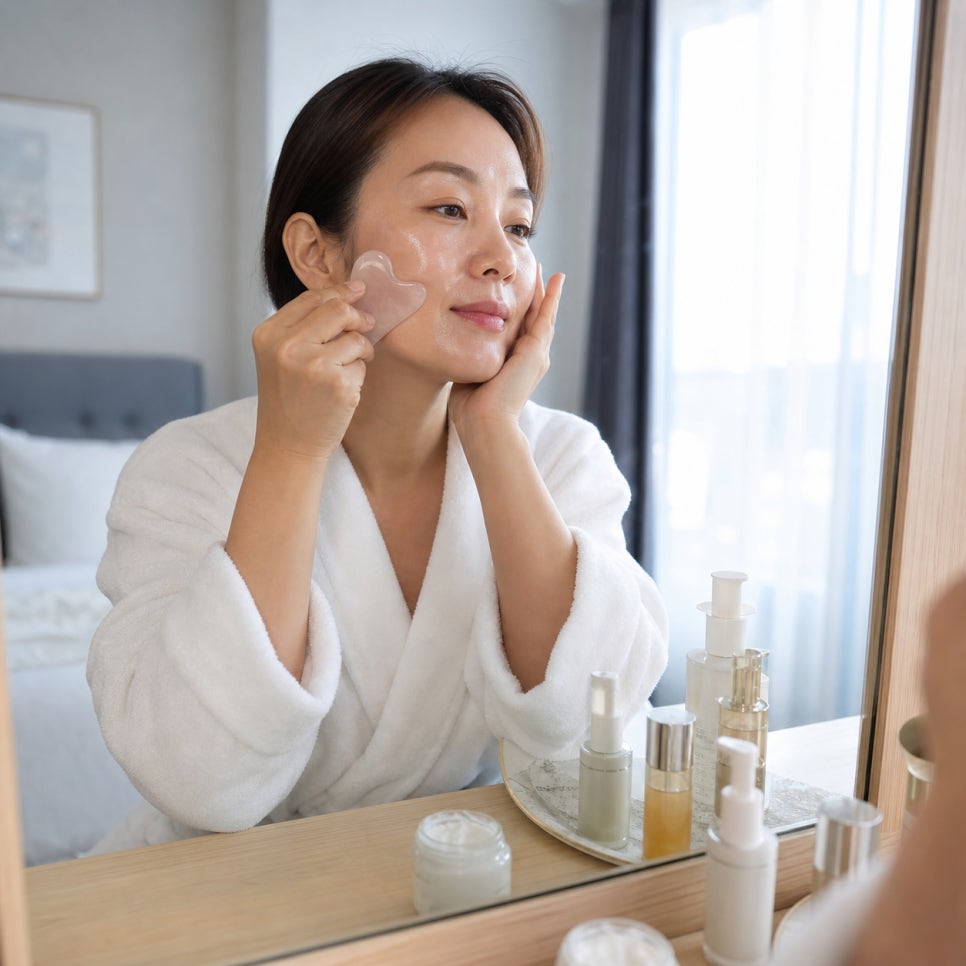
    Gua sha or gentle massage can be useful for managing facial puffiness and tension,

    and right after a session your facial contour may look more defined, making nasolabial folds seem temporarily less visible.

    But this kind of change is unlikely to reflect an actual change in the skin’s underlying structure.

    image related to nasolabial folds 8

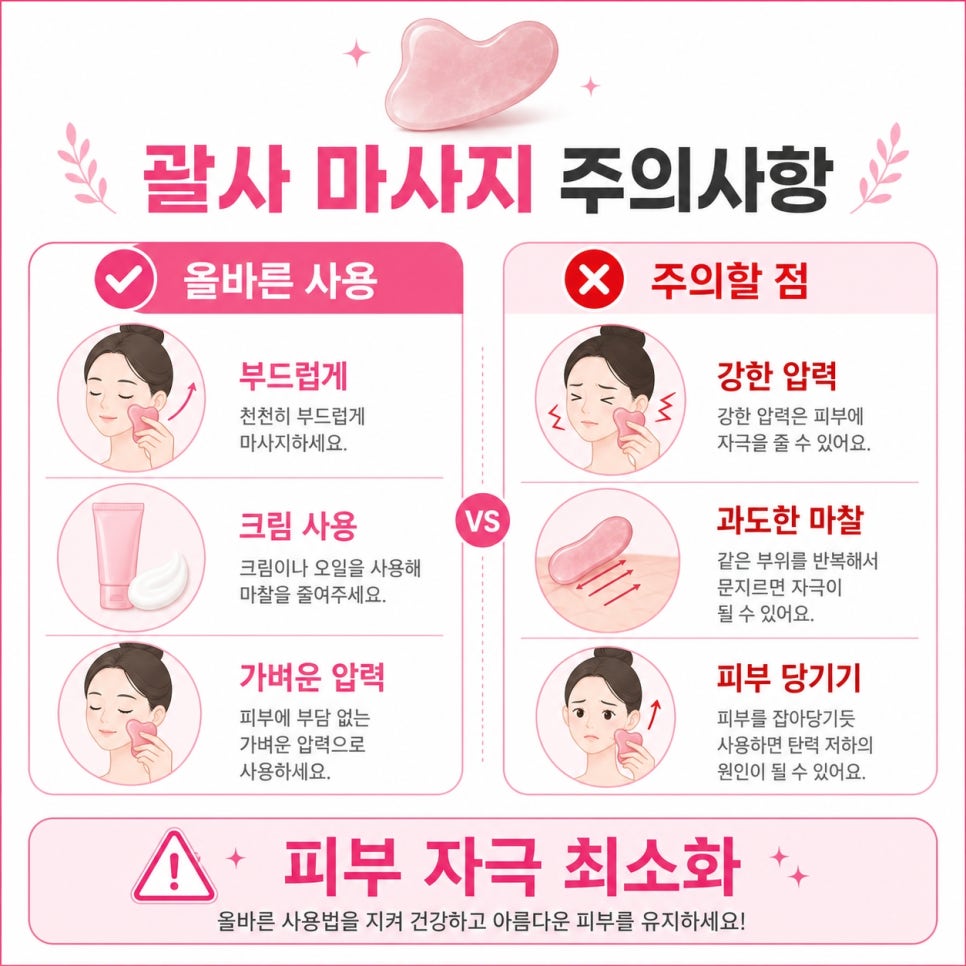
    Be especially careful about pressing hard or repeatedly pulling at the skin in an effort to get rid of nasolabial folds.

    Excessive pressure and friction can cause irritation, redness, and sensitivity.

    If you use a gua sha tool, it’s better to reduce friction with a cream or oil and work gently rather than scraping hard,

    and you should avoid vigorous massage if your skin already has breakouts or inflammation.


    What At-Home Care Can Help Manage Nasolabial Folds?

    image related to nasolabial folds 9

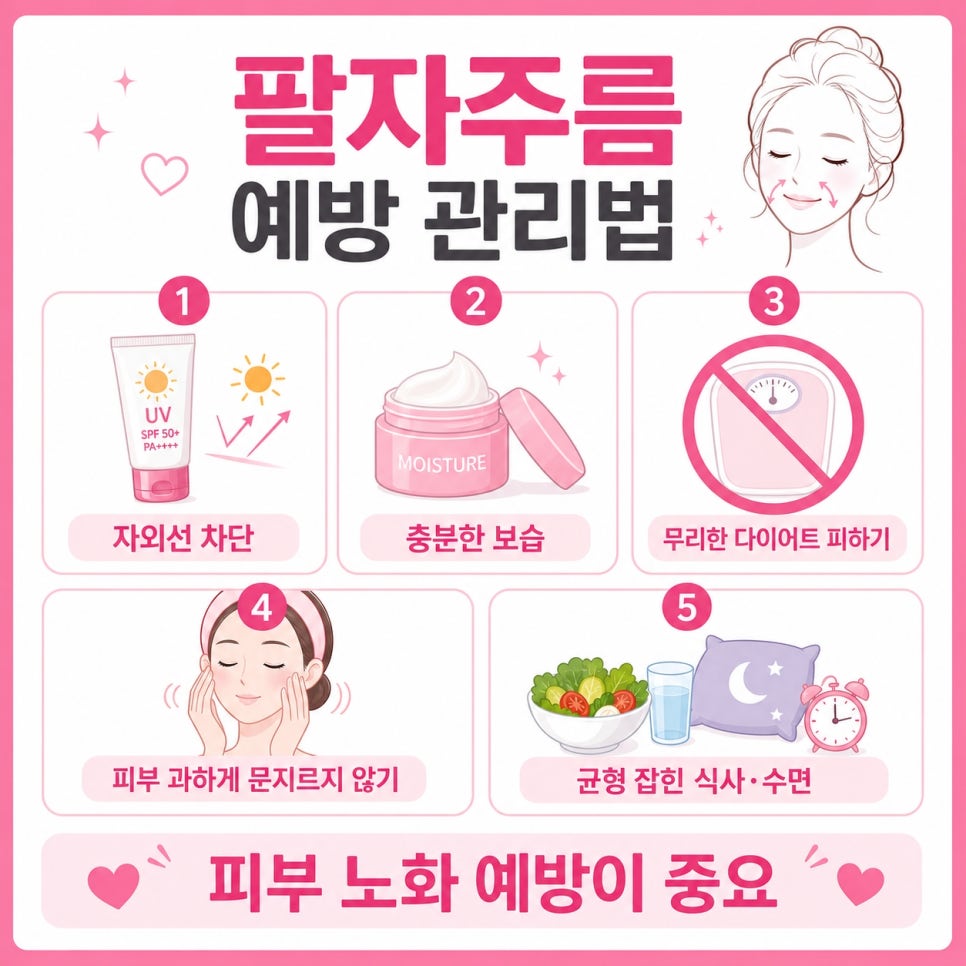
    You can’t get rid of nasolabial folds overnight, but lifestyle habits that slow down further deepening are genuinely worthwhile.

    Checklist
    ✅ Apply sunscreen before going outside year-round, and reapply during outdoor activities
    ✅ Moisturize right after cleansing, before skin has a chance to dry out, to balance hydration and oil
    ✅ Manage weight gradually instead of crash dieting
    ✅ Avoid rubbing or pulling the skin hard while cleansing or massaging
    ✅ Eat a balanced diet with protein, vitamins, and minerals, and get enough sleep

    image related to nasolabial folds 10

    Of these, UV exposure is considered one of the leading causes of aging, breaking down collagen and elastic fibers in the skin.

    And when weight drops significantly over a short period, facial subcutaneous fat and volume decrease along with it,

    which can make nasolabial folds or cheek hollowing look more pronounced than before — so it’s best to avoid rapid weight loss.

    If you’d like more information on managing your skin’s collagen condition, you can also check the Atelofill Collagen Skin Research Institute homepage.


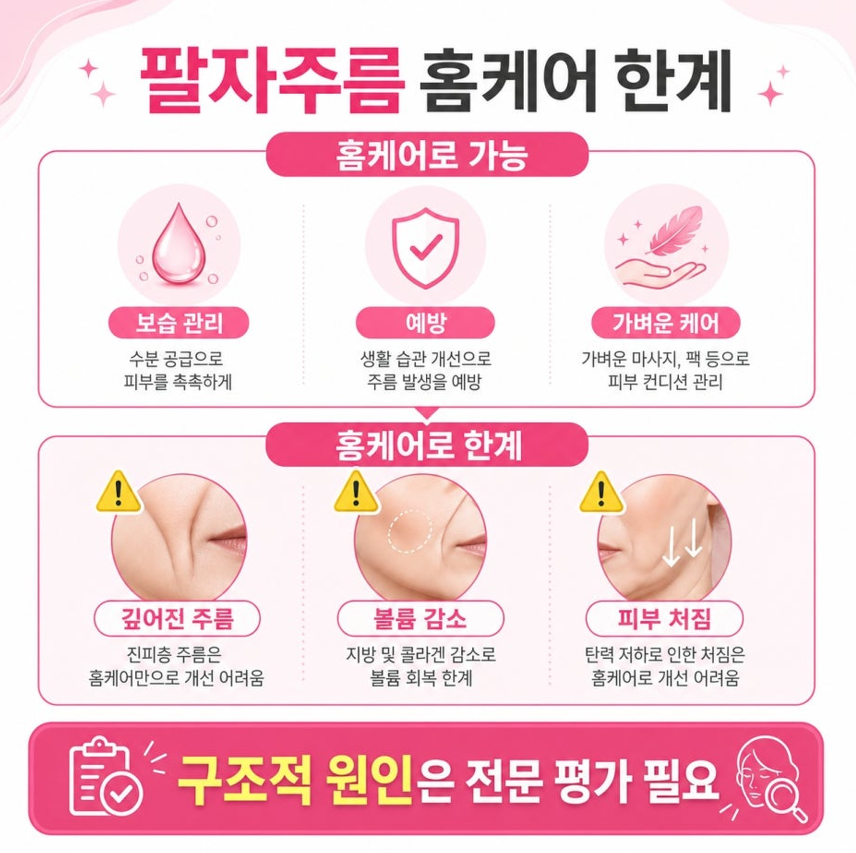
    What If Nasolabial Folds Don’t Change Despite Exercise, Masks, and Gua Sha?

    image related to nasolabial folds 11

    It’s not unusual to see little to no change even after consistently doing nasolabial fold exercises, masks, or gua sha.

    That’s because nasolabial folds aren’t just a surface-level skin issue — reduced elasticity, volume loss, and shifts in tissue position all play a role together.

    The underlying causes also vary from person to person.

    For some, thin, less elastic skin makes the folds stand out; for others, reduced facial volume or bone structure can make them noticeable from a relatively young age.

    image related to nasolabial folds 12

    In Summary
    ✔ Sun protection, moisturizing, and healthy habits are the basics of managing skin aging
    ✔ Masks and gentle massage can be used as supplementary condition-care tools
    ✔ For folds that have already deepened, it’s important to take an approach suited to your current skin condition and its underlying causes

    Frequently Asked Questions

    image related to nasolabial folds 13

    1. Is it okay to do nasolabial fold exercises every day?
    Light facial exercises are fine, but exercises that repeatedly fold the skin forcefully or put excessive strain around the mouth in an attempt to erase folds aren’t recommended. Moving your facial muscles naturally and gently is enough.

    2. Will using a sheet mask every day improve nasolabial folds?
    Masks can help with hydration and skin condition, but that’s different from actually getting rid of folds that have already deepened. Recommended usage frequency varies by product, so it’s a good idea to check the label.

    3. Will continuously pushing up on nasolabial folds with gua sha make them go away?
    Right after gua sha, puffiness may go down and your facial contour may look more defined, but this isn’t considered a way to address the structural causes of nasolabial folds. Strong pressure and repeated friction can actually irritate the skin, so caution is needed.

    4. Can nasolabial folds appear even at a young age?
    Yes, they can. Factors like reduced facial volume, bone structure, or rapid weight changes can make the nasolabial area noticeable even in relatively young people.

    References

    · Miju Joongang Daily, “The Secret to Looking Youthful Is Collagen… Down 1% a Year After Age 25,” Miju Joongang Daily. Read more
    · Hidoc, “3 Causes That Break Down the Collagen That Supports Skin Elasticity,” Hidoc. Read more
    · KorMedi, “‘My Face Suddenly Looked Older After Losing Weight’… What’s This Dieting Side Effect That Accelerates Aging?,” KorMedi, 2026. Read more
    · Korea Health Log, “Gua Sha Facial Massage: The Real Reason Dermatologists Don’t Recommend It,” Korea Health Log. Read more

    This article is intended for general health information purposes only and is not a substitute for individual diagnosis or treatment. If you have symptoms, please consult a medical professional.
  • Sun Damaged Skin Symptoms: 5 Signs & Recovery Care

    Sun Damaged Skin Symptoms: 5 Signs & Recovery Care

    SummarySun damaged skin goes beyond a simple tan — it can lead to sunburn, a weakened skin barrier, and reduced elasticity. Here’s how to tell redness and blistering apart, how to cool and calm the skin, and the right after-sun skincare order to help restore your skin barrier.

    Have you ever come home from vacation, looked in the mirror, and been startled by what you saw?
    Your face is flushed and feels hot to the touch, but it’s easy to assume it will fade in a few days.

    Here’s the thing — these symptoms aren’t just a tan. They can be an early sign of sun damaged skin.
    Left unaddressed, this can weaken the skin barrier, drain moisture, and eventually lead to a loss of elasticity.

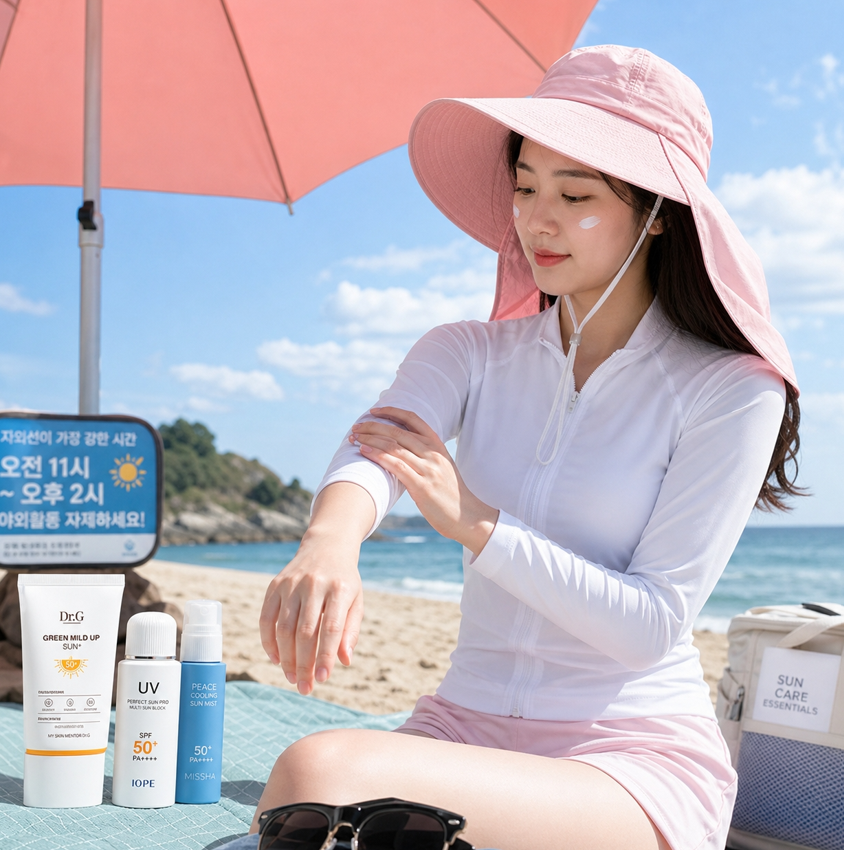
    sun damaged skin

    In this article, we’ll cover the common sun damaged skin symptoms, why they happen, and how to tell sunburn apart from mild skin irritation.
    We’ll also walk through step-by-step care — from cooling down skin heat early on to restoring your skin barrier after vacation.

    sun damaged skin illustration 2

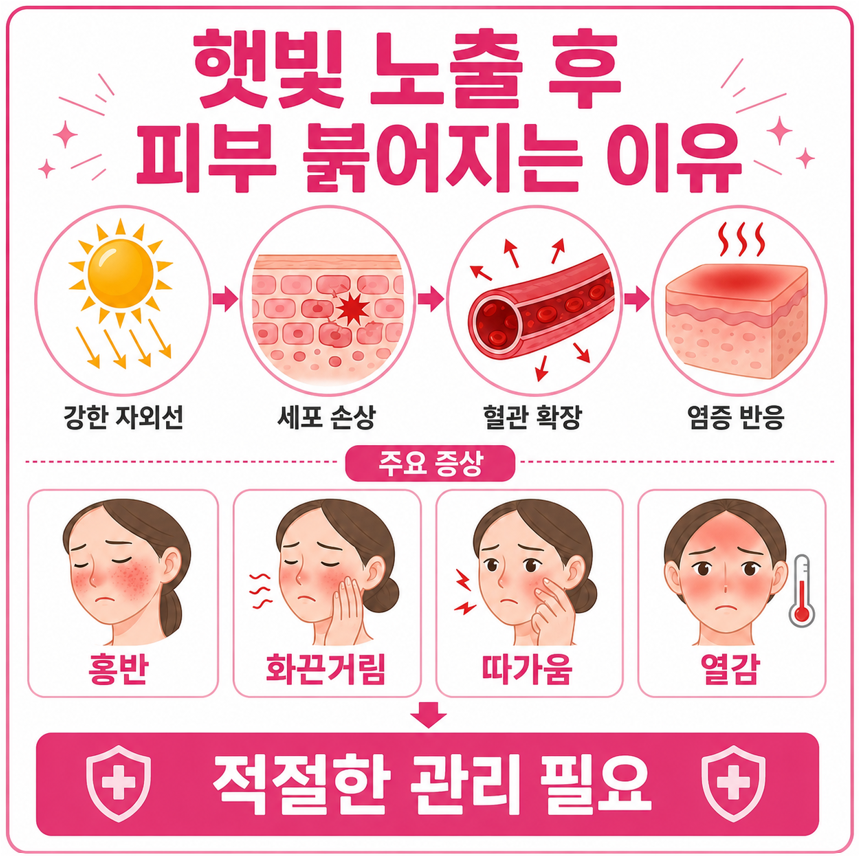
    What Are Sun Damaged Skin Symptoms, and Why Does Skin Turn Red?

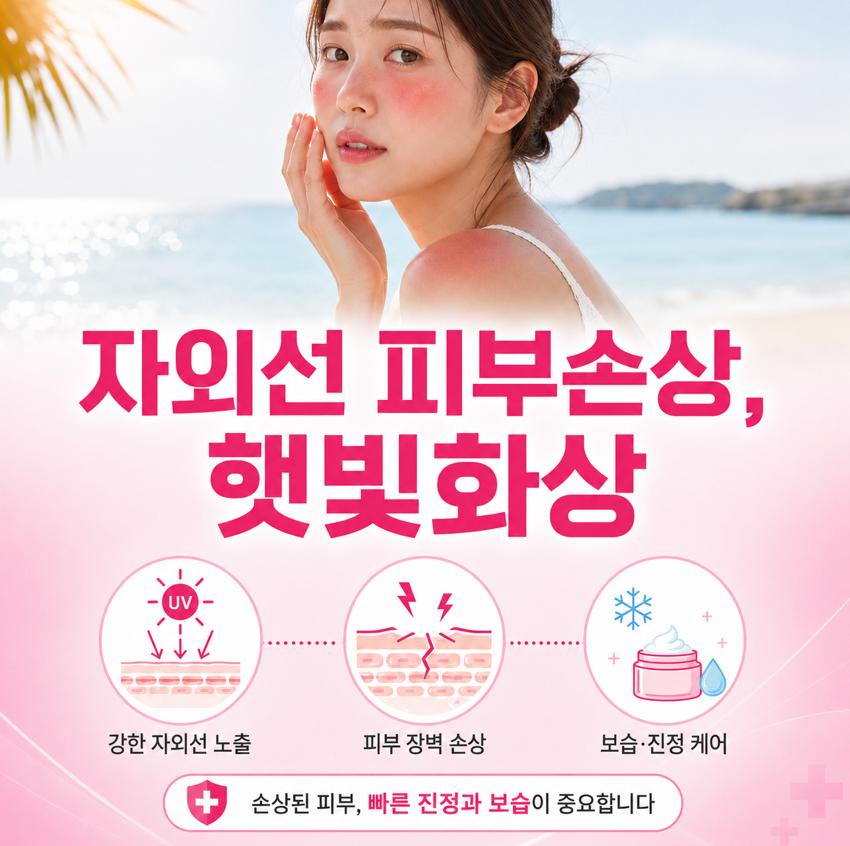
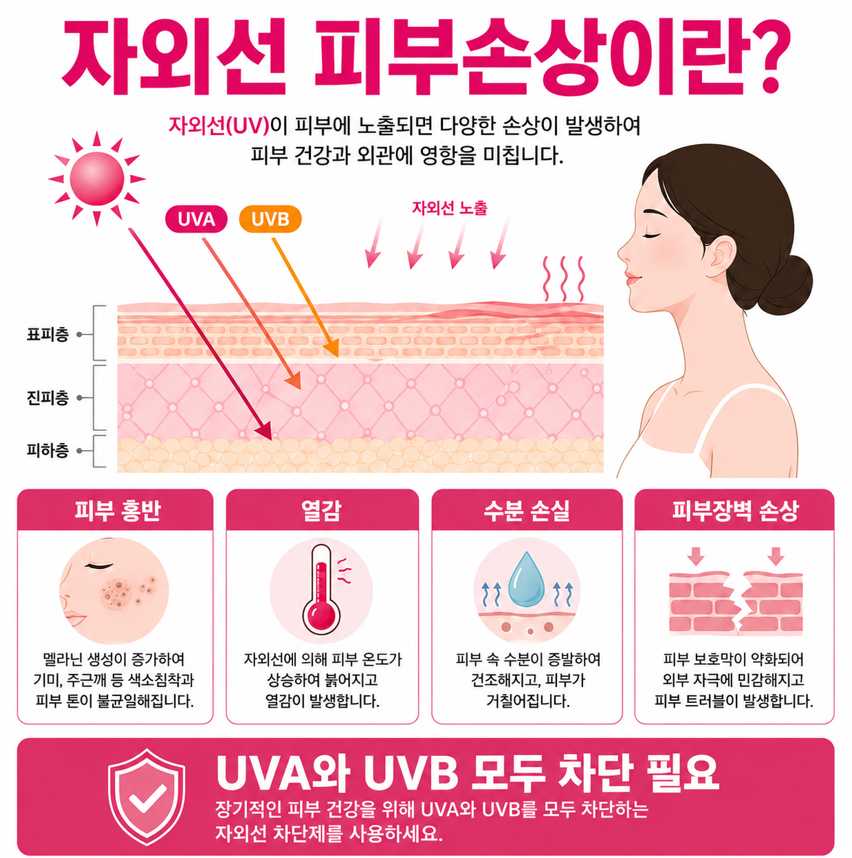
    To put it simply, sun damaged skin refers to a condition in which UV-exposed skin shows redness, heat, moisture loss, and barrier damage all at once.
    It’s a different concept from simply getting a tan.

    sun damaged skin illustration 3

    In summer, more outdoor activities and vacations naturally mean longer exposure to strong UV rays.
    UV light doesn’t just darken the skin — it can also trigger changes within the skin cells themselves.

    Key Points
    ✔ UV exposure can cause redness and a warm, heated feeling in the skin
    ✔ Moisture can be lost from the skin, weakening the skin barrier
    ✔ It may lead to hyperpigmentation and reduced skin elasticity
    ✔ Repeated exposure is considered one of the factors that can accelerate skin aging

    sun damaged skin illustration 4

    UV rays are broadly divided into UVA and UVB, and each affects the skin somewhat differently.

    Type Characteristics
    UVA Penetrates deep into the skin and may contribute to reduced elasticity and photoaging
    UVB Acts on the skin’s surface and is more likely to cause sunburn and redness

    Redness Is a Sign That an Inflammatory Response Has Begun

    sun damaged skin illustration 5

    It’s tempting to write off redness as just a tan, but it can actually signal that an inflammatory response has started.
    When skin is exposed to strong UV rays, blood vessels dilate to help repair the damaged cells.
    This process is what causes the redness, heat, and stinging you feel on your face.

    If symptoms are mild, they often improve within a day or two.

    However, continued UV exposure or a lack of proper care can weaken the skin barrier further and worsen moisture loss.


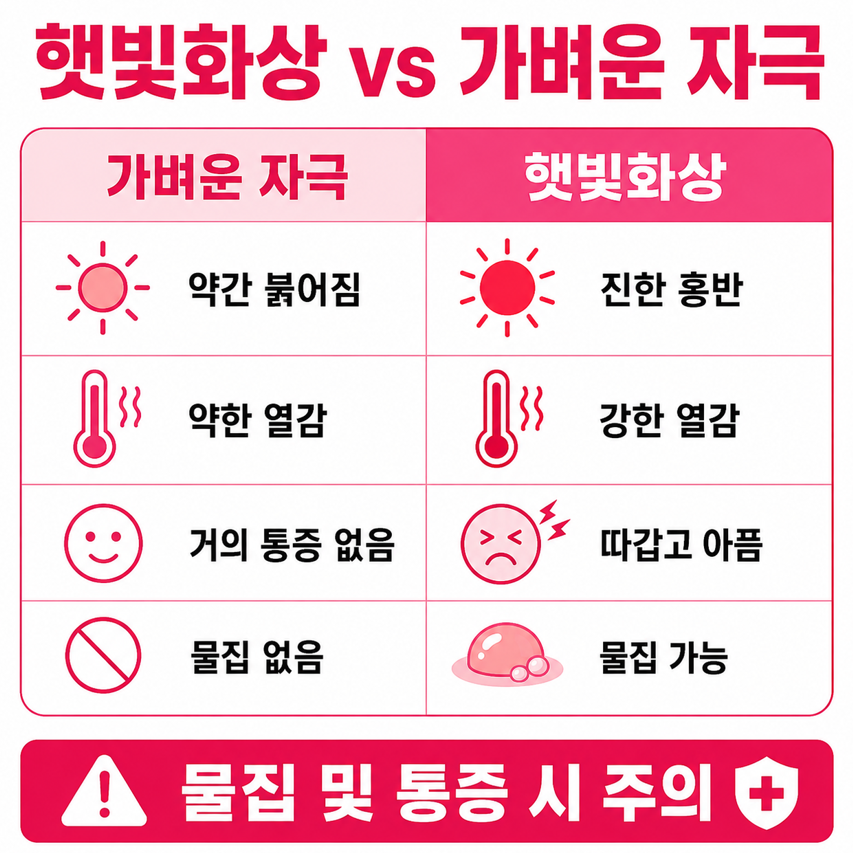
    How Can You Tell Sunburn Apart from Mild Skin Irritation?

    Not all post-vacation redness means you have a sunburn.
    That said, if symptoms are severe, it’s worth considering the possibility of sunburn.

    sun damaged skin illustration 6

    Sunburn is an acute inflammatory reaction of the skin caused by excessive UV exposure, and in severe cases it can involve blistering and pain.
    According to Korea Disease Control and Prevention Agency data, sunburn symptoms typically begin 3 to 6 hours after exposure.
    They tend to peak between 12 and 24 hours, then gradually fade over the following 3 to 7 days.

    Feature Mild Irritation Sunburn
    Skin color Slight redness Deep, intense redness
    Heat Mild Intense
    Pain Little to none Stinging and painful
    Blisters None May occur
    Recovery Improves within a few days Can take days to weeks

    If redness is accompanied by blistering or significant pain, sunburn is more likely than simple irritation.


    How Should You Manage Skin Heat and Pain in the Early Stage?

    If your skin feels hot and stings, the first step is to cool the skin down.
    Once the heat has settled, following up with hydration and soothing care can support recovery.

    sun damaged skin illustration 7

    Checklist
    ✅ Cool skin with lukewarm or cool water (never apply ice directly)
    ✅ Hydrate thoroughly with a moisturizing cream
    ✅ Pause scrubs, peels, high-strength vitamin C, and retinol products
    ✅ Drink enough water to help maintain skin hydration

    When skin is sun damaged, moisture is lost from the skin rapidly.

    That’s why soothing and hydration should be the top priority during this time.
    It’s best to hold off on active or functional products that could irritate the skin until it has stabilized.

    sun damaged skin illustration 8

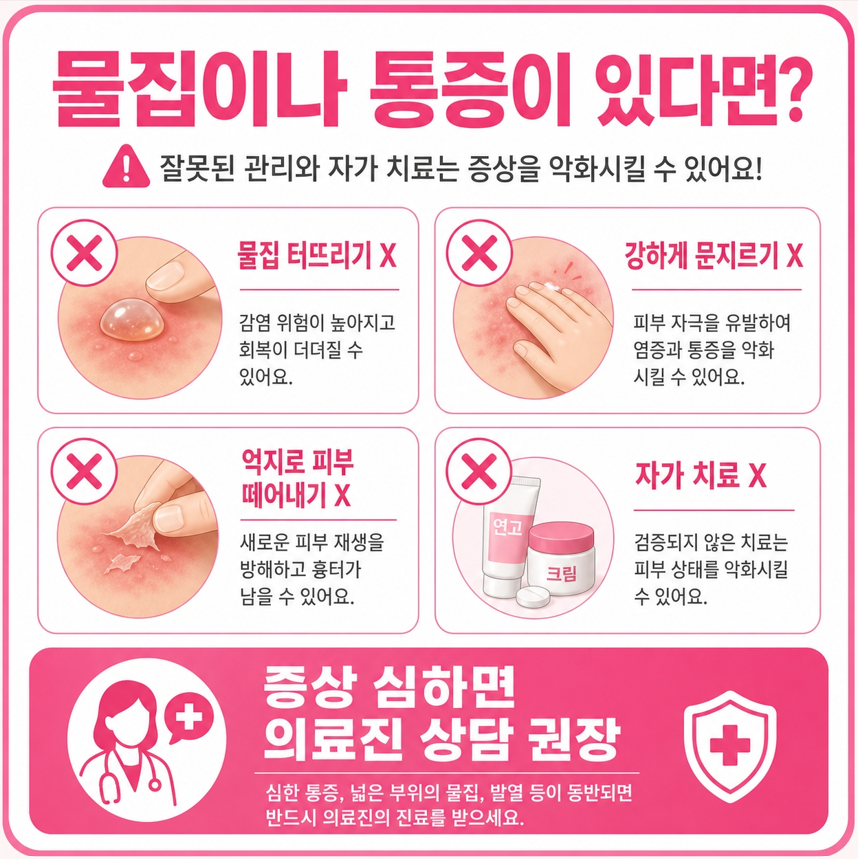
    Precautions
    ⚠ Don’t pop blisters yourself or rub the skin roughly
    ⚠ Forcibly peeling off flaking skin can raise the risk of infection
    ⚠ If you notice oozing or widespread redness, see a doctor

    If blisters form, pain is severe, there’s oozing,
    or a large area of skin is red, an accurate diagnosis should take priority over self-care.
    If symptoms don’t improve, be sure to consult a physician.


    How Do You Restore Your Skin Barrier and Prevent Elasticity Loss After Vacation?

    Many people jump straight into brightening treatments or exfoliation right after vacation.

    But at this stage, the skin barrier is often already compromised. Barrier repair should come first.

    sun damaged skin illustration 9

    When the skin barrier weakens, the following changes can occur alongside it.

    Key Points
    ✔ Increased water evaporation makes skin dry out more easily
    ✔ Skin can become more sensitive and reactive to irritants
    ✔ Redness may linger longer than usual
    ✔ Skin texture can become rougher and less refined

    sun damaged skin illustration 10

    That’s why following the right order matters for after-sun skincare.
    Step 1: soothe skin heat → Step 2: hydrate thoroughly → Step 3: repair the skin barrier → Step 4: address brightening → Step 5: reintroduce active/functional products.

    What to Expect With Proper Care
    🟢 Following this order can help redness and heat gradually calm down
    🟢 Skin hydration may be restored and texture can become smoother
    🟢 Brightening and functional products may cause less irritation afterward

    Why Does Skin Lose Elasticity, and How Can You Minimize It?

    Collagen and elastin play a key role in maintaining skin elasticity.
    Repeated exposure to strong UV rays can reduce collagen levels and accelerate its breakdown in the skin.
    As a result, skin can lose firmness and fine lines may become more noticeable.

    sun damaged skin illustration 11

    In fact, domestic research has reported UV-related collagen loss and increased wrinkling.
    To help minimize these changes, use sunscreen consistently and wear a hat and sunglasses.
    It also helps to avoid prolonged outdoor exposure and support your skin with adequate water intake, regular sleep, and a balanced diet.

    If you’d like to support skin elasticity from within,
    you can also check out the Atelofill Collagen Skin Research Institute homepage for more information on skin barrier and elasticity care.

    sun damaged skin illustration 12

    While skin is still red and warm, it’s best to avoid exfoliation, vigorous massage, and potentially irritating active products.
    Soothe and hydrate the skin first, then gradually reintroduce active products once it has recovered.


    sun damaged skin illustration 13

    Sun damaged skin can lead not only to sunburn but also to a weakened skin barrier and reduced elasticity.
    If your skin feels hot and stings after vacation, focus on cooling, soothing, and hydrating it first.
    Consistent sun protection and proper after-sun care can go a long way toward keeping your skin healthy.

    Frequently Asked Questions

    sun damaged skin illustration 14

    1. Can I exfoliate right after getting sun damaged skin?
    If your skin is red or stinging, it’s best to avoid exfoliation. Wait until the skin barrier has stabilized, then reassess before proceeding.

    2. My skin still feels hot after vacation — is that normal?
    If the heat lingers, or is accompanied by pain, blisters, or oozing, it may not be simple irritation, so it’s best to see a doctor.

    3. When can I start using brightening products after sun exposure?
    It’s generally recommended to wait until redness and heat have subsided and the skin barrier has recovered to some degree.

    4. Should I wear sunscreen even on cloudy days?
    A significant amount of UV radiation is known to pass through clouds, so wearing sunscreen even on overcast days can help prevent sun damaged skin.


    References

    · Korea Disease Control and Prevention Agency, “Sunburn,” National Health Information Portal. View source

    · Seoul National University Hospital, “Sunburn,” SNUH Medical Information. View source
    · Korean Journal of Food Science and Technology, “Preventive Effect of Collagen Peptides on Skin Photoaging,” Korean Society of Food Science and Technology, 2009. View source

    This article is intended for general health information purposes only and is not a substitute for individual diagnosis or treatment. If you have symptoms, please consult a physician.