Tag: Fine Line Care

  • Atelofill Collagen Injection: 3 Things to Check for Skin Collagen

    Atelofill Collagen Injection: 3 Things to Check for Skin Collagen

    SummaryAtelofill collagen injection is a tissue repair material based on Type I atelocollagen, used to directly replenish the collagen skin needs. This guide covers the product’s ingredients and characteristics, the skin concerns it may address, and a checklist to review before treatment.

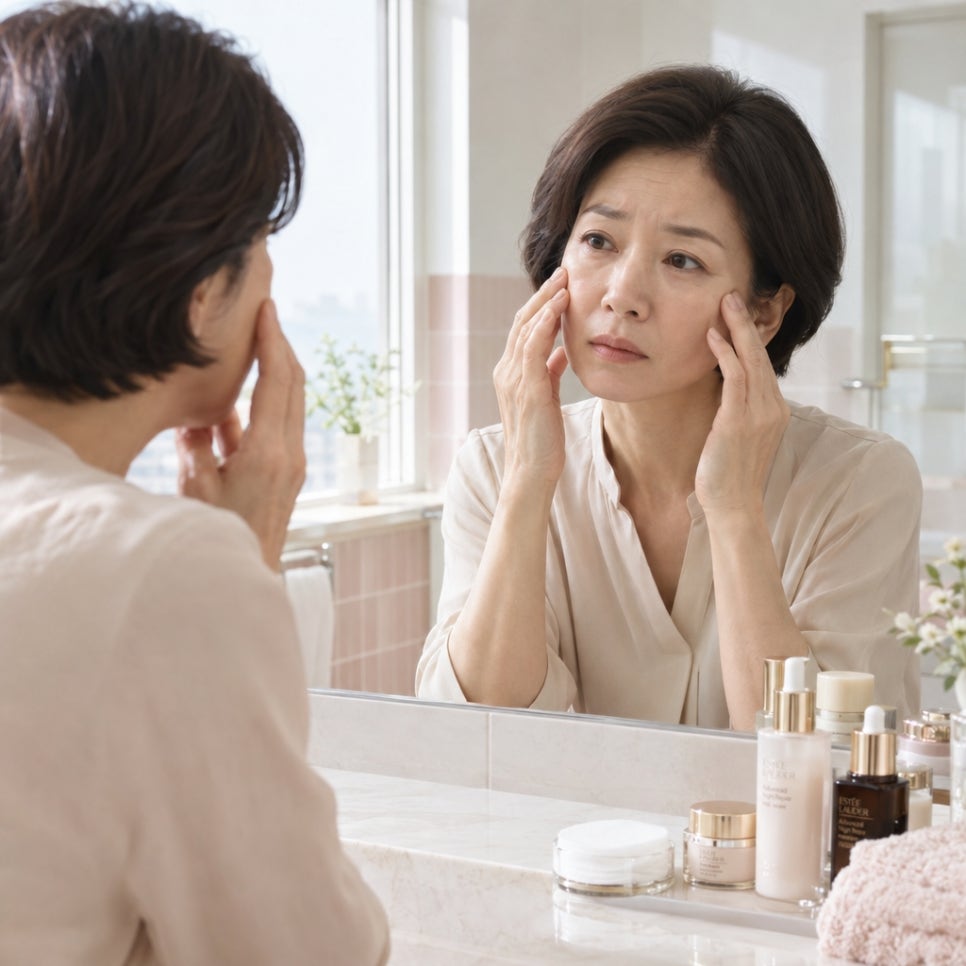
    There are moments when your reflection looks different from before.

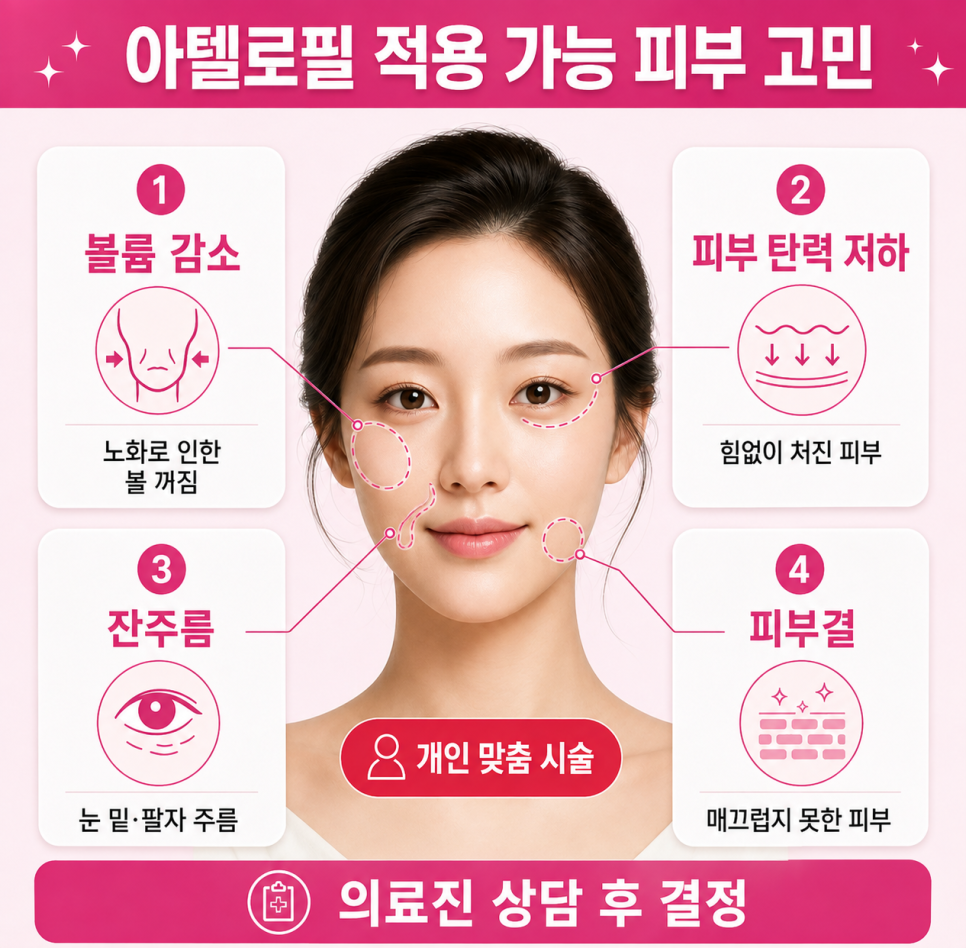
    It’s not just one more wrinkle — your cheeks or under-eye area may look hollow, and your whole face can feel like it’s lost its firmness.

    At times like this, many people start looking into ways to replenish collagen directly in the skin, such as Atelofill collagen injection.

    This article covers why skin elasticity declines, the ingredients and characteristics of Atelofill collagen injection, how atelocollagen differs from regular collagen, and a checklist to review before treatment.

    Rather than deciding based on a product name alone, it’s important to look at both the ingredients and the areas it’s applied to.

    Atelofill collagen injection

    Why Does Skin Elasticity Decline?

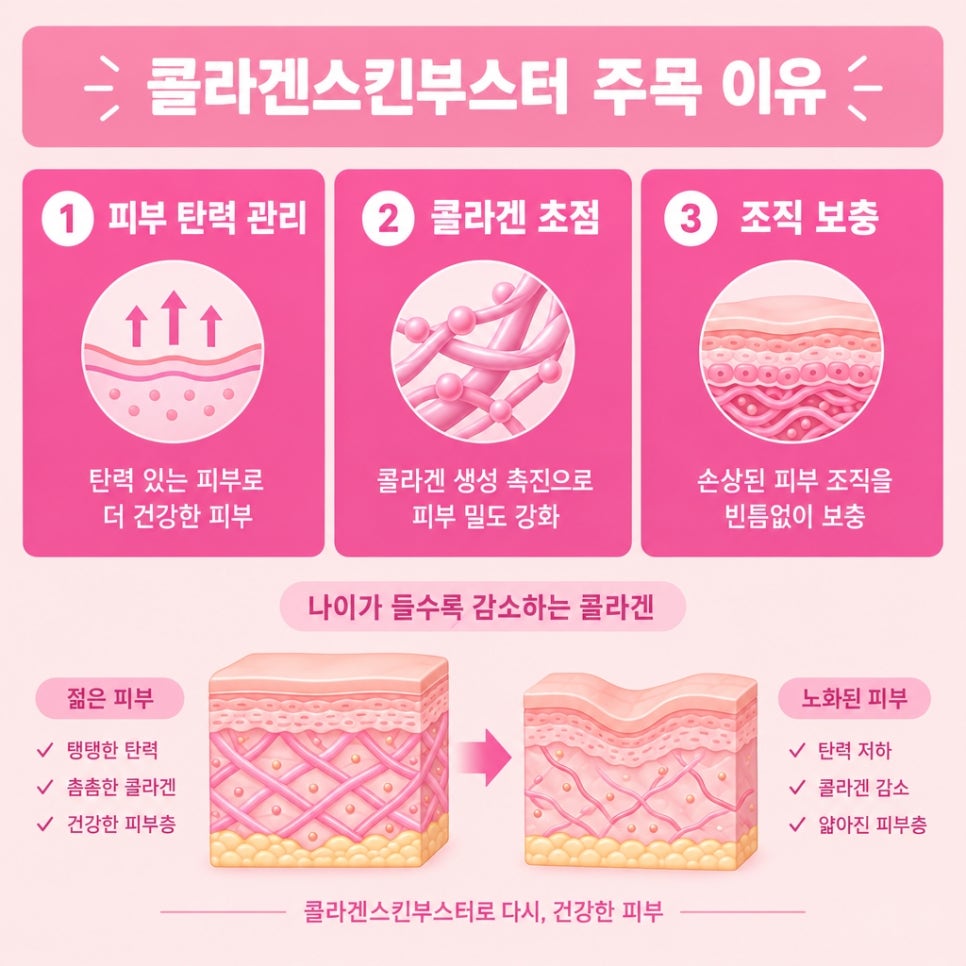
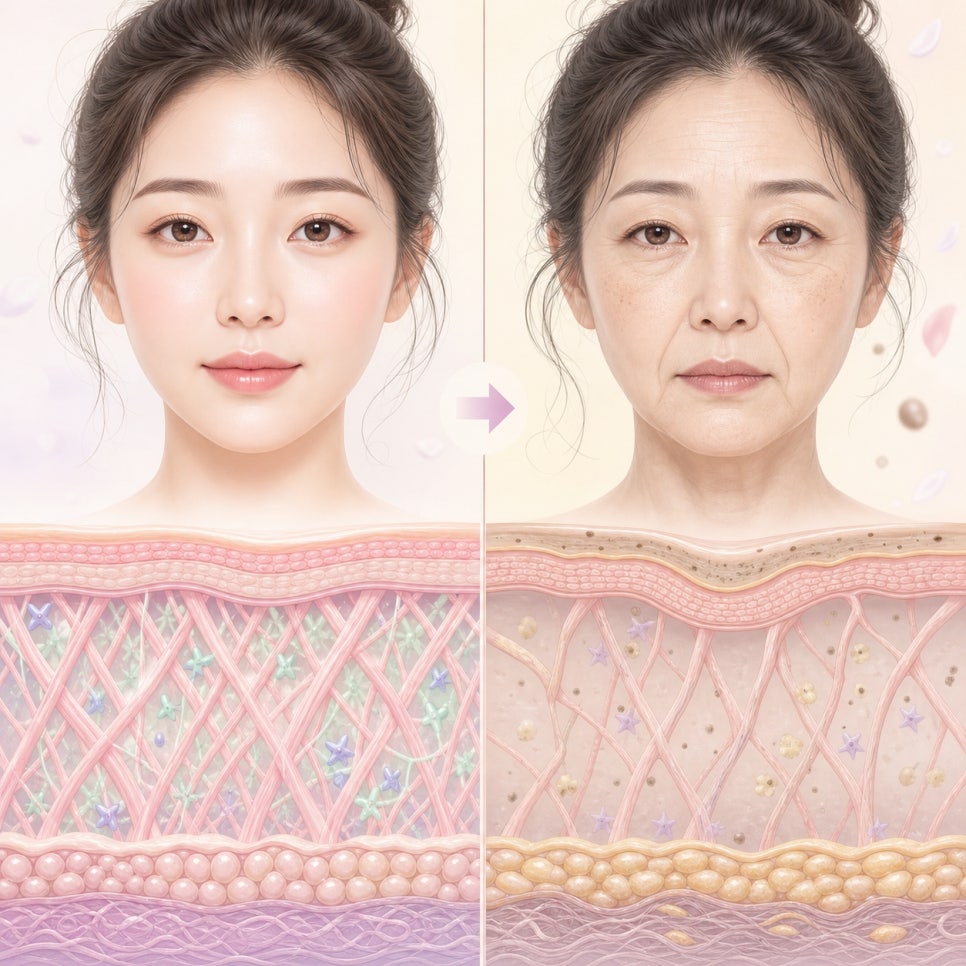
    Loss of skin elasticity occurs when declining collagen levels overlap with various external factors.

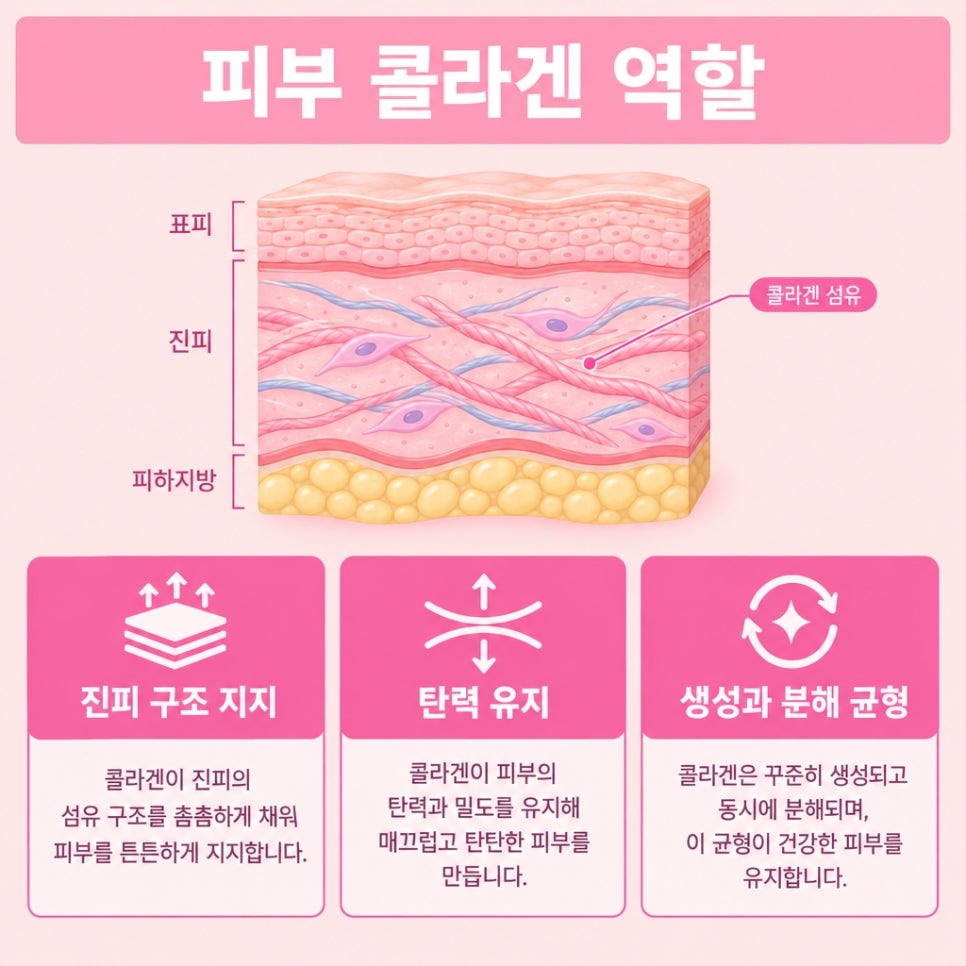
    Collagen is the key protein that makes up skin tissue and supports its structure.

    As we age, the internal environment of the skin keeps changing.

    When factors like UV exposure, dry conditions, or lifestyle habits are added on top of that, a loss of elasticity can become noticeable sooner.

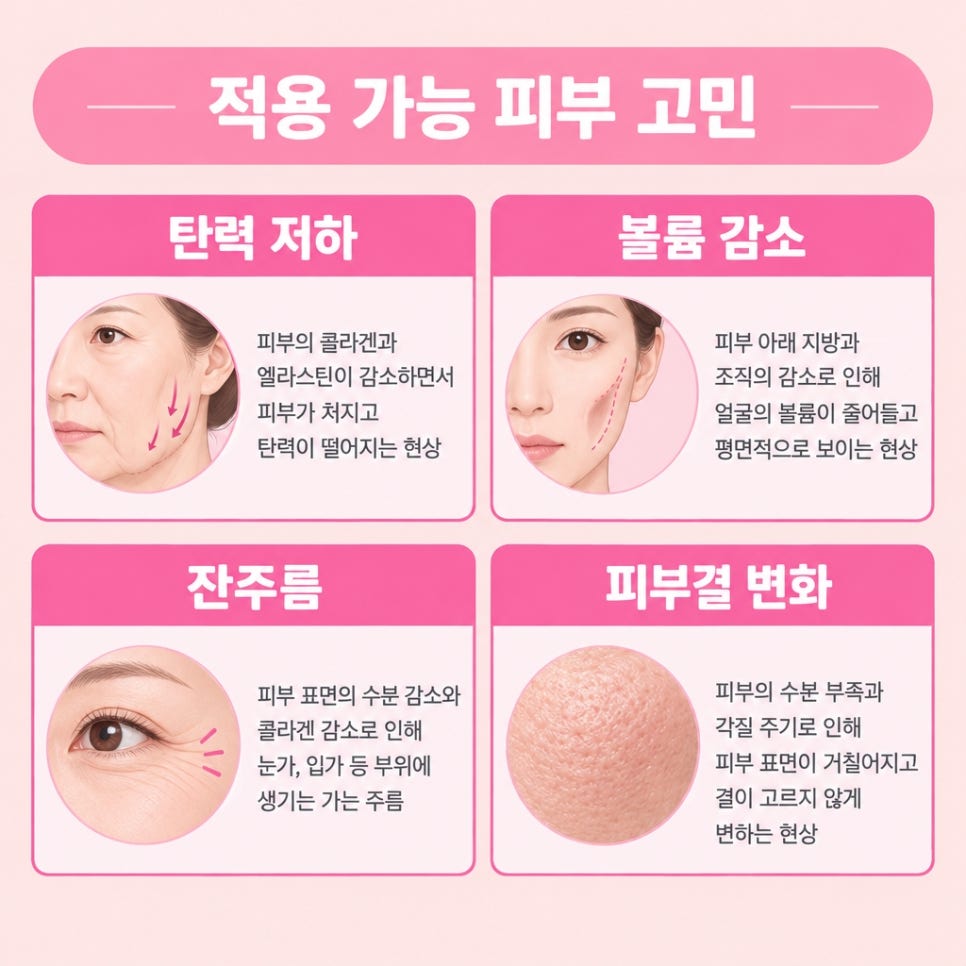
    This change isn’t limited to wrinkles alone — it can also show up in skin thickness and volume.
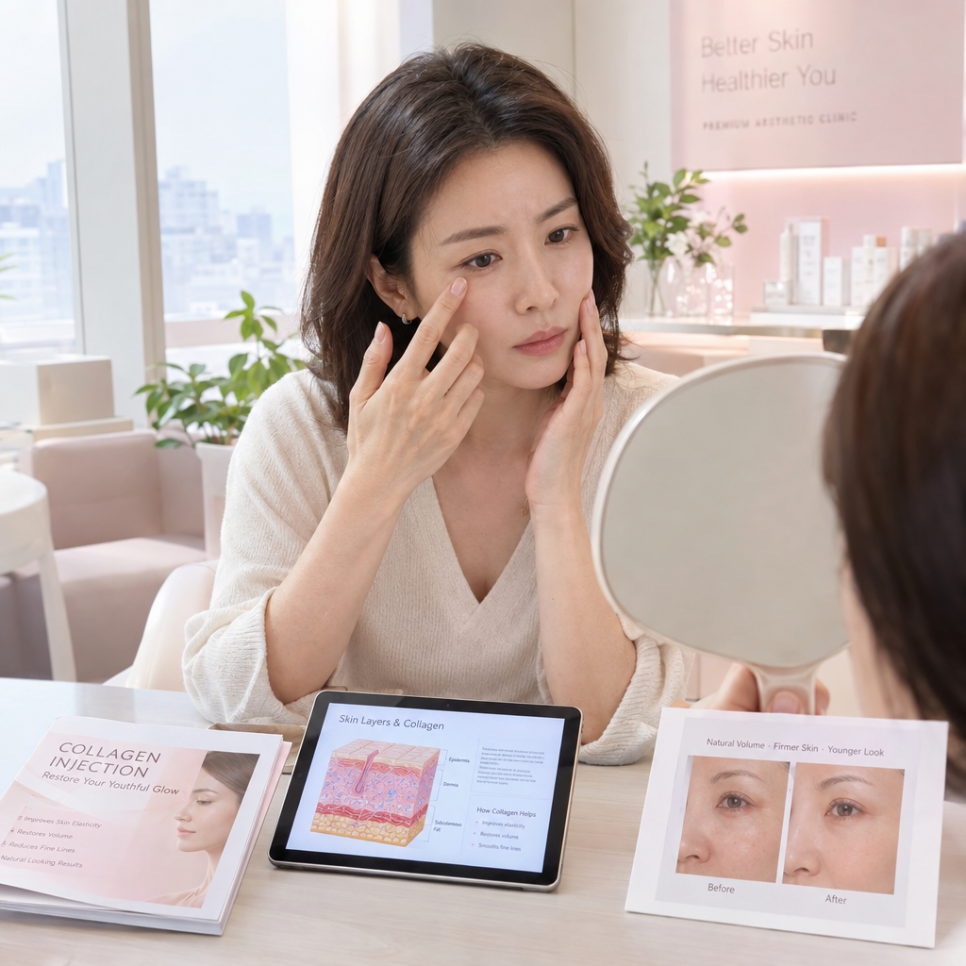
    Atelofill collagen injection related image 2

    Key Points
    · Collagen is the protein that supports the skin’s structure.
    · Elasticity loss progresses as age, UV exposure, and lifestyle habits overlap.
    · These changes can appear not only as wrinkles but also as volume loss.

    Atelofill collagen injection related image 4

    Skin Change Self-Check Checklist
    ✅ My skin feels thinner and less firm than before
    ✅ Fine lines have started to become noticeable
    ✅ Hollowing under the eyes or in the cheeks bothers me
    ✅ My skin looks loose rather than firm
    ✅ Makeup doesn’t fully hide a tired-looking appearance

    Atelofill collagen injection related image 5

    If several of these apply to you, surface-level skin care alone may feel limited.

    This is why more people are becoming interested in ways to replenish collagen within the skin’s structure itself.


    What Is Atelofill Collagen Injection?

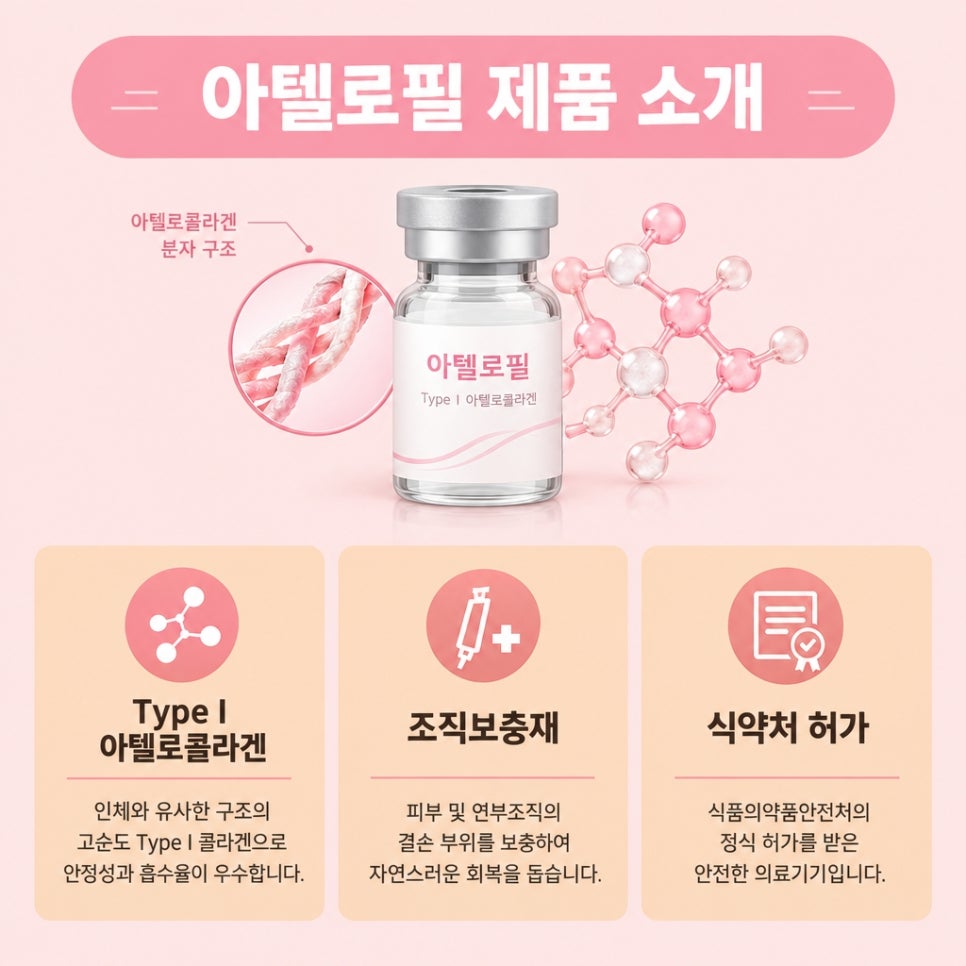
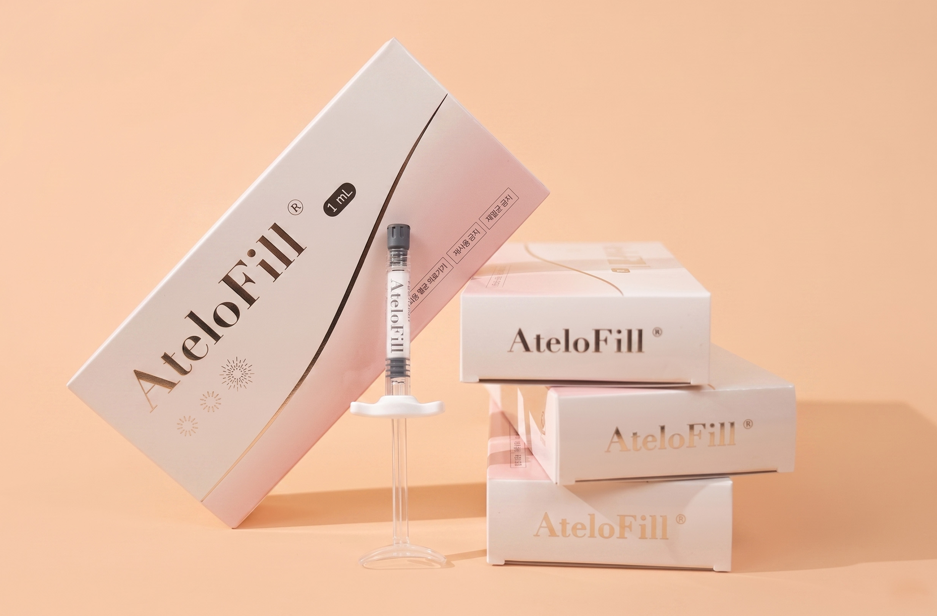
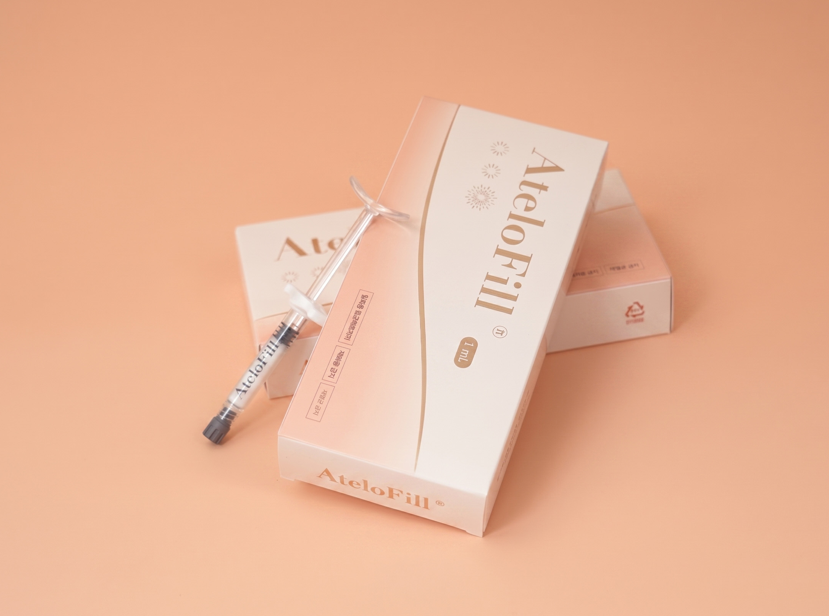
    Atelofill is a product used to replenish the collagen that skin tissue needs.

    Atelofill is known as a tissue repair material that uses collagen, based on Type I atelocollagen.

    Atelofill collagen injection related image 3

    What’s important here is that this approach differs from ingredients applied topically, like cosmetics.

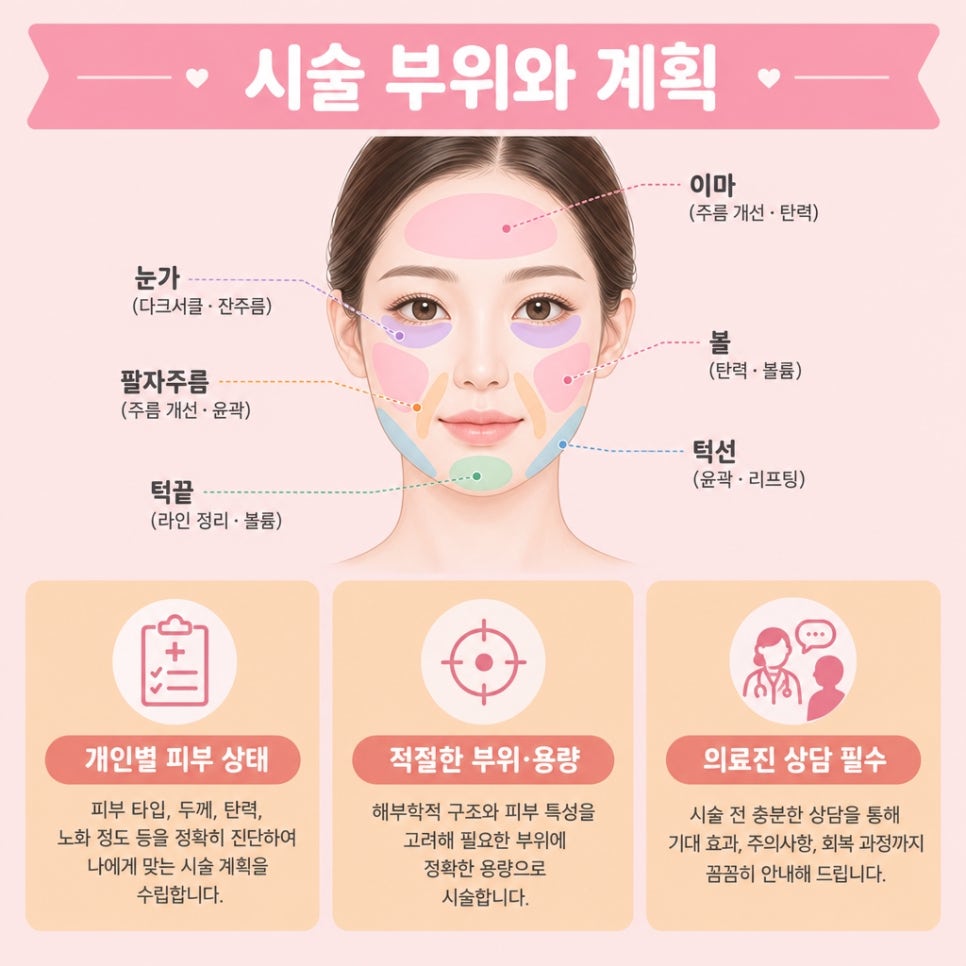
    While cosmetics focus on the surface of the skin, Atelofill is used by having a medical professional assess the skin’s condition and the areas that need attention, then inject it into the appropriate location.

    So even with the same product, where, how much, and how it’s applied all matter.

    Atelofill collagen injection related image 6

    Key Points
    · Atelofill collagen injection is known as a tissue repair material based on Type I atelocollagen.
    · It replenishes collagen within the tissue itself, not just on the skin’s surface.
    · The treatment area, amount, and method are determined through consultation with a medical professional.

    How Is Atelocollagen Different From Regular Collagen?

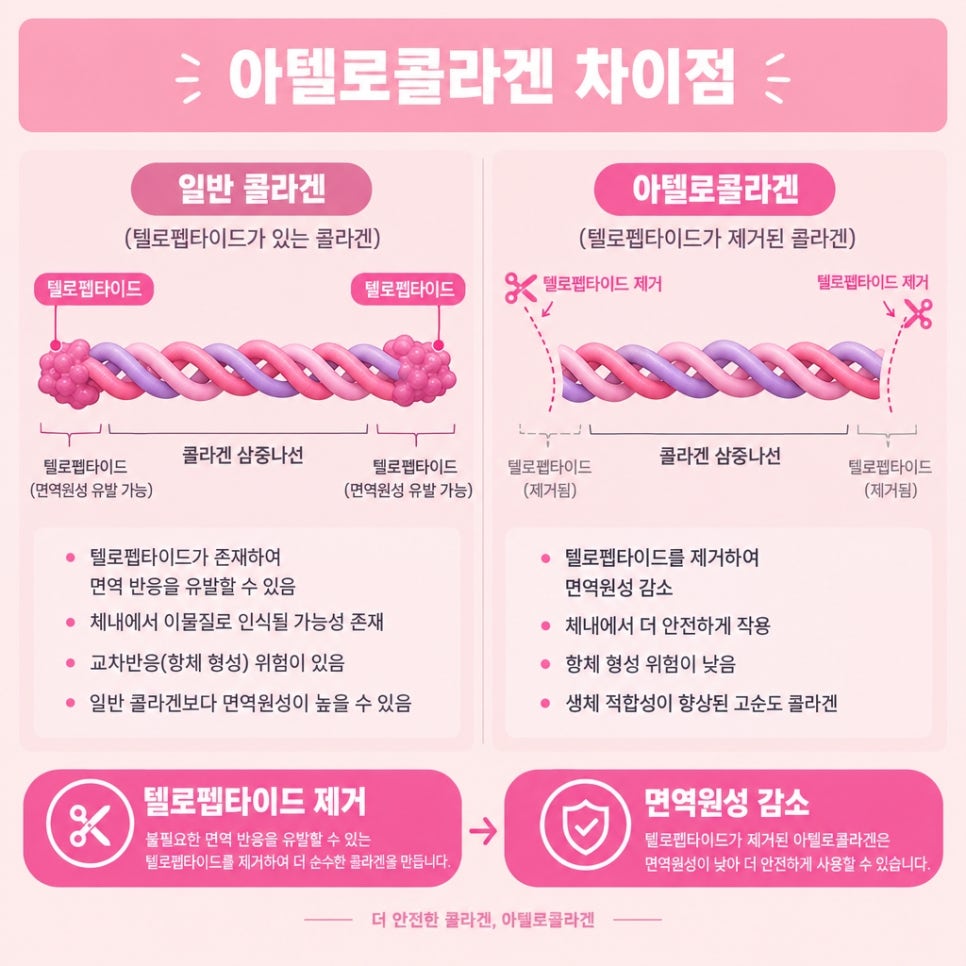
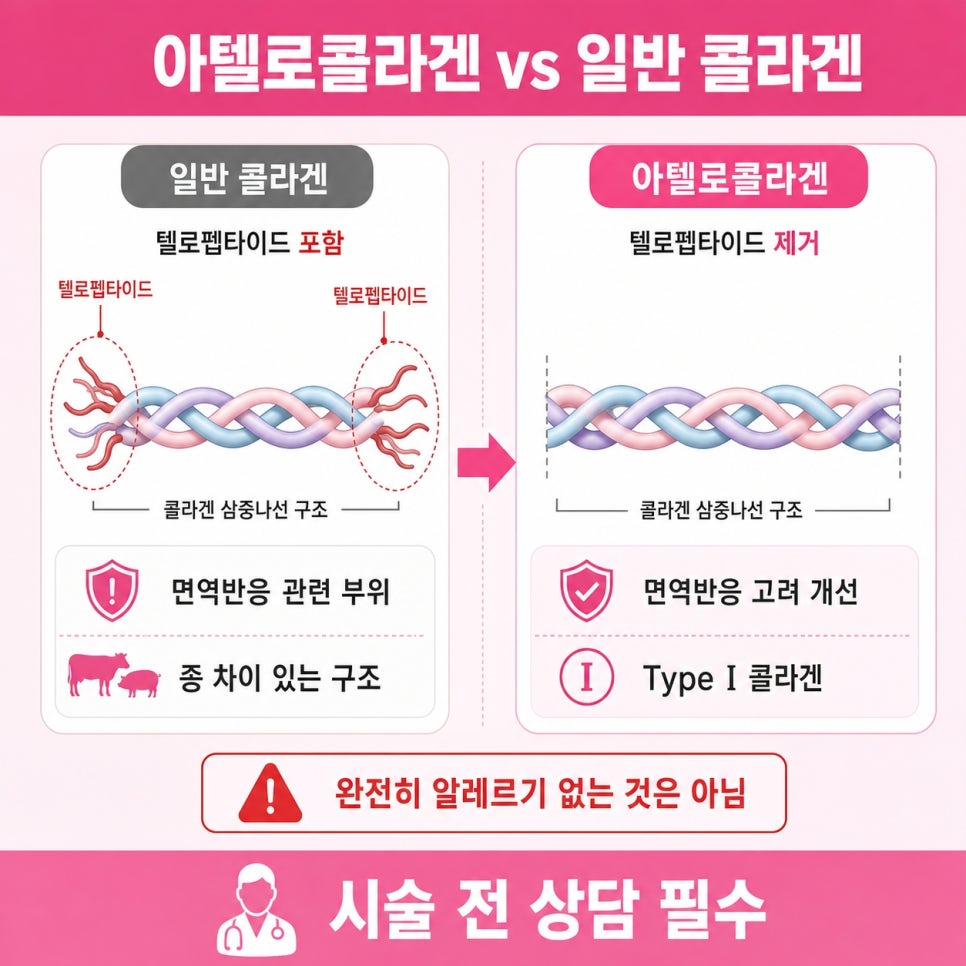
    Atelocollagen differs from regular collagen in that it is processed to reduce immune response.

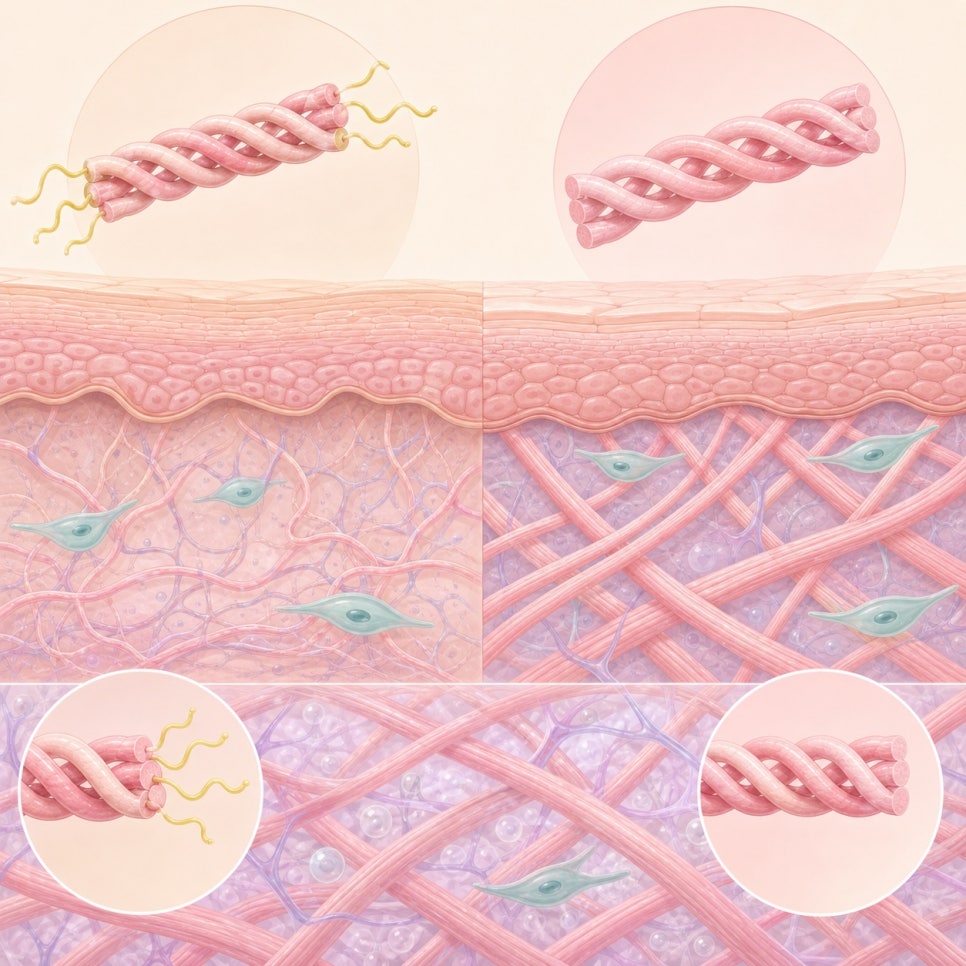
    Atelocollagen refers to collagen that has had the telopeptides at both ends of the collagen molecule removed.
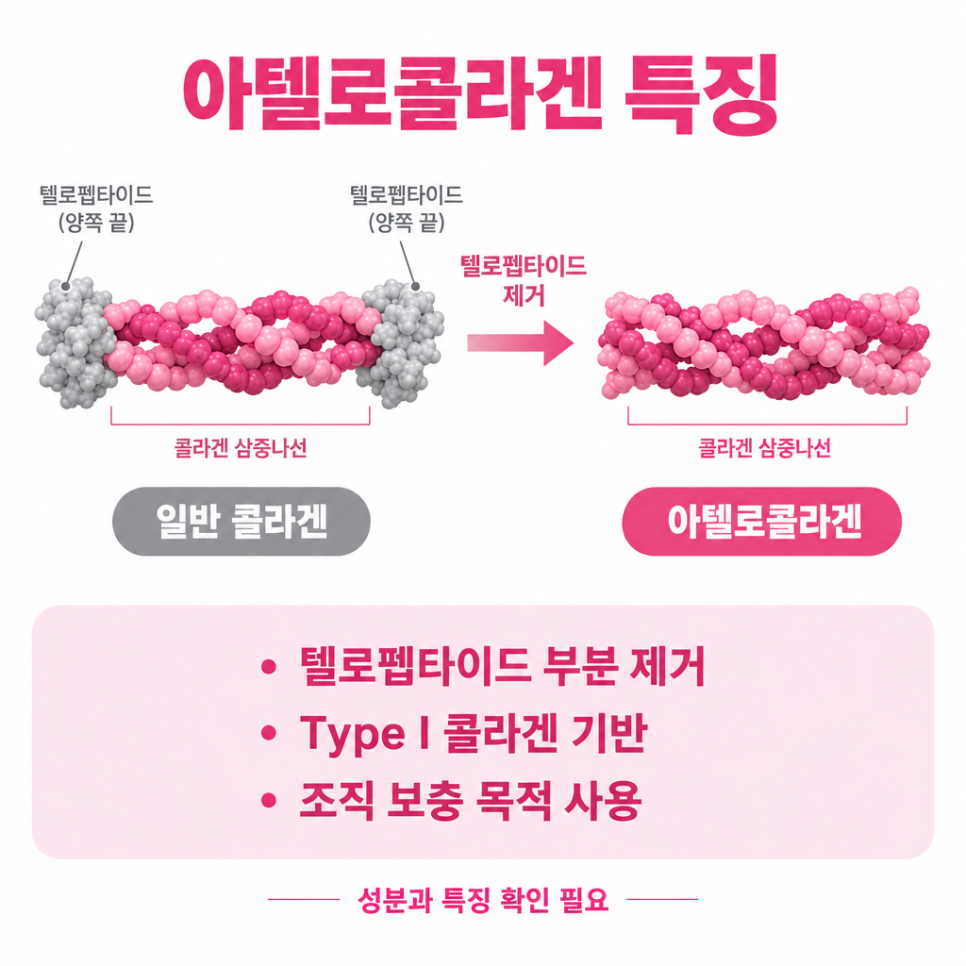
    Atelofill collagen injection related image 7

    Type I collagen molecules have a segment called the telopeptide at each end, and this segment is known to be the main cause of immune reactions.

    Atelofill is characterized by being based on this type of atelocollagen.

    Category Regular Collagen Atelocollagen
    Telopeptide Present at both ends Removed
    Main Characteristic May trigger immune response Used as a biocompatible material
    Main Use Food, cosmetic ingredients, etc. Tissue repair materials, artificial skin, etc.

    So when researching Atelofill collagen injection, it’s a good idea to check what type of collagen is used, what purpose the product is approved for, and whether the approach fits your specific skin concerns.


    What Should You Check Before an Atelofill Treatment?

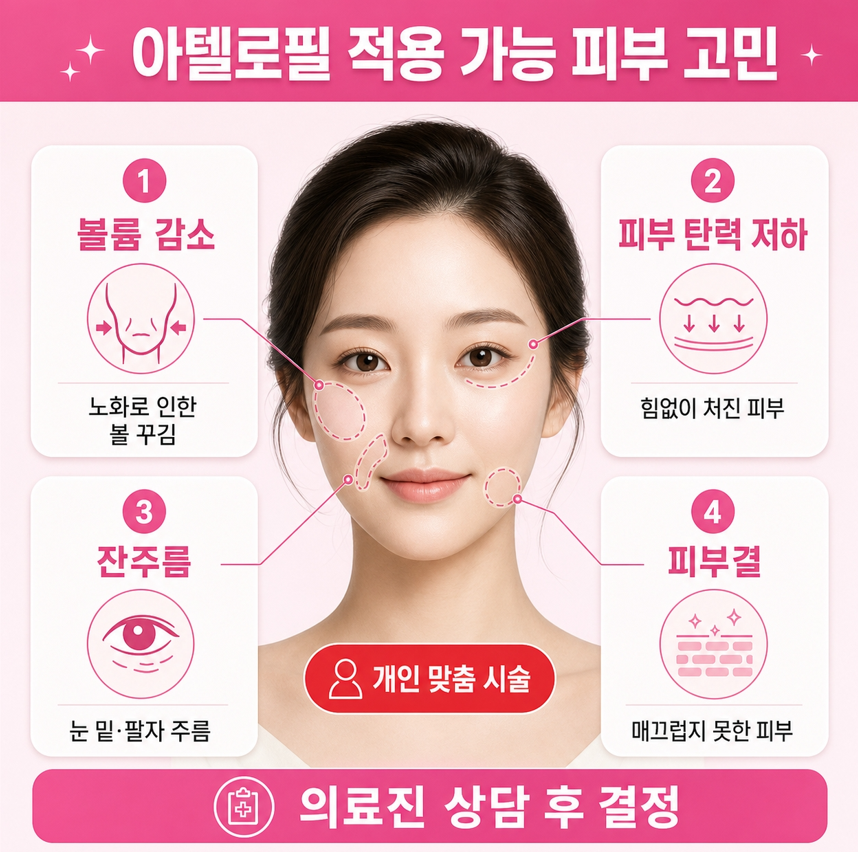
    Atelofill can be considered through consultation when you have concerns related to structural skin changes, such as loss of elasticity or volume.

    Skin Concerns Where This May Be Considered

    Atelofill collagen injection related image 8

    1. When hollowing under the eyes creates a tired-looking appearance that bothers you
    2. When volume loss in the cheek area is noticeable
    3. When declining skin elasticity is accompanied by concerns about fine lines
    4. When the skin in a specific area of the face feels thin and lacking in firmness

    That said, even similar-looking hollowing doesn’t always have the same cause.

    Factors such as skin thickness, fat distribution, bone structure, degree of aging, and facial expression habits can all play a role.

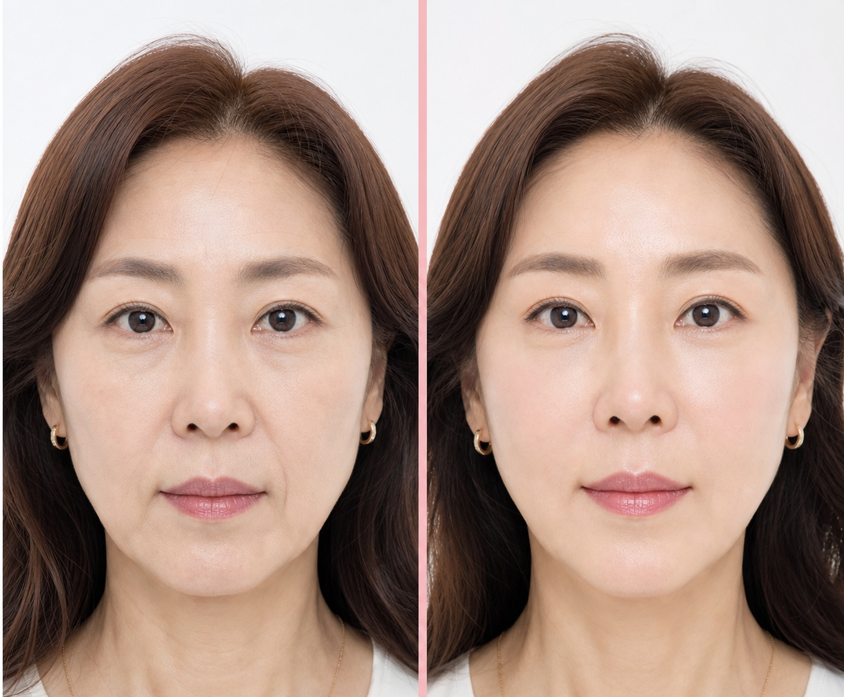
    So rather than expecting the same result as before-and-after photos seen online, it’s necessary to first have your current skin condition assessed.

    Pre-Treatment Checklist

    Atelofill collagen injection related image 9

    Checklist
    ✅ Have you confirmed the exact product name and ingredients?
    ✅ Have you identified whether your main concern is elasticity, fine lines, or volume loss?
    ✅ Have you discussed which areas will be treated and how much will be used?
    ✅ Have you been informed about possible reactions after treatment, such as redness, swelling, or bruising?
    ✅ Have you told your medical provider about any medications you’re taking or allergies you have?
    ✅ Have you reviewed not only the expected changes but also the limitations and precautions?
    Precautions
    The degree of change and how long it lasts after treatment can vary from person to person.
    Redness, swelling, or bruising may occur temporarily, so it’s important to follow your medical provider’s guidance on recovery.
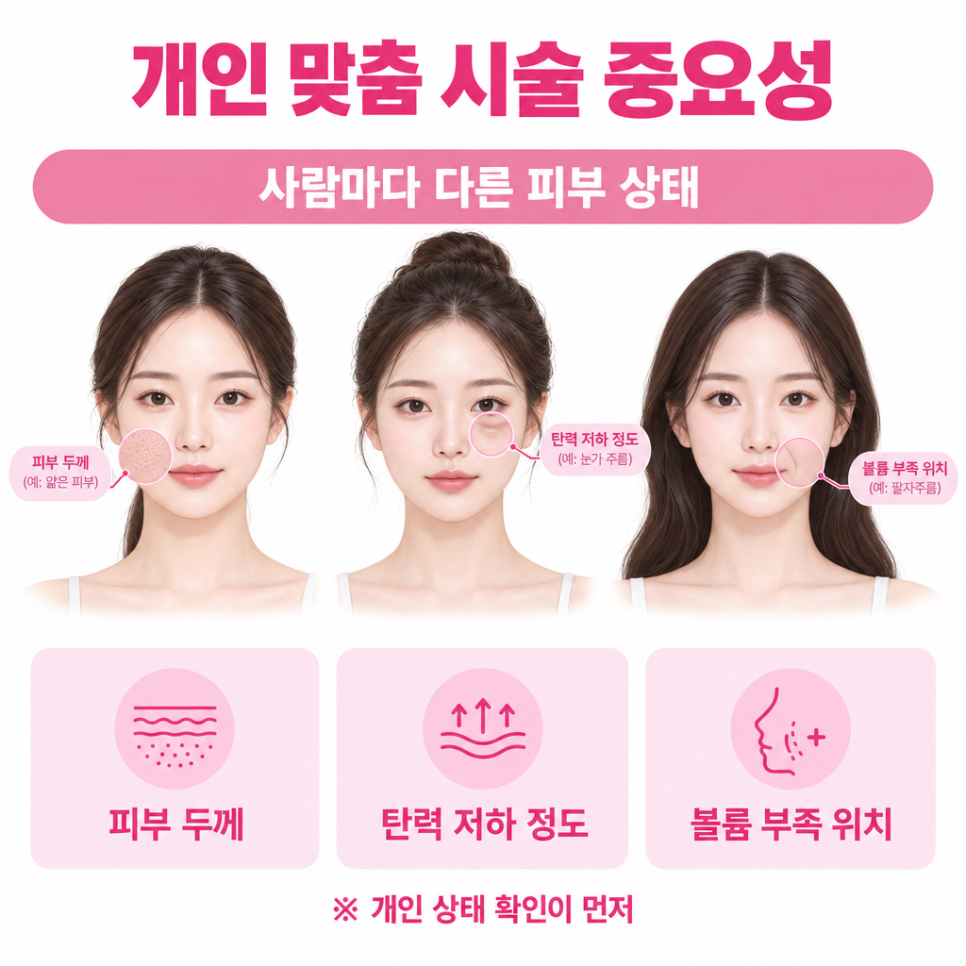
    Atelofill collagen injection related image 10

    If you’re concerned about skin elasticity and volume loss, it’s best to first understand what your skin actually needs, rather than simply following a popular treatment trend.

    If you’re considering Atelofill collagen injection, we recommend having a thorough consultation with a medical professional to confirm whether the treatment plan is right for you.

    More information is also available at the Atelofill Collagen Skin Research Institute homepage.


    Frequently Asked Questions

    1. Is Atelofill the same as a filler?
    Atelofill is known as a tissue repair material based on Type I atelocollagen. Rather than treating all injectable treatments as the same, it’s helpful to look at each product’s ingredients and intended use separately.

    2. Does one treatment produce immediate results?
    Right after the injection, swelling from the procedure itself can occur. Rather than judging by how you look immediately afterward, it’s important to follow the recovery timeline your medical provider outlines — and the degree of change and how long it lasts can vary from person to person.

    3. Is the same treatment applied across the whole face?
    No, it isn’t. Since skin thickness, the degree of elasticity loss, and areas lacking volume differ from person to person, the treatment area and amount also vary. Assessing your individual condition first is necessary.

    4. Are there precautions to keep in mind after treatment?
    Depending on the treatment area, temporary redness, swelling, or bruising may occur. It’s a good idea to inform your medical provider in advance about any medications you’re taking or allergy history.


    References

    · Jeon Young-sun, Kang Sang-mo, “The Effect of Collagen Intake on Facial Skin Wrinkles,” Journal of the Korean Society of Aesthetics and Cosmetology, Vol. 7, No. 2, 2009. View
    · Ministry of Food and Drug Safety (Korea), “Key Supplementary Case Studies – Collagen-Based Tissue Repair Materials,” Ministry of Food and Drug Safety. View


    This article is intended for general health information purposes only and is not a substitute for individual diagnosis or treatment. If you have symptoms, please consult a medical professional.
  • Collagen Skin Booster: 3 Key Features of Atelofill’s Atelocollagen

    Collagen Skin Booster: 3 Key Features of Atelofill’s Atelocollagen

    SummaryHere’s what to know before talking to a provider about collagen skin boosters and Atelofill: the ingredient profile of Type I atelocollagen, which skin concerns it may address, and what to confirm before treatment.

    Have you ever looked in the mirror and felt your face just doesn’t look the way it used to?
    No matter how much skincare you apply, your cheeks and under-eye area keep looking hollow, and firmness doesn’t bounce back easily.

    If concerns like these led you to search for collagen skin booster, you may have wondered whether the real cause lies deeper than the skin’s surface — in the collagen within the dermis itself.

    This article covers everything from what a collagen skin booster is to the ingredient characteristics of Atelofill, a Type I atelocollagen-based tissue filler. We’ll also look at which skin concerns it may be considered for and what to check before treatment.

    Key Points
    · Collagen is a major structural protein that makes up the skin’s dermis.
    · A collagen skin booster covers a range of products with different ingredients, used depending on skin condition and goals.
    · Atelofill is a collagen-based tissue filler built on Type I atelocollagen.
    · A defining feature of atelocollagen is that the telopeptide is removed during purification.

    collagen skin booster

    collagen skin booster related image 2

    collagen skin booster related image 3

    What Is a Collagen Skin Booster, and Why Is It Getting Attention?

    To put it simply, “collagen skin booster” doesn’t refer to a single ingredient.

    A collagen skin booster is an umbrella term for treatments and products that use collagen-based ingredients to support the structure of the skin’s dermis and help improve overall skin condition.

    Skin is made up of several layers, including the epidermis and dermis, and the dermis contains structural components such as collagen and elastin.
    As aging progresses and external stressors like UV exposure add up over time, the balance between collagen production and breakdown can gradually shift.

    As a result, skin firmness may start to feel different than before, sometimes alongside fine lines, changes in skin texture, and volume loss.
    That’s why interest has recently grown in approaches that go beyond surface-level care and focus on the skin’s tissue and collagen itself.

    collagen skin booster related image 4

    collagen skin booster related image 5

    collagen skin booster related image 6

    Why Isn’t Collagen Just Produced Once and Done?

    Collagen is a key structural protein found not only in skin but also in bone, cartilage, tendons, and other tissues.
    It isn’t produced once and left unchanged — the body continuously repeats cycles of production and breakdown.

    It’s worth remembering that this balance can shift depending on factors such as aging, UV exposure, and lifestyle environment.


    What Ingredients Make Up Atelofill?

    Atelofill is a collagen-based tissue filler developed by Dalim Tissen, built on Type I atelocollagen.

    Atelocollagen refers to collagen that has had the telopeptide regions at both ends of the collagen molecule removed during purification.
    Telopeptides are known as regions that may be associated with immune response.

    Purification technology has advanced toward removing these regions, and atelocollagen is introduced as a form of collagen focused on lowering immunogenicity.

    collagen skin booster related image 7

    collagen skin booster related image 8

    Key Points
    · Standard collagen: telopeptides remain at both ends of the molecule
    · Atelocollagen: telopeptides are removed during purification
    · Atelofill: based on Type I atelocollagen, a medical device approved by Korea’s Ministry of Food and Drug Safety (MFDS)
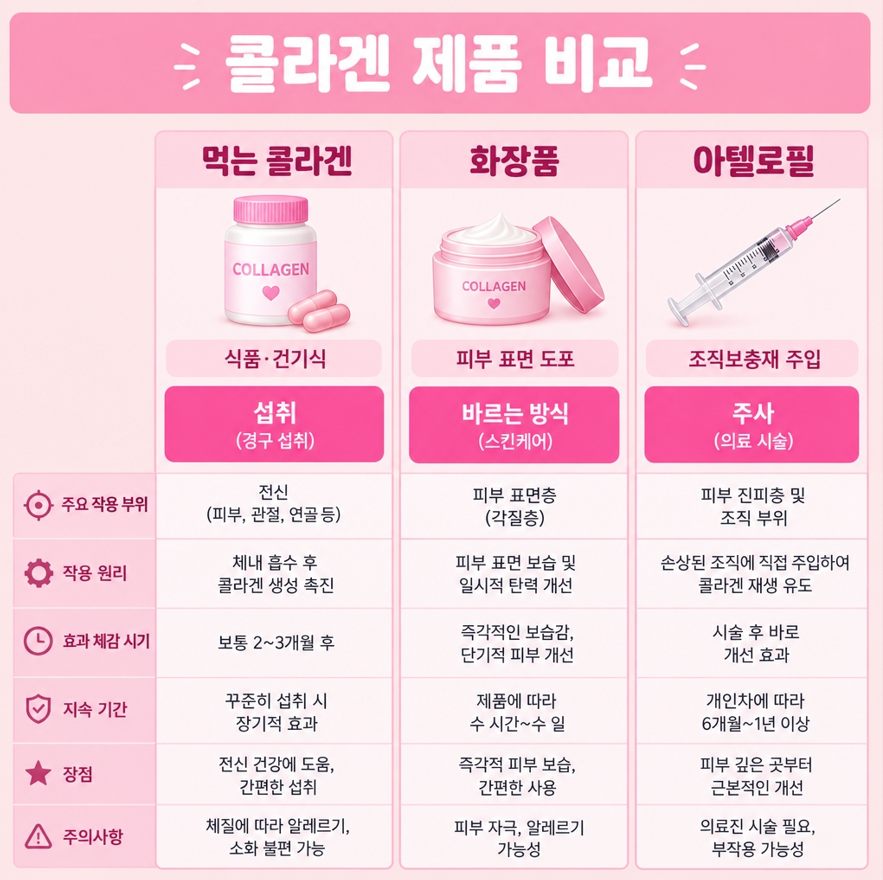
    · Different application method and purpose from oral collagen supplements and cosmetics

    The name may sound similar to oral collagen supplements or collagen cosmetics, but the application method and purpose differ.
    Oral collagen is consumed as a food or health functional food, while cosmetics are applied to the skin’s surface.

    Atelofill, on the other hand, takes a fundamentally different approach, as it’s classified as a medical device in the collagen-based tissue filler category. It also differs in characteristics from other substances such as hyaluronic acid, so rather than ranking one as superior, it’s more important to find the approach that fits your current skin concerns.

    collagen skin booster related image 9


    What Skin Concerns Might Atelofill Address?

    People researching collagen skin boosters are often dealing with more than one change at the same time.
    See if any of the items below sound familiar.

    Checklist
    ✅ My skin feels less firm than it used to
    ✅ My cheeks or parts of my face look hollow
    ✅ I’m bothered by fine lines and skin texture changes together
    ✅ I’m concerned about an overall change in my facial condition

    collagen skin booster related image 10

    If any of these apply to you, you can consult a provider to check whether Atelofill may be a suitable option.

    That said, skin thickness, firmness, and facial volume distribution vary from person to person, even within the same age group.
    That’s why determining the right treatment area and dosage matters more than simply adding more product because collagen is lacking.


    What Should You Check Before an Atelofill Treatment?

    In short, it’s not enough to check the product name alone — you need to review the actual treatment plan as well.

    The first step is to fully describe your current skin condition and areas of concern to your provider and get their input on whether Atelofill is appropriate.
    Injection sites, dosage, number of sessions, and intervals between treatments can vary depending on individual skin condition and goals.

    collagen skin booster related image 11

    Precautions
    · As with any injection procedure, temporary redness, swelling, bruising, or pain may occur.
    · Recovery can vary from person to person.
    · Be sure to inform your provider in advance about any medications you’re taking, allergy history, and past treatment history.

    collagen skin booster related image 12

    Summary
    · Oral collagen: food/health functional food, taken by ingestion
    · Collagen cosmetics: applied to the skin’s surface
    · Atelofill: Type I atelocollagen-based tissue filler, MFDS-approved medical device

    Skin aging isn’t a change that starts suddenly overnight.
    Over time, the environment that supports the skin gradually shifts, and that shift is what shows up as reduced firmness, fine lines, and volume changes.

    collagen skin booster related image 13

    Rather than choosing a treatment simply because it’s trending, it’s important to fully review your current skin condition, facial structure, and desired outcome, and consult with a provider.
    If you’d like to learn more about approaches that also take dermal collagen into account, you can find more information at the Atelofill Collagen Skin Research Institute homepage.

    collagen skin booster related image 14


    Frequently Asked Questions

    1. Is Atelofill the same as a hyaluronic acid filler?
    They can’t be considered the same product. The main ingredients and product characteristics differ, so a provider’s judgment is needed based on your desired outcome and treatment area.

    2. Is one treatment session enough?
    It’s difficult to set a single number of sessions or interval that applies to everyone. This can vary depending on skin condition, treatment area, injected volume, and individual response, so it’s best to build a plan through consultation.

    3. Can it be applied the same way across the whole face?
    It isn’t applied the same way to every area. Your provider needs to determine the appropriate area and method based on skin thickness, tissue condition, and areas of concern.

    4. Can I resume normal activities right after treatment?
    This varies by individual, but redness, swelling, or bruising may appear at the injection site. If you have an important event coming up, it’s best to plan your treatment date with the recovery period in mind.

    5. What’s the difference between a collagen skin booster and a regular filler?
    The main ingredients used and how they act within the tissue differ. An approach that replenishes collagen itself and an approach that uses other substances differ in purpose and characteristics, so it’s best to consult a provider to find what suits you.


    References

    · Hidoc, “Atelocollagen for Restoring Muscle and Cartilage… ‘Emerging as a Key Material in Regenerative Medicine,’” Hidoc, 2026. View source
    · Raportian, “Dalim Tissen Enters the Aesthetic Market with ‘Atelofill,’ Built on Its Collagen Research Technology,” Raportian, 2026. View source

    This article is intended for general health information purposes only and is not a substitute for individual diagnosis or treatment. If you have symptoms, please consult a qualified healthcare provider.

  • Atelocollagen Filler: 3 Facts to Know Before Treatment

    Atelocollagen Filler: 3 Facts to Know Before Treatment

    SummaryIf you’re considering a facial firming treatment, it’s worth reviewing the features of Atelofill—a Type I atelocollagen filler—how it differs from regular collagen, the changes you might expect, treatment time and intervals, and possible side effects, then making your decision after a thorough consultation with a licensed medical professional.

    Even when you follow the same cleansing and makeup routine,
    there are days your face looks unusually tired in the mirror.

    Your cheeks may look slightly hollow, and fine lines around the eyes and nasolabial folds can seem more noticeable than before.

    Is it simply fatigue? In many cases, these changes may actually be linked to
    shifts in your skin’s collagen.

    facial firming treatment

    This article covers what’s useful to know about collagen’s role before considering a facial firming treatment,
    along with the features of Atelofill, a tissue filler based on Type I atelocollagen.
    We’ll walk through the differences between regular collagen and atelocollagen, treatment time and intervals, and side effects and precautions, in order.

    Key Points
    ✔ A decline in facial elasticity may result from a combination of factors, including collagen changes, aging, UV exposure, and dryness.
    ✔ Atelofill is a collagen-based tissue filler made from Type I atelocollagen and is a medical device authorized by Korea’s Ministry of Food and Drug Safety (MFDS) for use in Korea; this authorization is not FDA clearance or approval in the United States.
    ✔ A defining feature of atelocollagen is that telopeptides, which may be involved in immune response, have been removed.

    facial firming treatment illustration 2

    Why Does Facial Elasticity Decline With Age?

    A decline in facial elasticity isn’t simply the result of sagging skin.
    Facial elasticity is influenced by a combination of factors, including support structures like collagen and elastin, changes in subcutaneous fat and soft tissue, repeated facial expressions, and UV exposure.

    Collagen in particular is a key protein that helps maintain skin structure,
    so when this environment changes, skin may feel thinner and less firm than before,
    fine lines can become more noticeable, and certain areas may appear to lack volume.

    According to various sources, skin collagen is known to gradually decrease each year starting in the mid-20s,
    and this decline can speed up further with UV exposure, dry conditions, and certain lifestyle habits.

    That’s why, when researching a facial firming treatment, it’s important to look beyond visible wrinkles alone
    and take a comprehensive look at your skin’s current elasticity, volume, and texture.

    facial firming treatment illustration 4


    What Is Atelofill, the Atelocollagen Filler Gaining Attention?

    Atelofill is a collagen-based tissue filler made from Type I atelocollagen, and it is a medical device authorized by Korea’s Ministry of Food and Drug Safety (MFDS) for use in Korea; this authorization is not FDA clearance or approval in the United States.
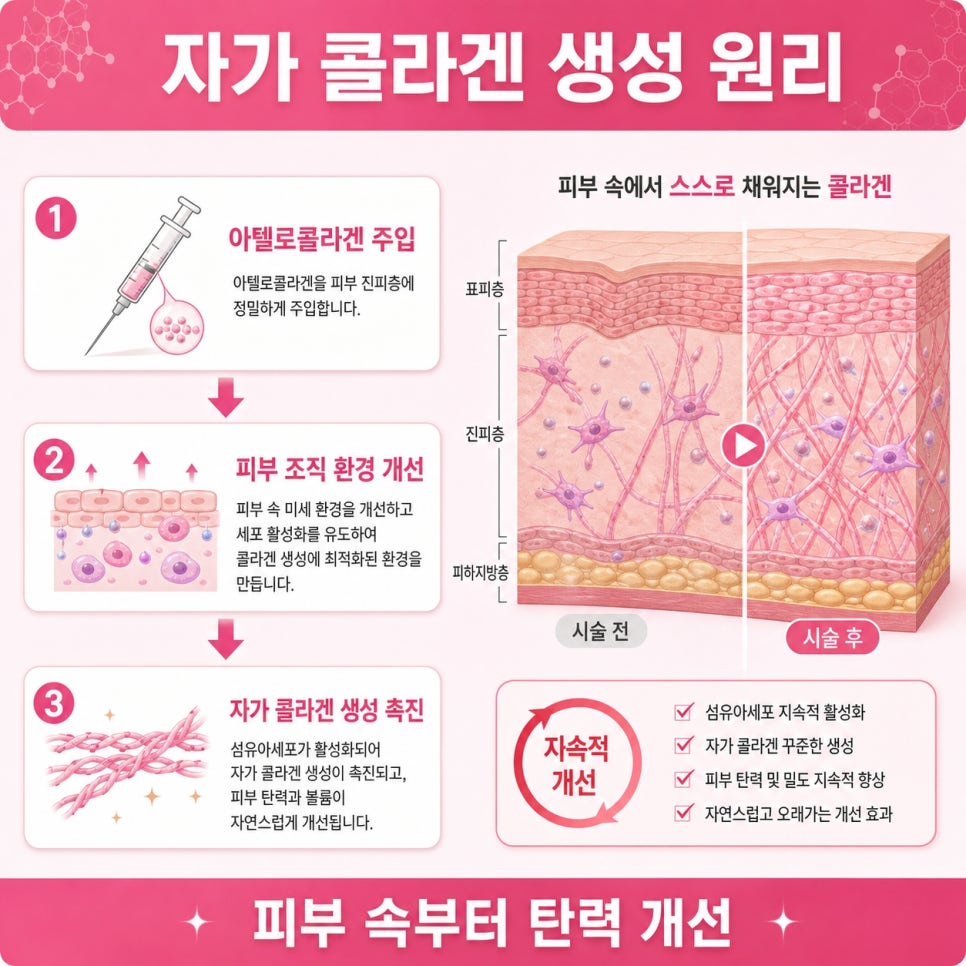
    It works by injecting the product into skin tissue to directly replenish collagen, which may help improve volume and skin elasticity.

    facial firming treatment illustration 5

    One notable point is that it may also play a role in stimulating your own collagen production.
    Because replenishing atelocollagen in skin tissue can affect the skin’s internal environment and may support your body’s own collagen production,
    it can be considered—under a medical professional’s judgment—for concerns such as volume loss, reduced elasticity, fine lines, and uneven skin texture.

    facial firming treatment illustration 6

    Key Points
    ✔ Atelofill works by directly replenishing collagen in skin tissue.
    ✔ The atelocollagen introduced may also play a role in stimulating your own collagen production.
    ✔ Results can vary depending on individual skin condition, degree of aging, and the injection site and volume.
    Changes You May Expect
    ✅ Improvement in areas with volume loss
    ✅ Improved skin elasticity in areas that appear less firm than before
    ✅ Care for noticeable fine lines
    ✅ Improvement in uneven skin texture

    That said, results are not the same for everyone.
    The degree of improvement and how long it lasts can vary depending on skin condition, treatment area, and injected volume.


    How Is Atelocollagen Different From Regular Collagen?

    Atelocollagen is collagen with the telopeptides removed from both ends of the collagen molecule.
    Telopeptides are non-helical regions where amino acid sequences vary between species, making them a part of the molecule that can be associated with immune response.

    facial firming treatment illustration 7

    Category Regular Collagen Atelocollagen
    Telopeptides Present Removed
    Potential for Immune Response Relatively higher Relatively lower
    Main Use Limited Medical materials such as tissue fillers

    That said, removing telopeptides does not completely eliminate the possibility of allergies or immune reactions.
    If you’ve previously experienced a hypersensitivity reaction to collagen or related ingredients, be sure to inform your medical provider before treatment.

    facial firming treatment illustration 8


    What Are the Treatment Time, Intervals, and Side Effects?

    Atelofill treatment time varies by area but typically takes about 20 to 40 minutes.
    Afterward, redness, swelling, or bruising may appear at the injection site, and some discomfort may last for about 1 to 3 days.

    facial firming treatment illustration 9

    The number of sessions also isn’t the same for everyone.
    Depending on skin condition and goals, 2 to 3 sessions spaced 2 to 4 weeks apart may be considered,
    after which follow-up touch-up treatments may be considered if needed, based on how well results are maintained.

    facial firming treatment illustration 10

    In terms of side effects, redness, swelling, bruising, and pain may occur at the injection site,
    and you may temporarily notice small nodules or an uneven surface.

    In rare cases, infection, inflammation, or hypersensitivity reactions may occur,
    so if any abnormal reaction persists or worsens, you should contact the clinic where you received treatment.

    facial firming treatment illustration 11

    Precautions
    ⚠ Redness, swelling, bruising, and pain may temporarily occur at the treatment site.
    ⚠ In rare cases, infection, inflammation, or hypersensitivity reactions may occur.
    ⚠ If any abnormal reaction persists, contact the clinic where you were treated immediately.
    When You Should Always Consult a Medical Professional Before Treatment
    ✅ If you have a history of hypersensitivity to collagen or injected ingredients
    ✅ If you are pregnant or breastfeeding
    ✅ If you have active infection, inflammation, or a skin condition at the treatment site
    ✅ If you have a history of abnormal scarring, such as keloids
    ✅ If you have an autoimmune condition or another issue requiring separate medical judgment

    facial firming treatment illustration 12

    Rather than assuming ‘a fixed number of sessions will finish the job’ or that results ‘will definitely last a certain number of months,’
    it’s better to build a plan around your actual post-treatment changes and skin condition.


    When skin starts to feel different than before, many people first turn to new skincare products or home care routines.
    But if changes in elasticity and volume are already a concern,
    looking beyond the skin’s surface to your skin’s internal collagen environment can be another approach worth considering.

    facial firming treatment illustration 15

    What matters isn’t whether a treatment is popular, but whether it’s right for your skin right now.
    If you’re considering a facial firming treatment, we recommend reviewing not only Atelofill’s features and possible changes,
    but also its side effects and precautions, and making your decision after consulting a medical professional.

    For more information about Atelofill, you can also visit the Atelofill Collagen Skin Research Institute website.


    Frequently Asked Questions

    1. Is Atelofill the same as a regular filler?
    Atelofill is a collagen-based tissue filler made from Type I atelocollagen. Because ingredients and approved uses vary by product, it’s best to check the specific ingredients and characteristics of the product being used rather than assuming it’s the same as other treatments.

    2. Do I only need one facial firming treatment session?
    The number of sessions needed depends on your individual skin condition and treatment goals. Atelofill is generally considered in 2 to 3 sessions spaced 2 to 4 weeks apart, but your actual treatment plan will be determined by your medical provider’s assessment.

    3. Can I resume normal activities right after treatment?
    This varies by individual, but redness, swelling, bruising, and pain may occur at the injection site, causing discomfort for about 1 to 3 days. If you have an important event coming up, it’s a good idea to schedule your treatment with this in mind.

    4. How long do results last?
    How long results last can vary depending on skin condition, injection site and volume, and individual lifestyle habits, so it’s difficult to state a fixed duration. It’s best to monitor your results after treatment and decide on any additional sessions accordingly.

    5. Is atelocollagen safer than regular collagen?
    Removing telopeptides is designed to lower the potential for immune response, but this does not completely eliminate the possibility of allergies or hypersensitivity reactions. If you’ve had a hypersensitivity reaction to collagen ingredients in the past, be sure to inform your medical provider before treatment.


    References

    · Raportian, “Dalim Tissen Enters the Aesthetics Market With ‘Atelofill,’ Built on Concentrated Collagen Research,” Raportian, 2026. Read more
    · DailyVet, “[Understanding Collagen ①] What Exactly Is Atelocollagen?,” DailyVet, 2024. Read more
    · Vogue Korea, “Collagen Declines With Age — Is There a Way to Restore Elasticity?,” Vogue Korea, 2025. Read more


    This article is intended for general health information purposes only and is not a substitute for individual diagnosis or treatment. If you have symptoms, please consult a medical professional.
  • Retinol Side Effects: 3 Steps to Reduce Irritation and Keep the Benefits

    Retinol Side Effects: 3 Steps to Reduce Irritation and Keep the Benefits

    SummaryWorried about retinol side effects? This guide, based on dermatology references, walks through concentration-based usage tips, moisturizing pointers, and sun protection habits that may help reduce dryness, stinging, and redness while still supporting retinol’s benefits. Take a look below.

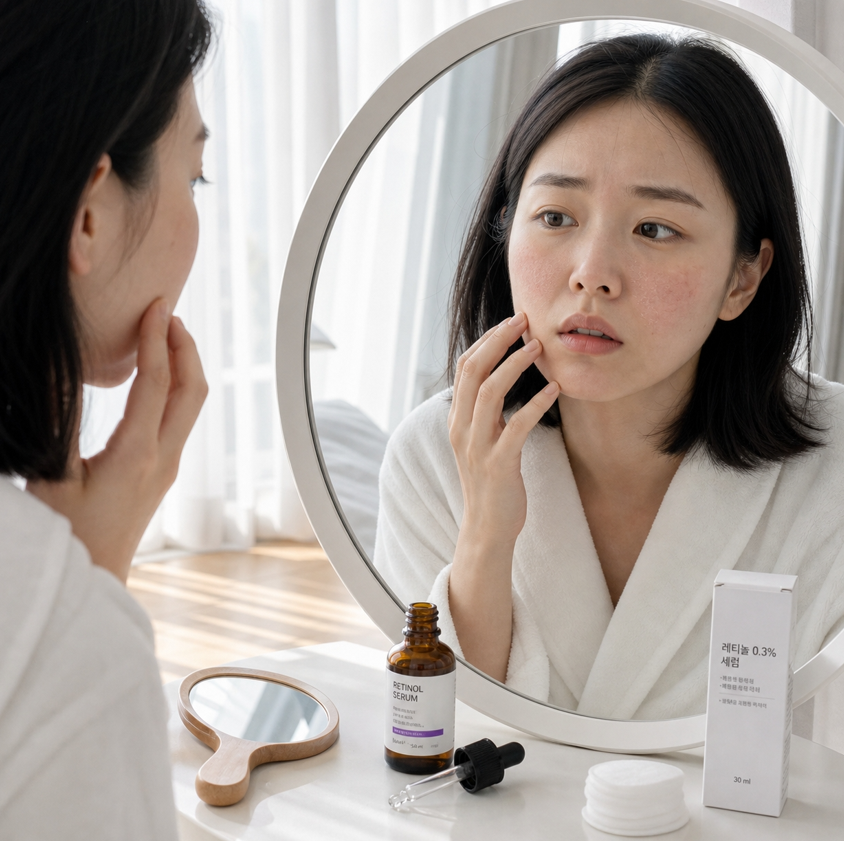
    Have you ever finally worked up the nerve to try retinol for wrinkles, only to wake up the next day with stinging skin and flaking patches?

    In most cases, this isn’t really a problem with the ingredient itself — it’s retinol side effects that show up when the concentration or frequency of use doesn’t match your skin.

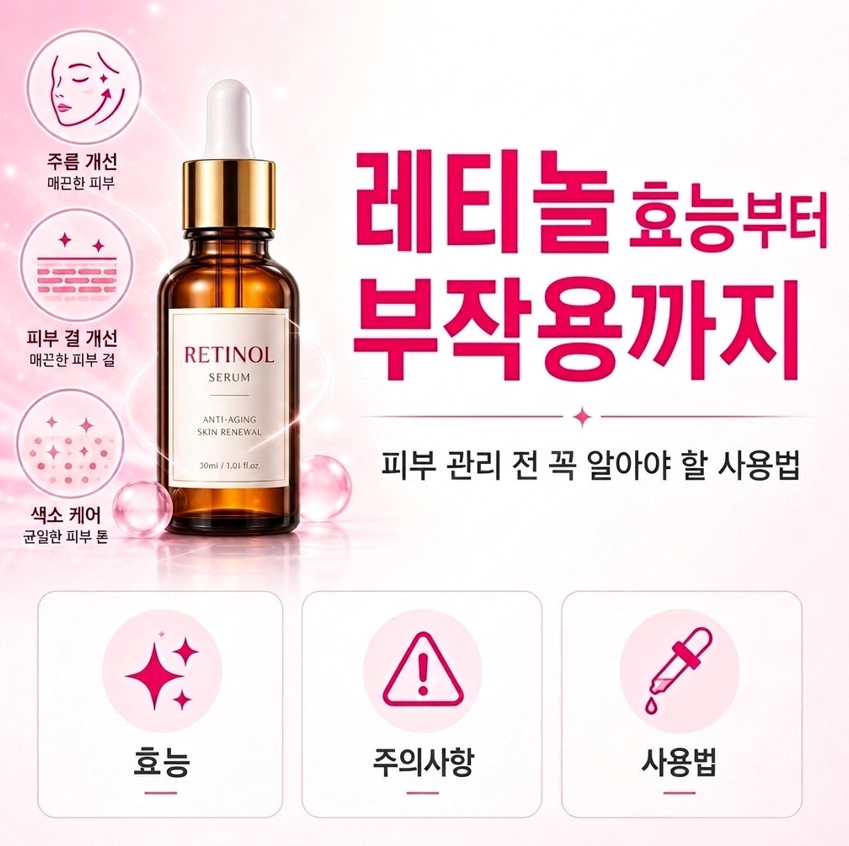
    Retinol side effects

    This article walks through how retinol actually works on skin, what its benefits are, and why retinol side effects happen in the first place.

    You’ll also find concentration-based usage tips and the reasons sunscreen is essential while using it.

    Key Points
    ✔️ Retinol is a vitamin A derivative commonly used as an anti-aging ingredient, involved in skin cell turnover and collagen production.
    ✔️ Starting with a high concentration or using it too frequently can easily lead to retinol side effects like dryness, stinging, and redness.
    ✔️ The key is to start with a low concentration and pair it with proper moisturizing and sun protection.

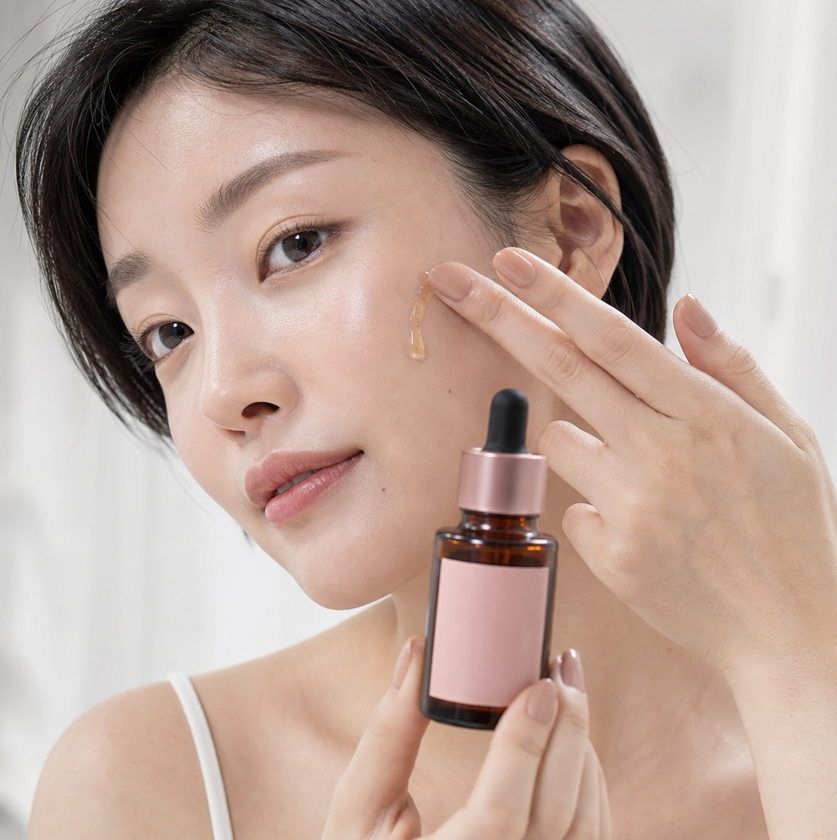
    Retinol side effects illustration 2

    What Exactly Is Retinol?

    Retinol side effects illustration 3

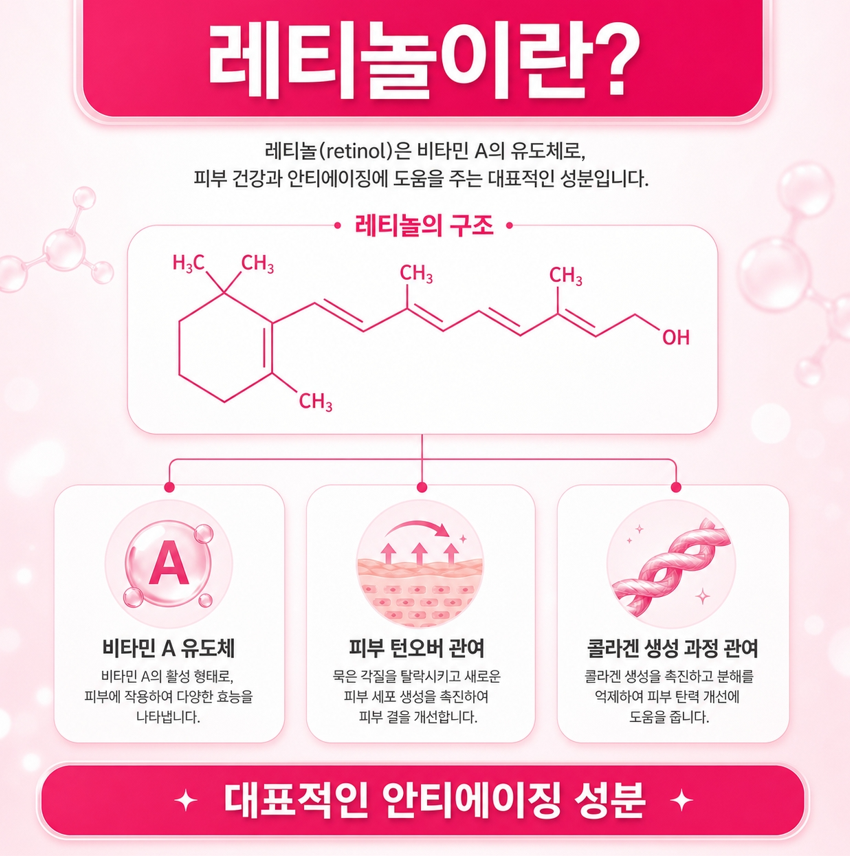
    Retinol is a vitamin A derivative that, once absorbed into the skin, goes through several conversion steps before acting in the form of retinoic acid.

    In this process, it’s understood to influence skin cell turnover and collagen-related metabolism.

    As turnover slows and collagen decreases with age, skin can become thinner, lose elasticity, and show fine lines more easily.

    This is why retinol is often used as an anti-aging ingredient to help address these changes.

    Retinol side effects illustration 4


    What Changes Can Retinol Benefits Bring to Skin?

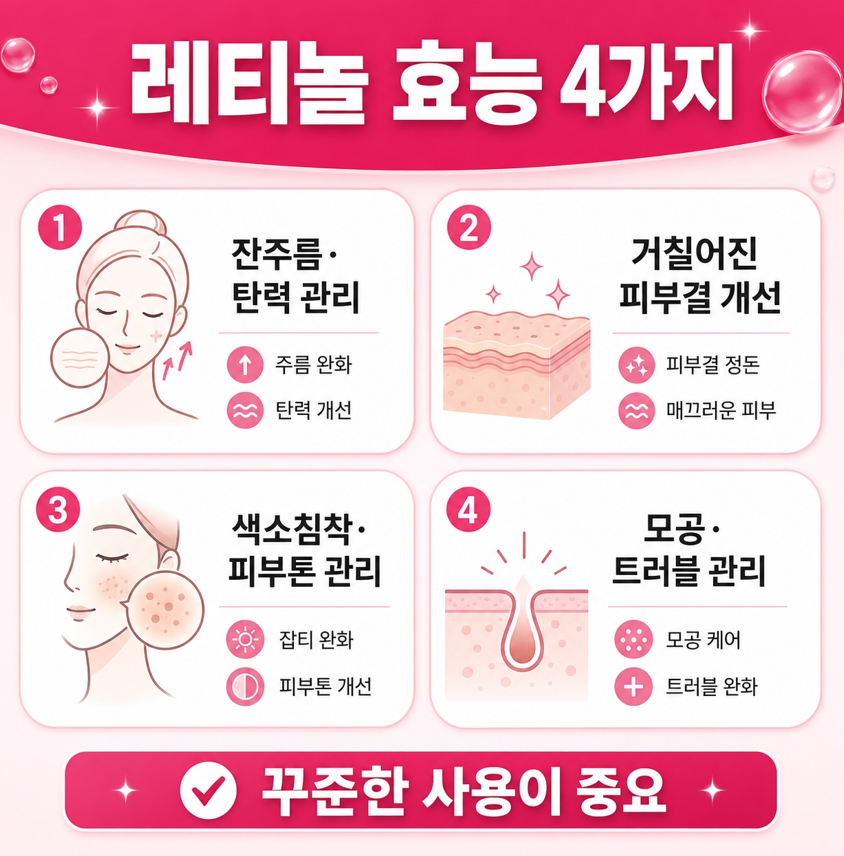
    Retinol benefits are generally seen in four areas: fine lines and elasticity, skin texture, pigmentation, and pores and breakouts.

    Benefit Area Key Details
    Fine Lines & Elasticity Involved in collagen production; used to help manage fine lines around the eyes and mouth, and support elasticity
    Skin Texture Supports turnover to help manage rough, dull texture caused by built-up dead skin cells
    Pigmentation May help surface pigmentation shed naturally as part of the turnover process
    Pores & Breakouts Used to help manage clogged pores caused by dead skin and sebum (separate from prescription retinoid medications)

    That said, it’s worth keeping in mind that cosmetic products alone typically cannot fully reverse deep, established wrinkles or noticeable volume loss.

    Prescription retinoids used to treat acne differ from cosmetic retinol in both concentration and mechanism of action, so they shouldn’t be considered the same thing.

    Retinol side effects illustration 5


    Why Do Retinol Side Effects Happen, and What Do They Look Like?

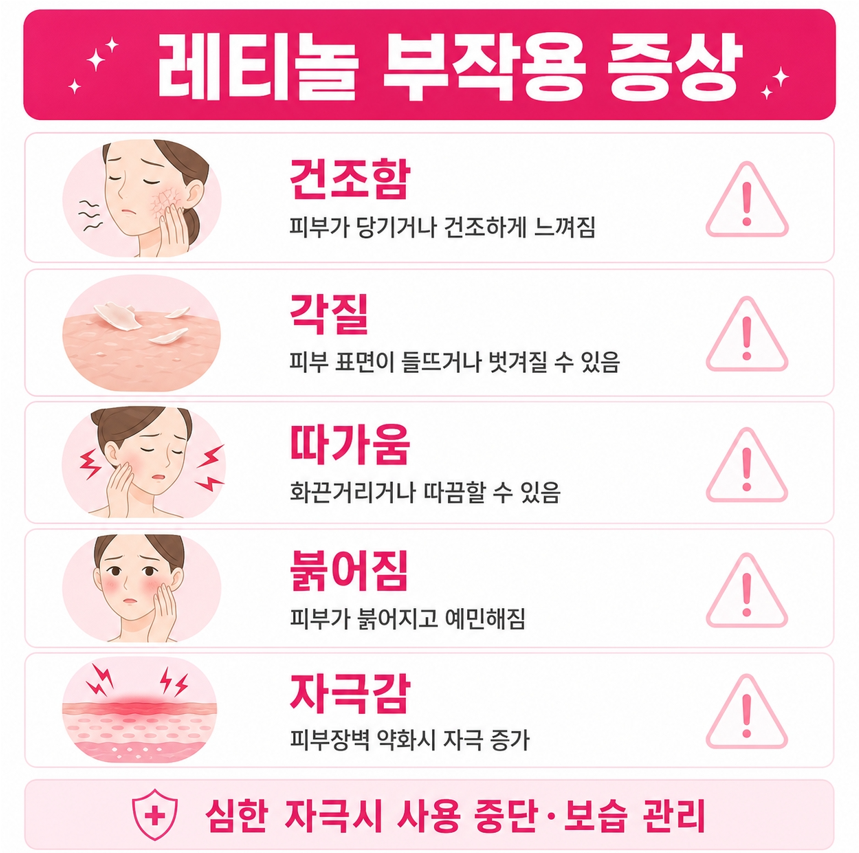
    Retinol side effects occur when skin becomes irritated as the ingredient converts into retinoic acid, and can range from dryness to redness.

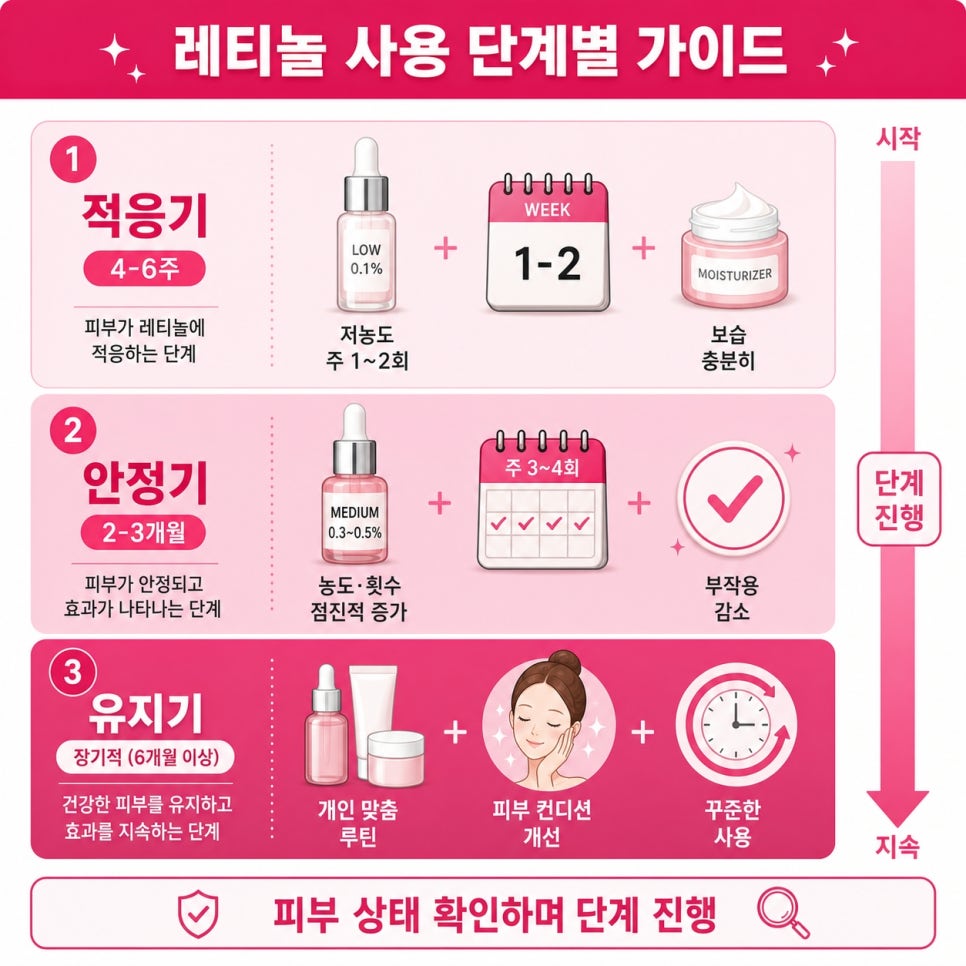
    When starting with a low-concentration product, it’s common to feel slight tightness for the first one to two weeks, which tends to gradually ease afterward.

    Symptom Description
    Dryness Skin feels tight or drier than usual
    Flaking Skin surface may lift or peel
    Stinging May burn or sting on application
    Redness Skin may become red and sensitive
    Irritation May feel more pronounced if the skin barrier is compromised
    Caution
    ⚠️ If redness, stinging, or flaking is severe, don’t dismiss it as a normal ‘adjustment period’ — reduce how often you use it or pause use for a while.
    ⚠️ If symptoms persist or worsen, it’s safer to have a dermatologist check your skin.

    Retinol side effects illustration 6


    Retinol Usage: How Should You Adjust Concentration and Order?

    Retinol side effects illustration 7

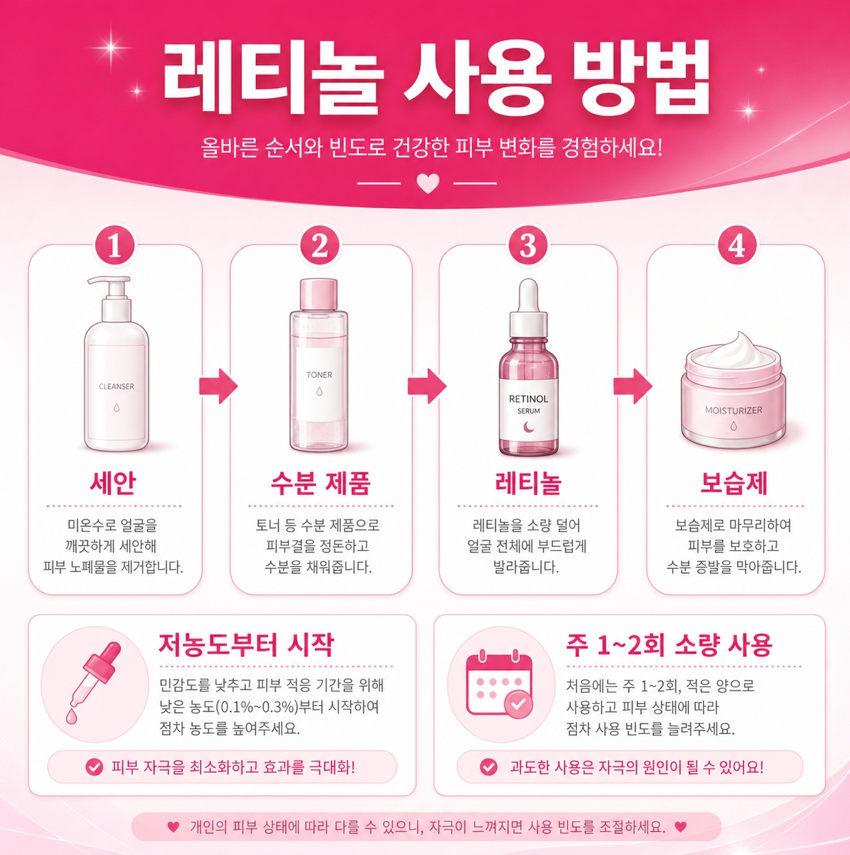
    The key to using retinol is to start with a low concentration and low frequency, then gradually increase based on how your skin responds.

    1. Start with a low-concentration product, using a small amount just 1–2 times a week.
    2. If there’s no irritation, gradually increase frequency while monitoring your skin.
    3. Apply in this order: cleanser → hydrating product → retinol → moisturizer.
    4. If your skin is sensitive, apply a thin layer of moisturizer first, then layer retinol on top.
    5. Avoid adding several active ingredients at once — let your skin adjust to retinol on its own first.

    Retinol side effects illustration 8

    Checklist
    ✅ Did you start with a low-concentration product?
    ✅ Did you limit use to 1–2 times a week?
    ✅ Did you follow up with enough moisturizer?
    ✅ Did you check the application area for any irritation?

    Which Ingredients Increase Irritation When Combined With Retinol?

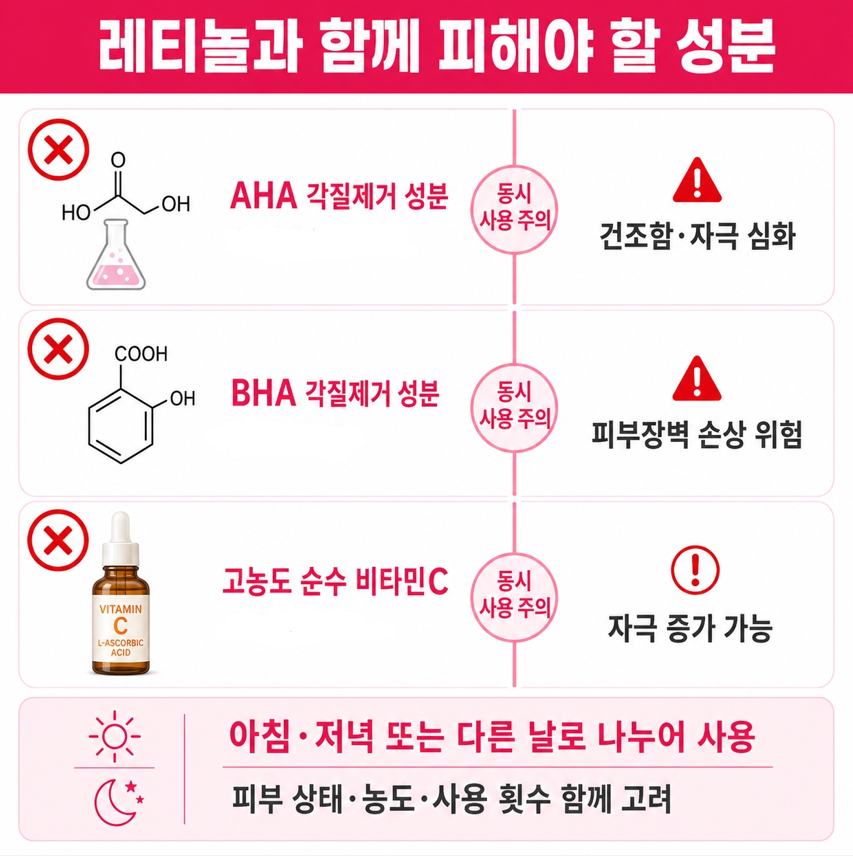
    High-concentration AHA/BHA, physical scrubs, and high-strength vitamin C are common ingredients that can increase irritation when layered with retinol on the same day.

    Using vitamin C in the morning and retinol at night can help reduce irritation by separating the two.

    Key Points
    ✔️ High-concentration AHA/BHA and scrubs can increase dryness and irritation when combined with retinol.

    ✔️ Consider using high-strength vitamin C in the morning and retinol at night.
    ✔️ Your current skin condition, along with concentration and frequency, matters more than the ingredient combination itself.

    Retinol side effects illustration 9


    Why Is Sunscreen Essential While Using Retinol?

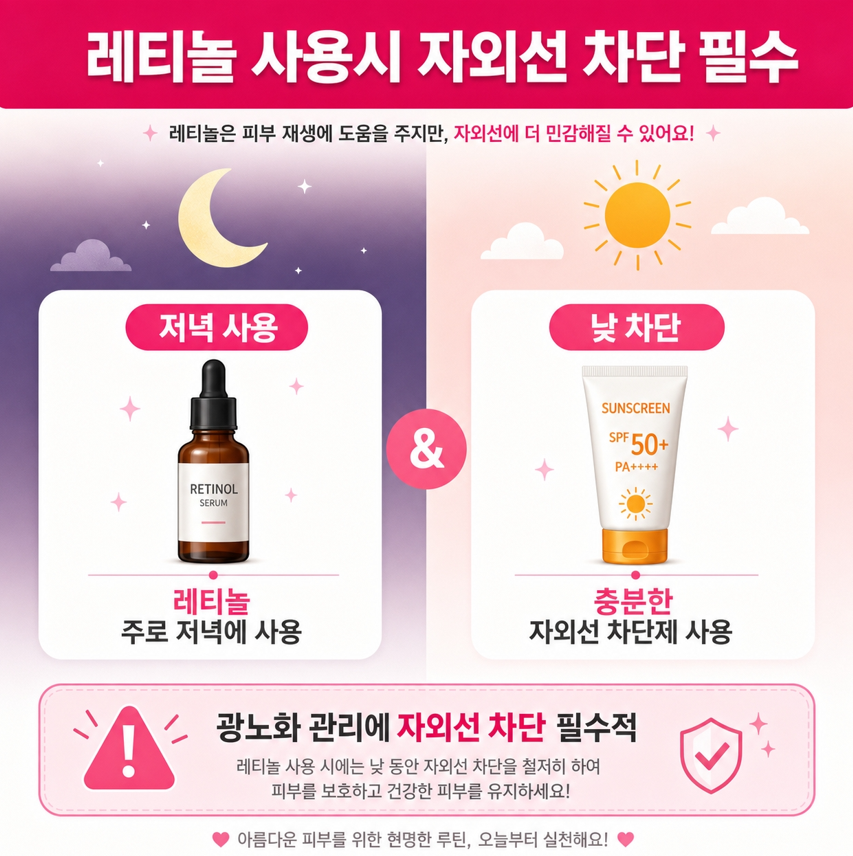
    Neglecting sunscreen while using retinol can allow photoaging to progress, potentially offsetting the benefits retinol provides.

    This is because retinol oxidizes easily with light and heat, and can make skin more sensitive to UV exposure.

    No matter how effective an ingredient is, repeated daytime UV exposure makes it difficult to prevent collagen loss and pigmentation.

    For this reason, it’s best to use retinol mainly at night and apply a sunscreen with adequate SPF thoroughly during the day.

    Takeaway
    🌤️ Consistently using retinol at night and sunscreen during the day may help manage both collagen loss and pigmentation.

    Retinol side effects illustration 10


    What Matters Most for Getting the Full Benefits of Retinol?

    To get the most from retinol’s benefits, finding the concentration and frequency your skin can tolerate matters more than rushing into a high concentration.

    Even this ingredient doesn’t work at the same concentration and frequency for every skin type.

    If you’re interested in collagen and skin elasticity care, you may also find it helpful to check out the Atelofill Collagen Skin Research Lab homepage for related information.

    Retinol side effects illustration 11


    Frequently Asked Questions

    Retinol side effects illustration 12

    1. Can I use retinol every day?
    Once your skin has fully adjusted, you may be able to increase frequency, but using it daily from the start can cause irritation. It’s best to begin with 1–2 times a week and monitor your skin’s response.

    2. If flaking occurs as a retinol side effect, should I keep using it?
    Mild dryness or flaking can occur, but if stinging or redness is severe, or your skin is visibly peeling, you should reduce use or stop altogether. If symptoms persist, please see a dermatologist.

    3. When can I expect to notice retinol’s benefits?
    This varies depending on skin condition, product concentration, and frequency of use. Retinol isn’t an ingredient that produces changes quickly — it’s important to use it consistently over time and observe how your skin responds.

    4. Can sensitive skin use retinol?
    It’s possible, but you should start with a low concentration and limited frequency. If your skin barrier is compromised or you have dermatitis or significant irritation, it’s best to stabilize your skin condition first.

    5. What matters most when using retinol?
    Avoiding overuse, moisturizing sufficiently, and applying sunscreen consistently during the day. Ignoring signs of irritation from your skin and increasing usage anyway is something to avoid.


    References

    · Kafi R, Kwak HS, Schumacher WE, et al., “Improvement of Naturally Aged Skin With Vitamin A (Retinol),” Archives of Dermatology, 2007. View source
    · Park KD, “Use of Retinoids in Dermatology,” Journal of the Korean Medical Association (J Korean Med Assoc), 2022. View source


    This article is intended for general health information purposes only and is not a substitute for individual diagnosis or treatment. If you have symptoms, please consult a medical professional.