Tag: Collagen Peptides

  • Low Molecular Weight Collagen Peptide: 3 Things to Check Before You Take It

    Low Molecular Weight Collagen Peptide: 3 Things to Check Before You Take It

    SummaryLow molecular weight collagen peptide is a collagen protein that has been hydrolyzed into smaller peptides. This guide covers what the research actually shows about low molecular weight collagen benefits, common misconceptions, what the Dalton (Da) number means, how to check an ingredient list, and what to review before you start taking it — all based on clinical research.

    Take a look at a collagen product’s ingredient panel and you’ll often see a surprisingly small number highlighted.
    Numbers like 500Da or 300Da have fed the idea that a lower molecular weight means better collagen,
    but does a smaller molecule really get absorbed straight into your skin?

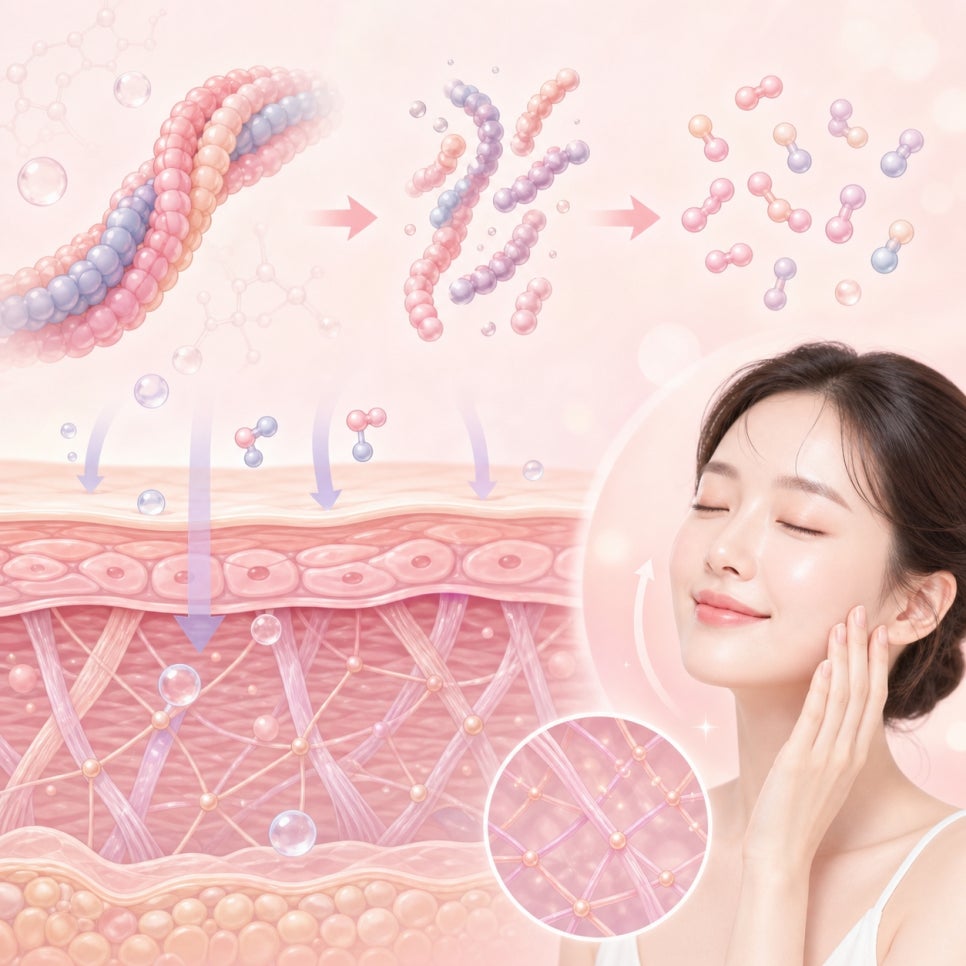
    Low molecular weight collagen peptide refers to a collagen protein that has been hydrolyzed into smaller peptides.
    But relying on that label alone — and choosing a “low molecular weight” product without looking further — can mean missing what actually matters.
    low molecular weight collagen peptide

    Quick Overview
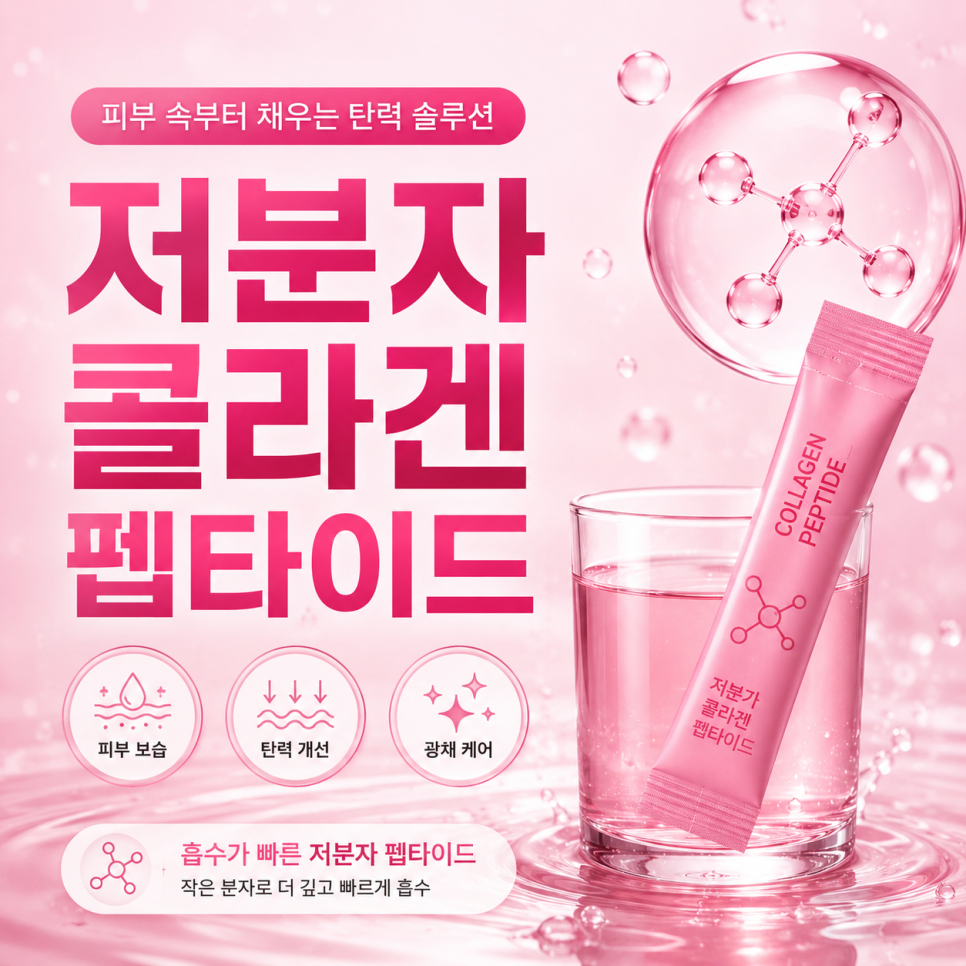
    Low molecular weight collagen peptide is collagen that has been hydrolyzed into small peptide units to support digestion and absorption.
    A smaller molecular weight doesn’t mean it converts directly into skin collagen — confirming low molecular weight collagen benefits means looking at the raw material, the dose, and human clinical trial evidence together.
    Supporting skin elasticity also depends on more than collagen intake alone, including vitamin C, sun protection, and sleep.
    low molecular weight collagen peptide illustration 2

    What Is Low Molecular Weight Collagen Peptide, and How Is It Different From Regular Collagen?

    Low molecular weight collagen peptide is collagen protein that has been broken down — typically using enzymes — into relatively small peptide fragments.
    The type of collagen itself doesn’t change; only its size is reduced through this process.

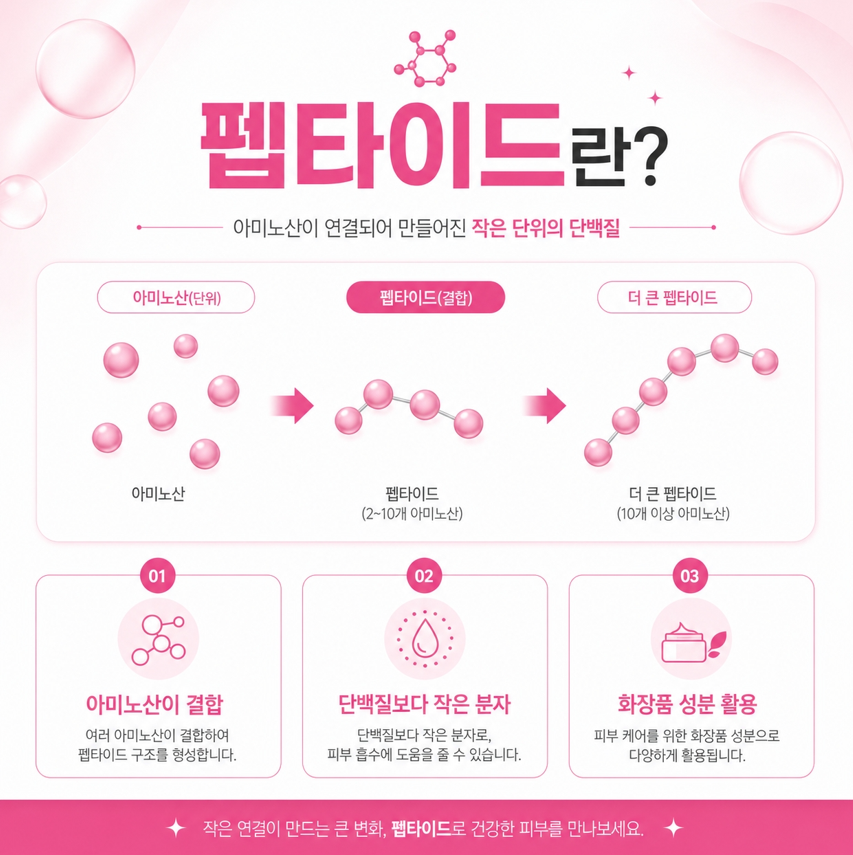
    A peptide is a chain of multiple amino acids linked together.
    Regular collagen has a larger molecular structure, so it needs to be broken down further during digestion after you eat it, while
    hydrolyzed collagen is already broken into small peptides during manufacturing — that’s the key difference.

    low molecular weight collagen peptide illustration 3

    Category Regular Collagen Low Molecular Weight Collagen Peptide
    Molecular structure Relatively large protein Pre-hydrolyzed, small peptides
    Digestion process Requires further breakdown in the body Relatively less breakdown needed
    Solubility Varies by product Many products dissolve fairly easily in water

    That said, the term “low molecular weight” alone doesn’t mean every product delivers the same effect.
    The raw material type, manufacturing method, actual dosage, and whether human clinical trials exist all vary from product to product.

    low molecular weight collagen peptide illustration 4


    Does the Collagen You Eat Get Absorbed Directly Into Your Skin?

    To put the conclusion first: the collagen you eat does not simply accumulate in your skin as collagen.
    Like any protein, collagen is broken down into amino acids and small peptides as it passes through your digestive system.

    Some research has detected collagen-derived peptides in the bloodstream after intake,
    but this should not be interpreted to mean that “the collagen you eat is deposited directly into your skin.”

    For that reason, it’s more accurate to think of low molecular weight collagen peptide as a nutritional intake rather than a way to directly refill collagen in the skin.

    low molecular weight collagen peptide illustration 5


    Low Molecular Weight Collagen Benefits: Is a Smaller Dalton (Da) Number Always Better?

    Low molecular weight collagen benefits refer to reported changes in skin hydration and elasticity markers observed in some studies after a period of hydrolyzed collagen intake.
    These should be understood as a potential improvement associated with a dietary supplement, not as a pharmaceutical treatment effect.

    Research Summary
    · A systematic review of oral collagen intake reported potential improvements in skin hydration and elasticity markers in some trials.
    · In Korea, low molecular weight collagen peptide is recognized by Korea’s Ministry of Food and Drug Safety (MFDS) — a Korean regulatory body, not the U.S. FDA — as a functional ingredient that “may help support skin moisture,” based on a daily intake of 3g under Korean labeling standards; this is not a claim evaluated or approved by U.S. regulators.
    · Because studies vary in raw material, dosage, duration, and study population, the same results shouldn’t be expected from every product.

    low molecular weight collagen peptide illustration 6

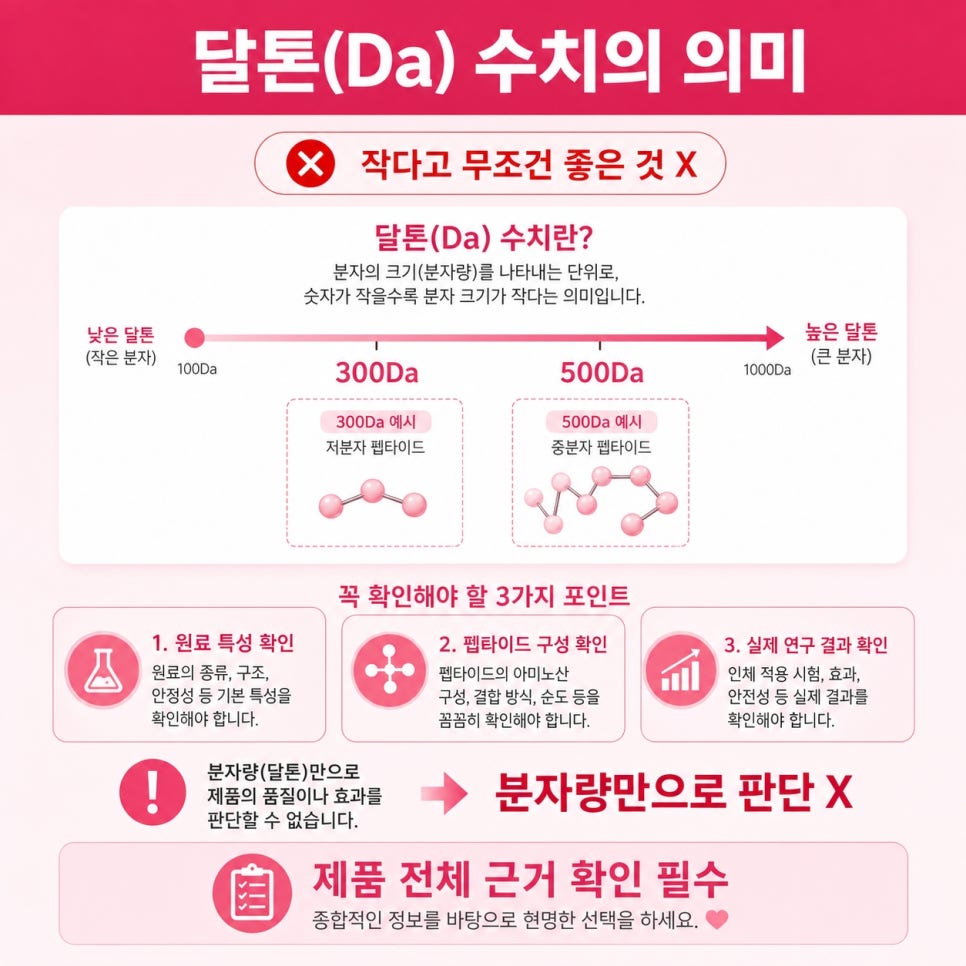
    The Dalton (Da) unit commonly seen on collagen products is a measure of molecular weight — a smaller number means a relatively smaller molecule.
    That’s why figures like “500Da” or “300Da” are so often highlighted on packaging.

    However, a smaller Dalton number alone doesn’t necessarily mean a product works better.
    When comparing products, it’s worth checking peptide composition, actual research findings, and dosage — not just average molecular weight.

    In other words, rather than assuming “the smallest collagen equals the best collagen,” it’s more reasonable to look at the full body of evidence behind a product.
    low molecular weight collagen peptide illustration 7


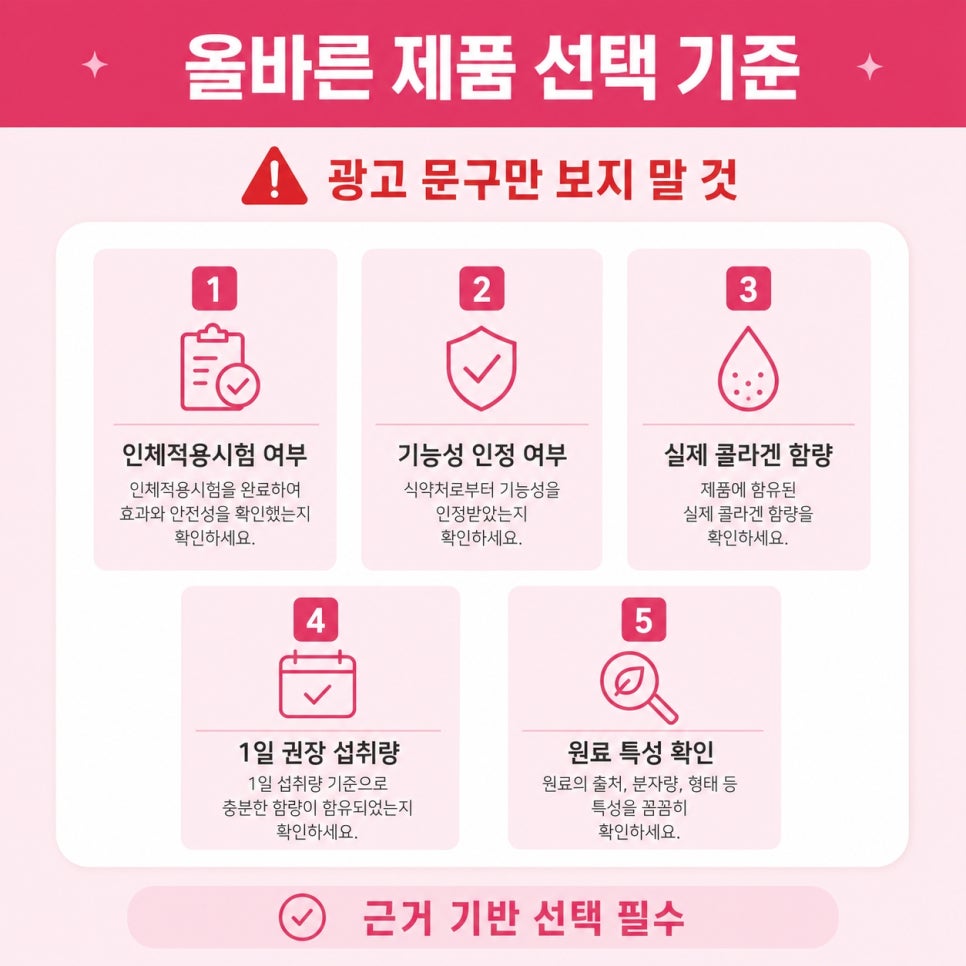
    What Should You Check Before Choosing and Taking a Collagen Product?

    When choosing a low molecular weight collagen peptide product, it’s worth checking the following items in order.

    Checklist
    ✅ Have you checked whether the source is fish, bovine, or porcine? (to rule out allergy concerns)
    ✅ Have you checked the actual collagen content per serving and per day?
    ✅ Does the raw material have human clinical trial data or recognized functional approval behind it?
    ✅ Have you checked the secondary ingredients (such as whether vitamin C is included)?
    ✅ Are you basing your decision on the label rather than marketing claims?

    low molecular weight collagen peptide illustration 8

    Caution
    If you’re being treated for a specific medical condition, are pregnant or breastfeeding, or are taking multiple dietary supplements at once, it’s safer to consult a healthcare provider before taking this rather than deciding on your own.

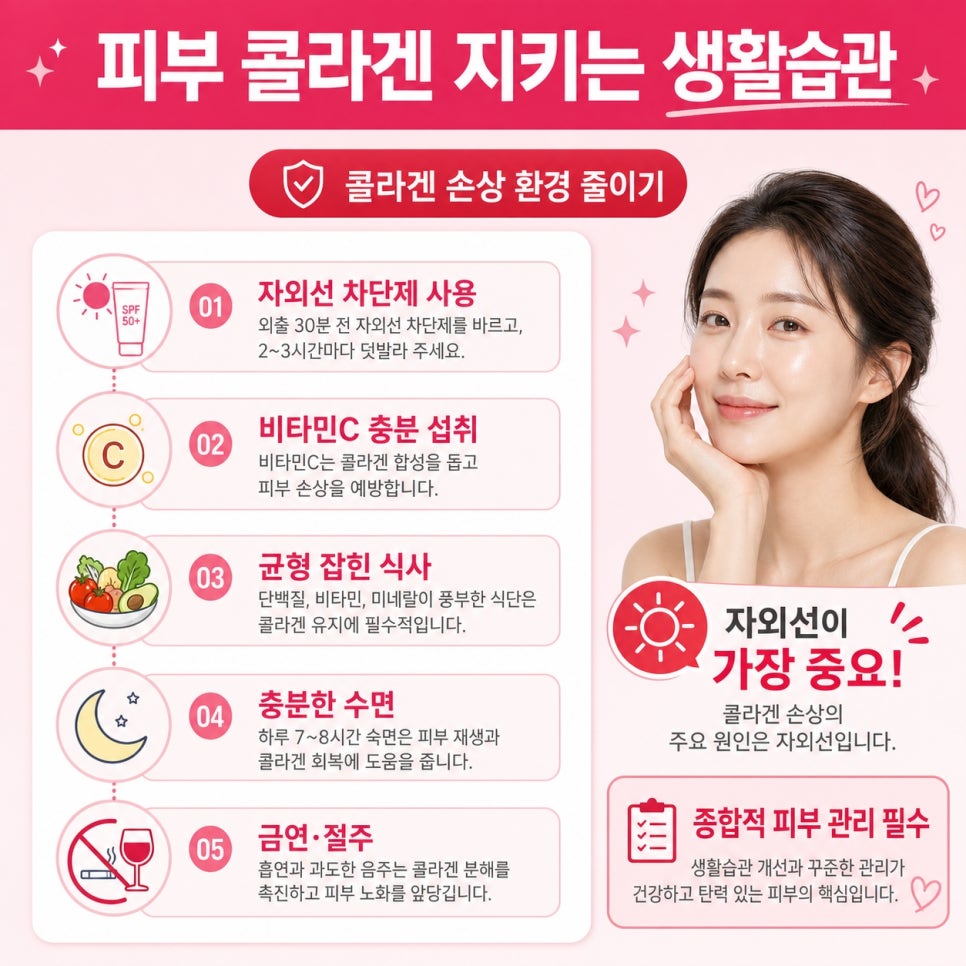
    If you’re hoping to support low molecular weight collagen benefits, reducing conditions that damage collagen matters just as much as intake.
    UV exposure is a major factor — repeated exposure can affect the skin’s collagen and elasticity structure, so using sunscreen year-round, regardless of season, is advisable.
    low molecular weight collagen peptide illustration 9

    Collagen synthesis also requires vitamin C,
    so maintaining vitamin C intake through fruits and vegetables, along with a balanced, protein-focused diet, matters too.

    Basic lifestyle habits such as adequate sleep, not smoking, and moderating alcohol intake may also support skin aging management.
    Ultimately, it’s more accurate to view skin health as the combined result of nutrition, UV protection, sleep, and lifestyle habits — not collagen intake alone.

    low molecular weight collagen peptide illustration 10

    If you’d like to compare collagen products based on ingredient evidence and dosage standards, you can find more information at the Atelofill Collagen Skin Research Center homepage.


    Low Molecular Weight Collagen Peptide: The Key Takeaways

    Low molecular weight collagen peptide is simply collagen that has been pre-hydrolyzed into smaller peptides — it isn’t a fundamentally different substance from collagen itself.
    It’s best to avoid oversimplified assumptions like “it’s low molecular weight, so it’s absorbed directly into the skin” or “a smaller molecular weight is always better.”

    To properly evaluate low molecular weight collagen benefits, look beyond molecular weight alone and consider the raw material, dosage, and human clinical trial evidence together.
    low molecular weight collagen peptide illustration 11


    Frequently Asked Questions

    low molecular weight collagen peptide illustration 12

    1. Is low molecular weight collagen peptide a completely different substance from regular collagen?
    No. The base substance is still collagen. Collagen protein that has been hydrolyzed into relatively small peptides is called low molecular weight collagen peptide, or hydrolyzed collagen.

    2. How long does it take for low molecular weight collagen benefits to appear?
    This is hard to state as a general rule. Because studies differ in raw material, dosage, duration, and study population, be cautious of any marketing claim that guarantees results within a specific timeframe.

    3. Is lower molecular weight collagen always better?
    That’s difficult to say for certain. Molecular weight is just one factor to consider — judging actual functionality requires looking at the raw material’s characteristics, dosage, and human clinical trial evidence together.

    4. If I take low molecular weight collagen peptide, does it directly refill collagen in my skin?
    That’s not an accurate way to think about it. Collagen you consume is absorbed as amino acids and peptides after digestion, and taking oral collagen is a different concept from directly refilling collagen in skin tissue.


    References

    · Choi FD, et al., “Effects of Oral Collagen for Skin Anti-Aging: A Systematic Review and Meta-Analysis,” PMC (National Library of Medicine), 2023. View source
    · Ministry of Food and Drug Safety of Korea (Food Safety Korea), “Skin Health Functionality Information – Low Molecular Weight Collagen Peptide, etc.,” 2024. View source


    This article is intended for general health information purposes only and is not a substitute for individual diagnosis or treatment. If you have symptoms, please consult a healthcare professional.

  • 5 Collagen-Rich Foods for Skin Elasticity: Nutrients to Pair With Them

    5 Collagen-Rich Foods for Skin Elasticity: Nutrients to Pair With Them

    SummaryWe break down the collagen-rich foods you’ve likely heard about — fish skin, chicken skin, beef bone broth, and more — along with nutrients like vitamin C and zinc that support collagen synthesis, how collagen absorption actually works, and lifestyle habits like sun protection that matter for skin elasticity. The key takeaway: balance matters most.

    Will eating pork skin or beef bone broth really make your skin firmer?
    As interest in skin elasticity and aging grows, plenty of people have searched for collagen-rich foods.

    But eating foods high in collagen doesn’t automatically mean the collagen in your skin increases.
    A closer look at the research shows that the nutrients you pair with these foods may actually matter more.

    This article covers the different types of collagen-rich foods, whether fish or meat is more beneficial, and nutrients like vitamin C that support collagen synthesis.
    We’ll also look at what actually happens to the collagen you eat once it goes through digestion.

    collagen-rich foods

    collagen-rich foods image 2

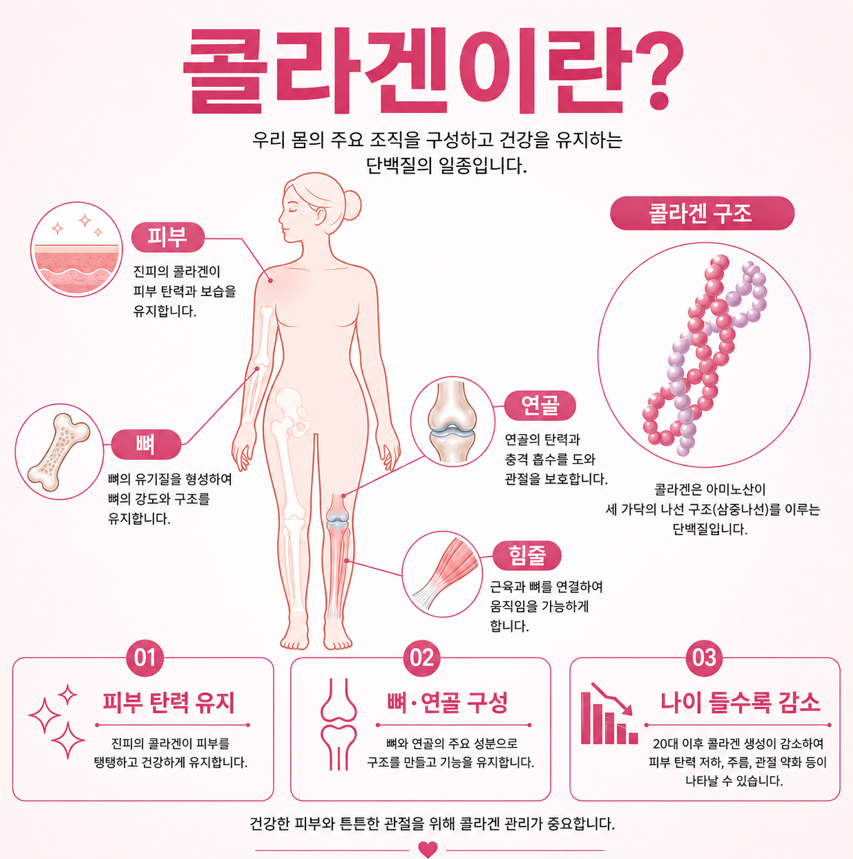
    What Is Collagen, and How Is It Related to Skin Elasticity?

    Collagen is one of the main proteins that supports the structure of the skin’s dermis.

    Collagen is a fibrous protein that makes up various tissues in the body, including skin, bones, cartilage, and tendons.

    As we age, the balance between collagen production and breakdown in the skin can gradually shift.

    On top of that,
    factors like UV exposure, smoking, and an unbalanced diet can reduce skin elasticity, making fine lines and sagging more noticeable.

    That’s why anyone interested in skincare naturally starts looking into collagen-rich foods and nutrients that support collagen synthesis.

    collagen-rich foods image 3

    Key Points
    ✔ Collagen is a protein found not just in skin, but also in bones, cartilage, and tendons.
    ✔ The balance between collagen production and breakdown can shift as you age.

    What Are Common Collagen-Rich Foods?

    These foods are mostly concentrated in animal connective tissue — skin, bone, and cartilage.

    Collagen-rich foods refer to items containing animal connective tissue, such as fish skin, chicken skin, beef bone broth or knee cartilage soup, and pork skin.

    collagen-rich foods image 4

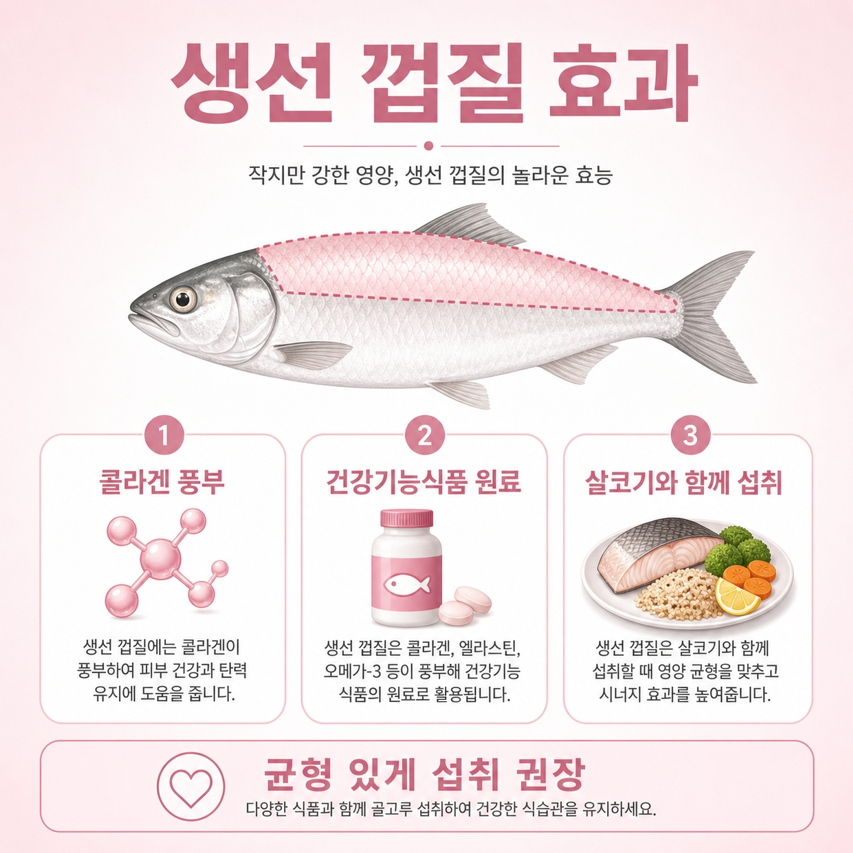
    Fish Skin

    Fish skin and scales contain collagen.
    Fish-derived collagen is also widely used as an ingredient in dietary supplements and cosmetics.

    That said, it’s better to eat a balanced combination of lean fish meat and vegetables rather than overloading on one specific part.

    collagen-rich foods image 5

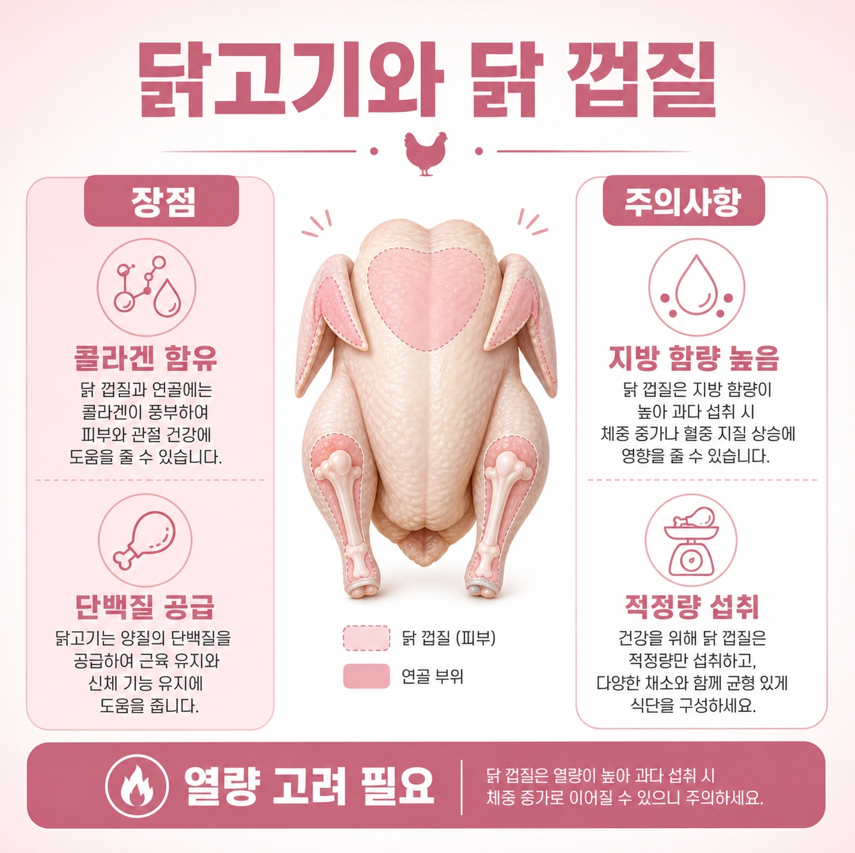
    Chicken and Chicken Skin

    Collagen is also found in chicken skin, cartilage, and connective tissue.

    However, chicken skin also tends to be high in fat, so eating large amounts just because it’s “collagen-rich” isn’t recommended.
    It’s important to keep your overall fat and calorie intake in mind and eat it in moderation.

    collagen-rich foods image 6

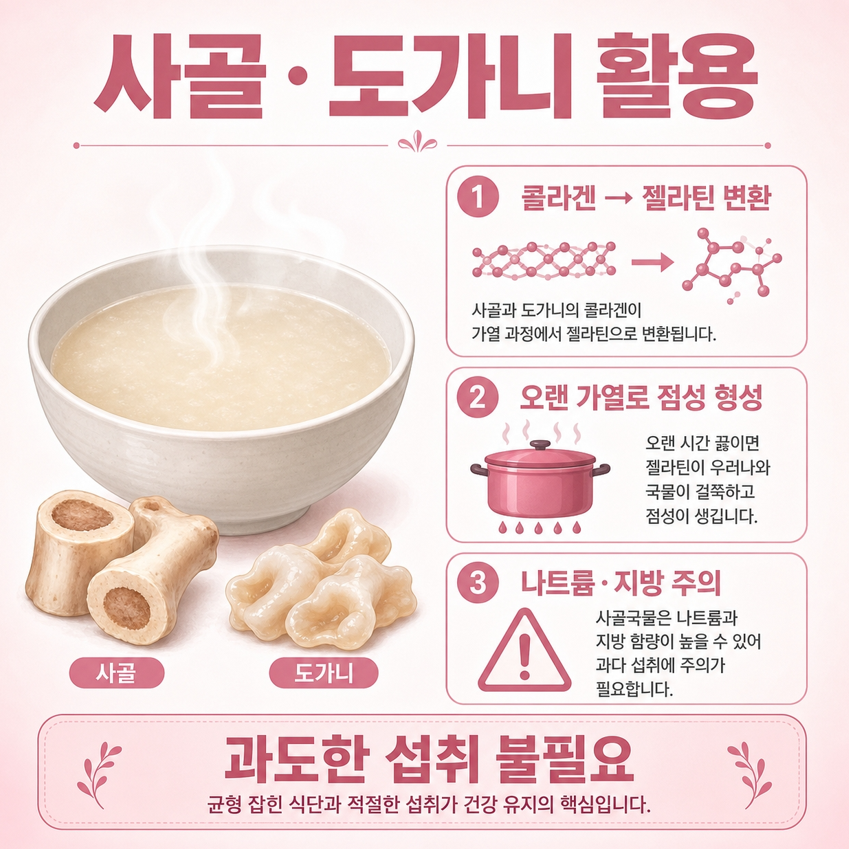
    Beef Bone Broth, Knee Cartilage Soup, and Other Connective Tissue Foods

    Collagen is also present in beef bones, cartilage, and tendons.
    When simmered for a long time, some of that collagen breaks down into gelatin, which is what gives these broths their characteristic thickness.

    That said, depending on how it’s prepared, beef bone broth or knee cartilage soup can also be high in fat and sodium, so there’s no need to overconsume it just for the collagen.

    collagen-rich foods image 7

    Pork Skin

    Pork skin is another well-known animal food that contains collagen.

    However, you also need to factor in its fat and calorie content, along with the sodium in any seasonings used to prepare it.
    Rather than eating one food heavily for the sake of your skin, it’s better to get a variety of protein sources.

    Food Where the Collagen Is What to Keep in Mind
    Fish skin Skin and scales Balance with lean meat and vegetables
    Chicken and chicken skin Skin, cartilage, connective tissue Consider fat content
    Bone broth / knee cartilage soup Bones, cartilage, tendons Watch sodium and fat
    Pork skin Skin connective tissue Watch fat and sodium (seasoning)
    A Note of Caution
    ⚠ Chicken skin, bone broth, and pork skin can be high in fat and sodium,
    so eating large amounts purely for the collagen isn’t recommended.

    Should You Prioritize Fish or Meat?

    There’s no need to crown a single food as the “best” option.

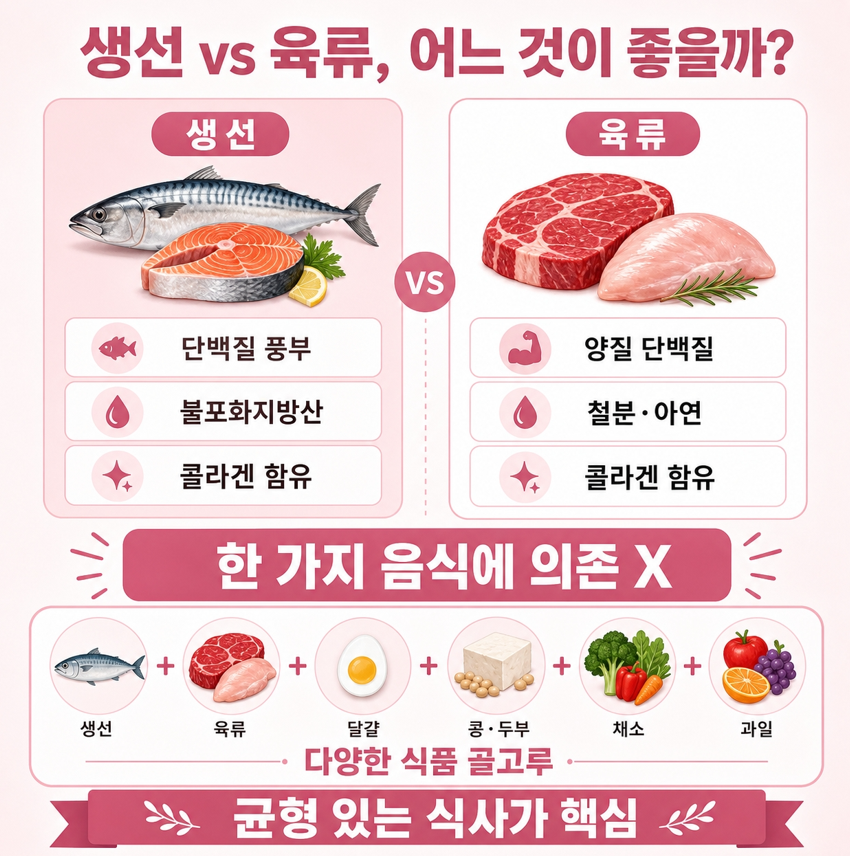
    Fish can provide protein along with unsaturated fats depending on the type, while meat offers high-quality protein plus nutrients like iron and zinc.

    What matters most is not relying on just one food.

    • Fish
    • Lean meat
    • Eggs
    • Beans and tofu
    • Vegetables
    • Fruit

    Eating a varied mix of these foods helps you take in the amino acids and micronutrients your body needs to make collagen.

    collagen-rich foods image 8


    What Nutrients Support Collagen Synthesis?

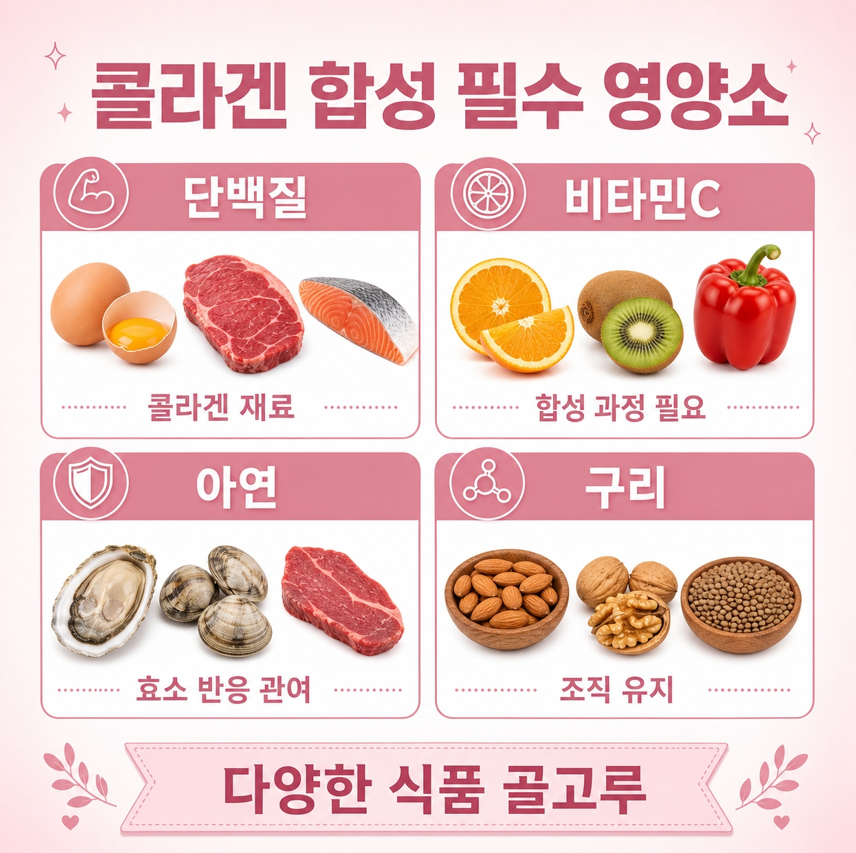
    Collagen synthesis requires more than just protein — nutrients like vitamin C, zinc, and copper play a role too.

    Collagen synthesis is the process by which amino acids and various supporting nutrients work together in the body to build collagen protein.

    Protein

    Protein from food is broken down into amino acids and small peptides during digestion.
    Since collagen is itself a protein, getting enough protein overall is the foundation.

    You can get protein from a variety of foods, including fish, meat, eggs, milk and dairy, beans, and tofu.

    collagen-rich foods image 9

    Vitamin C

    Vitamin C is a nutrient involved in the body’s collagen synthesis process.
    According to reports, studies have found that treating skin fibroblasts with vitamin C increased collagen synthesis.

    You can get vitamin C from a variety of fruits and vegetables, such as tangerines, oranges, kiwi, strawberries, bell peppers, and broccoli.

    Zinc and Copper

    Zinc and copper are also trace nutrients involved in various enzyme reactions and tissue maintenance in the body.
    Eating a variety of meat, seafood, nuts, and legumes can help you take in these nutrients as well.

    Key Points
    ✔ Vitamin C is a supporting nutrient involved in the body’s collagen synthesis process.
    ✔ Zinc and copper are also trace nutrients involved in tissue maintenance.

    Does the Collagen You Eat Go Straight to Your Skin?

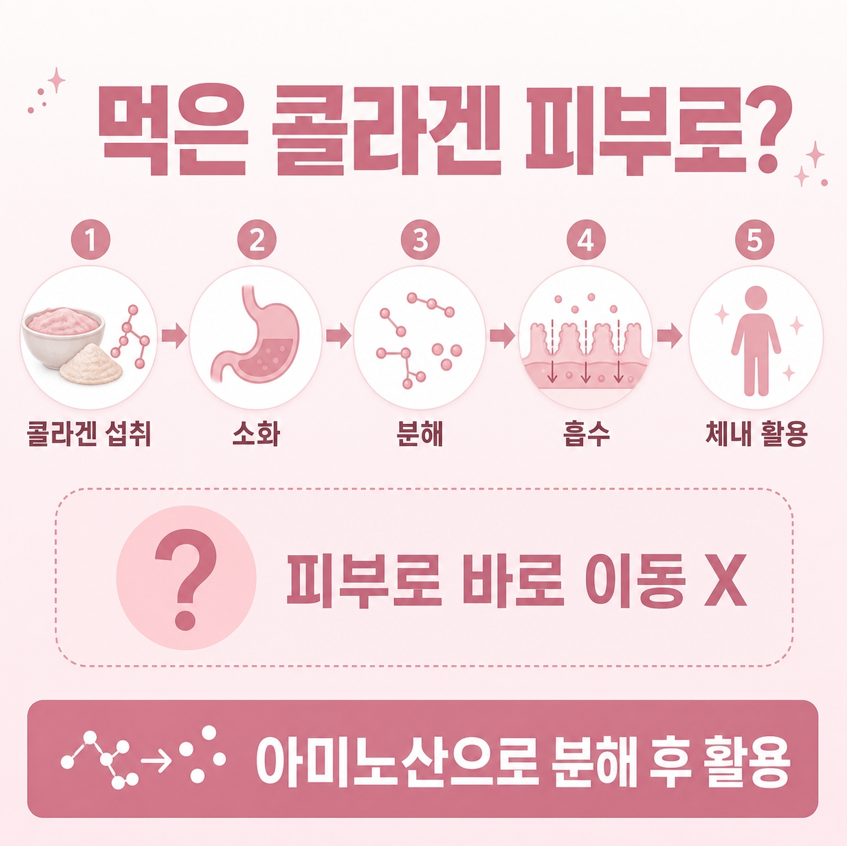
    The collagen you eat doesn’t travel directly into your skin as collagen.

    Collagen taken by mouth is broken down into amino acids or peptides during digestion, then used wherever the body needs it.

    collagen-rich foods image 10

    1. Collagen intake
    2. Digestion and breakdown (into amino acids/peptides)
    3. Absorption
    4. Used wherever the body needs it

    Some studies report that low-molecular-weight collagen peptides can be absorbed in certain forms, but it’s difficult to say this directly translates into fewer skin wrinkles.

    So it wouldn’t be accurate to assume that “eating pork skin instantly replenishes skin collagen” or that “eating a lot of bone broth will erase wrinkles.”

    This is why managing your overall nutritional balance matters more than simply loading up on collagen-rich foods.


    What Lifestyle Habits Help Slow Collagen Loss?

    Sun protection and consistent daily habits can help reduce collagen damage.

    Photoaging refers to the process in which cumulative UV exposure increases collagen-degrading enzymes in the skin while reducing its ability to synthesize collagen.

    collagen-rich foods image 11

    UV exposure is one of the leading external factors affecting skin aging.
    Repeated, long-term exposure can increase the activity of enzymes that break down collagen, while reducing your skin’s ability to produce new collagen fibers.

    That’s why it’s a good idea to use sunscreen appropriately whenever you go outside, regardless of the season.

    Checklist
    ✅ Use sunscreen year-round
    ✅ Get enough protein each day
    ✅ Add vitamin C-rich vegetables and fruit
    ✅ Get enough sleep and stay hydrated
    ✅ Avoid smoking

    collagen-rich foods image 13

    In Short
    Managing protein intake, nutrients like vitamin C, sun protection, and daily habits together
    is a more realistic approach to skin elasticity than relying on any single food.

    If you’d like more information on managing skin elasticity, you can find it on the Atelofill Collagen Skin Research Institute homepage.

    collagen-rich foods image 14


    Frequently Asked Questions

    collagen-rich foods image 12

    1. Do I need to eat collagen-rich foods every day for my skin to benefit?
    Rather than eating one specific collagen food every day, it’s more important to eat a balanced mix of protein foods like fish, meat, eggs, and legumes along with vegetables and fruit.

    2. Will eating a lot of pork skin or bone broth reduce wrinkles?
    Pork skin and bone broth do contain collagen, but the collagen you eat doesn’t travel directly to your skin and erase wrinkles. You also need to consider your fat and sodium intake.

    3. Why should I pair vitamin C with collagen-rich foods?
    Because vitamin C is a nutrient involved in the body’s collagen synthesis process. It’s best to combine protein foods with vegetables and fruit.

    4. Do vegetables and fruit contain collagen?
    Collagen is a protein found in animal tissue, so vegetables and fruit don’t contain it themselves. However, they’re rich in nutrients like vitamin C that support collagen synthesis, so eating them alongside collagen foods is helpful.

    5. Will taking a collagen supplement definitely improve my skin?
    The effects of collagen supplements vary from person to person, and research in this area is still ongoing. Rather than assuming any particular product will work, it’s best to build your routine around a balanced diet and healthy lifestyle habits.


    References

    · RealFood (Herald Economy), “This Is the Nutrient You Need to Improve Skin Aging With Collagen,” RealFood, 2021. View source
    · The Skin Cancer Foundation, “Photoaging: What You Need to Know About the Other Kind of Aging,” Skin Cancer Foundation. View source
    · Science Times, “The Correlation Between Collagen Intake and Skin Improvement,” Science Times. View source


    This article is intended for general health information purposes only and is not a substitute for individual diagnosis or treatment. If you have symptoms, please consult a medical professional.

  • Peptide Benefits for Skin: 4 Reasons They’re Used in Anti-Aging Skincare

    Peptide Benefits for Skin: 4 Reasons They’re Used in Anti-Aging Skincare

    SummaryPeptide benefits for skin refer to how peptides, as anti-aging skincare ingredients, support skin elasticity, hydration, and barrier care. This guide covers peptide types, their relationship with collagen, and how to pair them with retinol and vitamin C.

    Ever squint at an ingredient list and wonder what half the names even mean?

    After retinol and vitamin C, “peptide” is a word appearing more often lately.
    It’s used in a number of elasticity and wrinkle-care products.

    But without understanding peptide benefits clearly,
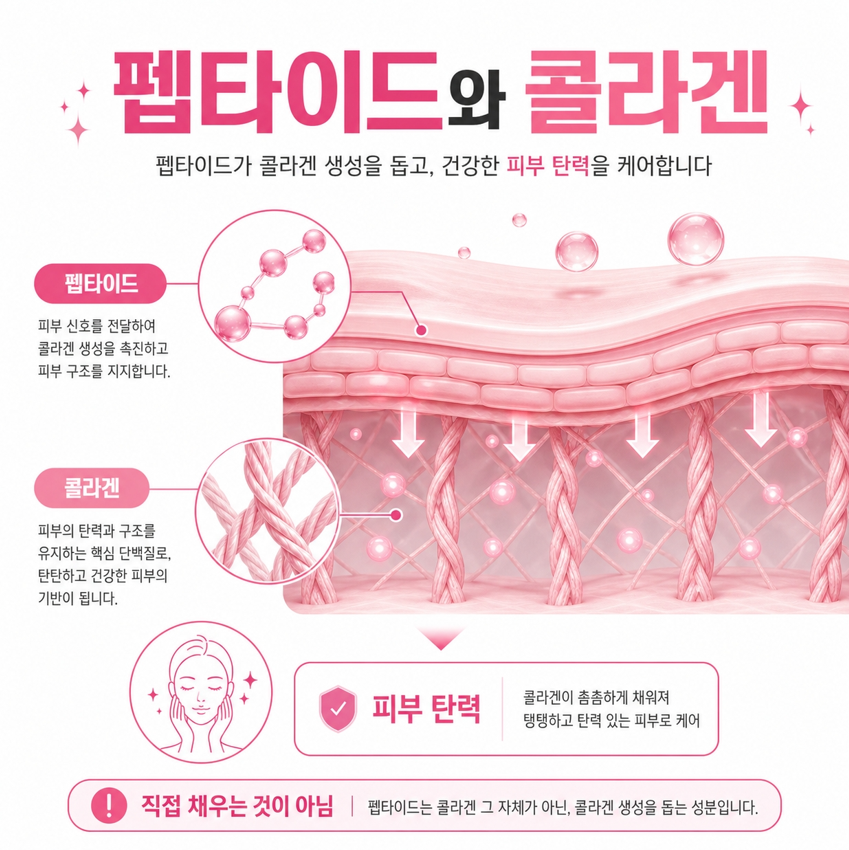
    it’s easy to assume that applying them will simply “refill” collagen in the skin.

    This article covers what peptide benefits actually mean, how peptides relate to collagen, how different peptide types compare, and how to combine them with retinol and vitamin C.
    We’ll also look at what to check for on an ingredient label.

    peptide benefits for skin

    What Is a Peptide, and Do Benefits Vary by Type?

    The short answer: peptides come in many types, and each plays a different role in skincare formulas.

    A peptide is a chain of amino acids linked together.
    If amino acids are the smallest building blocks of protein, peptides sit in between — smaller molecules made of amino acids, but not yet full proteins.

    peptide benefits illustration 3

    Collagen and elastin, the two proteins that make up much of the skin’s structure, are also built from amino acids.
    That’s why ingredient lists rarely just say “peptide” — instead, you’ll often see specific names like palmitoyl pentapeptide, acetyl hexapeptide, or copper tripeptide.

    In fact, if you compare labels, products marketed as “peptide-containing” often list completely different peptide names.

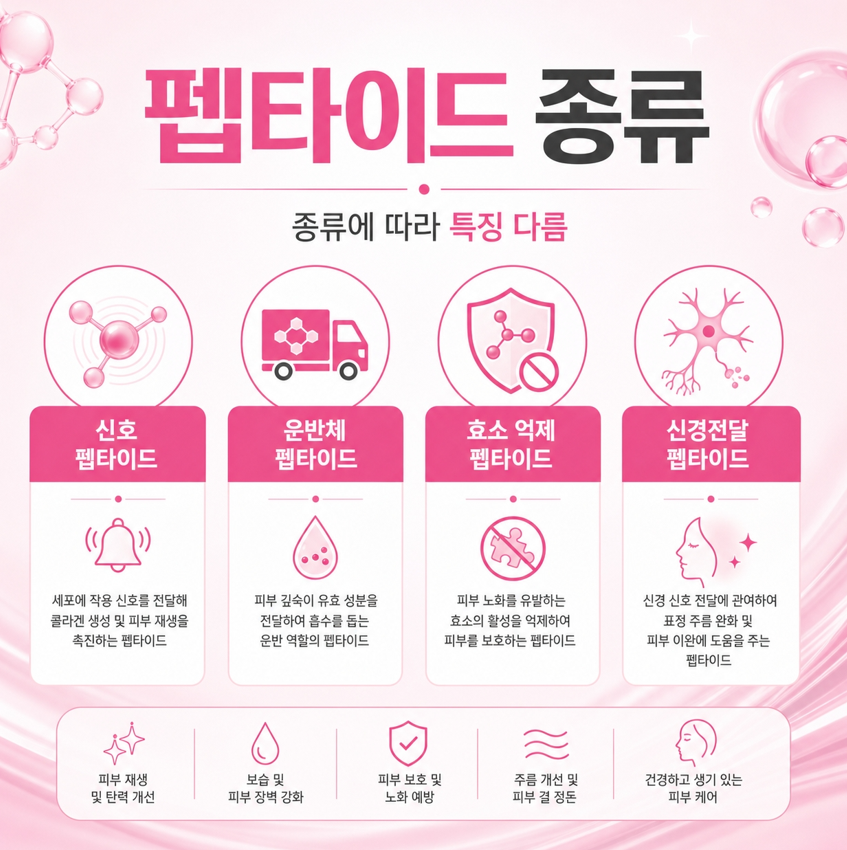
    Key Point — 4 Types of Peptides Used in Skincare
    · Signal peptides: involved in signaling related to skin conditioning
    · Carrier peptides: help deliver specific ingredients, such as copper, into the skin
    · Enzyme-inhibitor-related peptides: studied in relation to certain enzyme activity
    · Neurotransmitter-related peptides: studied in relation to expression-related muscle movement

    peptide benefits illustration 7

    So when choosing a product, it matters less that it simply says “contains peptides” — what matters more is which peptide types are included and at what concentration.


    Why Are Peptide Benefits for Skin Gaining Attention in Anti-Aging Skincare?

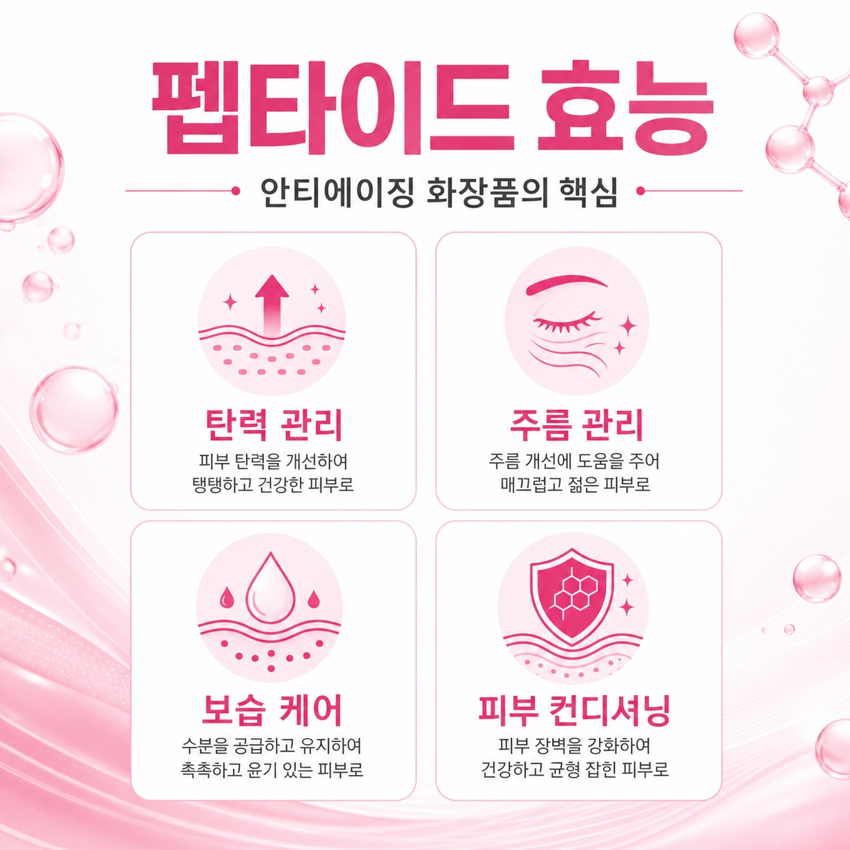
    Peptide benefits for skin refer to the role these ingredients play in supporting skin elasticity, hydration, and barrier condition.
    As skin ages, it tends to become drier and lose elasticity,
    and fine lines start to show up in expressive areas like the eyes and mouth.

    External factors — UV exposure, lack of sleep, dry environments — can repeatedly add to this decline.
    That’s why anti-aging skincare has moved beyond simple hydration toward comprehensively addressing elasticity, barrier function, and overall skin condition.

    peptide benefits illustration 4

    Key Point — 4 Areas Where Peptides Are Used
    · Skin elasticity care: used in firming serums, ampoules, and eye creams
    · Care for wrinkle-prone areas: eyes, mouth, forehead, and other expressive zones
    · Hydration and barrier care: often formulated alongside ceramides and hyaluronic acid
    · Overall skin condition maintenance: used as a daily skincare ingredient

    peptide benefits illustration 5

    That said, using a cosmetic product doesn’t guarantee that existing deep wrinkles will disappear.
    It’s best understood as part of an ongoing skincare routine rather than a guaranteed fix.


    Do Peptides Replenish Collagen in the Skin?

    No — peptides don’t directly refill collagen in the skin.

    Peptides and collagen are closely related terms, but they aren’t the same thing.
    Collagen is a key protein that makes up the skin’s dermis, playing an important role in skin structure and elasticity.

    peptide benefits illustration 6

    As skin ages and is repeatedly exposed to UV light, the balance between collagen production and breakdown can shift.
    Against this backdrop, some peptides have been studied in relation to skin condition.

    One example is copper peptide (GHK-Cu), a copper-bound peptide that has been examined in research related to skin renewal and antioxidant activity.
    However, this reflects findings from lab and clinical studies, and results aren’t guaranteed to be the same for everyone.

    Caution
    Peptide skincare should not be understood as directly injecting or refilling collagen inside the skin.
    Cosmetics should be understood within the scope of topical skincare products, and their effects can vary depending on the type, formulation, concentration, and combination of peptides used.

    Can You Use Peptide Skincare With Retinol and Vitamin C?

    Yes, they can be used together, but application order and monitoring your skin’s response matter.

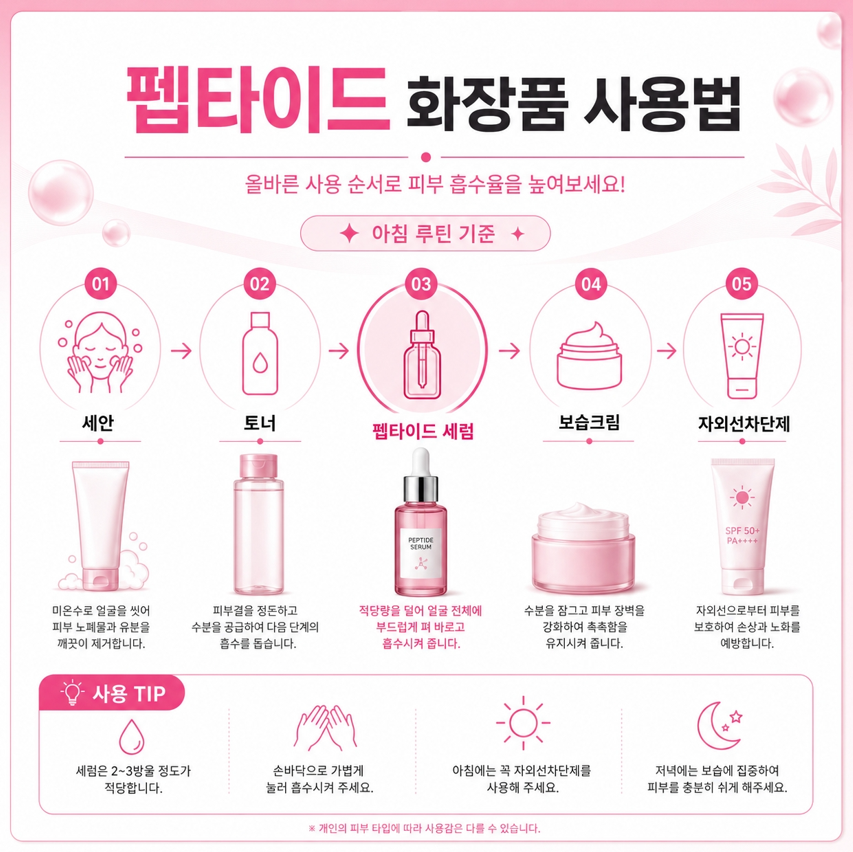
    Suggested Order for Applying Peptide Skincare

    1. Cleanser
    2. Toner
    3. Peptide serum/ampoule
    4. Moisturizer
    5. Sunscreen (morning)

    peptide benefits illustration 8

    Keep in mind that recommended application order can vary by product, so check the manufacturer’s instructions first.
    When trying a new product, it’s safer to introduce one active ingredient at a time and watch how your skin responds, rather than layering several actives at once.

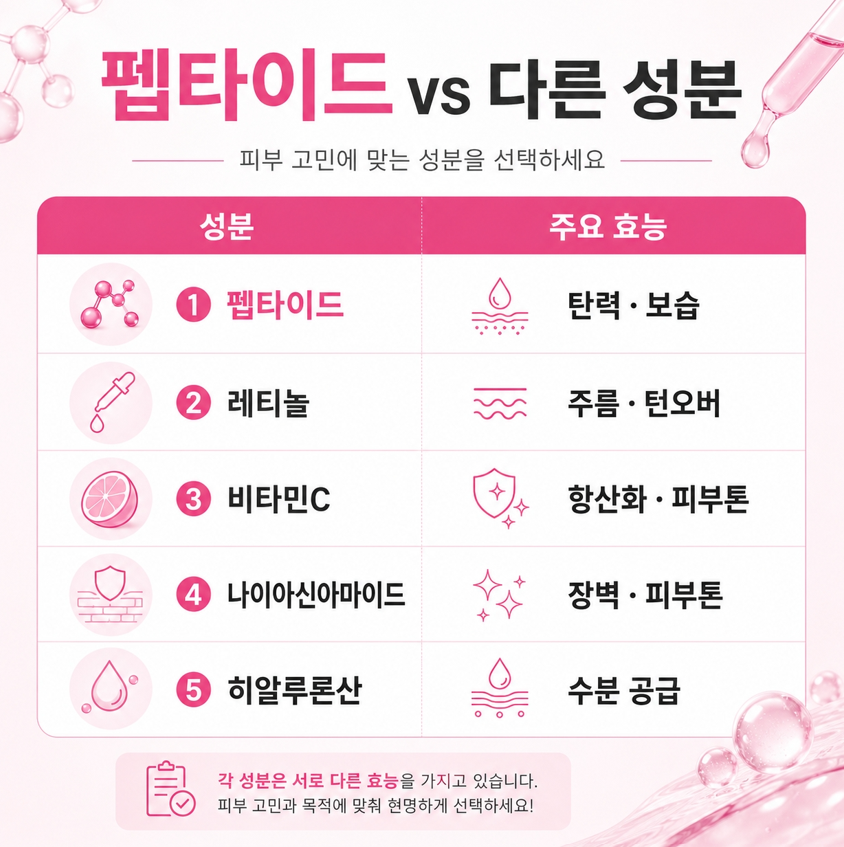
    How Does It Compare to Other Anti-Aging Ingredients?

    Ingredient Primary Care Focus
    Peptides Elasticity, hydration, skin conditioning
    Retinol Texture, wrinkles, cell turnover
    Vitamin C Antioxidant support, skin tone
    Niacinamide Barrier, tone, oil control
    Hyaluronic Acid Hydration, moisture retention

    peptide benefits illustration 9

    Caution
    Using several potentially irritating products at once — like high-strength retinol or acidic ingredients — can leave skin stinging or dry.
    If your skin is sensitive, consider splitting these into AM/PM routines or alternating days.
    Also, sunscreen is essential during the day whenever you’re using retinol.

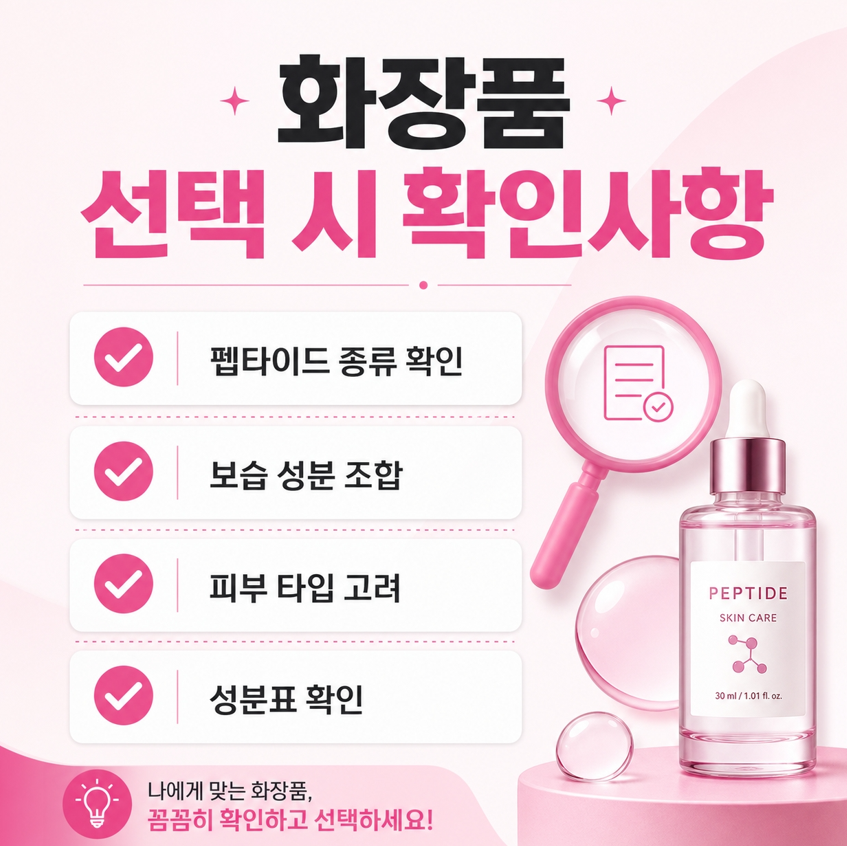
    Checklist for Choosing Peptide Skincare

    peptide benefits illustration 10

    Checklist
    ✅ Have you checked which specific peptide types are listed on the label?
    ✅ Is it formulated alongside hydrating ingredients like hyaluronic acid or ceramides?
    ✅ Does the combination with other actives, like niacinamide, suit your skin?
    ✅ If you have sensitive skin, have you avoided adding several high-strength actives all at once?

    If you’d like to explore collagen and peptide ingredients together, you can find more information at the Atelofill Collagen Skin Research Institute homepage.

    In short, getting the most out of peptide benefits for skin means checking the specific type and combination of peptides — not just whether a product “contains peptides.”
    Pair that with consistent hydration and daily sun protection to help support your anti-aging skincare routine.

    Frequently Asked Questions

    peptide benefits illustration 11

    1. Is a peptide an anti-aging ingredient?
    Peptides are used in a wide range of anti-aging cosmetics for skin conditioning, elasticity, and hydration. However, since there are many different types of peptides, not all of them share the same characteristics.

    2. Does applying peptide skincare refill collagen?
    Peptides in cosmetics should not be understood as directly injecting or refilling collagen in the skin. As a skincare ingredient, peptides are used to support skin conditioning and elasticity.

    3. Which is better, peptides or retinol?
    The two ingredients work differently, so a direct comparison isn’t straightforward. Retinol is mainly associated with cell turnover, wrinkles, and texture, while peptides are mainly associated with elasticity and skin conditioning — so it’s best to choose based on your own skin concerns and sensitivity.

    4. Can peptide skincare be used every day?
    It varies by product, but most peptide skincare is formulated for daily use. That said, it’s best to follow the specific usage instructions for your product.


    References

    · Dou Y, et al., “The Potential of GHK as an Anti-Aging Peptide,” Aging Pathobiology and Therapeutics, 2022. View source
    · Lim KS, et al., “Preventive Effects of Collagen Peptides on Skin Photoaging,” Journal of the Korean Society of Food Science and Nutrition, Korean Society of Food Science and Nutrition. View source


    peptide benefits illustration 12

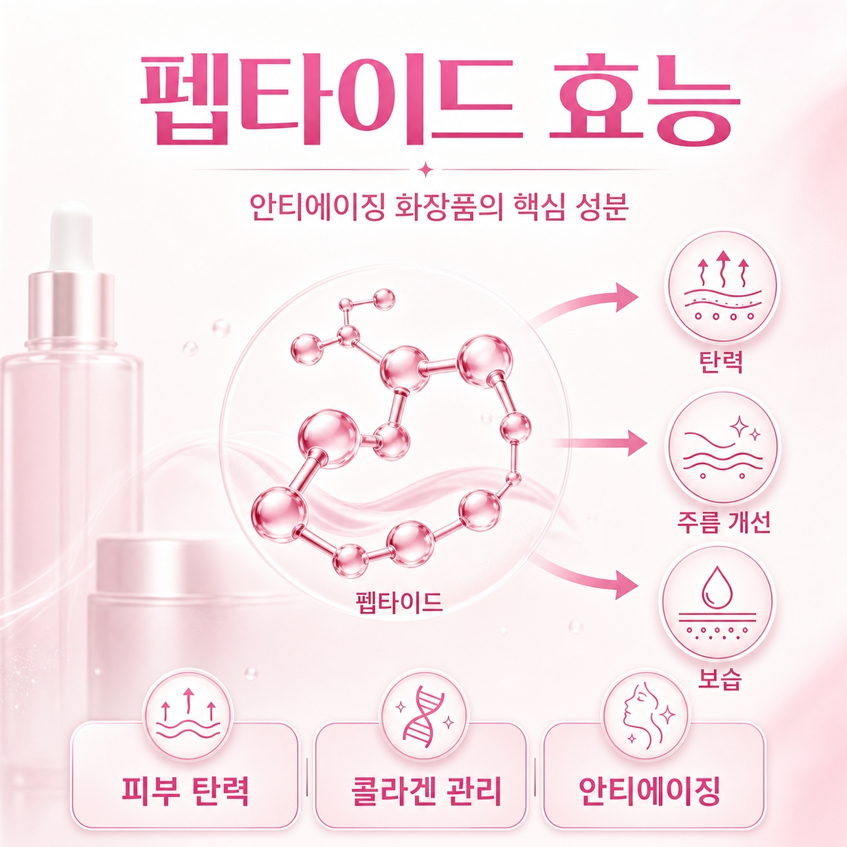
    Peptides are chains of linked amino acids, and they’re used in anti-aging skincare as ingredients that support elasticity, hydration, and skin conditioning.

    That said, it isn’t accurate to assume that “containing peptides” automatically means wrinkles will improve, or that they’ll directly refill collagen.
    Skin aging is influenced by many factors beyond collagen changes — including UV exposure, dryness, lifestyle habits, and age.

    Whatever anti-aging ingredient you use, the fundamentals stay the same.
    Consistent hydration and daily sun protection remain the most basic starting point for skin care.

    This article is intended for general informational purposes only and is not a substitute for individual diagnosis or treatment. If you have any concerns, please consult a dermatologist or qualified professional.