“I wash my hair every day, but the dandruff just won’t go away.”
“My scalp gets so itchy that scratching it leaves it red within minutes.”
It’s easy to chalk these changes up to the weather.
But if your dandruff and itching keep flaring up and calming down in a cycle, that’s a different story.
Key Takeaway
Seborrheic dermatitis scalp causes aren’t about excess oil alone — they result from the combined effects of Malassezia yeast, skin barrier health, and inflammatory response.
If dandruff, itching, and redness keep recurring, it’s worth distinguishing this from ordinary dandruff, and adjusting your washing habits while minimizing scalp irritation can help ease symptoms.
What Is Seborrheic Dermatitis?
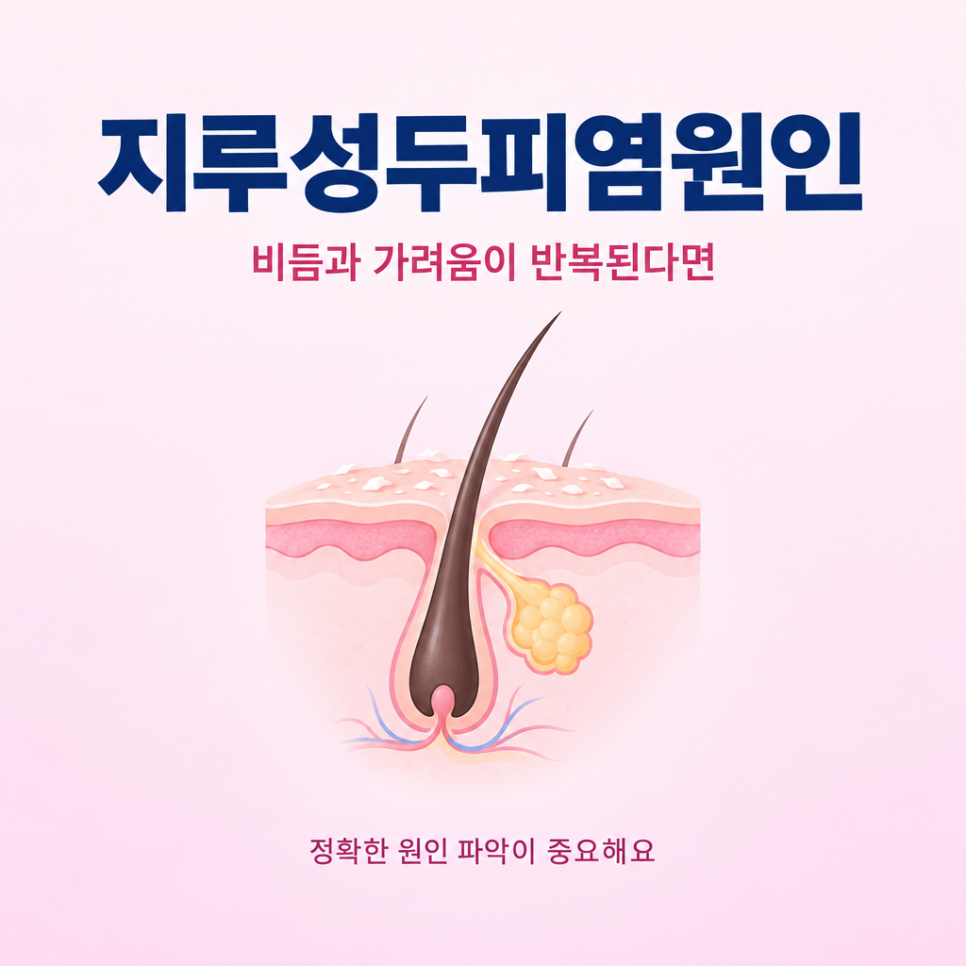
Seborrheic dermatitis is a chronic inflammatory skin condition that develops on areas of the scalp with well-developed oil (sebaceous) glands.
Similar symptoms can also appear around the eyebrows, sides of the nose, ears, and chest — not just the scalp.
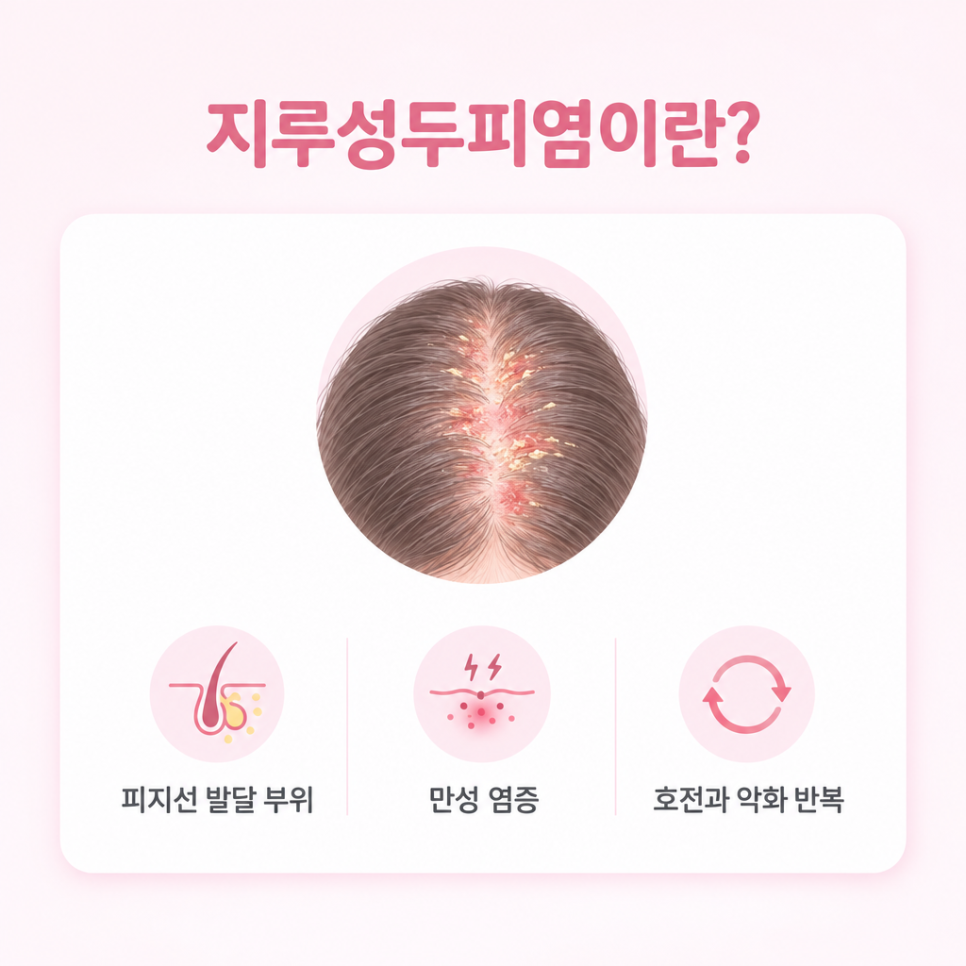
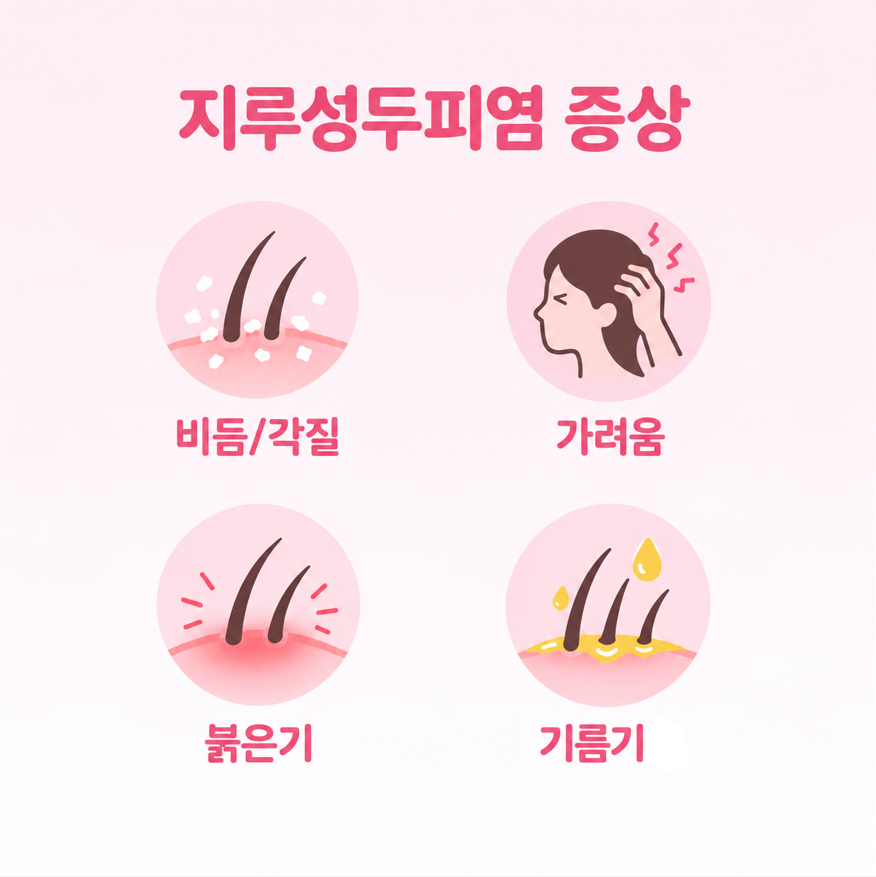
The main symptoms are dandruff-like flaking, itching, and redness.
The scalp may look oily with yellowish flakes, or the flaking may resemble ordinary dry dandruff.
Seborrheic dermatitis is a chronic inflammatory skin disease that commonly occurs in areas with high sebum production, such as the scalp, forehead, and around the ears, with redness and fine scaling (dandruff) as its main symptoms.
That’s how Seoul Asan Hospital’s medical encyclopedia describes seborrheic dermatitis.
One of its defining features is that it tends to go through cycles of improvement and flare-up — symptoms calm down for a while, then the itching and flaking return.
① According to the literature, seborrheic dermatitis is reported to affect about 1-5% of the general population and 3-5% of adult men.
② Some reports estimate the global average prevalence at 4.38%, and the condition is known to occur more frequently in adults than in children.
What Are the Main Seborrheic Dermatitis Scalp Causes?
To put it simply, seborrheic dermatitis scalp causes can’t be explained by excess oil alone.
It’s best understood as a condition that arises from the interplay of Malassezia yeast, the scalp’s oil environment, skin barrier function, and lifestyle habits.
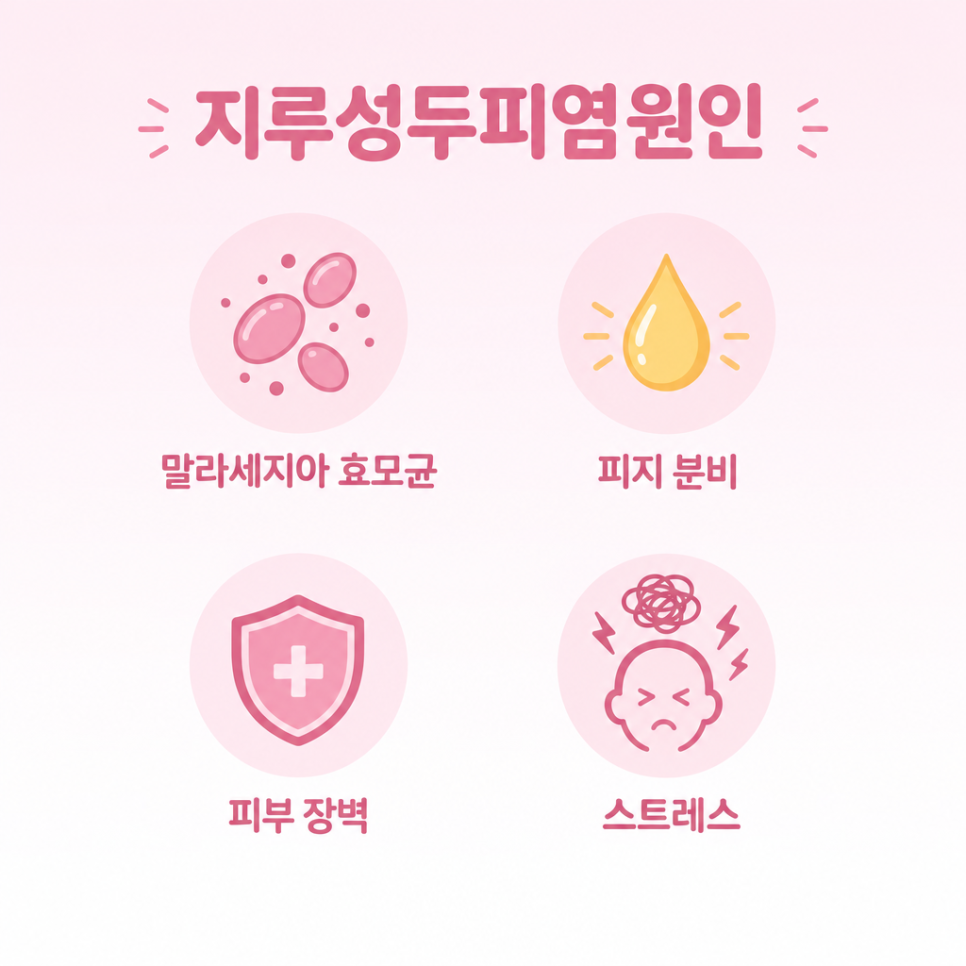
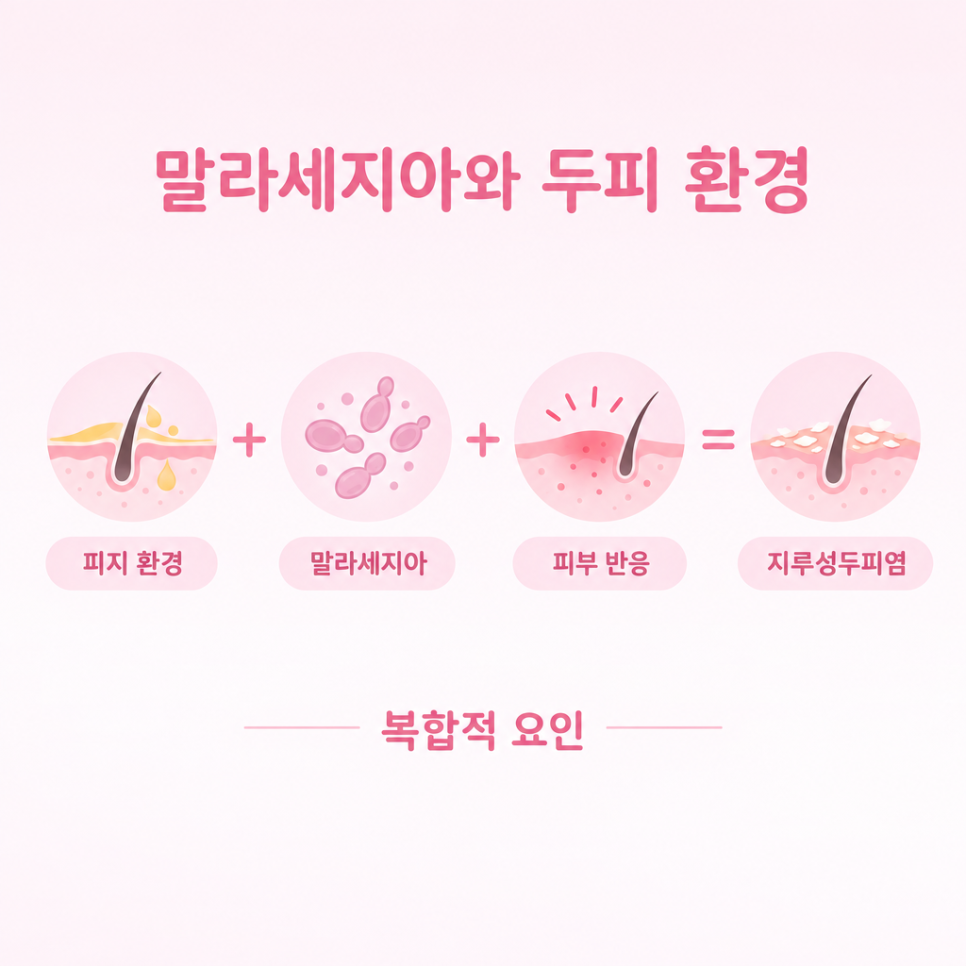
① Malassezia and the Scalp Environment
Malassezia is a yeast that can naturally live on the skin, and it’s closely linked to oil-rich environments.
However, having Malassezia present doesn’t mean everyone will develop the condition — an individual’s sebum composition, skin barrier condition, and immune response to the yeast all play a role.
② Oil Production and Washing Habits
Since the condition tends to appear in areas with well-developed oil glands, sebum is also an important factor.
That said, it shouldn’t be labeled as a condition that ‘only affects oily scalps.’
Washing your hair multiple times a day or repeatedly using harsh cleansing products to strip away oil can actually increase scalp irritation.
③ Skin Barrier Function and Inflammatory Response
When the scalp barrier becomes sensitized, it reacts more readily to outside irritants, which can make itching and redness more pronounced.
④ Stress, Lifestyle, and Seasonal (Fall) Factors
Lack of sleep and ongoing stress can also be linked to symptom flare-ups.
In particular, as the season shifts from fall to winter, bigger temperature swings and drier air can make the scalp more prone to sensitivity.

On top of that, washing with hot water or holding a hair dryer’s hot air too close to the scalp can add further irritation.
If you’ve had symptoms before, it’s a good idea to pay closer attention to changes in dandruff, flaking, itching, and redness during seasonal transitions.
How Is Seborrheic Dermatitis Different From Regular Dandruff?
Not all dandruff means you have seborrheic dermatitis.
Seasonal changes, dryness, shampoo residue, or irritation from hair products can all cause temporary flaking.
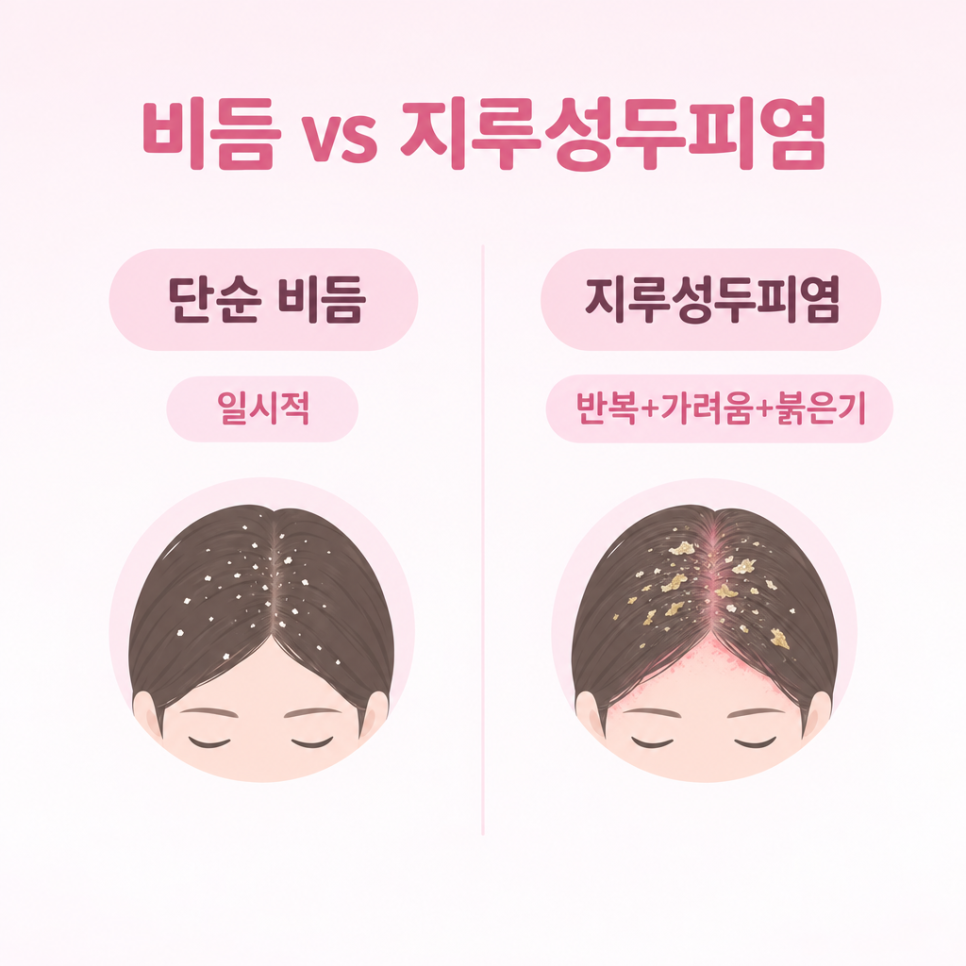
| Category | Regular Dandruff | Seborrheic Dermatitis |
|---|---|---|
| Cause | Dryness, cleansing residue | Oil, Malassezia, barrier, and inflammation combined |
| Accompanying symptoms | Mainly flaking | Itching and redness present |
| Course | Improves with care | Cycles of improvement and flare-up |

✅ Dandruff and flaking persist even after washing
✅ Your scalp itches frequently
✅ Redness appears along with the itching
✅ White or yellowish flakes keep recurring
✅ Your scalp is oily and dandruff appears at the same time
✅ Similar symptoms appear around the eyebrows, ears, or nose
✅ Symptoms improve and then flare up again in a repeating cycle
Other conditions, such as scalp psoriasis or contact dermatitis, can cause similar symptoms.
Don’t self-diagnose based on symptoms alone — getting an accurate assessment is important.
How to Manage Recurring Dandruff and Itching
The key to managing symptoms is reducing scalp irritation.
Simply reviewing your water temperature, scratching habits, and the products you use can make a difference.
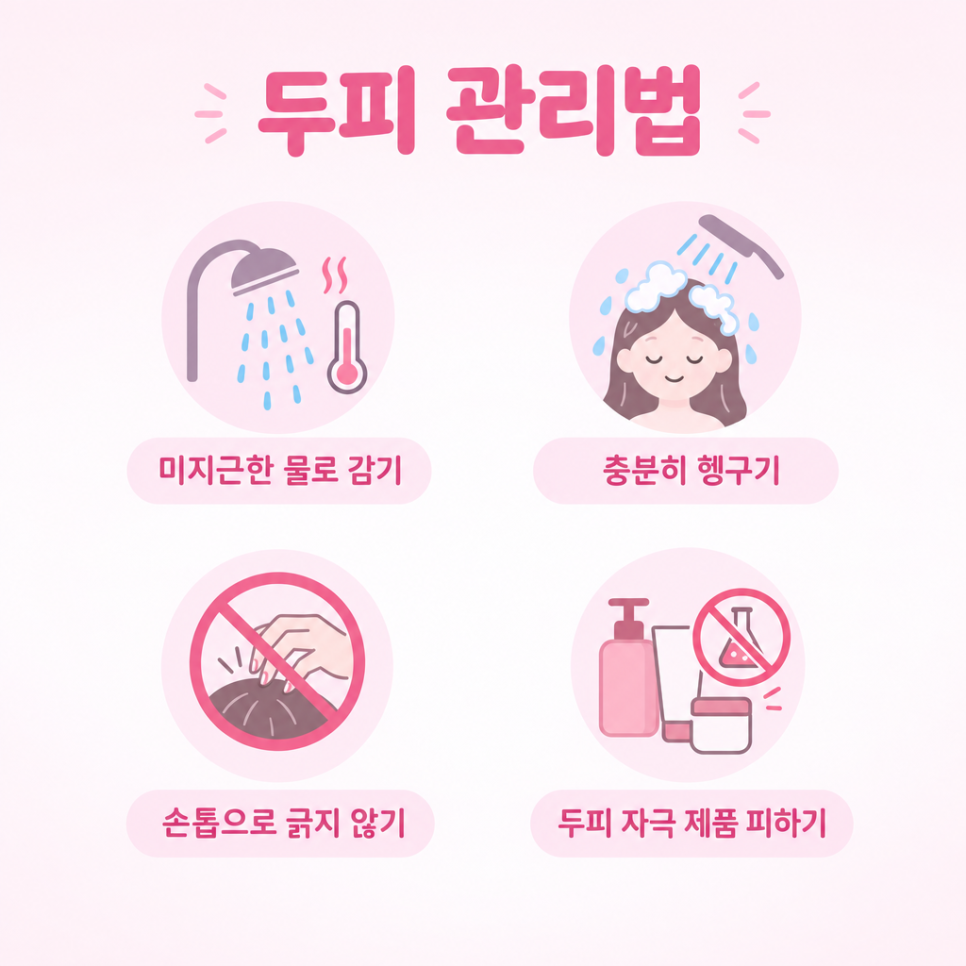
- Avoid water that’s too hot — wash with lukewarm water and rinse thoroughly so no shampoo residue is left behind.
- Don’t scratch with your nails or force flakes off, even when it’s itchy. Repeated scratching can cause wounds and worsen irritation.
- Pay attention to whether symptoms worsen after using hairspray, wax, or hair dye.
- Depending on symptoms, medicated shampoos containing antifungal ingredients such as ketoconazole may be used, and if inflammation or itching is severe, other topical treatments may be needed.
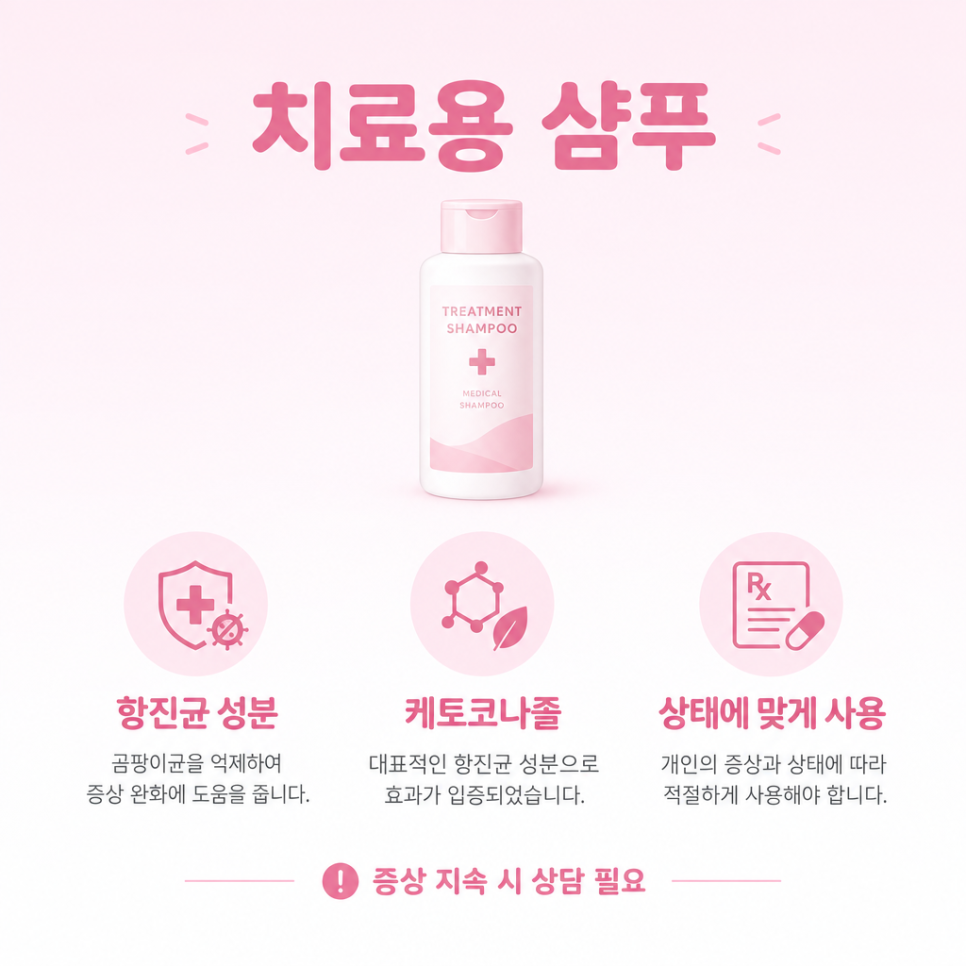
According to a report featured in American Family Physician (AAFP), a study of 575 people who used a ketoconazole-based medicated shampoo found that 88% showed good improvement.
However, this figure comes from that specific study, and actual effectiveness and suitability can vary depending on an individual’s scalp condition.
Rather than switching between different over-the-counter dandruff shampoos, if symptoms keep recurring or worsening, the first step is to check your own scalp condition.
If you’re curious about product information that can help with everyday scalp hydration and minimizing irritation, you can also check out the scalp and skin care content on the Atelofill Collagen Skin Lab homepage.
Frequently Asked Questions

1. Is seborrheic dermatitis caused by not washing the scalp thoroughly?
No. It isn’t caused by poor hygiene alone — sebum, Malassezia, skin barrier function, and inflammatory response are all involved together.
2. Does a lot of dandruff mean you have seborrheic dermatitis?
Dandruff alone isn’t enough to tell. You need to look at whether itching, redness, and oily flaking recur together.
3. Will washing your hair more often help?
Proper cleansing is necessary, but washing too frequently or repeatedly using harsh cleansers can actually irritate the scalp.
4. Can seborrheic dermatitis come back?
Yes. It often follows a chronic course of improvement and flare-up, so it’s important to keep reducing irritating habits even after symptoms settle down.
5. Why do symptoms get worse during seasonal transitions?
Because temperature swings, dry air, and habits like using hot water or a hair dryer combine to increase scalp irritation.
References

· Seoul Asan Hospital, “Seborrheic Dermatitis,” Seoul Asan Hospital Disease Encyclopedia. View source
· Naldi L, Diphoorn J, “Diagnosis and Treatment of Seborrheic Dermatitis,” American Family Physician, 2015. View source
· “Ketoconazole Shampoo for Seborrheic Dermatitis of the Scalp: A Narrative Review,” PMC (National Library of Medicine), 2024. View source
This article is intended for general health information purposes only and is not a substitute for individual diagnosis or treatment. If you have symptoms, please consult a medical professional.
Leave a Reply