Have you ever used a brightening serum for two months only to feel like your skin looked exactly the same in the mirror?
It’s easy to expect visible change within a week of starting a niacinamide serum, but in reality, it can take longer than that.
As it turns out, the point at which change becomes visible depends heavily on the ingredient and what you’re actually trying to treat.
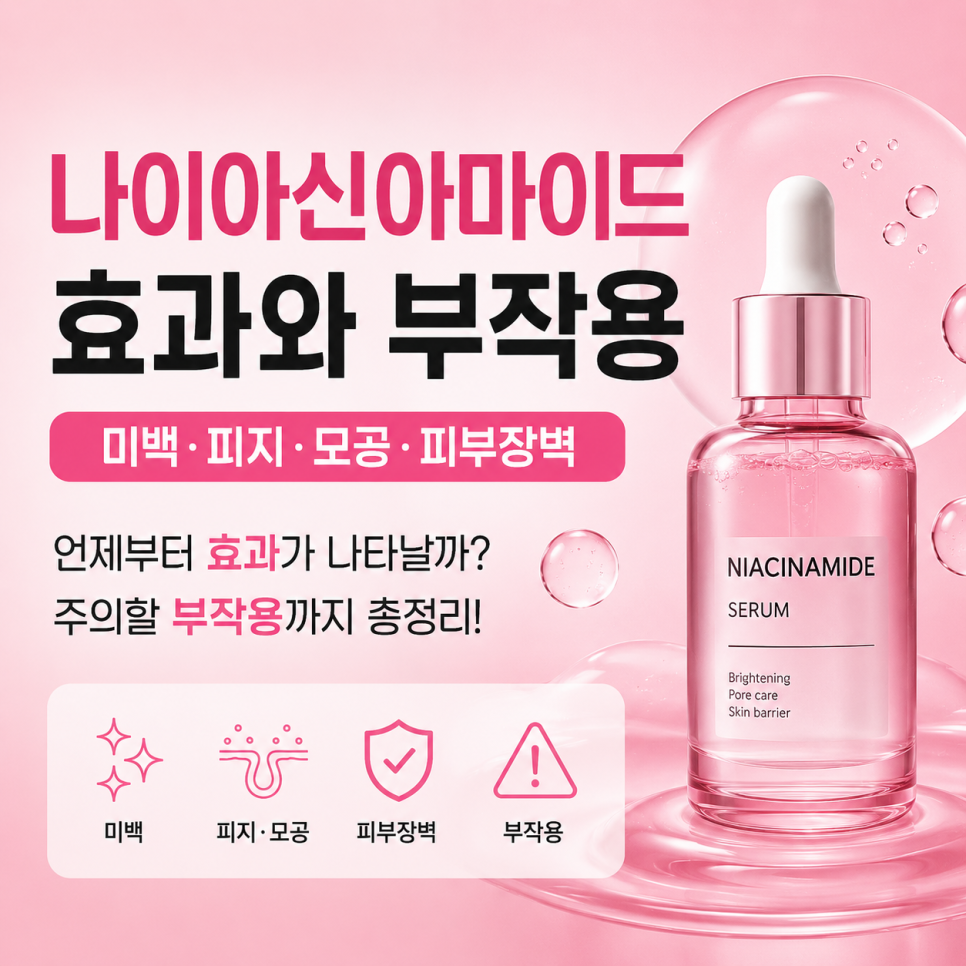
This article breaks down the niacinamide results timeline based on published research.
You’ll find expected timeframes by concern — pigmentation, oil, and wrinkles — along with guidance on choosing a concentration and understanding side effects.
✔ Niacinamide is a vitamin B3 derivative used to help manage skin tone, oil production, and the skin barrier.
✔ Studies have observed pigmentation and oil-related changes within 2 to 4 weeks, while wrinkle and elasticity changes have been studied over 8 to 12 weeks.
✔ A higher concentration doesn’t automatically mean better results — starting with a lower concentration and monitoring your skin’s response is the safer approach.

What Is Niacinamide?
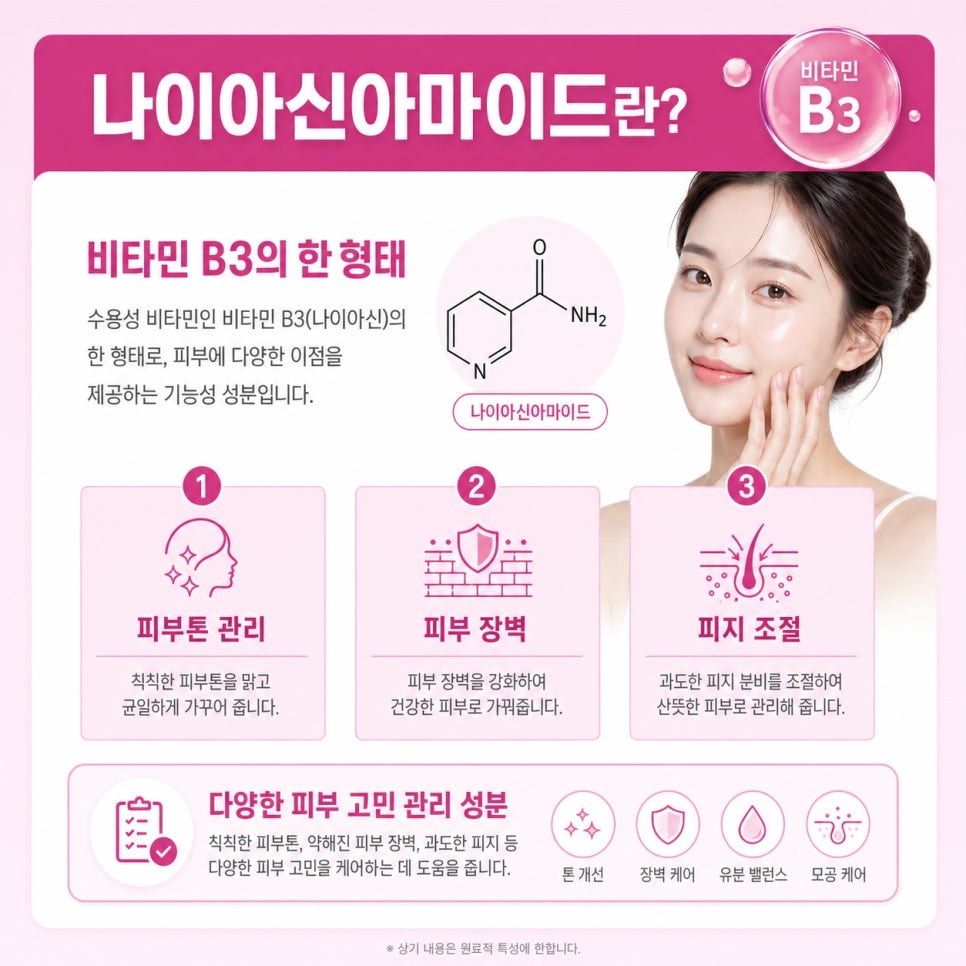
Niacinamide is a form of vitamin B3, also known as nicotinamide, used widely in skincare formulations.
It’s used to help manage skin tone and pigmentation, support the skin barrier and moisture retention, and regulate oil production.
Unlike ingredients such as retinol or vitamin C, which tend to target one specific concern, niacinamide stands out for being incorporated into a wide range of skincare products.
Recent literature reviews describe it as an ingredient used to support skin barrier protection and manage skin tone and signs of aging.
What Exactly Are the Effects of Niacinamide?
Niacinamide has been studied for its ability to address multiple skin concerns at once, rather than just one.
Changes have most commonly been reported in four areas: pigmentation, oil production, the skin barrier, and skin texture.

Skin Tone and Pigmentation Management
To put it simply, niacinamide is one of the ingredients that has been actively studied for pigmentation management.
Melanin is produced in melanocytes and then transferred to keratinocytes via melanosomes.
Niacinamide is understood to work not by directly breaking down melanin, but by influencing this transfer process.
In one study using niacinamide, reduced pigmentation and a change in skin brightness were observed after 4 weeks of use.
That said, this doesn’t mean pigmentation that’s already formed will disappear within a few days.
It’s more accurate to think of niacinamide as an ingredient that helps manage skin tone with consistent, ongoing use.
In a study where participants used 5% niacinamide for 4 weeks, both reduced pigmentation and improved skin brightness were observed.

Skin Barrier and Moisture Retention
If your skin becomes dry easily or feels sensitive to irritation, it’s worth also looking at your skin barrier.
In related clinical studies, groups using formulations containing niacinamide showed increased stratum corneum moisture and reduced transepidermal water loss.
That said, the actual result isn’t determined by niacinamide alone.
Other formulated ingredients — such as ceramides and moisturizing agents — and the product’s overall formula also play a role.
Oil Control
If shine or excess oil is a concern, niacinamide may be worth considering.
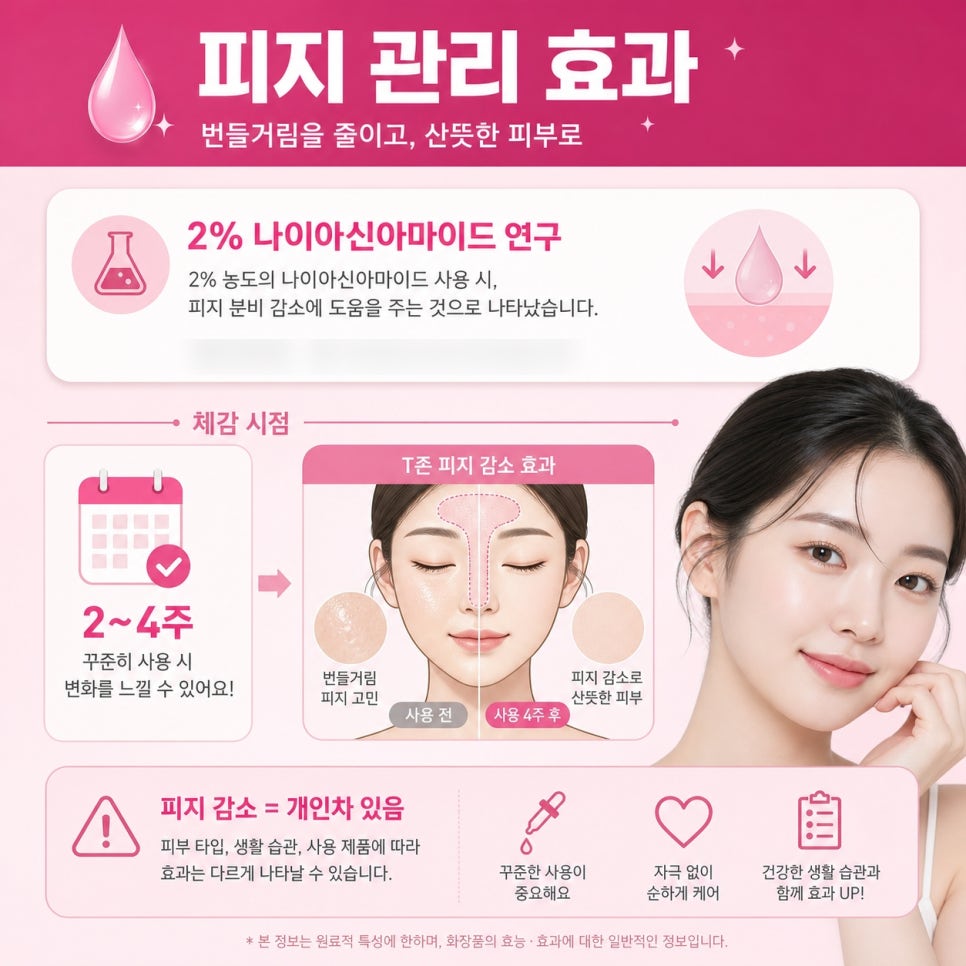
In a study using a 2% concentration, sebum-related measurements decreased in some participants after 2 to 4 weeks of use.
However, results have varied across ethnic groups in research, so it’s hard to say everyone will see the same degree of change.
If you have oily skin, it also helps to adjust your cleansing routine, moisturizing, and the oil content of your other products.
Skin Texture, Fine Lines, and Elasticity
Niacinamide has also been studied for managing signs of aging.
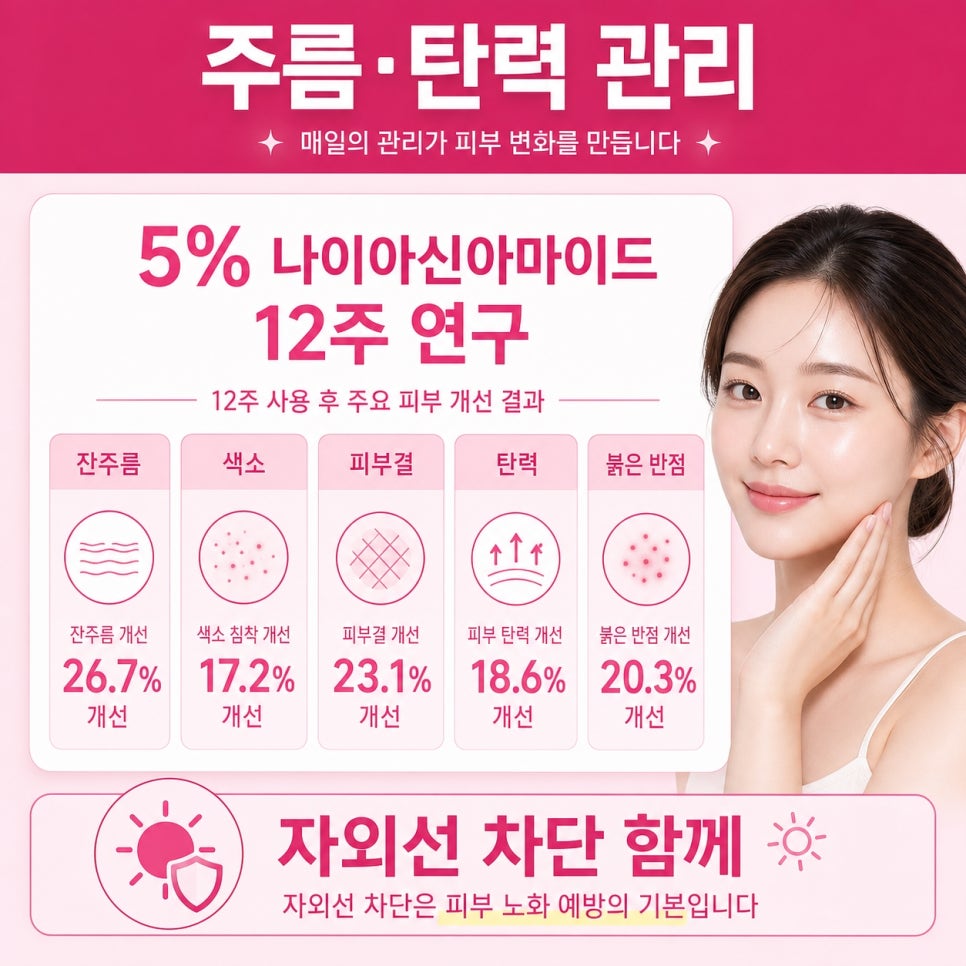
In a clinical trial using a 5% concentration for 12 weeks, improvements in fine lines, pigmentation, red blotchiness, skin texture, and elasticity were observed compared to a control group.
That said, deeply set wrinkles won’t disappear from skincare products alone.
Daily sun protection and moisturizing remain essential, and it’s important to take a long-term view when using this ingredient.
Niacinamide Results Timeline: How Long Does It Take?
When niacinamide effects appear depends on what you’re trying to address.
There’s no single, exact number of days that applies across the board.
Taken together, research suggests oil-related measurements have changed within about 2 to 4 weeks, while pigmentation-related changes have been observed from around 4 weeks onward.
Studies evaluating wrinkles, skin texture, and elasticity, on the other hand, have generally looked at results after 8 to 12 weeks of longer-term use.
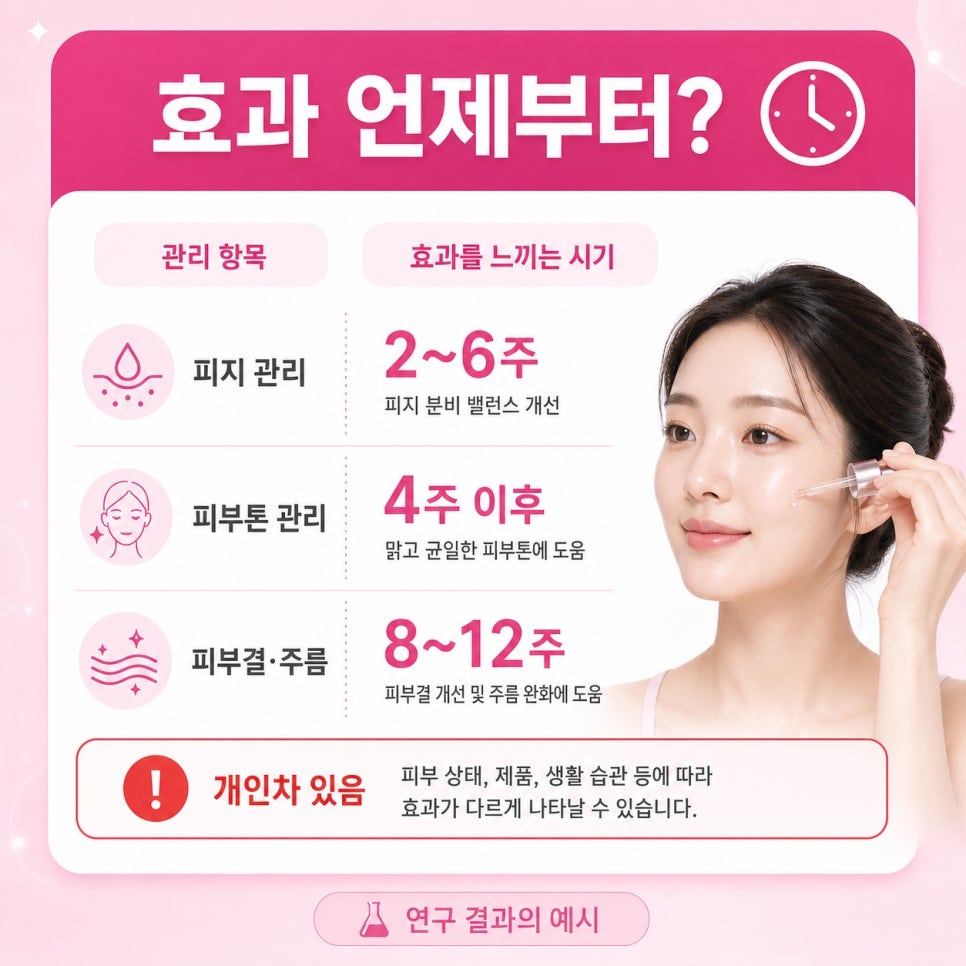
| Skin Concern | Timeframe Evaluated in Studies |
|---|---|
| Oil control | About 2-6 weeks |
| Pigmentation & skin tone | From about 4 weeks onward |
| Skin texture & fine lines | About 8-12 weeks |
| Elasticity & signs of aging | Requires long-term, consistent use |
It’s important to note that these timeframes aren’t a guarantee of results for everyone.
They’re simply examples of when changes were observed in research.
How quickly you notice results can vary depending on the product’s concentration and formulation, other ingredients used alongside it, your skin condition, and your sun exposure.
That’s why, if you’re managing pigmentation, you shouldn’t rely on niacinamide alone while neglecting sun protection.
Does a Higher Concentration Mean Better Results?
In short, there’s no clear evidence that a higher concentration produces proportionally better results.
Most clinical studies have used concentrations in the 2% to 5% range.
For example, one study evaluated oil control using a 2% product, while another assessed pigmentation and signs of aging using a 5% product.
It’s tempting to assume 10% works twice as well as 5%, but there isn’t enough evidence to support that.
If you’re a first-time user or have sensitive skin, it’s safer to start with a lower concentration and see how your skin responds.
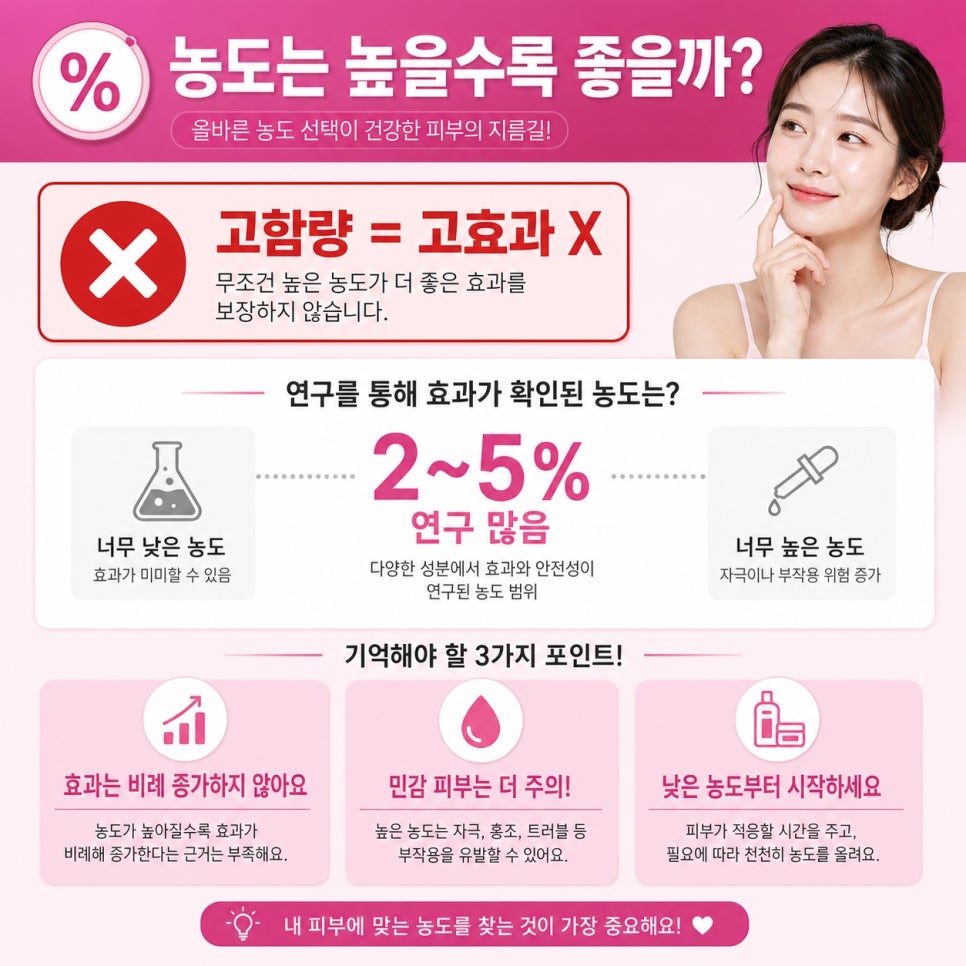
✅ If you’re new to niacinamide, start with a product in the 2-5% range
✅ Watch for stinging or redness for 3 to 5 days after use
✅ If there’s no irritation, gradually increase how often you use it
✅ Use sunscreen daily regardless of the concentration you choose
Niacinamide Side Effects and How to Use It Safely
Niacinamide is generally considered a mild ingredient, but that doesn’t mean it’s free of irritation for everyone.
Depending on your skin condition and the product’s concentration and formulation, you may experience stinging, burning, redness, itching, dryness, tightness, or general irritation.
In fact, a clinical study using a 4% concentration reported side effects in some participants.
If your skin barrier is already compromised, or if you’re using several active ingredients at once, the risk of irritation should be considered more carefully.
If persistent redness, severe itching, swelling, or other unusual reactions occur, stop using the product and consult a dermatologist.
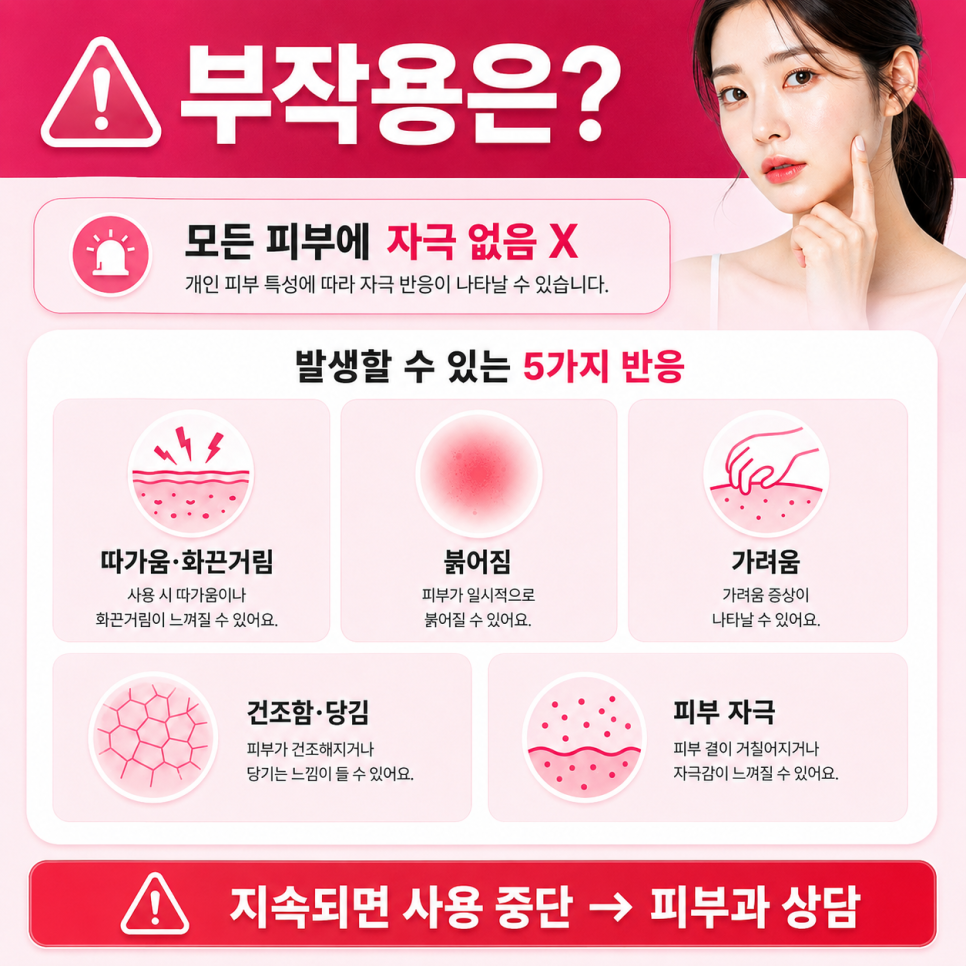
⚠ Stop use immediately if stinging, redness, or itching persists.
⚠ If your skin barrier is compromised, it’s safer to avoid high-concentration products.
⚠ If unusual reactions continue, see a dermatologist rather than self-diagnosing.
What to Keep in Mind When Using It
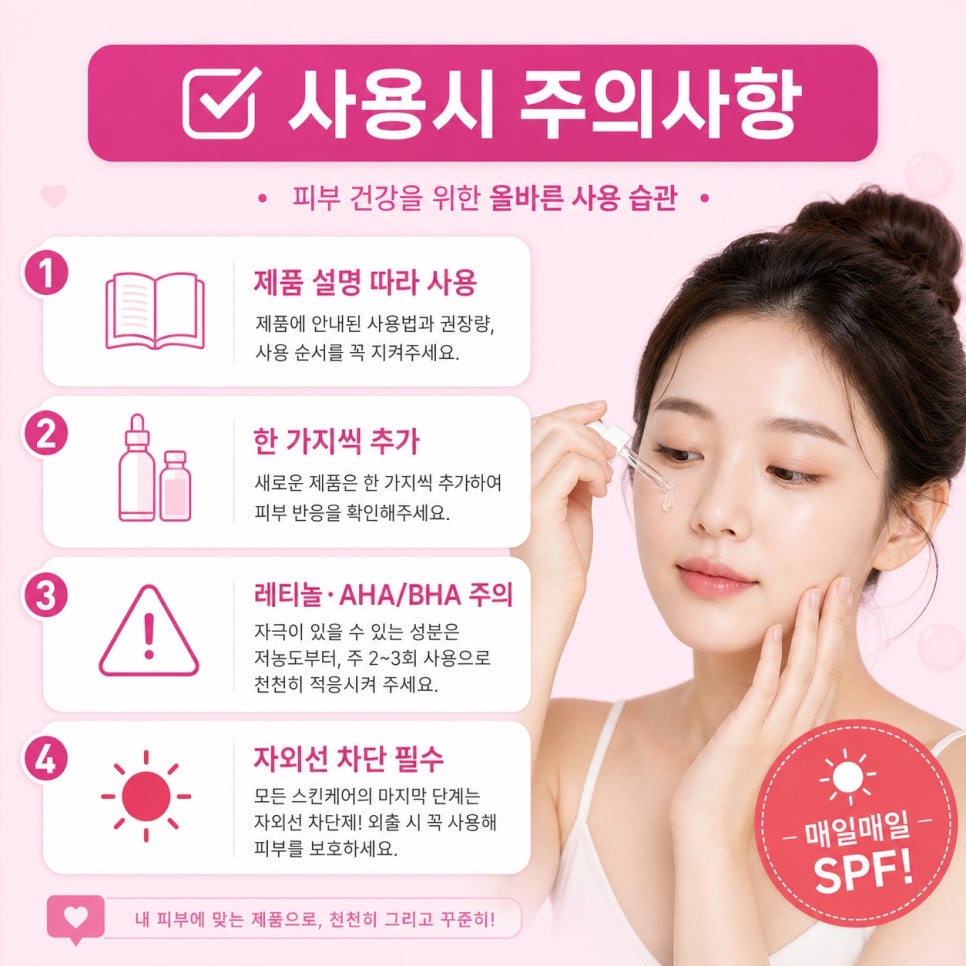
If you’re using it for the first time, it’s best to follow the usage directions and frequency listed on the product.
Rather than adding several active ingredients at once, it’s better to introduce them one at a time and monitor how your skin reacts.
Combining niacinamide with potentially irritating ingredients like retinol or AHA/BHA isn’t prohibited, but irritation can add up.
If you have sensitive skin, consider adjusting how often you use it or splitting active ingredients between morning and night.
If you’re managing pigmentation or signs of aging, using sunscreen during the day is an especially important habit.
If you’d like to learn more about specific ingredients and product details, you can find related information on the Atelofill Collagen Skin Research Institute homepage.
Niacinamide isn’t an ingredient limited to managing skin tone alone.
It has been studied broadly for pigmentation, oil control, the skin barrier, and skin texture.
That said, when results appear varies by individual and by goal, and a higher concentration doesn’t automatically mean faster or better results.
Consistent care built around moisturizing and sun protection remains essential.
Frequently Asked Questions

1. Will I see niacinamide results in just a week?
Some people notice a change in how their skin feels within a week, but that’s often too short a time to judge specific improvements in pigmentation, oil, or wrinkles. Research has evaluated changes over timeframes ranging from about 2 to 12 weeks, depending on the goal.
2. Do I need 10% niacinamide for it to work well?
Not necessarily. Studies have shown results with concentrations as low as 2-5%, so a higher percentage isn’t automatically the better choice. It’s best to consider your skin type and the product’s overall formulation together.
3. Can I use niacinamide every day?
Many products are designed for daily use according to their instructions. That said, if you’re using it for the first time, watch how your skin responds, and reduce frequency or stop if stinging or redness occurs.
4. Can I use it alongside vitamin C or retinol?
Combining them isn’t prohibited, but irritation can build up depending on the individual. If you have sensitive skin, consider splitting them between morning and night or adjusting how often you use each one.
References
· Hakozaki T, et al., “The effect of niacinamide on reducing cutaneous pigmentation and suppression of melanosome transfer,” British Journal of Dermatology, 2002. View source
· Bissett DL, et al., “Topical niacinamide reduces yellowing, wrinkling, red blotchiness, and hyperpigmented spots in aging facial skin,” International Journal of Cosmetic Science, 2004. View source
· Draelos ZD, et al., “The effect of 2% niacinamide on facial sebum production,” Journal of Cosmetic and Laser Therapy, 2006. View source
· Marques C, et al., “Mechanistic Basis and Clinical Evidence for the Applications of Nicotinamide (Niacinamide) to Control Skin Aging and Pigmentation,” Antioxidants (MDPI), 2021. View source
This article is intended for general health information purposes only and is not a substitute for professional diagnosis or treatment. If you have symptoms, please consult a qualified healthcare provider.