Tag: Skin Texture Care

  • Collagen Skin Booster: 3 Key Features of Atelofill’s Atelocollagen

    Collagen Skin Booster: 3 Key Features of Atelofill’s Atelocollagen

    SummaryHere’s what to know before talking to a provider about collagen skin boosters and Atelofill: the ingredient profile of Type I atelocollagen, which skin concerns it may address, and what to confirm before treatment.

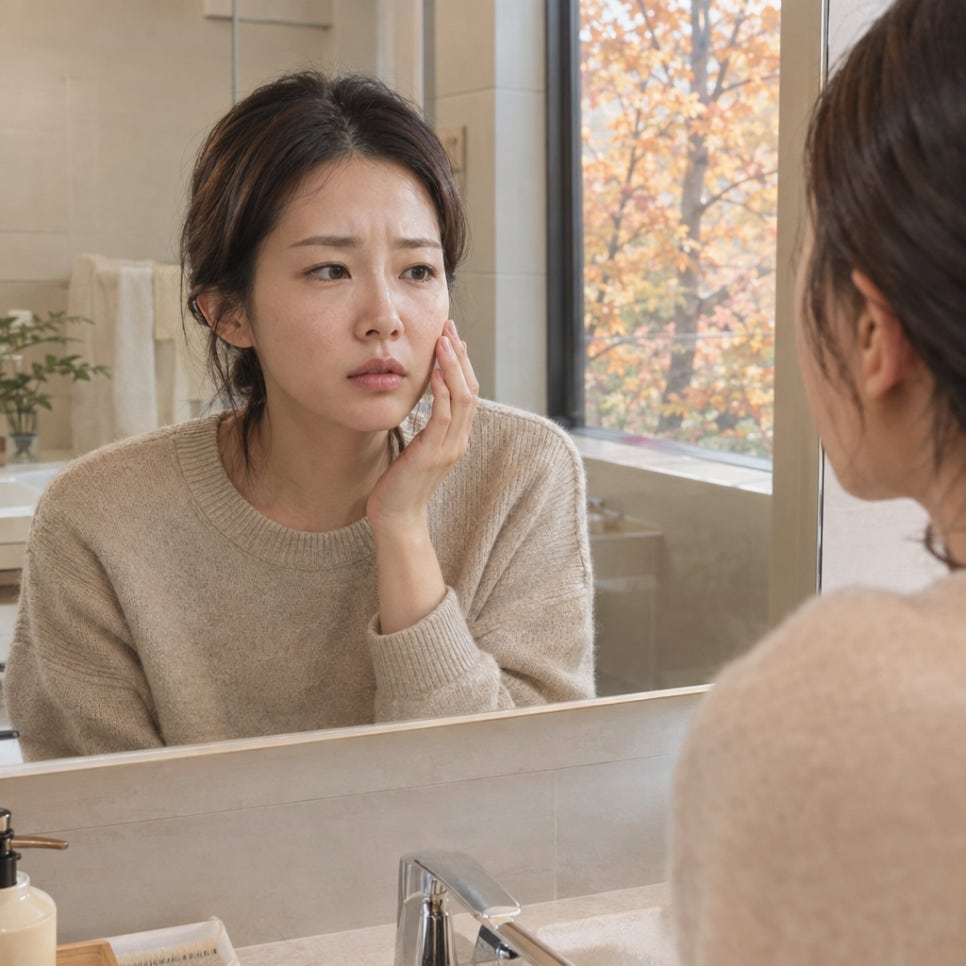
    Have you ever looked in the mirror and felt your face just doesn’t look the way it used to?
    No matter how much skincare you apply, your cheeks and under-eye area keep looking hollow, and firmness doesn’t bounce back easily.

    If concerns like these led you to search for collagen skin booster, you may have wondered whether the real cause lies deeper than the skin’s surface — in the collagen within the dermis itself.

    This article covers everything from what a collagen skin booster is to the ingredient characteristics of Atelofill, a Type I atelocollagen-based tissue filler. We’ll also look at which skin concerns it may be considered for and what to check before treatment.

    Key Points
    · Collagen is a major structural protein that makes up the skin’s dermis.
    · A collagen skin booster covers a range of products with different ingredients, used depending on skin condition and goals.
    · Atelofill is a collagen-based tissue filler built on Type I atelocollagen.
    · A defining feature of atelocollagen is that the telopeptide is removed during purification.
    collagen skin booster

    collagen skin booster related image 2

    collagen skin booster related image 3

    What Is a Collagen Skin Booster, and Why Is It Getting Attention?

    To put it simply, “collagen skin booster” doesn’t refer to a single ingredient.

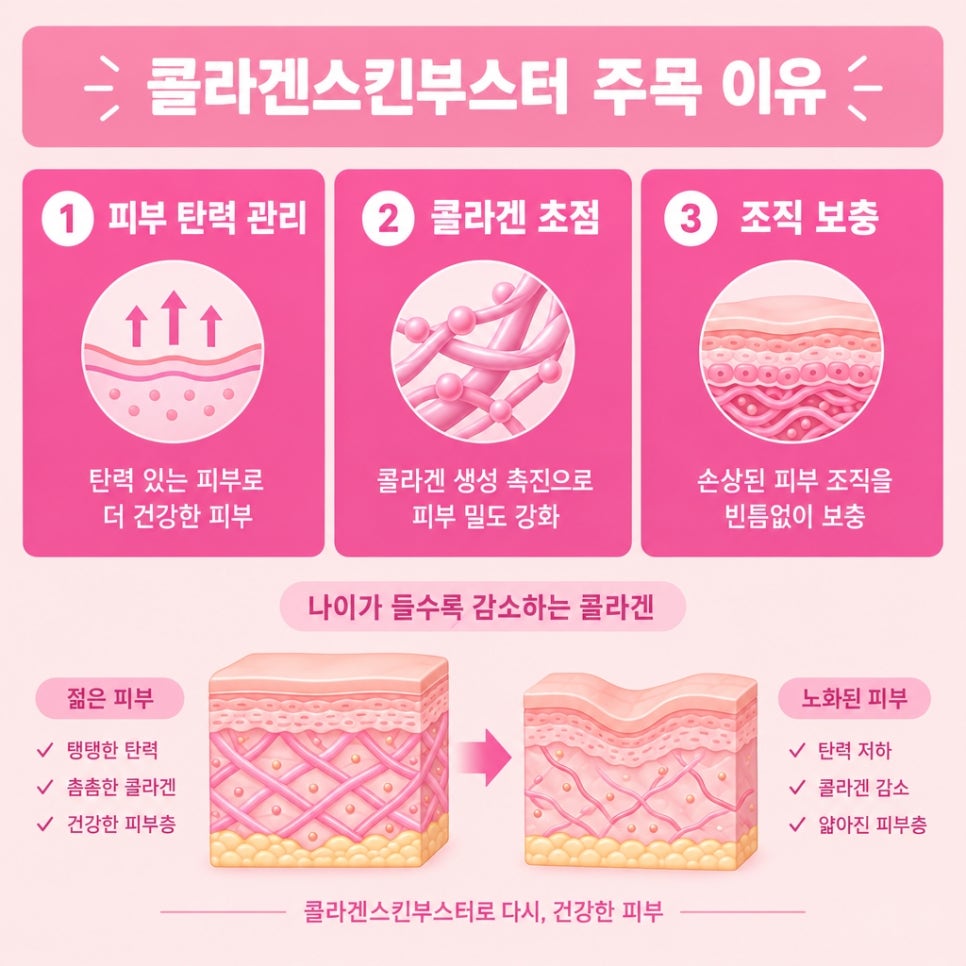
    A collagen skin booster is an umbrella term for treatments and products that use collagen-based ingredients to support the structure of the skin’s dermis and help improve overall skin condition.

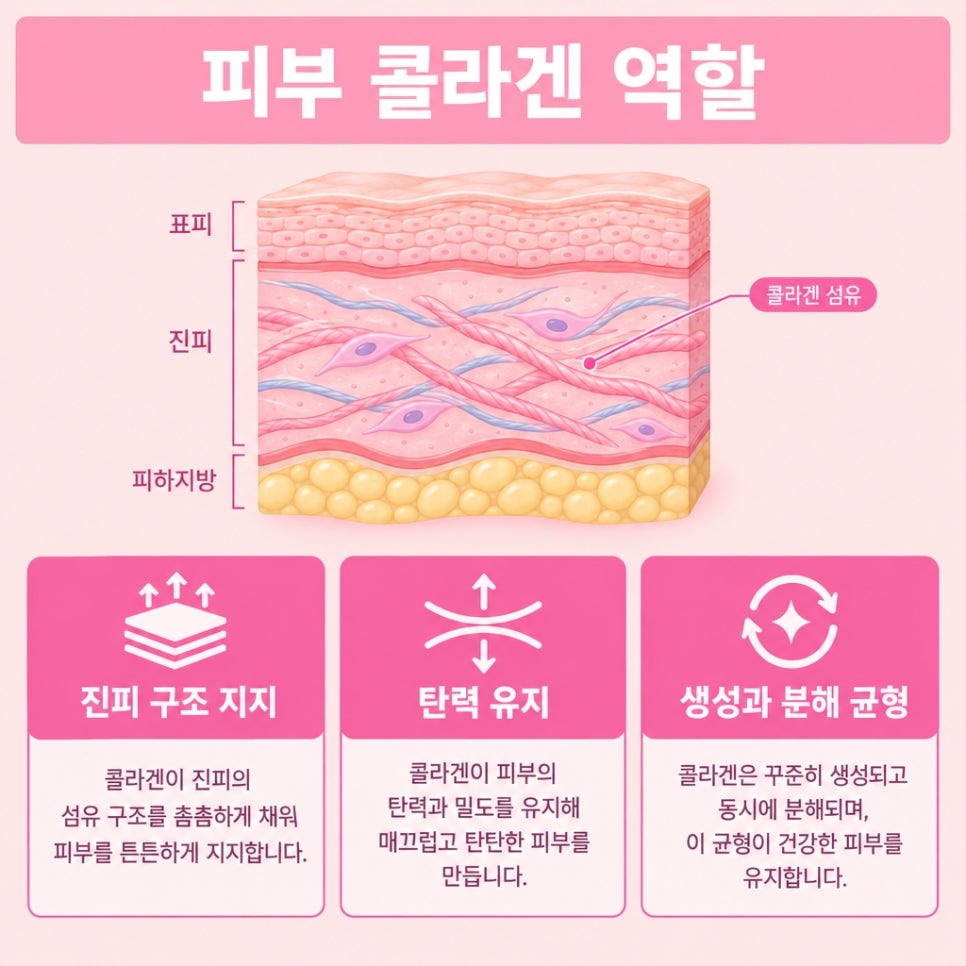
    Skin is made up of several layers, including the epidermis and dermis, and the dermis contains structural components such as collagen and elastin.
    As aging progresses and external stressors like UV exposure add up over time, the balance between collagen production and breakdown can gradually shift.

    As a result, skin firmness may start to feel different than before, sometimes alongside fine lines, changes in skin texture, and volume loss.
    That’s why interest has recently grown in approaches that go beyond surface-level care and focus on the skin’s tissue and collagen itself.

    collagen skin booster related image 4

    collagen skin booster related image 5

    collagen skin booster related image 6

    Why Isn’t Collagen Just Produced Once and Done?

    Collagen is a key structural protein found not only in skin but also in bone, cartilage, tendons, and other tissues.
    It isn’t produced once and left unchanged — the body continuously repeats cycles of production and breakdown.

    It’s worth remembering that this balance can shift depending on factors such as aging, UV exposure, and lifestyle environment.


    What Ingredients Make Up Atelofill?

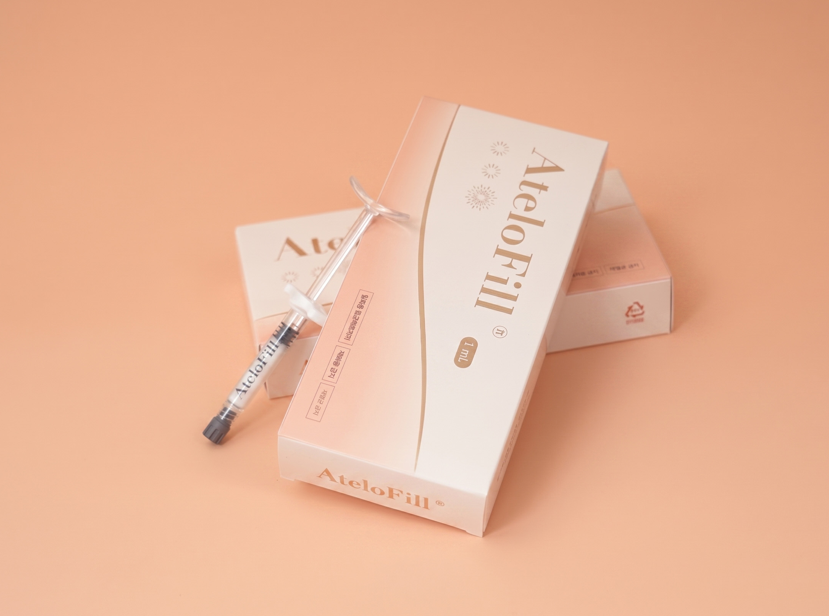
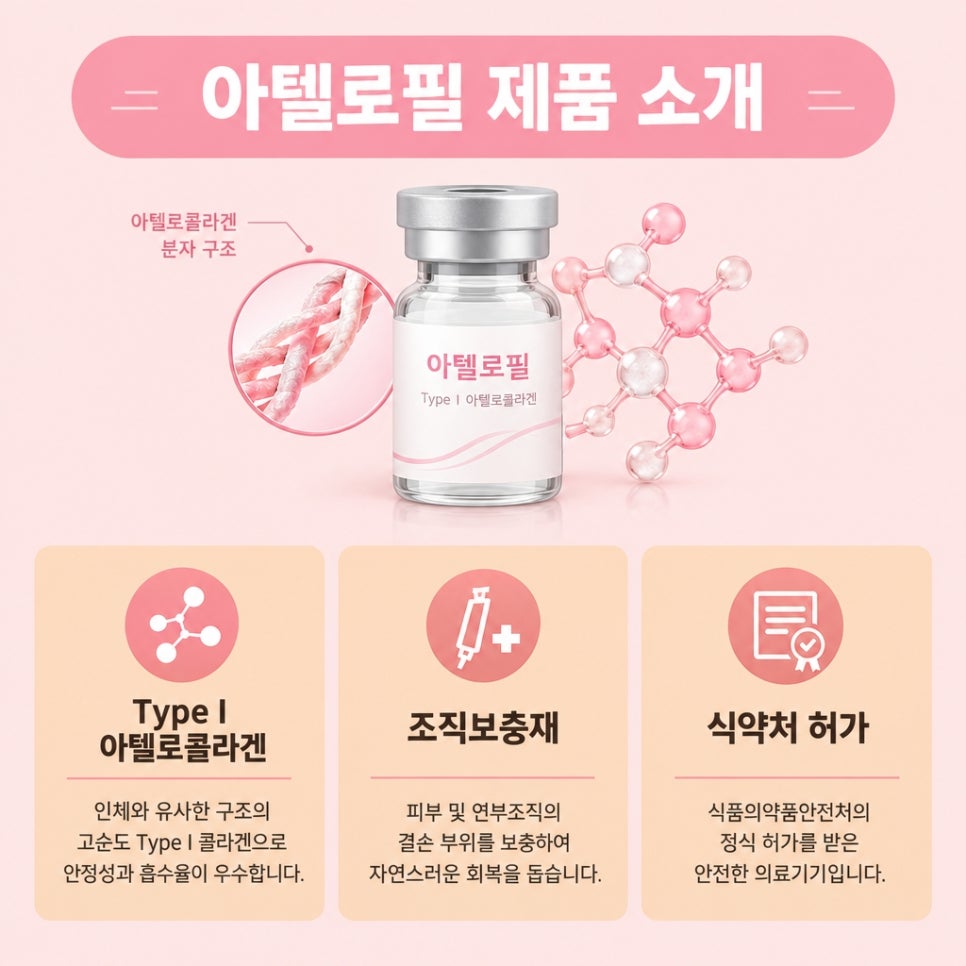
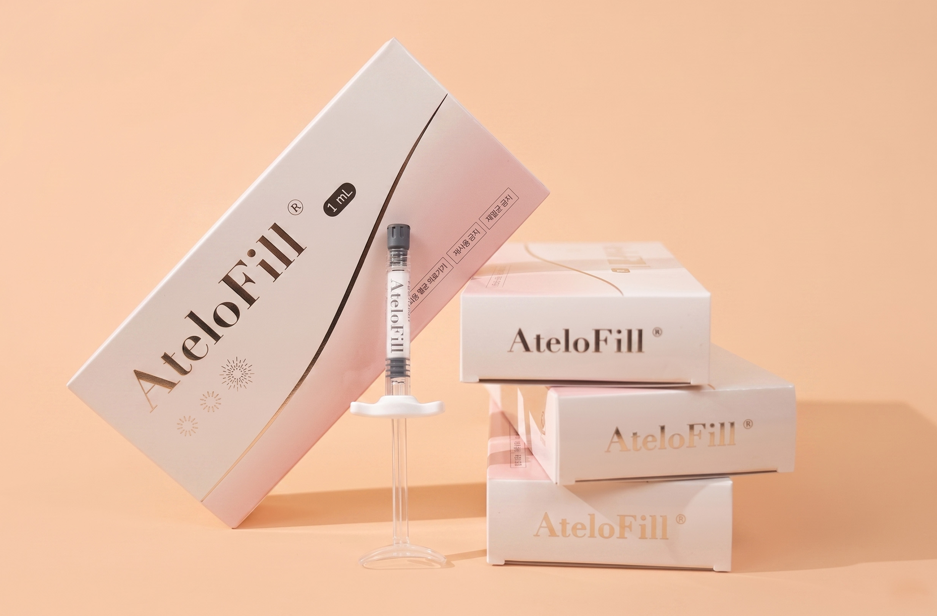
    Atelofill is a collagen-based tissue filler developed by Dalim Tissen, built on Type I atelocollagen.

    Atelocollagen refers to collagen that has had the telopeptide regions at both ends of the collagen molecule removed during purification.
    Telopeptides are known as regions that may be associated with immune response.

    Purification technology has advanced toward removing these regions, and atelocollagen is introduced as a form of collagen focused on lowering immunogenicity.
    collagen skin booster related image 7

    collagen skin booster related image 8

    Key Points
    · Standard collagen: telopeptides remain at both ends of the molecule
    · Atelocollagen: telopeptides are removed during purification
    · Atelofill: based on Type I atelocollagen, a medical device approved by Korea’s Ministry of Food and Drug Safety (MFDS)
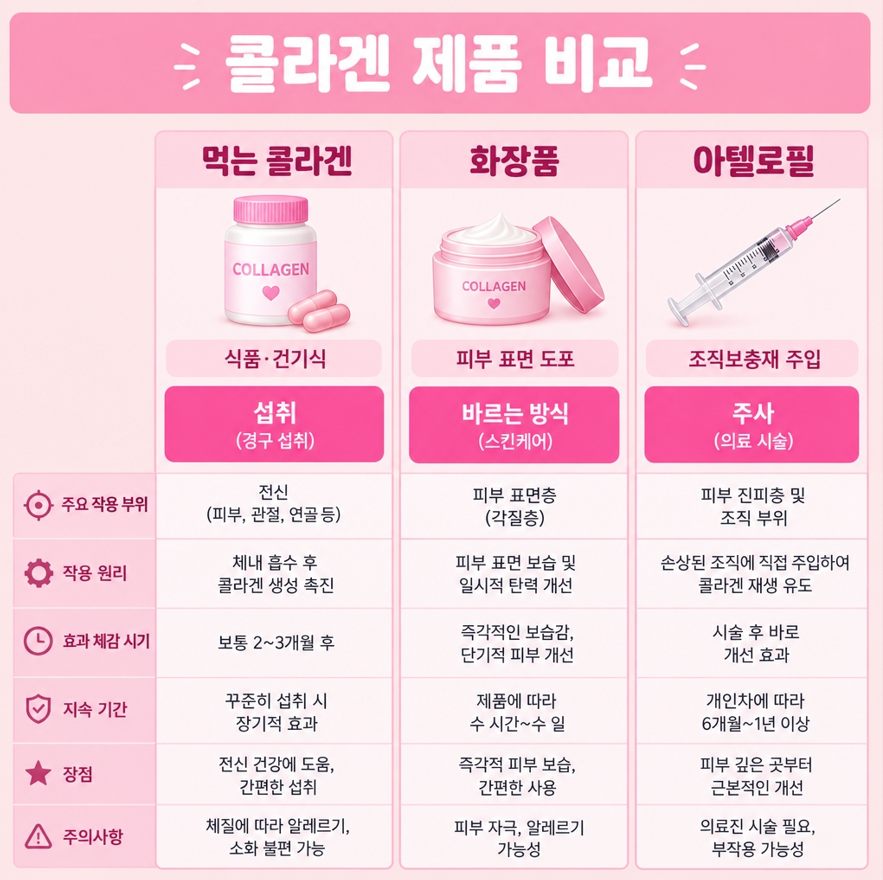
    · Different application method and purpose from oral collagen supplements and cosmetics

    The name may sound similar to oral collagen supplements or collagen cosmetics, but the application method and purpose differ.
    Oral collagen is consumed as a food or health functional food, while cosmetics are applied to the skin’s surface.

    Atelofill, on the other hand, takes a fundamentally different approach, as it’s classified as a medical device in the collagen-based tissue filler category. It also differs in characteristics from other substances such as hyaluronic acid, so rather than ranking one as superior, it’s more important to find the approach that fits your current skin concerns.

    collagen skin booster related image 9


    What Skin Concerns Might Atelofill Address?

    People researching collagen skin boosters are often dealing with more than one change at the same time.
    See if any of the items below sound familiar.

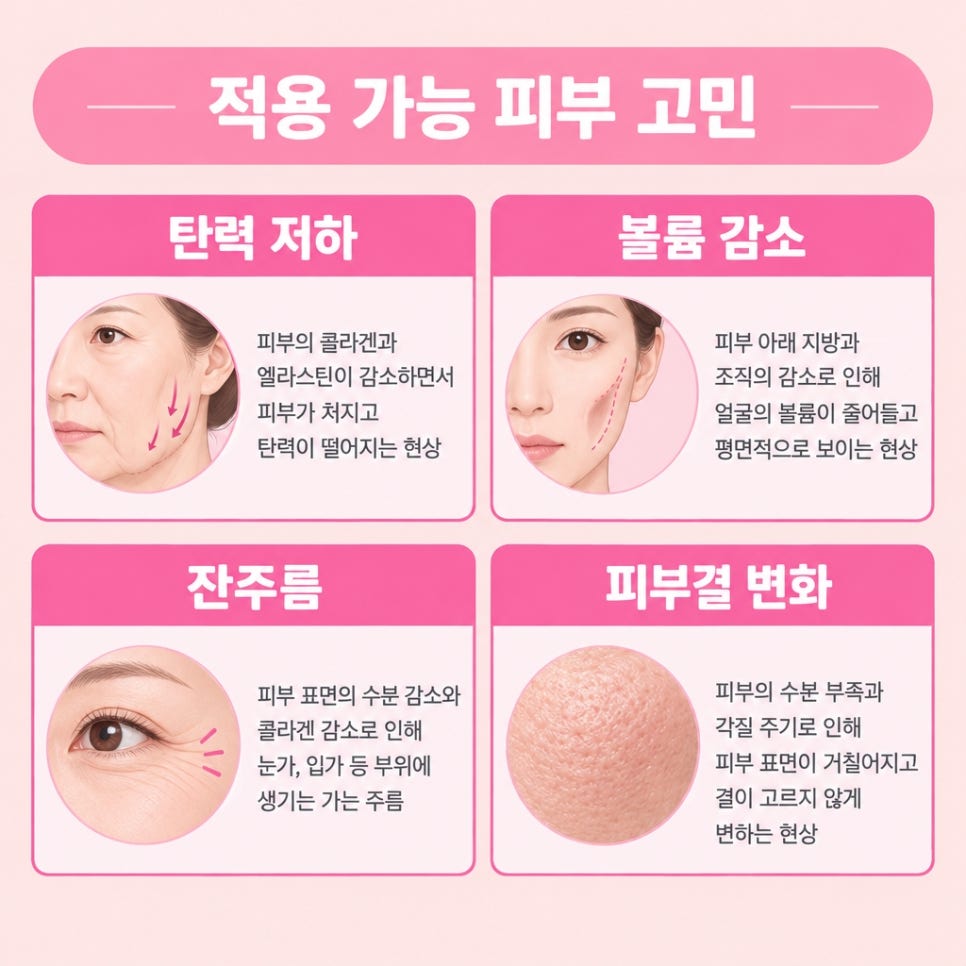
    Checklist
    ✅ My skin feels less firm than it used to
    ✅ My cheeks or parts of my face look hollow
    ✅ I’m bothered by fine lines and skin texture changes together
    ✅ I’m concerned about an overall change in my facial condition
    collagen skin booster related image 10

    If any of these apply to you, you can consult a provider to check whether Atelofill may be a suitable option.

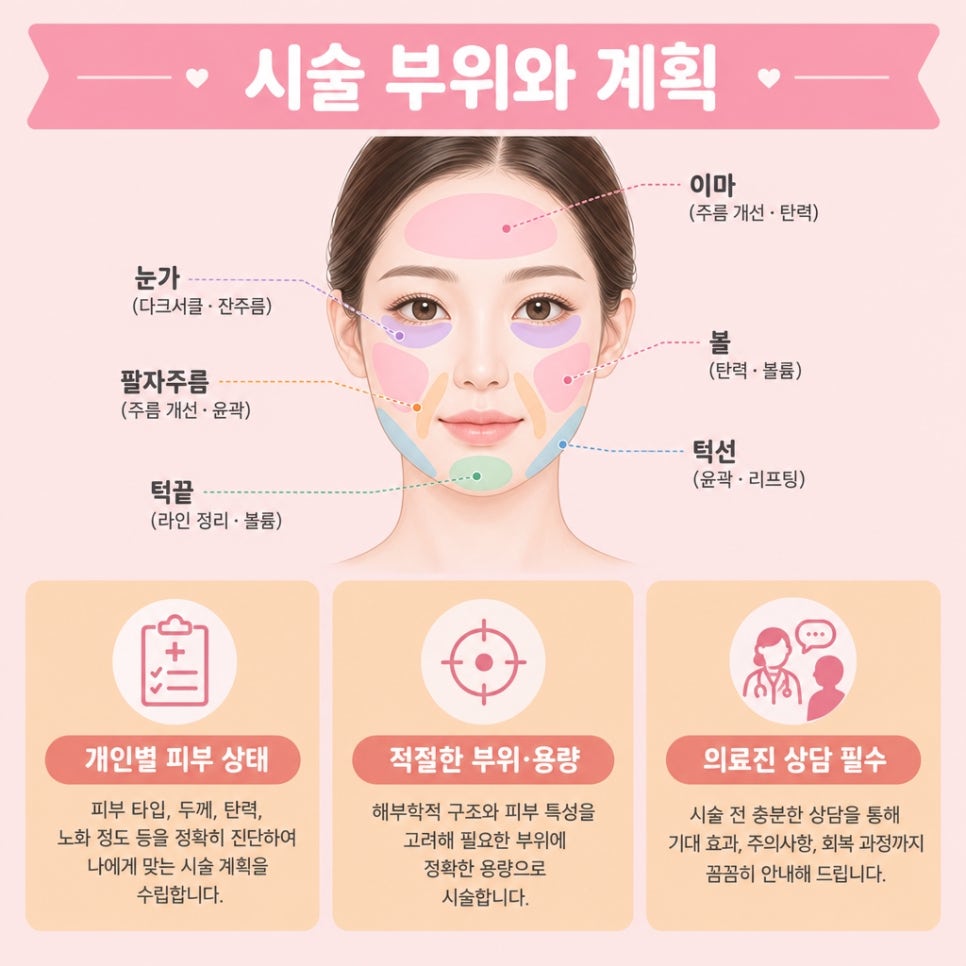
    That said, skin thickness, firmness, and facial volume distribution vary from person to person, even within the same age group.
    That’s why determining the right treatment area and dosage matters more than simply adding more product because collagen is lacking.


    What Should You Check Before an Atelofill Treatment?

    In short, it’s not enough to check the product name alone — you need to review the actual treatment plan as well.

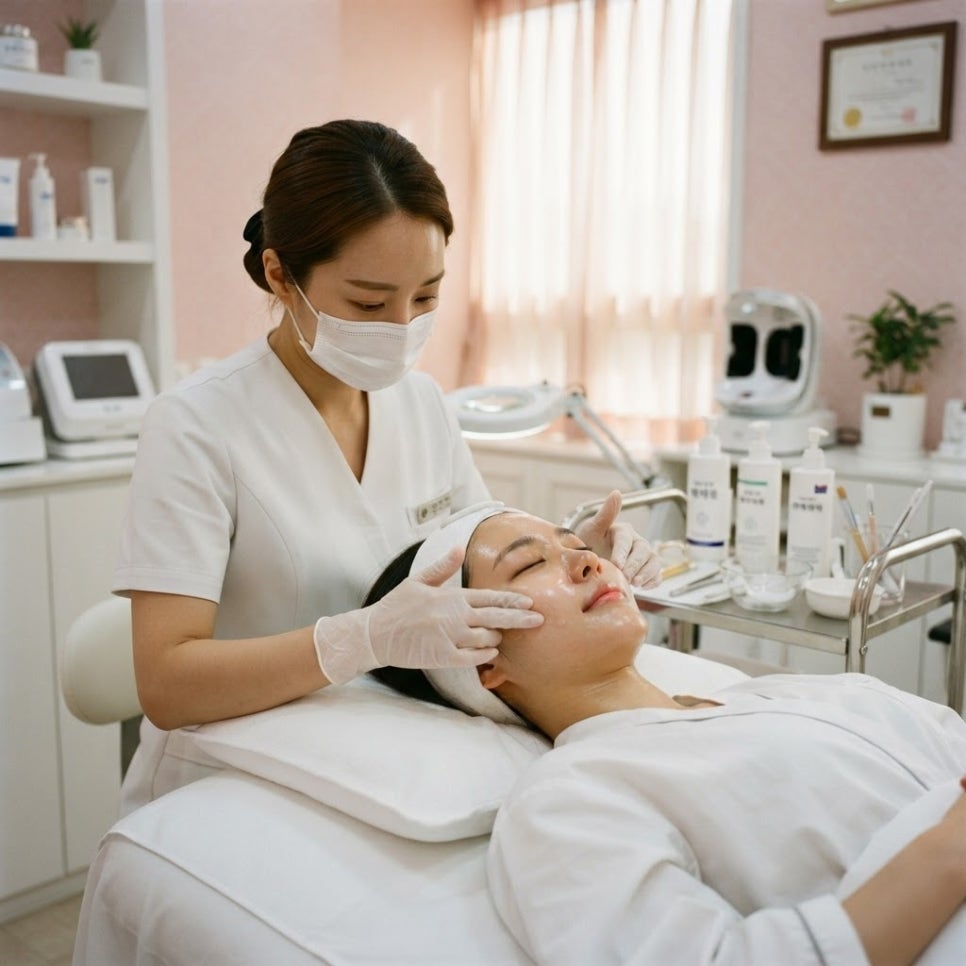
    The first step is to fully describe your current skin condition and areas of concern to your provider and get their input on whether Atelofill is appropriate.
    Injection sites, dosage, number of sessions, and intervals between treatments can vary depending on individual skin condition and goals.

    collagen skin booster related image 11

    Precautions
    · As with any injection procedure, temporary redness, swelling, bruising, or pain may occur.
    · Recovery can vary from person to person.
    · Be sure to inform your provider in advance about any medications you’re taking, allergy history, and past treatment history.
    collagen skin booster related image 12

    Summary
    · Oral collagen: food/health functional food, taken by ingestion
    · Collagen cosmetics: applied to the skin’s surface
    · Atelofill: Type I atelocollagen-based tissue filler, MFDS-approved medical device

    Skin aging isn’t a change that starts suddenly overnight.
    Over time, the environment that supports the skin gradually shifts, and that shift is what shows up as reduced firmness, fine lines, and volume changes.

    collagen skin booster related image 13

    Rather than choosing a treatment simply because it’s trending, it’s important to fully review your current skin condition, facial structure, and desired outcome, and consult with a provider.
    If you’d like to learn more about approaches that also take dermal collagen into account, you can find more information at the Atelofill Collagen Skin Research Institute homepage.
    collagen skin booster related image 14


    Frequently Asked Questions

    1. Is Atelofill the same as a hyaluronic acid filler?
    They can’t be considered the same product. The main ingredients and product characteristics differ, so a provider’s judgment is needed based on your desired outcome and treatment area.

    2. Is one treatment session enough?
    It’s difficult to set a single number of sessions or interval that applies to everyone. This can vary depending on skin condition, treatment area, injected volume, and individual response, so it’s best to build a plan through consultation.

    3. Can it be applied the same way across the whole face?
    It isn’t applied the same way to every area. Your provider needs to determine the appropriate area and method based on skin thickness, tissue condition, and areas of concern.

    4. Can I resume normal activities right after treatment?
    This varies by individual, but redness, swelling, or bruising may appear at the injection site. If you have an important event coming up, it’s best to plan your treatment date with the recovery period in mind.

    5. What’s the difference between a collagen skin booster and a regular filler?
    The main ingredients used and how they act within the tissue differ. An approach that replenishes collagen itself and an approach that uses other substances differ in purpose and characteristics, so it’s best to consult a provider to find what suits you.


    References

    · Hidoc, “Atelocollagen for Restoring Muscle and Cartilage… ‘Emerging as a Key Material in Regenerative Medicine,’” Hidoc, 2026. View source
    · Raportian, “Dalim Tissen Enters the Aesthetic Market with ‘Atelofill,’ Built on Its Collagen Research Technology,” Raportian, 2026. View source

    This article is intended for general health information purposes only and is not a substitute for individual diagnosis or treatment. If you have symptoms, please consult a qualified healthcare provider.
  • Fall Dermatology Treatments: 5 Options for Every Skin Concern

    Fall Dermatology Treatments: 5 Options for Every Skin Concern

    SummaryIf you’re considering a fall dermatology treatment, there’s something worth checking before the season itself. This guide covers how to choose a treatment based on your specific skin concern — dryness, pigmentation, texture and pores, or elasticity — along with seasonal skin care tips and post-treatment precautions, plus what to review before any procedure.

    The cooler breeze is welcome, but fall is also the season when skin can look unusually dry and dull in the mirror.

    If skin that was fine all summer suddenly feels tight and your makeup starts separating, that can be a sign worth more than just blaming the season.

    This is often when people naturally start looking into fall dermatology treatments, but there are standards worth checking before the season itself.

    This article outlines what to check for each skin concern — dryness, pigmentation, texture and pores, and elasticity — when considering fall dermatology treatments.

    We’ll look at how to choose a treatment direction based on your current skin condition rather than the season, along with precautions for skin that has become sensitive during the seasonal transition.

    fall dermatology treatments

    fall dermatology treatments image 2

    fall dermatology treatments image 3

    Key Points
    ✔ In fall, lower humidity and wider day-night temperature swings make skin prone to dryness and sensitivity
    ✔ Which treatment fits you depends on your main concern — dryness, texture, pigmentation, or elasticity
    ✔ If your skin has become significantly sensitive, checking its condition comes before any treatment

    Why Does Skin Get Dry and Dull in Fall?

    To put it simply, it’s because lower humidity, wider day-night temperature swings, and UV exposure accumulated over summer act together.

    Fall skin dryness refers to the way skin’s moisture-retention environment itself changes as temperature and humidity drop.

    As the gap between morning and daytime temperatures widens and indoor heating begins, skin dries out more easily.

    On top of that, the effects of summer UV exposure are hard to ignore.

    UV rays stimulate melanocytes to trigger pigmentation and are a major aging factor that also damages collagen and elastin structures.

    fall dermatology treatments image 4

    So fall skin concerns are hard to address as simply a matter of replenishing moisture.

    It’s best to look at both summer’s accumulated damage and your skin’s current condition together.


    Fall Dermatology Treatments: What’s Different for Each Skin Concern?

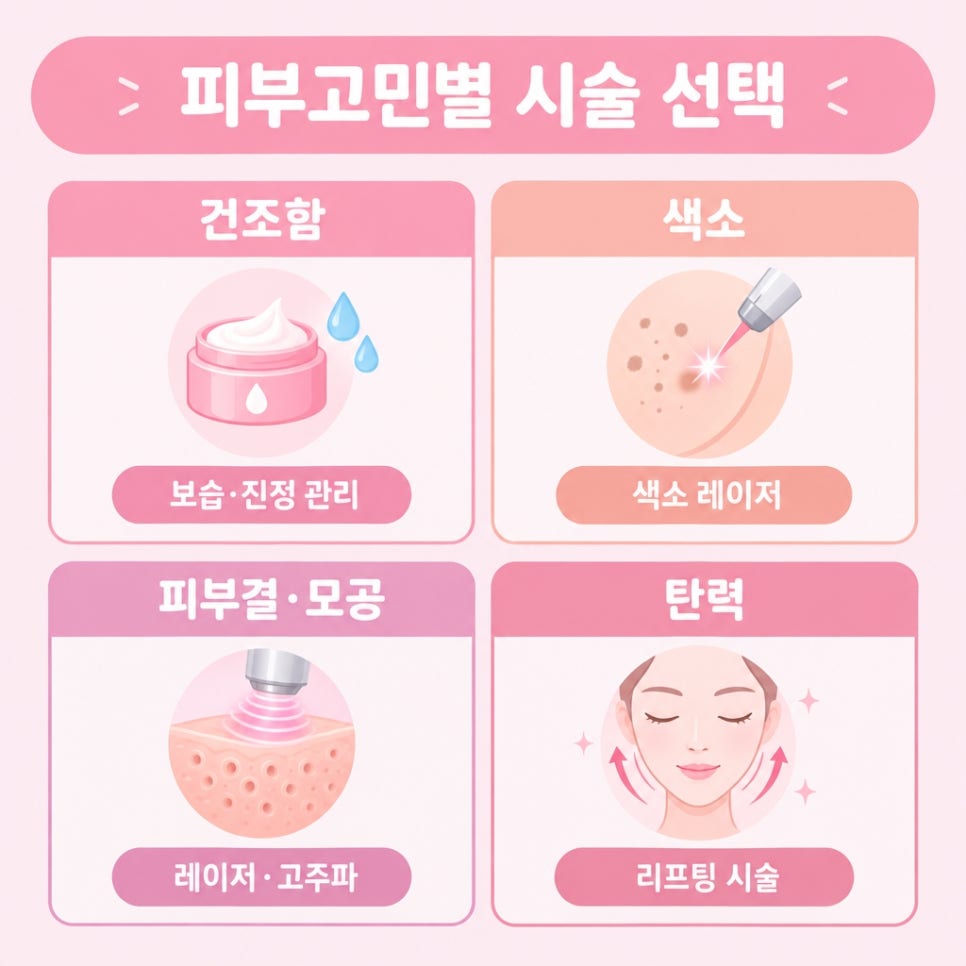
    In short, the right fall dermatology treatment depends not on the season but on which concern is greatest for you — dryness, pigmentation, texture and pores, or elasticity.

    Fall dermatology treatments refer broadly to the dermatology procedures considered to address skin concerns that become more noticeable during the seasonal transition.

    If Dryness and Makeup Separation Are Your Concern

    fall dermatology treatments image 5

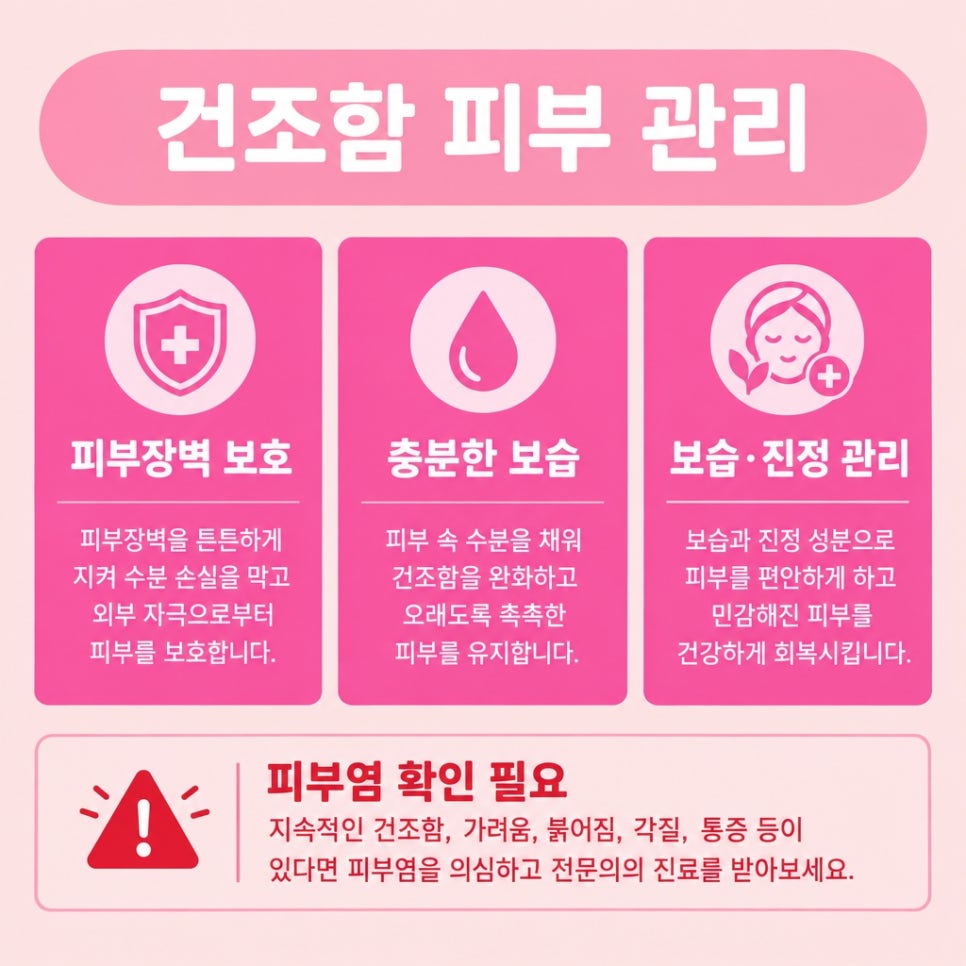
    If dryness is your main concern, the basics are gentle cleansing that doesn’t irritate the skin barrier and adequate moisturizing.

    Depending on skin condition, moisturizing and soothing care, or certain skin-booster-type treatments, may also be considered.

    However, dryness alone doesn’t necessarily mean you need an injectable treatment.

    If applying skincare products causes stinging, redness, or itching, it may not be simple dehydration — dermatitis or barrier damage should also be considered.

    Caution
    Repeating peels or other high-irritation treatments while skin is red and itchy can make discomfort worse. Check your current skin condition first.

    If Dark Spots and Dull Tone Are Your Concern

    fall dermatology treatments image 6

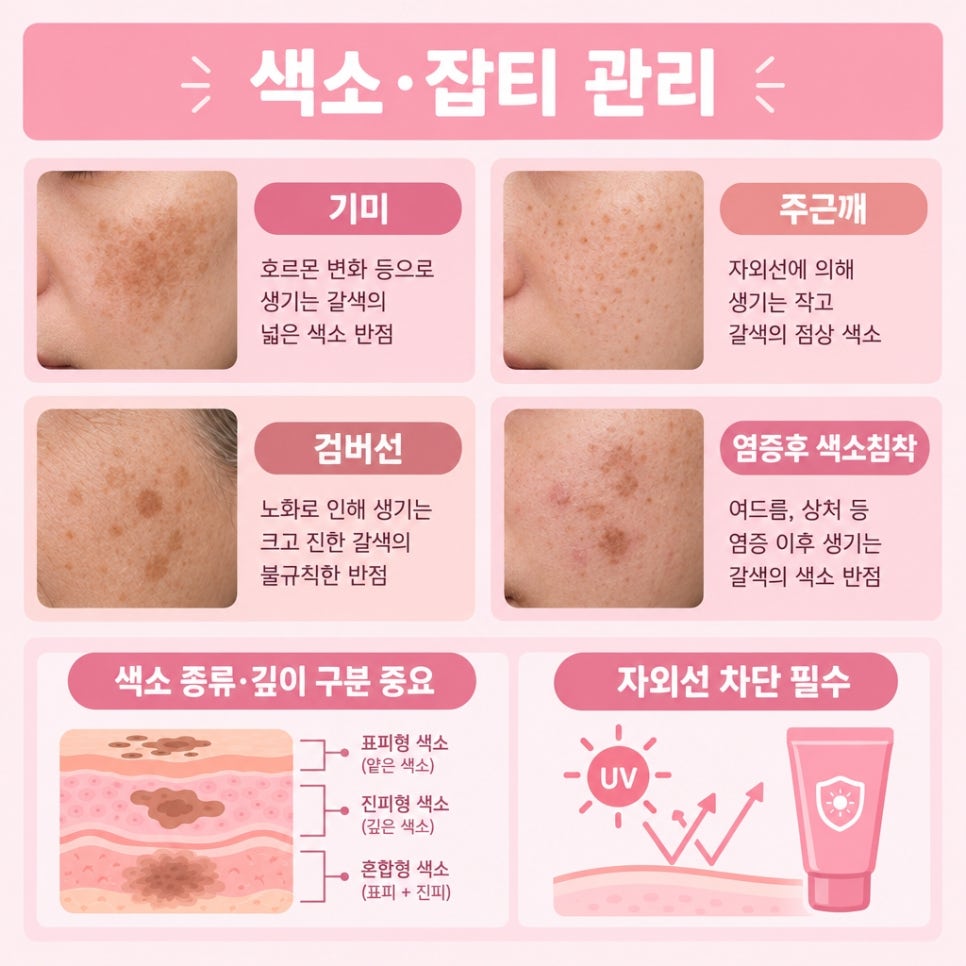
    If pigmentation is your main concern, it’s important to first identify its type and depth, and laser treatment may be considered depending on your condition.

    Repeated UV exposure over summer can make existing melasma or freckles more noticeable.

    Even though brown spots may look similar on the surface, melasma, freckles, age spots, and post-inflammatory hyperpigmentation each have distinct characteristics.

    So rather than a one-size-fits-all approach, the method should be chosen after checking the specific characteristics of the pigmentation.

    Sun protection remains important even after treatment.

    If Rough Texture and Enlarged Pores Are Your Concern

    fall dermatology treatments image 7

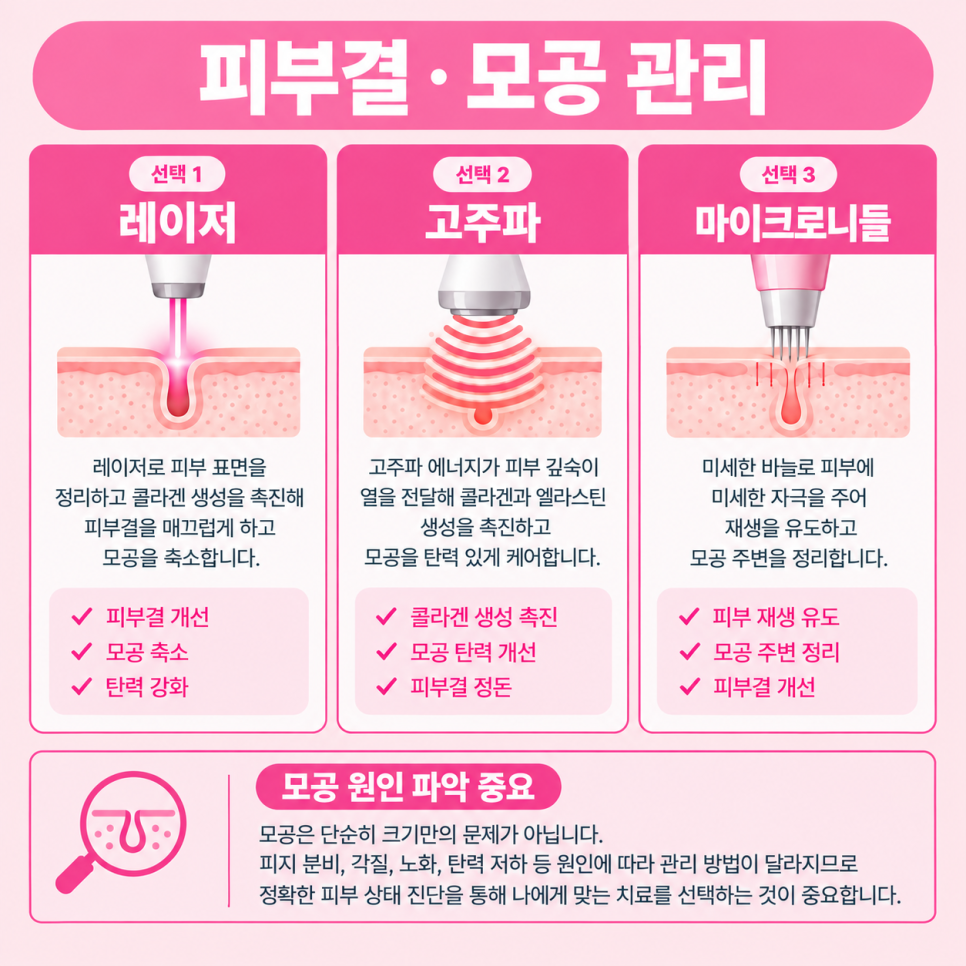
    If skin texture or pores are your concern, treatments using lasers, radiofrequency, or microneedling may be considered depending on the cause.

    Pore size isn’t determined by sebum production alone — elasticity changes, scarring, and overall skin surface condition all play a role.

    Since skin can be drier or more sensitive than usual during the seasonal transition, it’s better to set treatment intensity and intervals according to your skin’s condition rather than combining strong exfoliation with multiple treatments at once.

    If You’re Concerned About Sagging and Loss of Elasticity

    fall dermatology treatments image 8

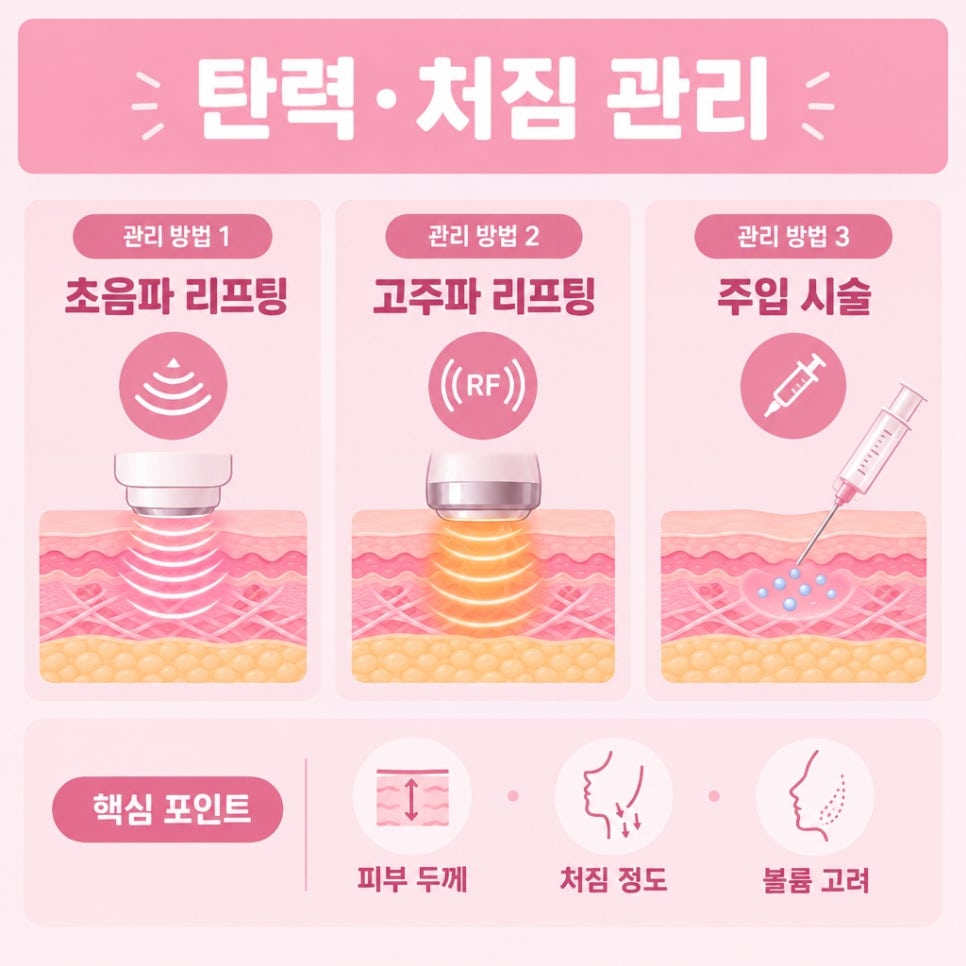
    If reduced elasticity is your main concern, lifting-type treatments or injectables may be considered by weighing skin thickness, degree of sagging, and volume together.

    Research has reported that skin collagen declines by about 1% per year starting in the mid-20s, which is why loss of elasticity becomes more noticeable with age.

    Skin that simply looks dull needs to be distinguished from actual tissue sagging or volume loss.

    If sagging is the concern, lifting treatments using ultrasound or radiofrequency energy may be considered; if volume or collagen is the concern, injectable treatments may be considered depending on the goal.

    If you’re curious about ways to replenish collagen, you can find related information on the Atelofill Collagen Skin Research Institute homepage.

    fall dermatology treatments image 9

    fall dermatology treatments image 10

    Current Concern What to Check First Possible Care Direction
    Dryness / Tightness Skin barrier, sensitivity Moisturizing- and soothing-focused care
    Dark spots / Dull tone Pigmentation type and skin condition Pigment laser, etc.
    Rough texture / Pores Pore cause, presence of scarring Laser, radiofrequency, microneedling, etc.
    Elasticity / Sagging Skin thickness, degree of sagging Ultrasound/radiofrequency lifting, etc.
    Volume changes Location and degree of volume loss Injectable treatments depending on condition, etc.

    The actual type, number of sessions, and intensity of treatment can vary depending on individual skin condition and the equipment or products used.

    Key Points
    ✔ Before focusing on a treatment name, first clarify \”what you want to improve\”
    ✔ It’s better to set priorities than to combine multiple treatments at once

    Can You Get Treatment If Your Skin Is Sensitive From the Season Change?

    fall dermatology treatments image 11

    In short, if your skin is only slightly drier than usual, care suited to that condition is possible, but if there’s dermatitis, wounds, or severe redness and itching, it’s best to check your skin’s condition first.

    If you have an important event coming up, you should also factor in the recovery period, since redness, swelling, bruising, or flaking can appear after treatment.

    Rather than getting several treatments at once, it’s better to prioritize your concerns and plan according to your skin’s condition.

    Pre-Treatment Checklist
    ✅ Whether your skin currently has any wounds, inflammation, or severe redness
    ✅ Whether your schedule allows for a recovery period
    ✅ Whether you’re combining multiple treatments at once
    ✅ What your highest-priority concern is

    How Should You Care for Your Skin After a Dermatology Treatment?

    fall dermatology treatments image 12

    To put it simply, the basics are minimizing additional irritation and focusing on moisturizing and sun protection.

    If your skin is temporarily sensitive, it’s best to avoid scrubs, strong peels, or excessive massage.

    Cleanse without rubbing the skin hard, and moisturize thoroughly.

    Tips for Good Aftercare
    ✔ Moisturizing-focused care instead of harsh exfoliation
    ✔ Use sunscreen when going outside, even in fall
    ✔ Check with your provider first, since when you can cleanse, wear makeup, or exercise varies by treatment

    Since the timing for cleansing, makeup, and exercise differs by treatment, it’s important to follow the precautions your provider gives you after treatment.

    fall dermatology treatments image 13

    A search for fall dermatology treatments turns up many options, but no single treatment resolves every skin concern.

    It’s important to first identify which concern matters most to you — dryness, pigmentation, texture and pores, or elasticity and volume — and then choose a direction that fits.


    fall dermatology treatments image 14

    Frequently Asked Questions

    1. Is fall the best season to get dermatology treatments?
    Simply because it’s fall doesn’t mean it’s the most suitable time for every treatment. That said, many people start care after summer when concerns like pigmentation or dryness become more noticeable. Rather than the season, it’s better to prioritize your skin condition and your ability to manage aftercare.

    2. Is it okay to get several dermatology treatments together?
    Depending on the combination, some treatments can be done together, but not all treatments can be performed at the same time. Appropriate intervals may be needed depending on the energy or injected substance, treatment area, and skin condition, so it’s best to check the plan with your provider.

    3. If my skin is very dry, should I start with exfoliation?
    Repeating aggressive exfoliation on dry skin can actually burden the skin barrier. Focus on moisturizing and minimizing irritation first, and if flaking or redness persists, have your skin condition checked.

    4. If I get a treatment, do I still need home care?
    No, that’s not the case. Regardless of treatment, everyday care like sun protection, moisturizing, and proper cleansing is still necessary. Moisturizing care is especially important during the seasonal transition.


    References

    · National Health Insurance Service, \”Why Does Skin Dryness Occur,\” National Health Insurance Service Magazine (n.d.). Read more
    · Skin Cancer Foundation, \”Photoaging: What You Need to Know About Different Types of Aging,\” Skin Cancer Foundation (n.d.). Read more
    · Vogue Korea, \”Collagen Declines With Age — Is There a Way to Restore Elasticity?\”, Vogue Korea, 2025. Read more


    This article is intended for general health information purposes only and cannot replace individual diagnosis or treatment. If you have symptoms, please consult a medical professional.