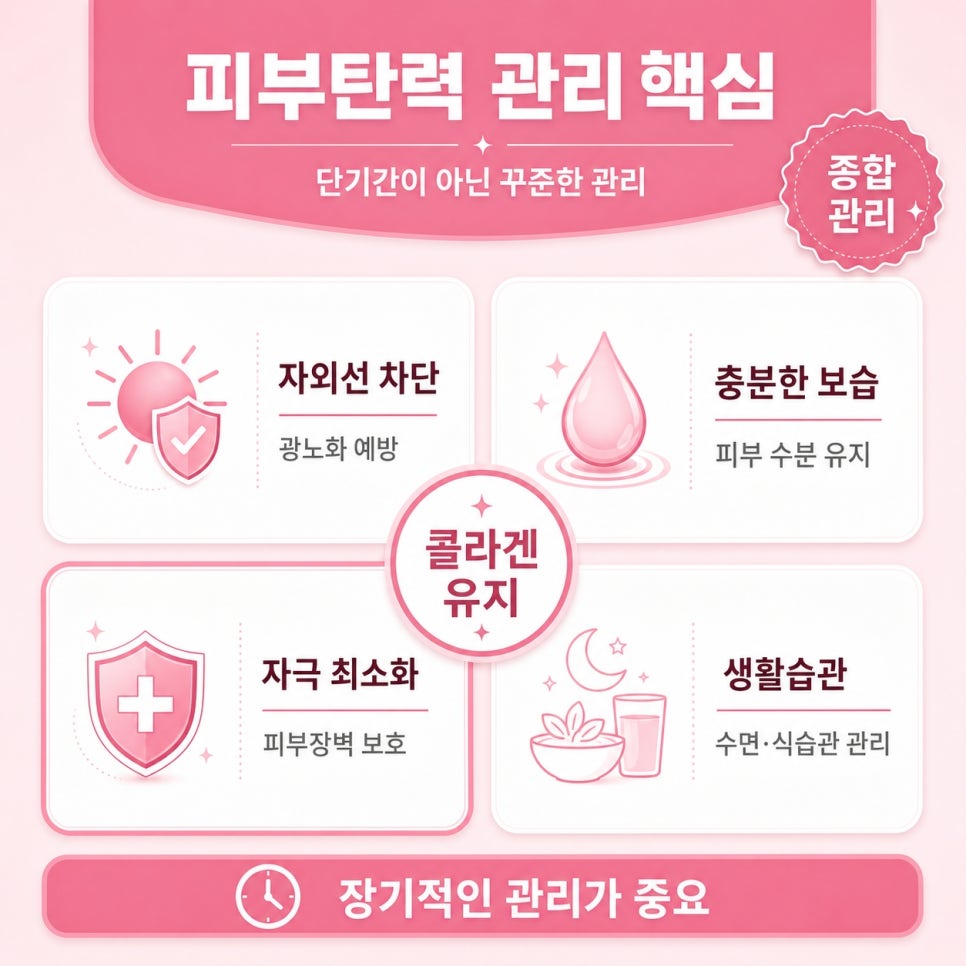
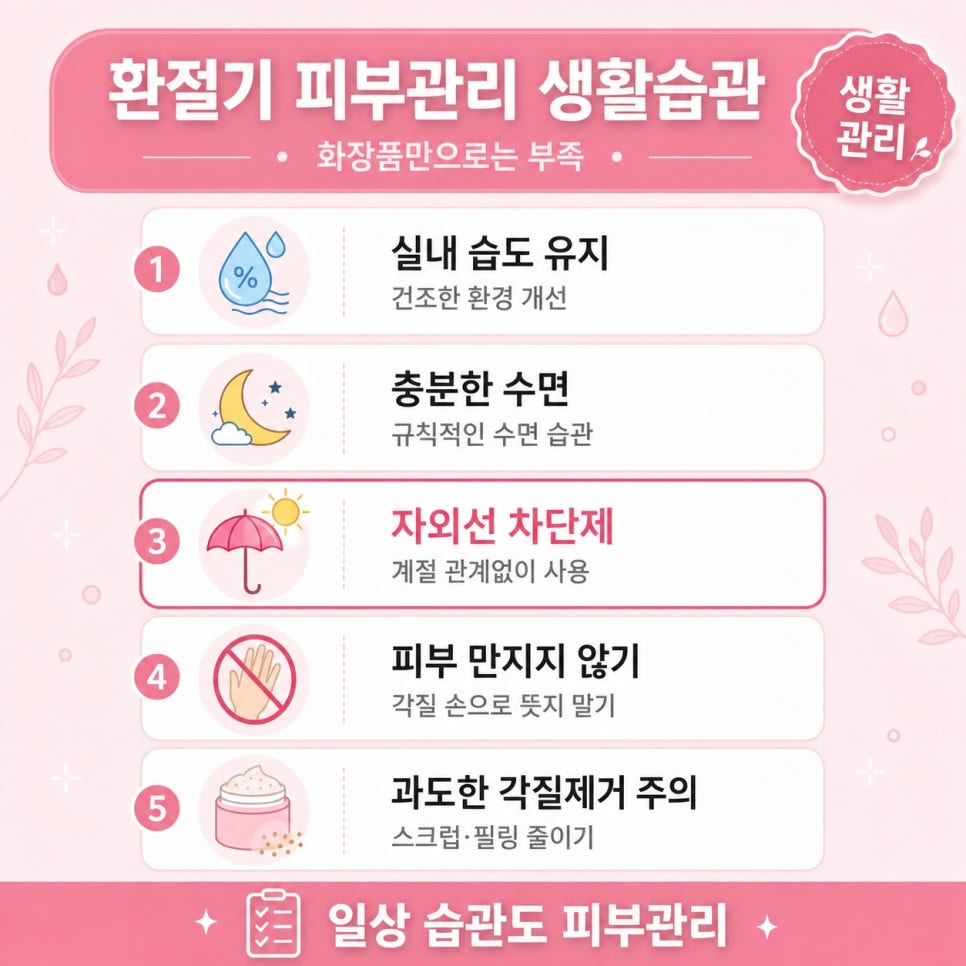
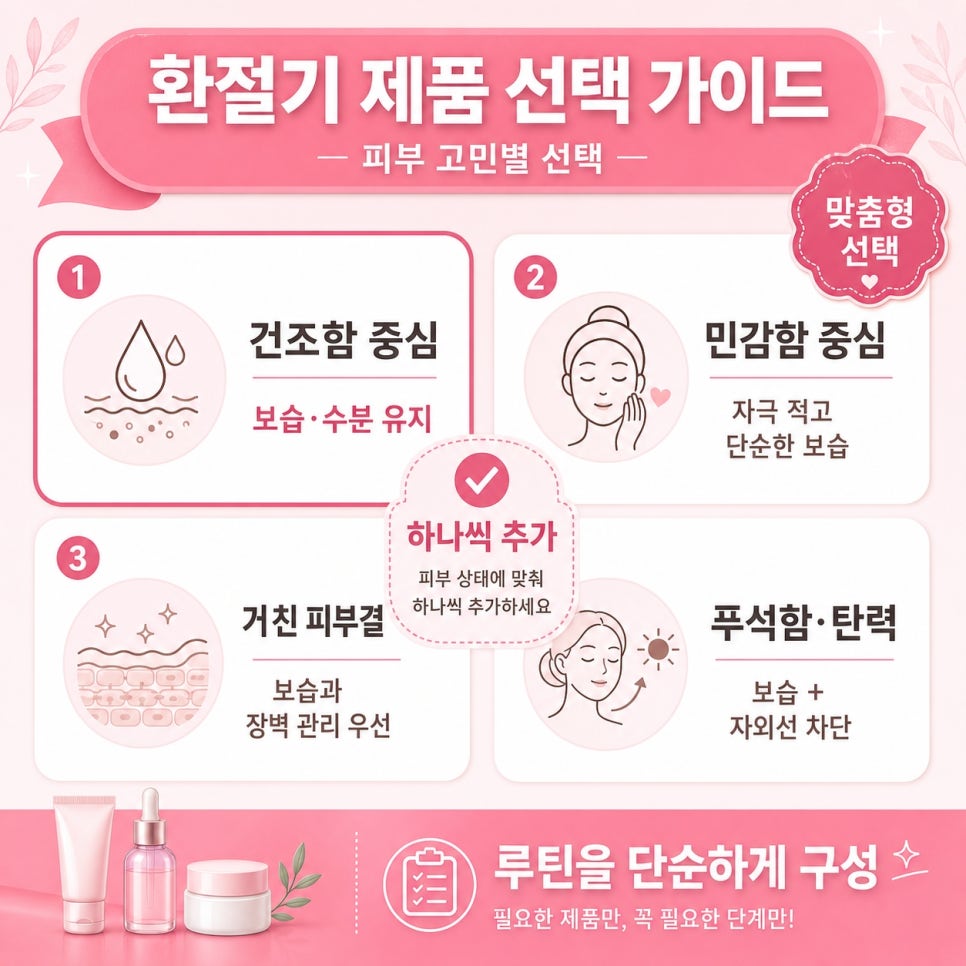
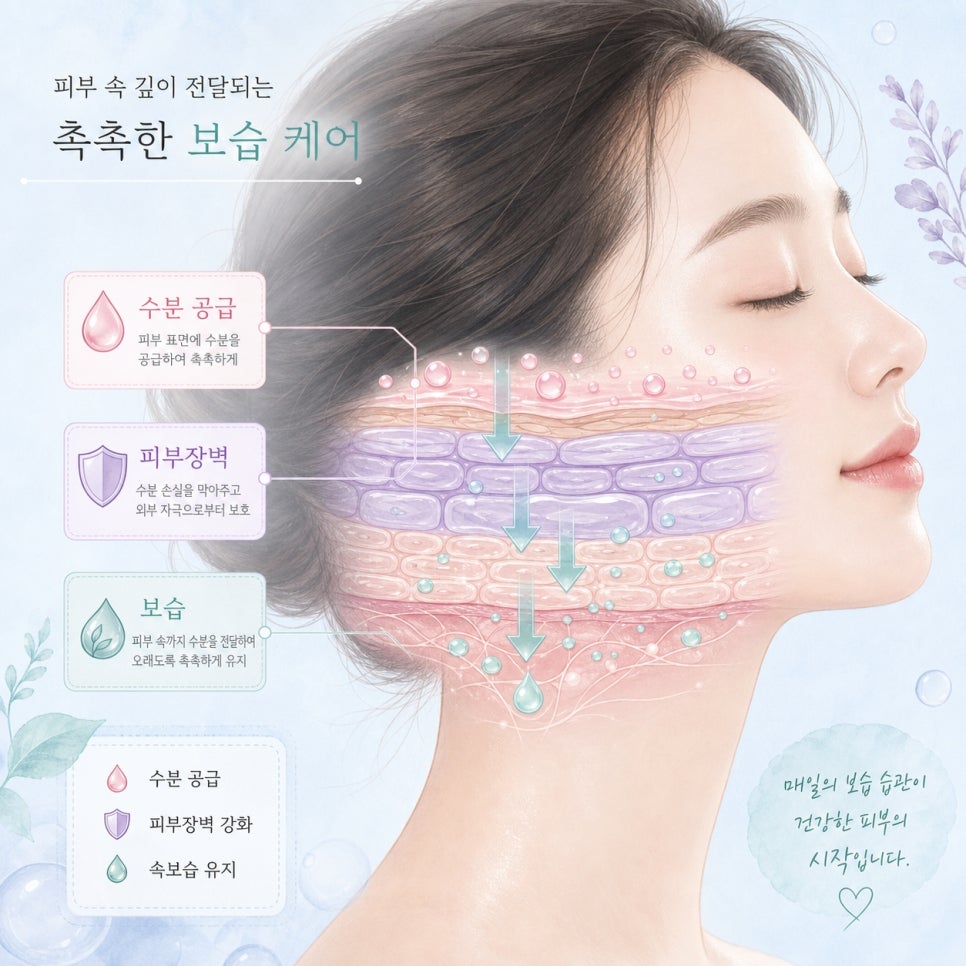
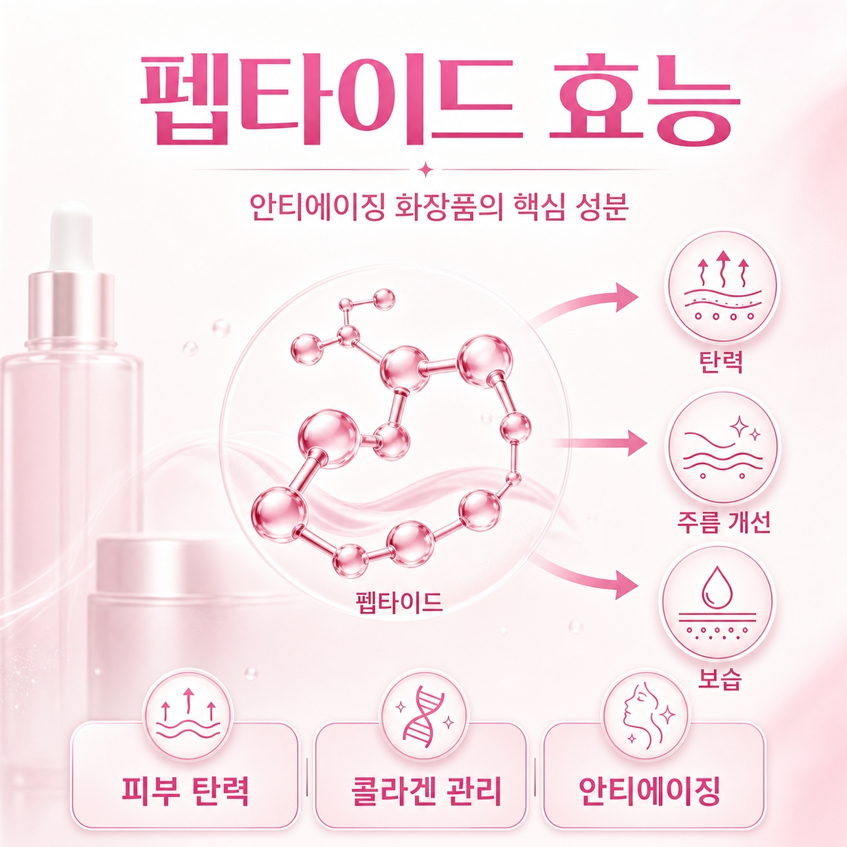
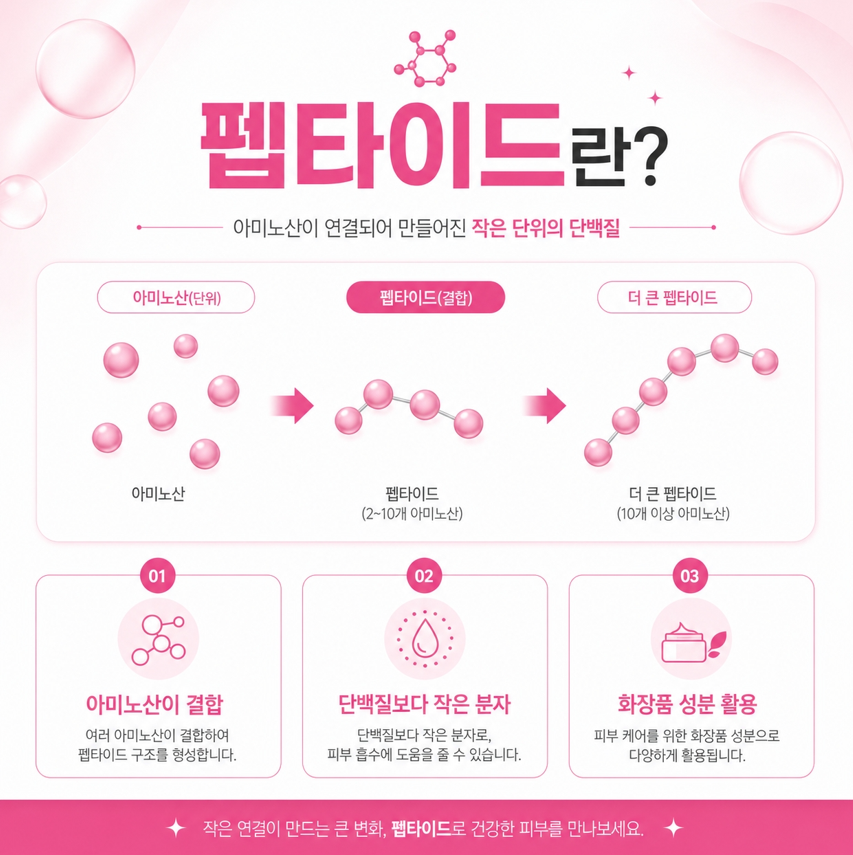
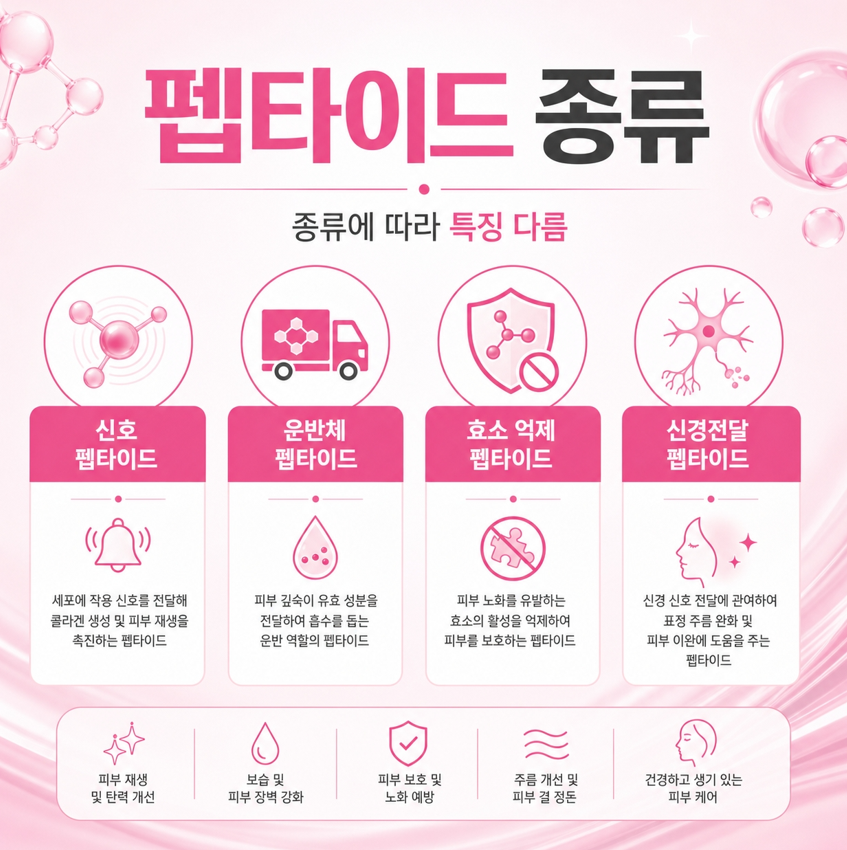
Tag: Skin Hydration

  • 5 Causes of Skin Flare-Ups: Seasonal Breakout Guide

    5 Causes of Skin Flare-Ups: Seasonal Breakout Guide

    SummarySeasonal skin flare-ups can result from several overlapping factors, including dry weather, cosmetic irritation, and stress. Here’s what to try instead of squeezing sudden bumps, which habits to avoid, and the warning signs that call for a dermatologist visit.

    Most of us have had the experience of skin that looked perfectly fine yesterday suddenly turning red and stinging overnight.

    This kind of sudden skin flare-up tends to become more common during seasonal transitions, when daily temperature swings are larger.

    It can be especially frustrating when small, bumpy breakouts and itching show up even though you’re using the same products as always.
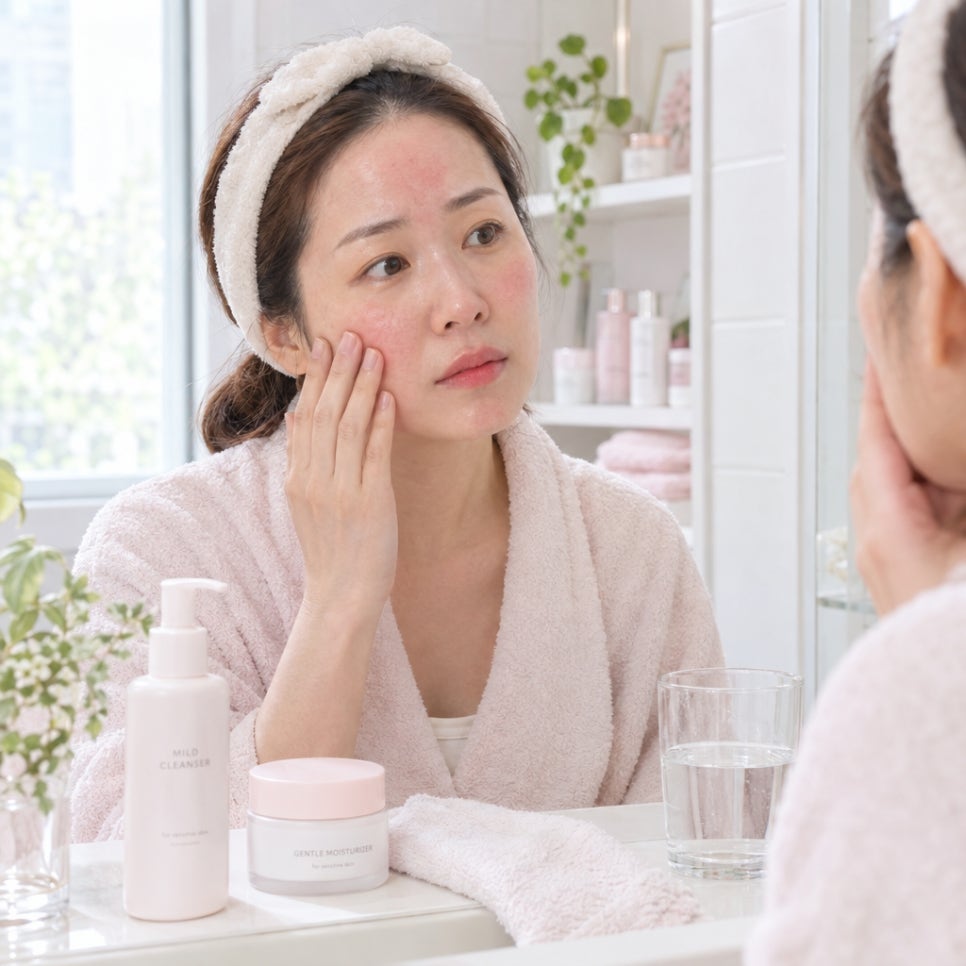
    skin flare-up

    This article outlines why seasonal skin flare-ups happen, what to check when small bumps suddenly appear, and soothing steps you can try at home right away. Learn how to check for underlying causes before squeezing blemishes or exfoliating aggressively, along with signs that call for a dermatology visit.
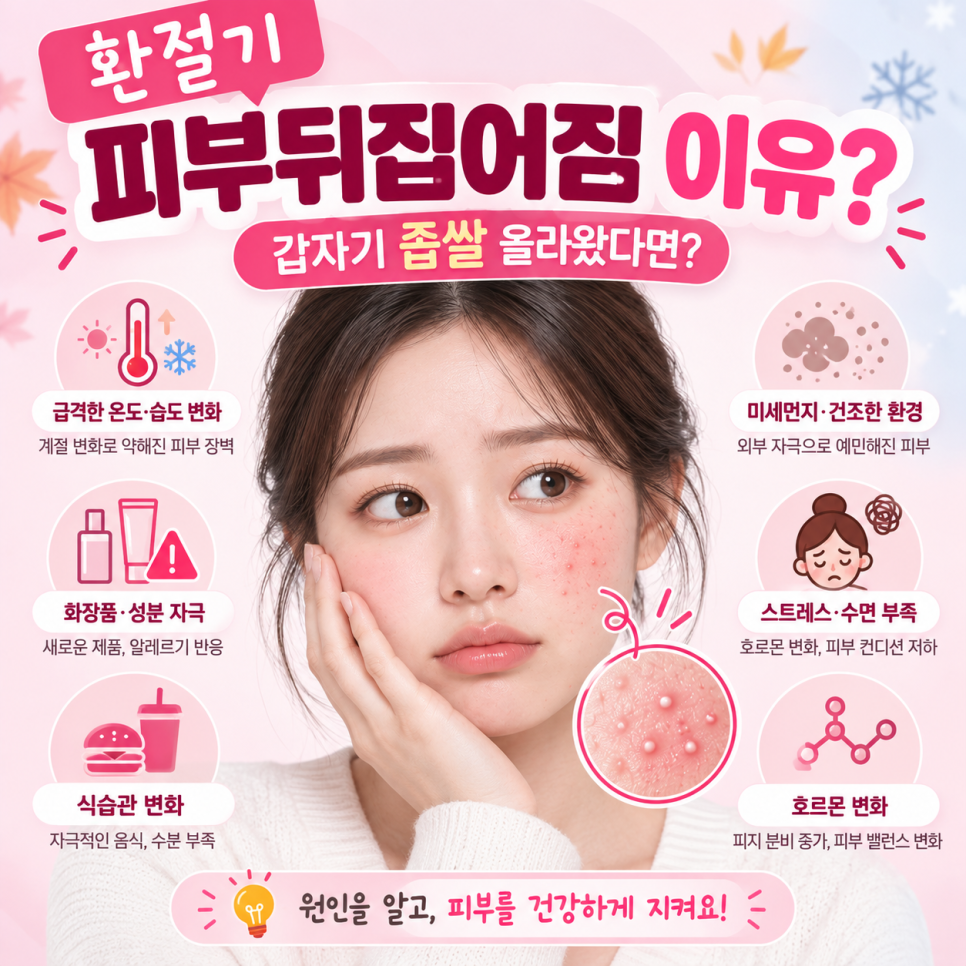
    Skin flare-up related image 2

    Seasonal Skin Flare-Ups: Why Do They Suddenly Happen?

    Seasonal skin flare-ups usually occur when dry air, sudden shifts in temperature and humidity, and cosmetic irritation overlap.

    A seasonal skin flare-up refers to skin becoming temporarily more reactive as fluctuating temperatures and humidity weaken the skin barrier’s function.

    Dry environments and temperature changes can leave skin dehydrated and more reactive, and if you already have sensitive skin or a skin condition, these shifts can make symptoms more noticeable.
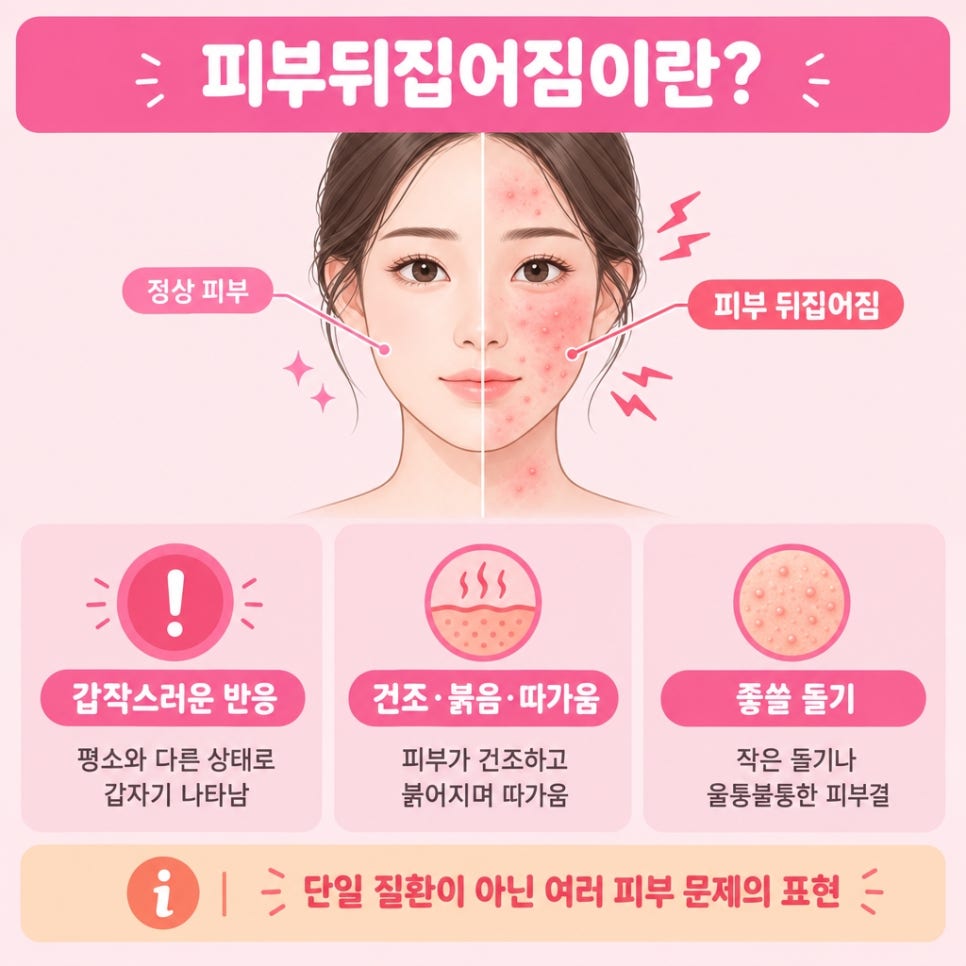
    Skin flare-up related image 3

    Several other factors can also overlap at the same time.
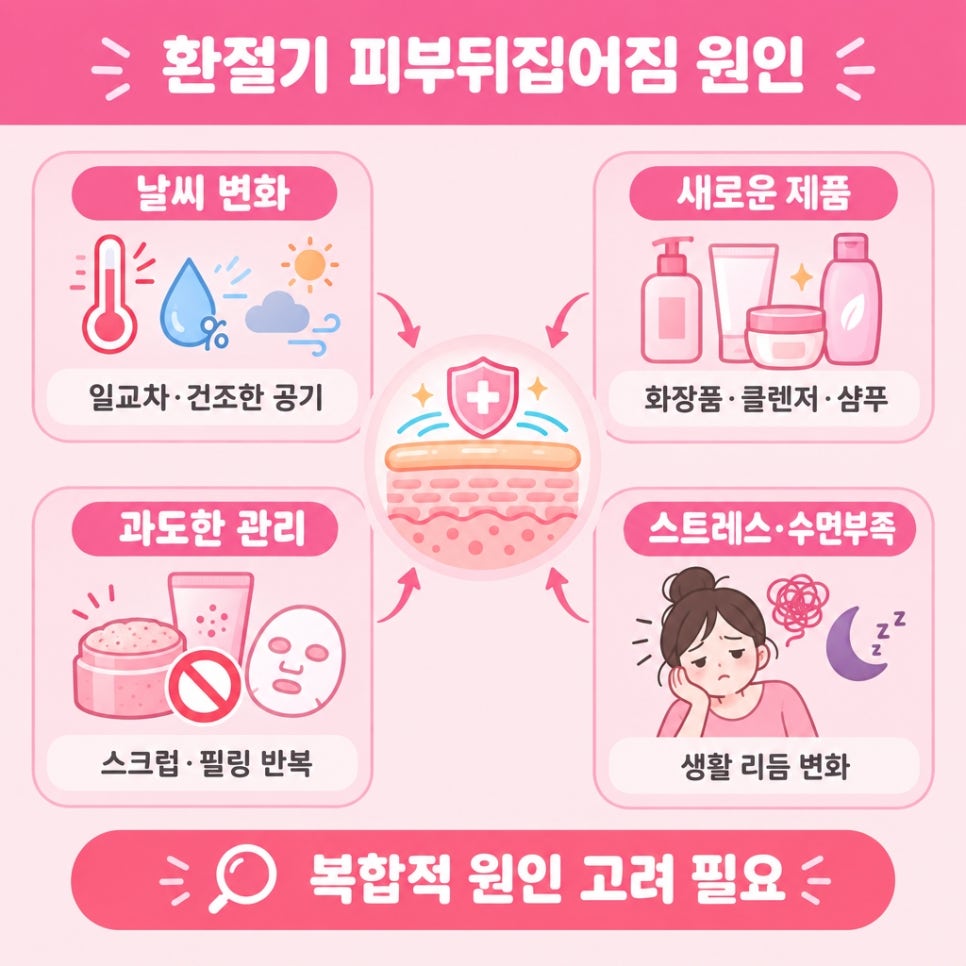
    Skin flare-up related image 4

    Key points
    ① Sudden weather changes — Dry air, wind, and large daily temperature swings can leave skin dry and sensitive.
    ② New cosmetics or household products — Cleansers, sunscreen, hair products, and laundry detergent can also cause irritation or allergic contact dermatitis.
    ③ Over-exfoliating or over-treating — Repeated scrubs or peels, or layering multiple high-potency products at once, can add to skin irritation.
    ④ Stress and disrupted routines — Stress and lack of sleep are known to worsen symptoms of certain skin conditions.
    Note
    Allergic contact dermatitis doesn’t always appear right after using a product — it can show up hours or even days later. It’s worth reviewing any new products you’ve used over the past several days.

    Sudden Bumps: Are They Different from Acne?

    When your face suddenly turns bumpy, it’s natural to assume it’s whiteheads or small acne — but not every tiny bump has the same underlying cause.

    Bumps that look like whiteheads may be comedonal acne, but small papules or blisters caused by skin irritation or contact dermatitis can look similar.

    That’s why it’s important to look at accompanying symptoms rather than automatically squeezing bumps or reaching for acne products.

    Skin flare-up related image 5

    Accompanying Symptoms Possible Cause
    Small, recurring bumps that look sebum-filled Possible acne-related lesion
    Multiple bumps appear suddenly with itching and stinging Possible skin irritation or contact dermatitis
    Redness, burning, and flaking worsen together Calming irritation takes priority over exfoliating

    Squeezing or scratching sudden bumps can cause additional skin damage, so it’s best to leave them alone until you know the underlying cause.


    What Should You Do When Skin Flares Up?

    Once a flare-up starts, the priority is reducing irritating factors rather than adding new products.

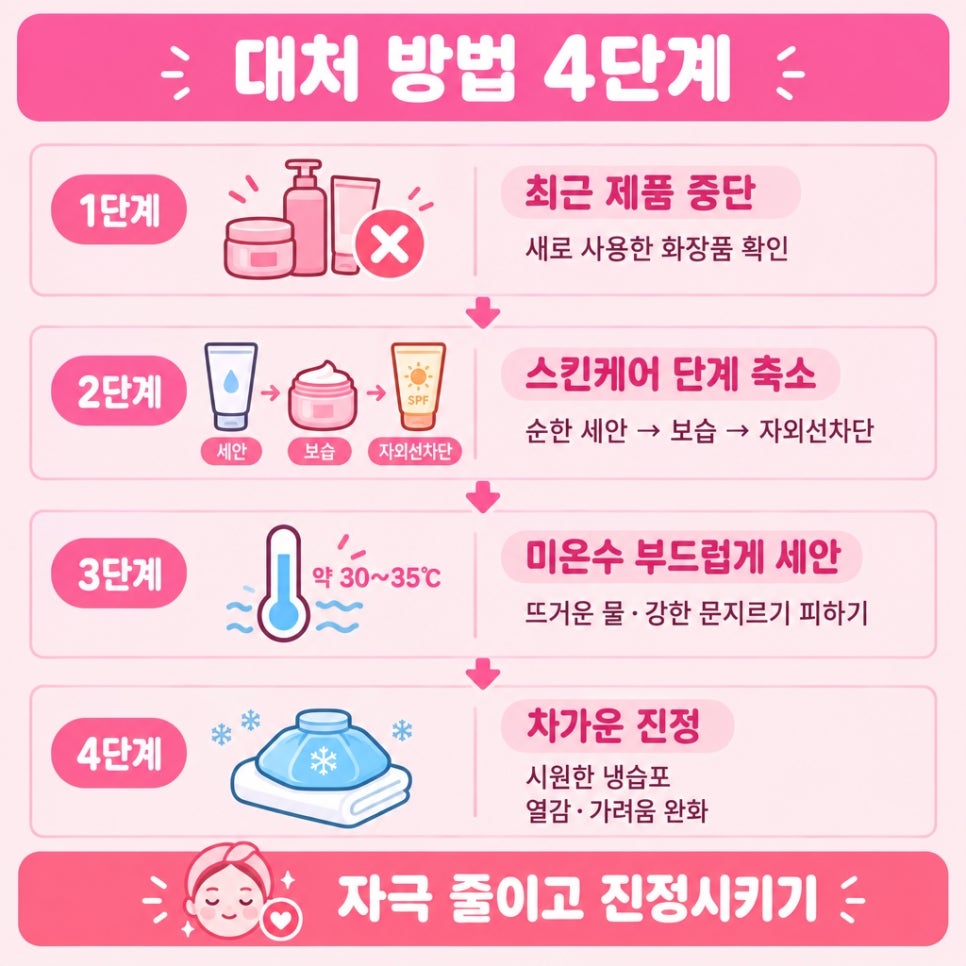
    Managing a skin flare-up generally comes down to four steps: stopping the suspected product, simplifying your skincare routine, cleansing gently, and calming the skin.
    Skin flare-up related image 6

    1. STEP 1. Pause any recently added products
      If you’ve recently started using a new cosmetic or cleanser, compare that timing with when symptoms began. Adding several products at once makes it harder to pinpoint the cause.
    2. STEP 2. Simplify your skincare routine
      Rather than layering on more products, focus on the basics: gentle cleansing → moisturizing → sunscreen during the day. Fragranced products can sometimes be an irritant, so choosing low-fragrance options may help if your skin is sensitive.
    3. STEP 3. Cleanse gently with lukewarm water
      Avoid washing for a long time with hot water or scrubbing hard. Apply a moisturizer that has worked well for you before your skin fully dries after cleansing, to help minimize water loss.
    4. STEP 4. Cool the skin if it feels hot or itchy
      A cool compress made with a clean towel may help temporarily ease discomfort. However, avoid holding ice directly against the skin for extended periods.

    What Habits Should You Avoid?
    Skin flare-up related image 7

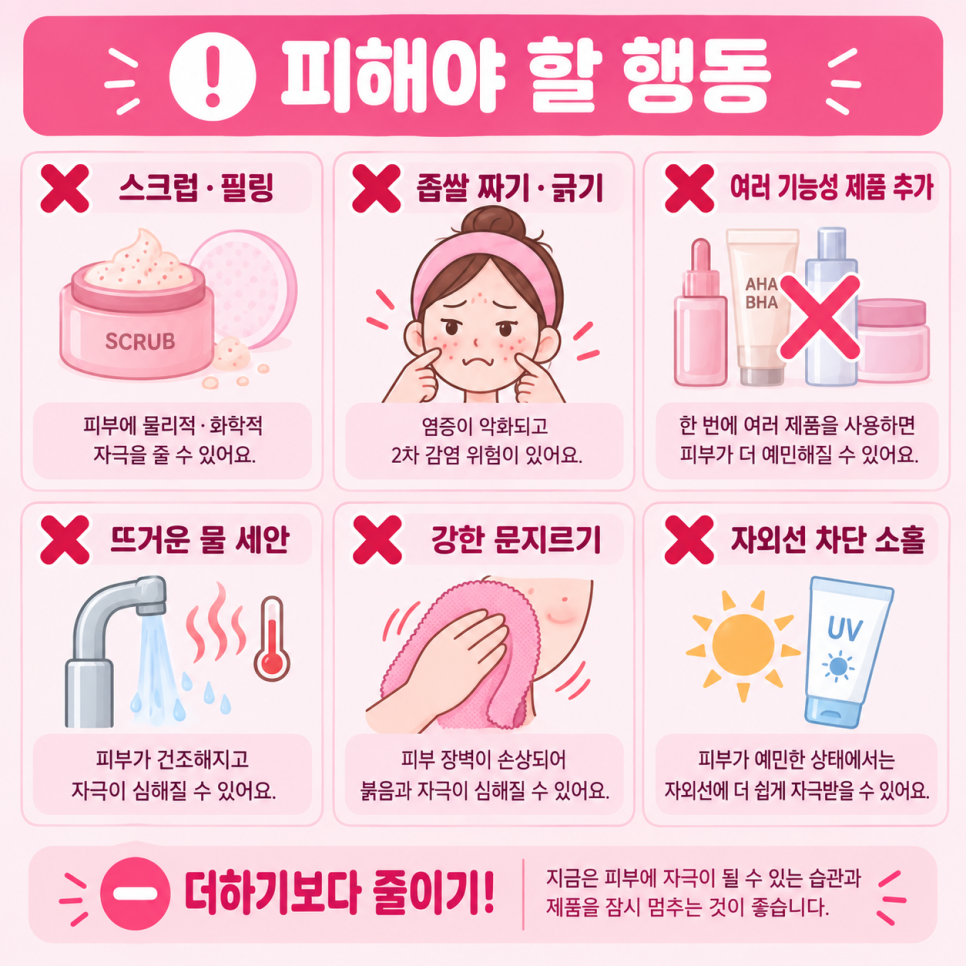
    When your skin flares up, it’s tempting to do more than usual in hopes of speeding up recovery.

    But at this stage, it’s more important to think about what to cut back on rather than what to add.

    Caution
    · Pause physically or chemically abrasive treatments like scrubs and peels for now.
    · Avoid introducing several new high-concentration active products at the same time.
    · Don’t repeatedly squeeze or scratch bumpy areas. Continued scratching can damage the skin and increase the risk of secondary infection.

    When Should You See a Dermatologist?

    Simple dryness or temporary irritation may improve once you avoid the suspected trigger.

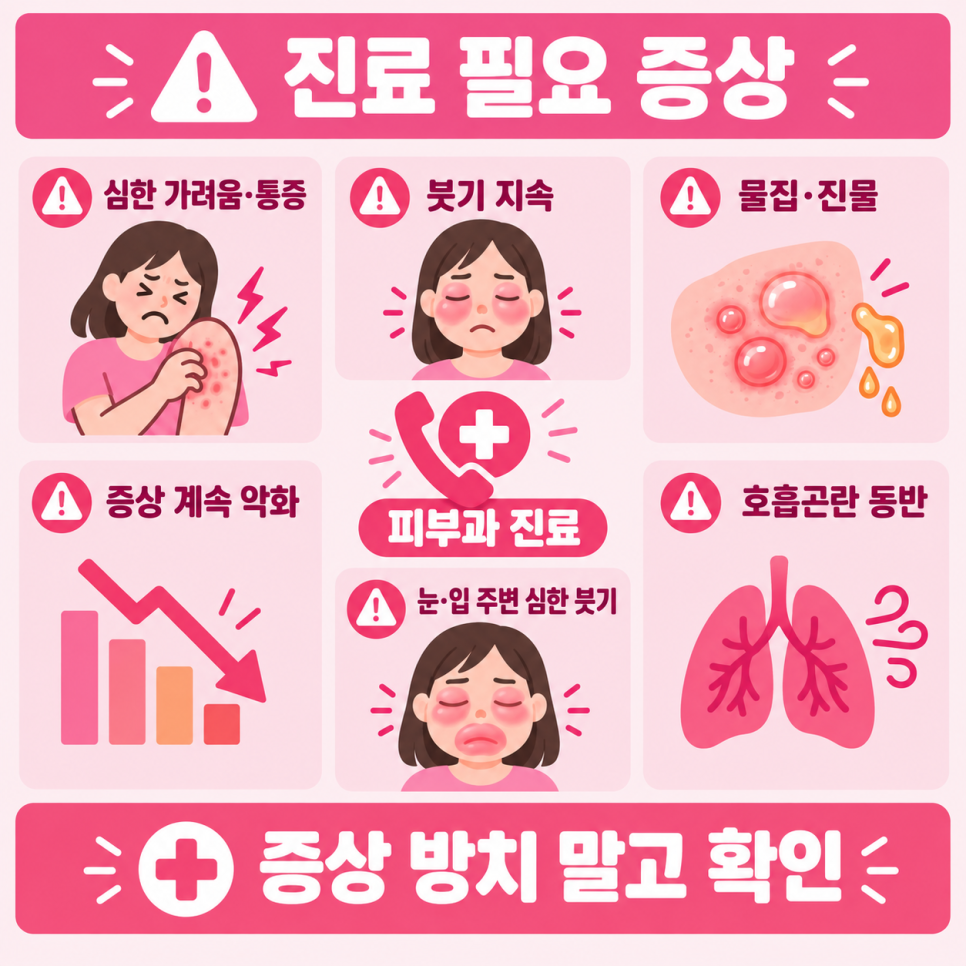
    On the other hand, if a flare-up keeps worsening or is accompanied by severe itching, pain, swelling, blisters, or oozing, it’s advisable to see a dermatologist to identify the exact cause.
    Skin flare-up related image 8

    Consider seeing a doctor if…
    ✅ Symptoms keep worsening over several days
    ✅ Severe itching, pain, swelling, blisters, or oozing occur
    ✅ Severe swelling around the eyes or mouth, or difficulty breathing, is present (seek immediate medical care)

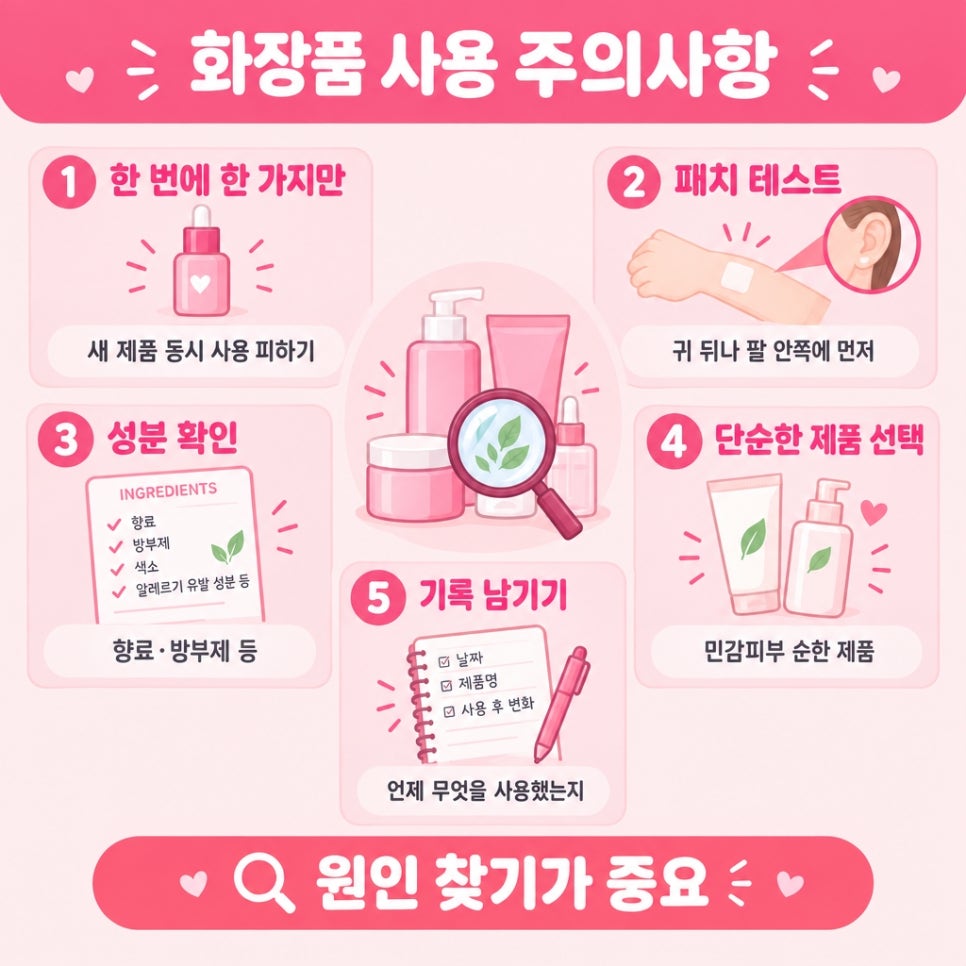
    If flare-ups keep recurring, rather than simply assuming your skin is just sensitive, keeping a record of when symptoms appeared and which products you’d used can help identify the cause.

    3-Day Skin Flare-Up Checklist

    Skin flare-up related image 9

    Checklist
    ✅ Have you used a new cosmetic product in the past 1–2 weeks?
    ✅ Did you switch your cleanser, sunscreen, shampoo, or laundry detergent?
    ✅ Have you been using peels or scrubs frequently?
    ✅ Have you been touching your face or squeezing bumps?
    ✅ Have you had significant sleep deprivation or stress lately?
    ✅ Are itching, heat, oozing, or blisters present?
    ✅ Are symptoms continuing to worsen despite care?

    If several of these apply to you, it’s best to start by removing potential irritants one at a time rather than adding more new products.


    If Your Skin Flares Up, Prioritize Soothing First
    Skin flare-up related image 10

    Seasonal skin flare-ups can be influenced by a combination of factors — dry weather, temperature shifts, cosmetics, lifestyle, and stress — so it’s difficult to pin the cause down to just one thing.

    If sudden, bumpy changes appear, the priority is identifying what’s recently changed, simplifying your cleansing and moisturizing routine, and observing how your skin responds, rather than squeezing bumps or reaching for harsh products.

    If you’re generally interested in skin barrier and elasticity care, you can find related information on the Atelofill Collagen Skin Research Center homepage.
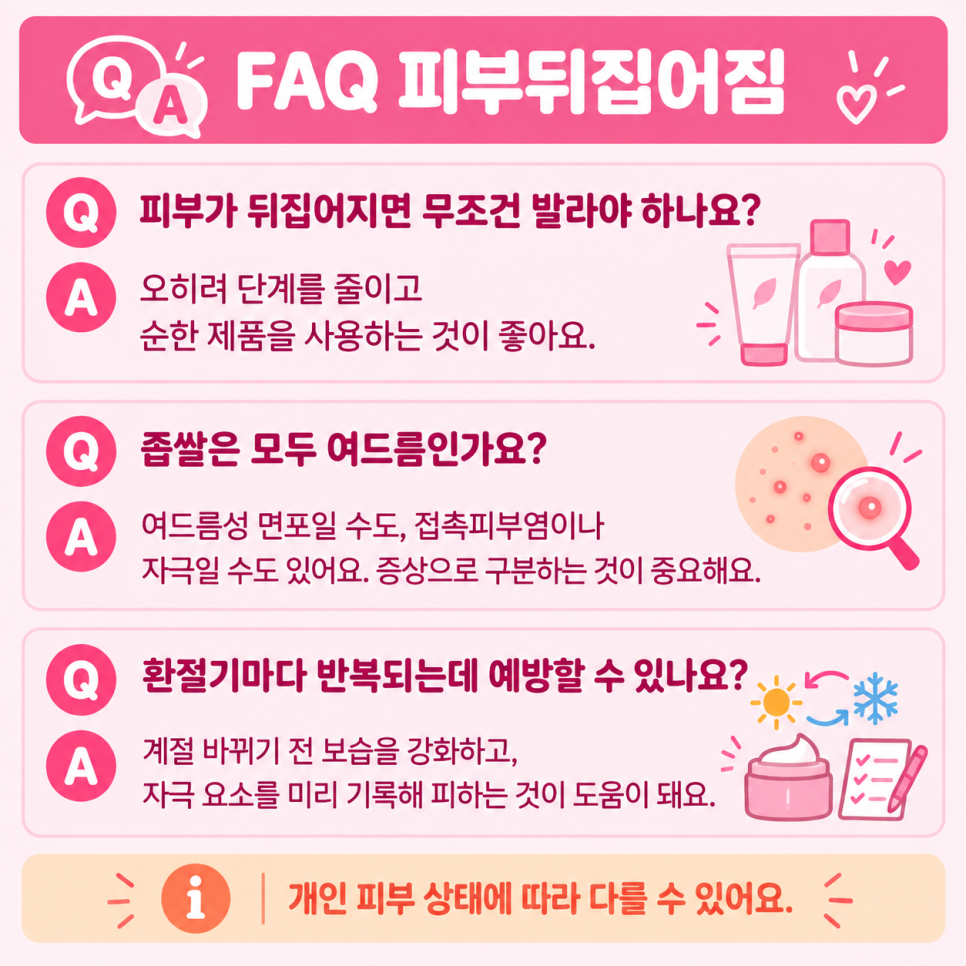
    Skin flare-up related image 11


    Frequently Asked Questions

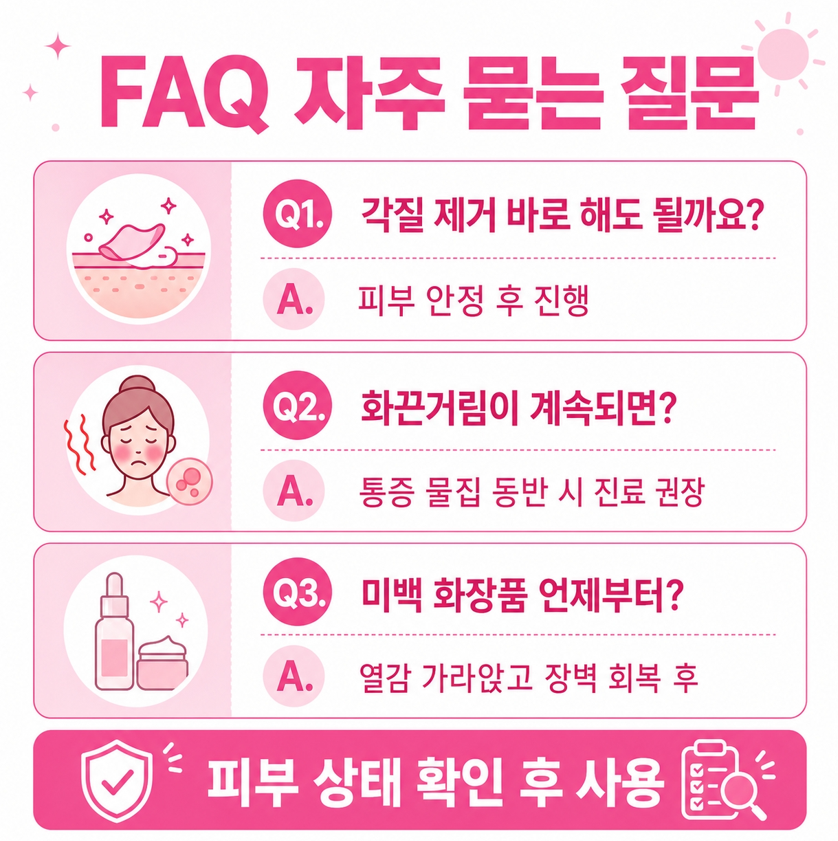
    1. If my skin flares up, is it okay to exfoliate right away?
    No. Exfoliating or squeezing bumps before you know the cause can add irritation and slow recovery. It’s best to focus on gentle cleansing and moisturizing first while monitoring how your skin responds.

    2. My skin flares up every seasonal change — how can I find the cause?
    Start by checking whether you began using any new cosmetics, cleansers, or laundry detergents around the time symptoms started. Keeping a record of when symptoms appeared and what you used beforehand can help narrow down the cause.

    3. Is it okay to squeeze bumps once they appear?
    It’s not recommended. Squeezing or scratching bumps before knowing the cause can lead to further skin damage and a higher risk of secondary infection.

    4. How severe do symptoms need to be before seeing a dermatologist?
    If severe itching, pain, swelling, blisters, or oozing occur, or symptoms keep getting worse, it’s best to see a doctor. Severe swelling around the eyes or mouth, or difficulty breathing, requires immediate medical evaluation.

    5. Are there ways to help prevent seasonal skin flare-ups?
    Introducing new products one at a time instead of several at once, cutting back on irritating treatments like scrubs and peels, and maintaining a regular sleep schedule may all help.


    References

    · Asan Medical Center, “Contact Dermatitis,” Disease & Health Information. View source
    · Korea Disease Control and Prevention Agency, “Irritant Contact Dermatitis,” National Health Information Portal. View source
    · NCBI PMC, “Association of Perceived Stress with Atopic Dermatitis in Adults: A Population-Based Study in Korea,” National Library of Medicine. View source


    This article is provided for general health information purposes only and is not a substitute for individual diagnosis or treatment. If you have symptoms, please consult a medical professional.
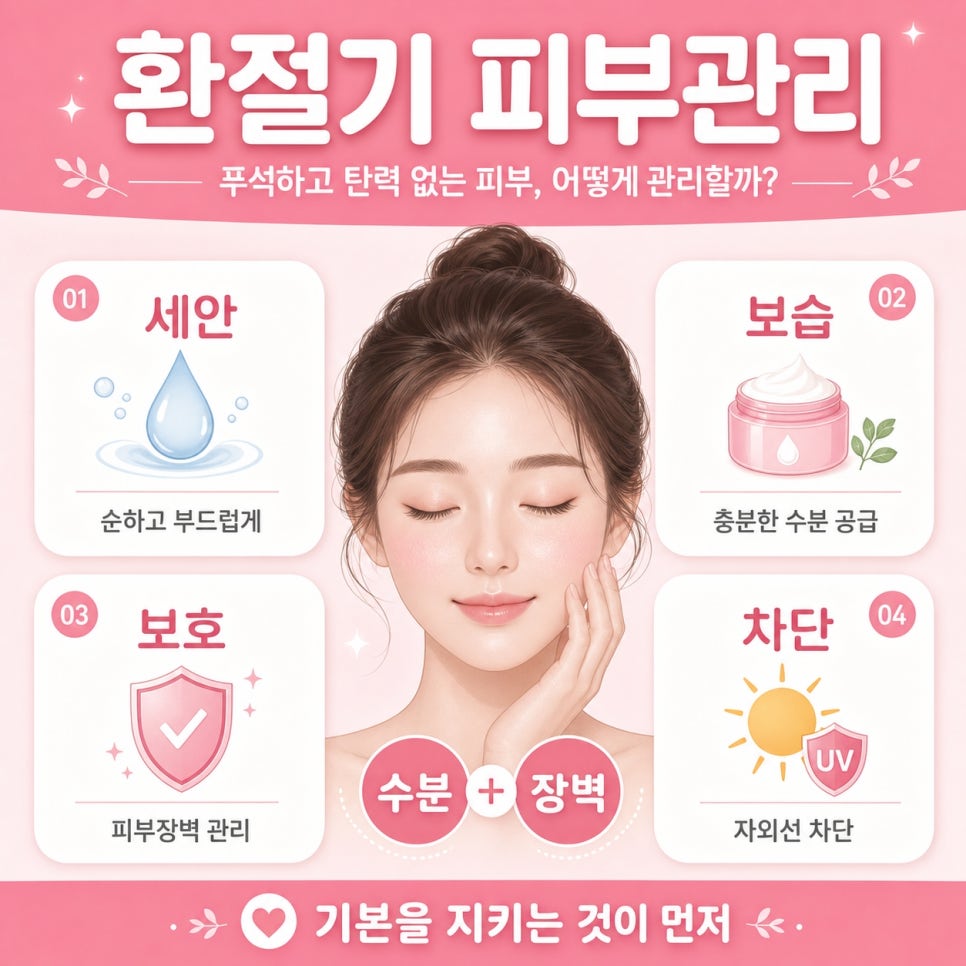
  • Fall Skincare Routine: 5 Tips for Dry, Dull Skin and Lost Elasticity

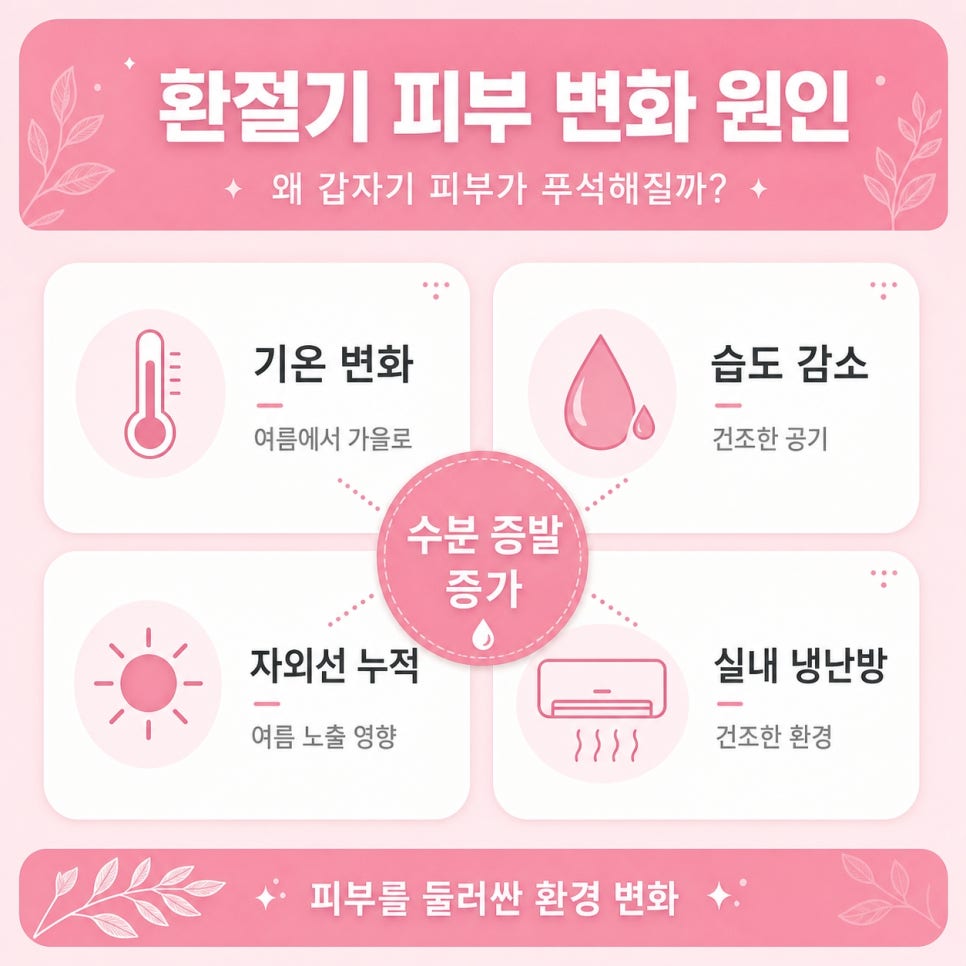
    Fall Skincare Routine: 5 Tips for Dry, Dull Skin and Lost Elasticity

    SummaryIf you’re not sure where to start with your fall skincare routine — cleansing, moisturizing, or sun protection — here’s a rundown of the warning signs of a weakened skin barrier, plus a routine that helps address both dryness and loss of elasticity.

    fall skincare routine

    It’s unsettling when you cleanse your face the exact same way you always do, yet today your skin suddenly feels tight and your makeup starts to separate.

    As the seasons change, shifting temperature and humidity can make a fall skincare routine feel especially tricky.

    Summer sun exposure combined with drier autumn air
    can lead to both moisture loss and a weakened skin barrier at the same time.

    This article walks through why skin feels dry and dull during seasonal transitions, how to build a cleansing and moisturizing routine, how to approach elasticity care, and what to look for when choosing products.

    We’ll also look at why the basics — gentle cleansing, adequate moisturizing, and sun protection — matter more than aggressive exfoliation.

    fall skincare routine image 2

    Why Does Skin Feel Dry and Tight During Seasonal Transitions?

    The short answer: changes in temperature and humidity, combined with UV exposure accumulated over the summer, make it easier for skin moisture to evaporate.

    Fall skincare means stabilizing skin moisture and barrier function that get thrown off balance as the seasons change.

    fall skincare routine image 3

    As summer gives way to fall, drier outdoor air can make it easier for moisture to evaporate from the skin’s surface.

    Indoor heating and air conditioning can also contribute to dryness.

    On top of that, UV exposure accumulated over the summer adds another layer to the problem.

    UV exposure is a widely documented external factor linked to skin aging, and some research suggests that repeated, long-term exposure may affect the collagen structure in the dermis.

    Key Points
    ✔ Seasonal skin trouble isn’t just about “not using enough moisturizer”
    ✔ Dry conditions plus accumulated UV exposure can work together to weaken the skin barrier
    ✔ Identifying the underlying cause helps you decide where to focus — moisture, barrier repair, or elasticity

    fall skincare routine image 4

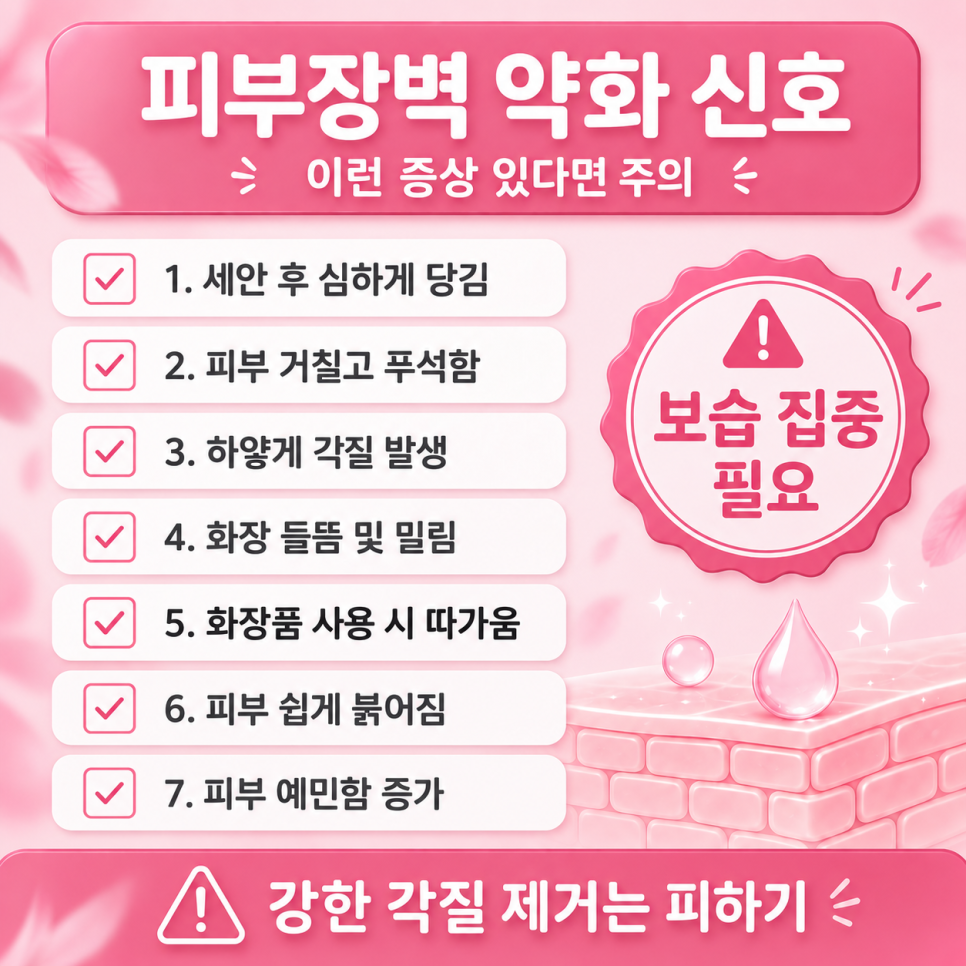
    Signs That Your Skin Barrier May Be Weakened

    The outermost layer of skin, the stratum corneum, helps block external irritants and prevent excessive moisture loss.

    When this balance is disrupted, you may notice changes like the following.

    fall skincare routine image 5

    Checklist
    ✅ Your face feels noticeably tight after cleansing
    ✅ Skin feels rougher and duller than usual
    ✅ White flakes appear on the skin
    ✅ Makeup separates or rubs off easily
    ✅ Products you normally use start to sting
    ✅ Skin flushes easily and feels more sensitive
    A Note of Caution
    If several of these signs apply to you, it’s best to hold off on adding several functional products at once
    and focus first on reducing irritation and moisturizing.
    Repeatedly scrubbing or exfoliating rough-feeling skin can actually add more irritation.

    Fall Skincare Routine: Cleansing and Moisturizing Tips for the Skin Barrier

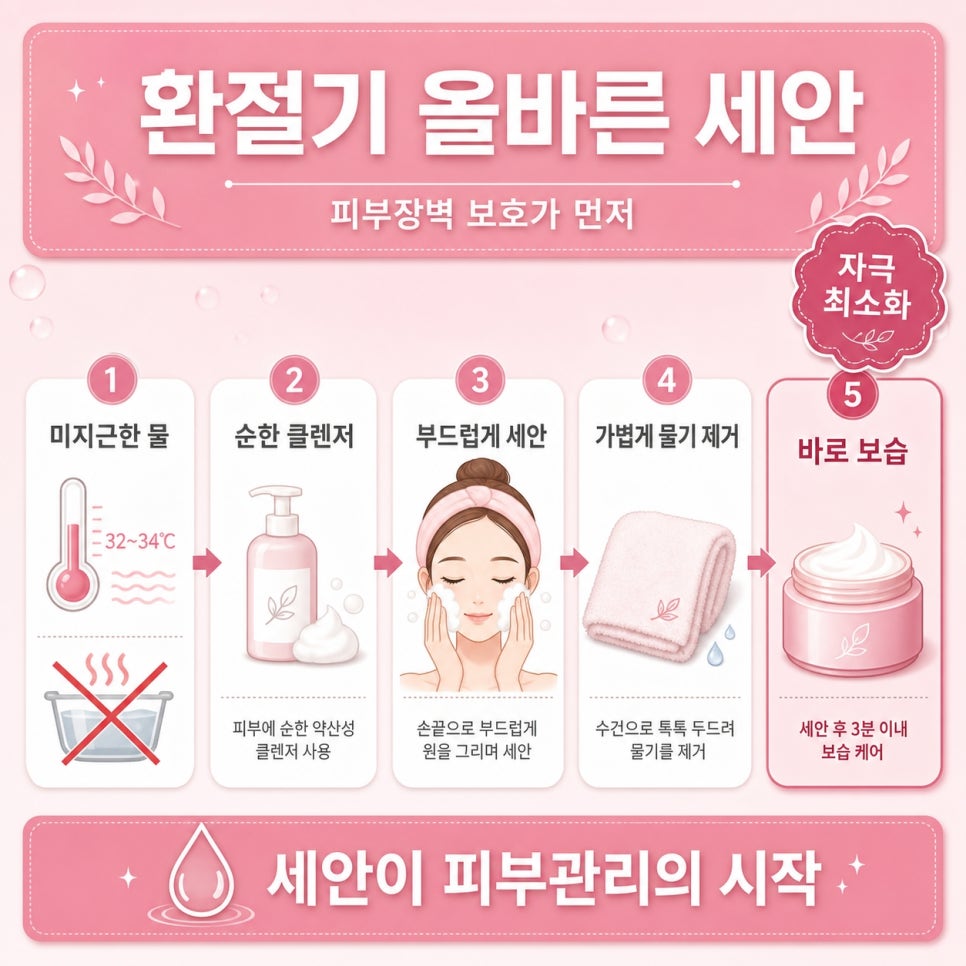
    The first step of a fall skincare routine isn’t a product — it’s how you cleanse.

    Washing with water that’s too hot for too long, or repeatedly using a harsh cleanser, can strip away too much of the skin’s natural surface oils.

    fall skincare routine image 6

    1. Start with lukewarm water
    2. Use a gentle cleanser
    3. Cleanse briefly and gently (avoid rubbing)
    4. Pat dry gently with a towel
    5. Moisturize right away so skin doesn’t stay dry

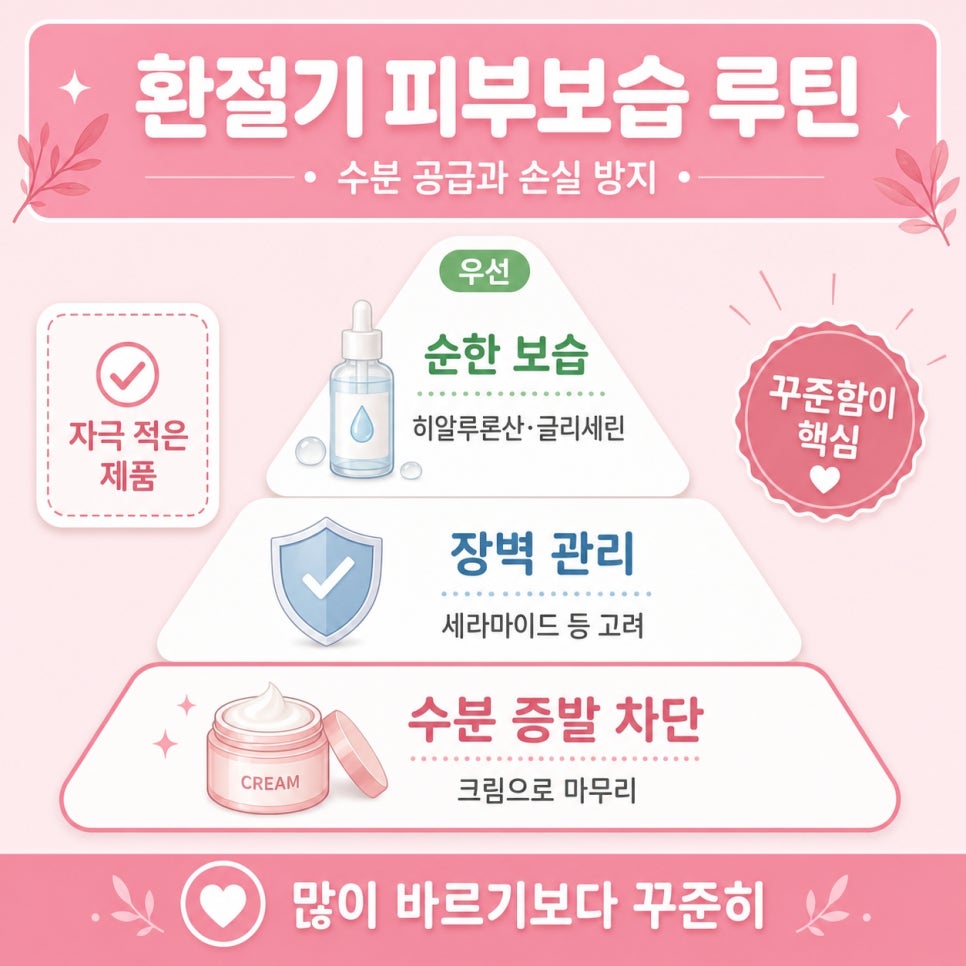
    What matters for moisturizing during seasonal transitions isn’t applying more product —
    it’s building a routine that replenishes moisture and reduces water loss in a way that fits your skin’s condition.

    fall skincare routine image 7

    Ingredient Type Common Ingredients Role
    Humectants Glycerin, hyaluronic acid Draw in and retain moisture within the skin
    Barrier-supporting ingredients Ceramides Help reinforce the lipid structure of the stratum corneum to reduce moisture loss
    Occlusives Cream and oil-based ingredients Physically limit moisture evaporation

    If your skin has become sensitive, it’s better to avoid adding several new high-potency products at once.

    Remember: the goal isn’t to “apply more” — it’s to reduce irritation while keeping moisture consistent.


    If Dryness Comes With Loss of Elasticity, Is Moisturizing Enough?

    The short answer: not on its own. Skin elasticity refers to the skin’s structural strength, supported by components like collagen and elastin in the dermis, and it’s influenced by different factors than moisture is.

    fall skincare routine image 8

    When skin gets drier during seasonal transitions, fine lines and uneven texture can look more noticeable than usual.

    But collagen and elastin production — and their structure — also change with age,
    and external factors like UV exposure affect skin aging as well.

    That’s why elasticity care generally isn’t about relying on one specific product,
    but about consistently combining sun protection, adequate moisturizing, minimizing irritation, and healthy lifestyle habits.

    fall skincare routine image 9

    Checklist (Lifestyle Habits)
    ✅ Check that indoor humidity isn’t too low
    ✅ Get enough sleep
    ✅ Apply sunscreen consistently, regardless of season
    ✅ Avoid picking at flaky skin or touching your face frequently
    ✅ Cut back on excessive scrubbing or exfoliating
    What to Expect
    Temporary dullness caused by dryness may improve with adjustments to your cleansing and moisturizing routine, though results can vary.
    However, structural loss of elasticity related to aging can stem from different causes, so it’s worth approaching each one separately.

    How Do You Choose the Right Fall Skincare Products?

    The basic approach to choosing fall skincare products is to identify your specific concern first, then narrow down the product category that addresses it.

    Switching out everything at once — toner, ampoule, serum, and cream — can actually be too much for skin that’s already sensitive.

    fall skincare routine image 10

    fall skincare routine image 11

    Concern Suggested Approach
    Dryness is the main concern Focus on moisturizing and hydration-retaining products
    Stinging or sensitivity after cleansing A simple, low-irritation moisturizing routine
    Flaking or rough texture Focus on moisture and barrier care rather than aggressive exfoliation
    Dullness plus loss of elasticity Combine moisturizing, sun protection, and long-term elasticity care

    No single ingredient works the same way for every skin type.

    Introduce new products one at a time and watch how your skin responds,
    and stop use if redness, itching, or stinging persists.

    If you’d like to learn more about skin elasticity, you can find related information on the Atelofill Collagen Skin Research Lab homepage.

    fall skincare routine image 12


    Frequently Asked Questions

    1. Why does my skin suddenly get dry every time the seasons change?
    Changes in temperature and humidity, along with dry indoor and outdoor conditions, can increase moisture loss. UV exposure and improper cleansing habits can also add to the effect.

    2. If my skin looks dull, should I start with exfoliation?
    Not necessarily. If your skin barrier is already sensitive, aggressive exfoliation can make irritation worse. It’s better to focus first on moisturizing and minimizing irritation, then monitor how your skin responds.

    3. Should I still wear sunscreen during seasonal transitions?
    Yes. UV exposure happens year-round and can contribute to photoaging, so it’s best to keep applying sunscreen whenever you go outside, regardless of season.

    4. Is moisturizing alone enough for elasticity care?

    Moisturizing is important for reducing dryness and maintaining overall skin condition, but elasticity is affected by multiple factors, including aging, UV exposure, and changes in skin structure. It’s best to combine moisturizing with sun protection and healthy lifestyle habits.

    5. Is it okay to switch out all my skincare products at once for fall?
    This isn’t recommended. During periods when skin is more sensitive, it’s safer to simplify your routine and introduce new products one at a time while checking how your skin reacts.

    References

    · Kim, J.G., et al., “Preventive Effects of Collagen Peptide on Skin Photoaging,” Korean Journal of Food Science and Technology 41(4), 2009. View source
    · Kwon, M.S. & Choi, T.B., “Effects of Ceramide on Skin Barrier Function,” Asian Journal of Beauty and Cosmetology. View source


    This article is provided for general health information purposes only and is not a substitute for individual diagnosis or treatment. If you’re experiencing symptoms, please consult a dermatologist or other qualified healthcare professional.
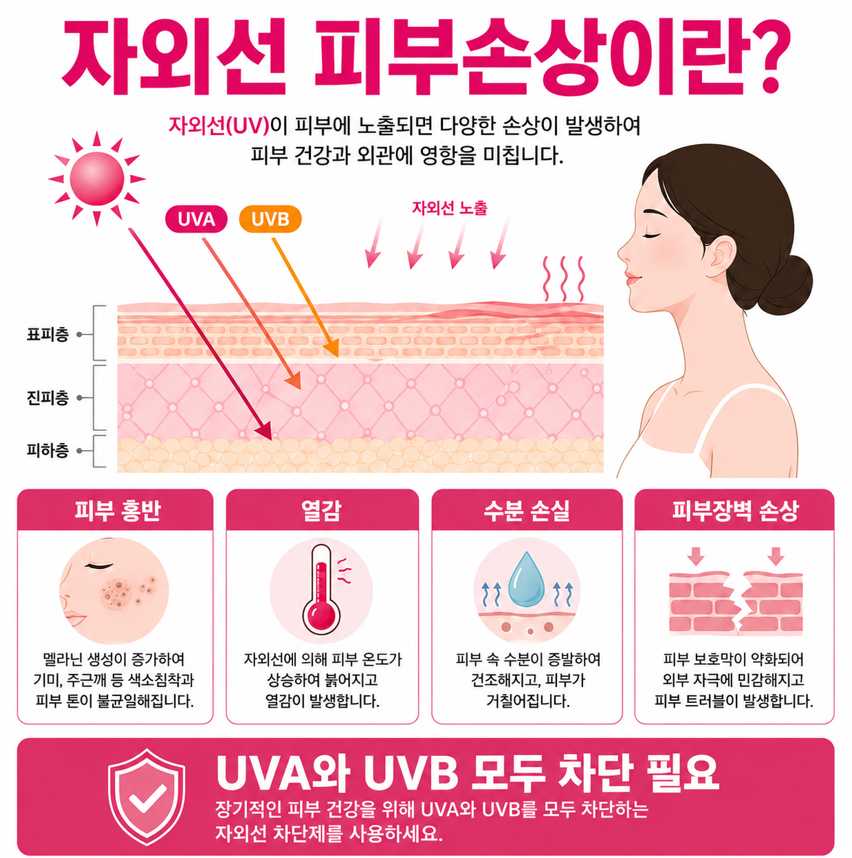
  • Peptide Benefits for Skin: 4 Reasons They’re Used in Anti-Aging Skincare

    Peptide Benefits for Skin: 4 Reasons They’re Used in Anti-Aging Skincare

    SummaryPeptide benefits for skin refer to how peptides, as anti-aging skincare ingredients, support skin elasticity, hydration, and barrier care. This guide covers peptide types, their relationship with collagen, and how to pair them with retinol and vitamin C.

    Ever squint at an ingredient list and wonder what half the names even mean?

    After retinol and vitamin C, “peptide” is a word appearing more often lately.
    It’s used in a number of elasticity and wrinkle-care products.

    But without understanding peptide benefits clearly,
    it’s easy to assume that applying them will simply “refill” collagen in the skin.

    This article covers what peptide benefits actually mean, how peptides relate to collagen, how different peptide types compare, and how to combine them with retinol and vitamin C.
    We’ll also look at what to check for on an ingredient label.

    peptide benefits for skin

    What Is a Peptide, and Do Benefits Vary by Type?

    The short answer: peptides come in many types, and each plays a different role in skincare formulas.

    A peptide is a chain of amino acids linked together.
    If amino acids are the smallest building blocks of protein, peptides sit in between — smaller molecules made of amino acids, but not yet full proteins.

    peptide benefits illustration 3

    Collagen and elastin, the two proteins that make up much of the skin’s structure, are also built from amino acids.
    That’s why ingredient lists rarely just say “peptide” — instead, you’ll often see specific names like palmitoyl pentapeptide, acetyl hexapeptide, or copper tripeptide.

    In fact, if you compare labels, products marketed as “peptide-containing” often list completely different peptide names.

    Key Point — 4 Types of Peptides Used in Skincare
    · Signal peptides: involved in signaling related to skin conditioning
    · Carrier peptides: help deliver specific ingredients, such as copper, into the skin
    · Enzyme-inhibitor-related peptides: studied in relation to certain enzyme activity
    · Neurotransmitter-related peptides: studied in relation to expression-related muscle movement

    peptide benefits illustration 7

    So when choosing a product, it matters less that it simply says “contains peptides” — what matters more is which peptide types are included and at what concentration.


    Why Are Peptide Benefits for Skin Gaining Attention in Anti-Aging Skincare?

    Peptide benefits for skin refer to the role these ingredients play in supporting skin elasticity, hydration, and barrier condition.
    As skin ages, it tends to become drier and lose elasticity,
    and fine lines start to show up in expressive areas like the eyes and mouth.

    External factors — UV exposure, lack of sleep, dry environments — can repeatedly add to this decline.
    That’s why anti-aging skincare has moved beyond simple hydration toward comprehensively addressing elasticity, barrier function, and overall skin condition.

    peptide benefits illustration 4

    Key Point — 4 Areas Where Peptides Are Used
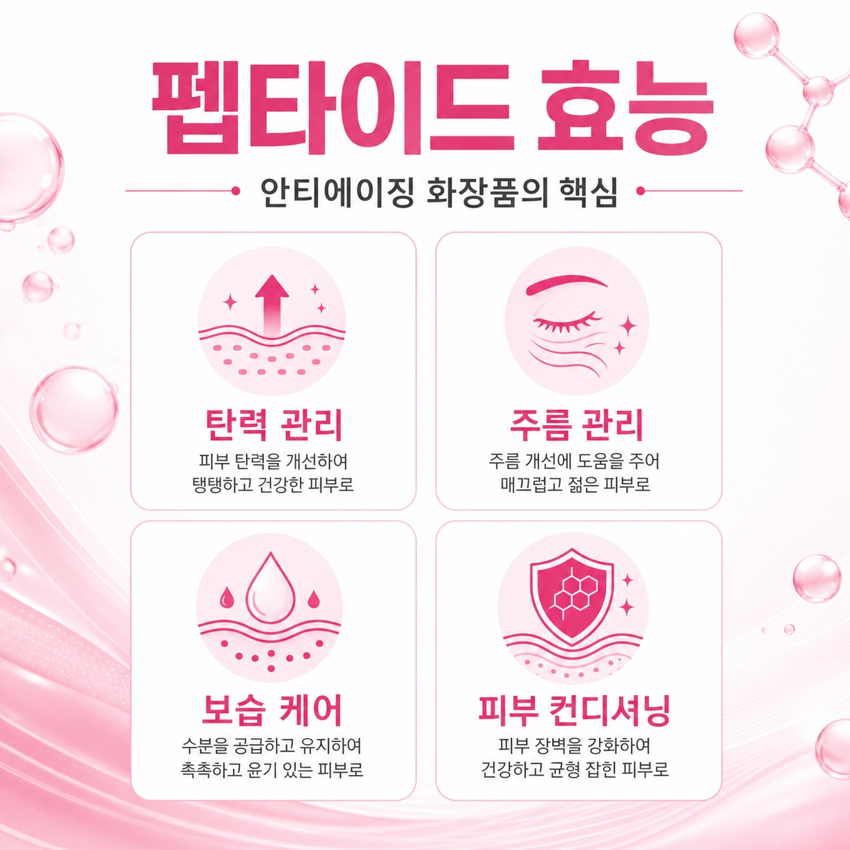
    · Skin elasticity care: used in firming serums, ampoules, and eye creams
    · Care for wrinkle-prone areas: eyes, mouth, forehead, and other expressive zones
    · Hydration and barrier care: often formulated alongside ceramides and hyaluronic acid
    · Overall skin condition maintenance: used as a daily skincare ingredient

    peptide benefits illustration 5

    That said, using a cosmetic product doesn’t guarantee that existing deep wrinkles will disappear.
    It’s best understood as part of an ongoing skincare routine rather than a guaranteed fix.


    Do Peptides Replenish Collagen in the Skin?

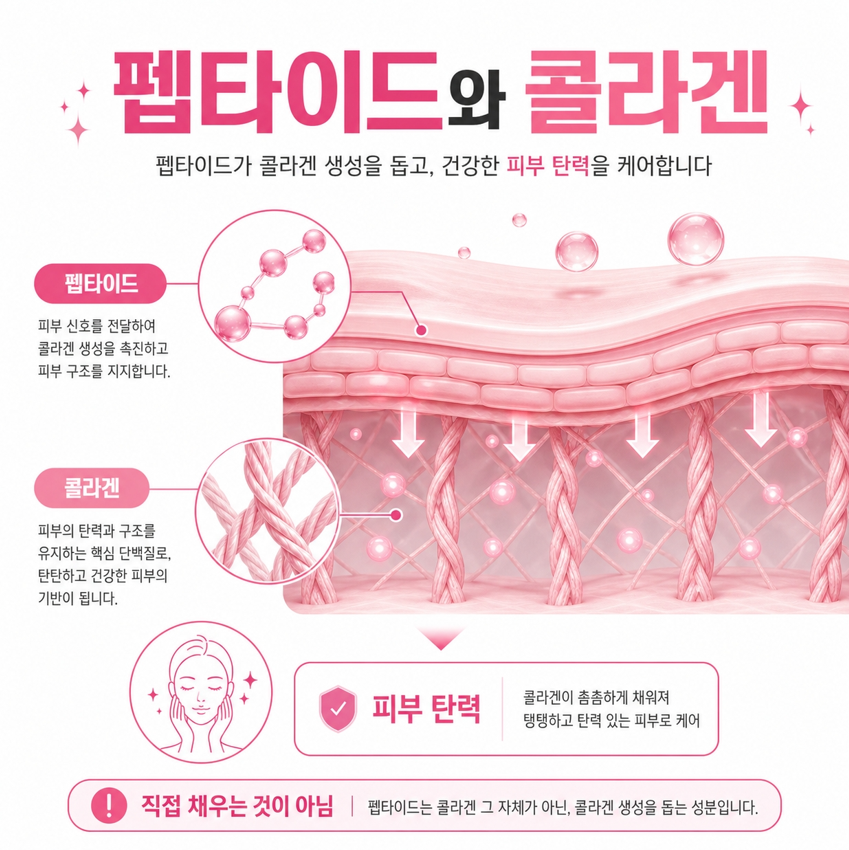
    No — peptides don’t directly refill collagen in the skin.

    Peptides and collagen are closely related terms, but they aren’t the same thing.
    Collagen is a key protein that makes up the skin’s dermis, playing an important role in skin structure and elasticity.

    peptide benefits illustration 6

    As skin ages and is repeatedly exposed to UV light, the balance between collagen production and breakdown can shift.
    Against this backdrop, some peptides have been studied in relation to skin condition.

    One example is copper peptide (GHK-Cu), a copper-bound peptide that has been examined in research related to skin renewal and antioxidant activity.
    However, this reflects findings from lab and clinical studies, and results aren’t guaranteed to be the same for everyone.

    Caution
    Peptide skincare should not be understood as directly injecting or refilling collagen inside the skin.
    Cosmetics should be understood within the scope of topical skincare products, and their effects can vary depending on the type, formulation, concentration, and combination of peptides used.

    Can You Use Peptide Skincare With Retinol and Vitamin C?

    Yes, they can be used together, but application order and monitoring your skin’s response matter.

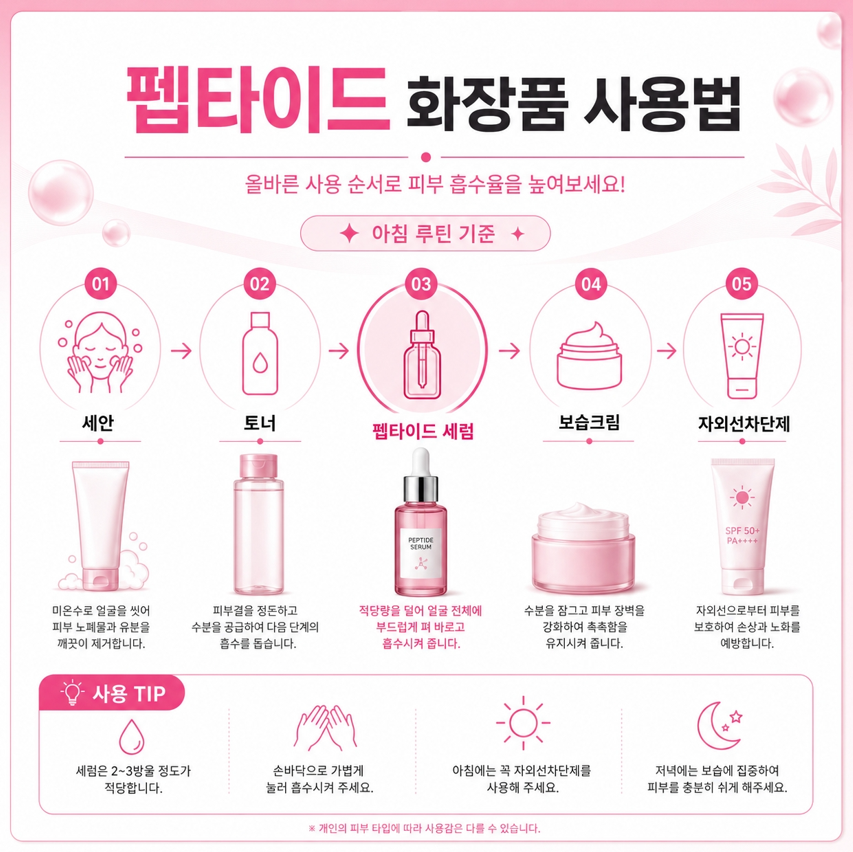
    Suggested Order for Applying Peptide Skincare

    1. Cleanser
    2. Toner
    3. Peptide serum/ampoule
    4. Moisturizer
    5. Sunscreen (morning)

    peptide benefits illustration 8

    Keep in mind that recommended application order can vary by product, so check the manufacturer’s instructions first.
    When trying a new product, it’s safer to introduce one active ingredient at a time and watch how your skin responds, rather than layering several actives at once.

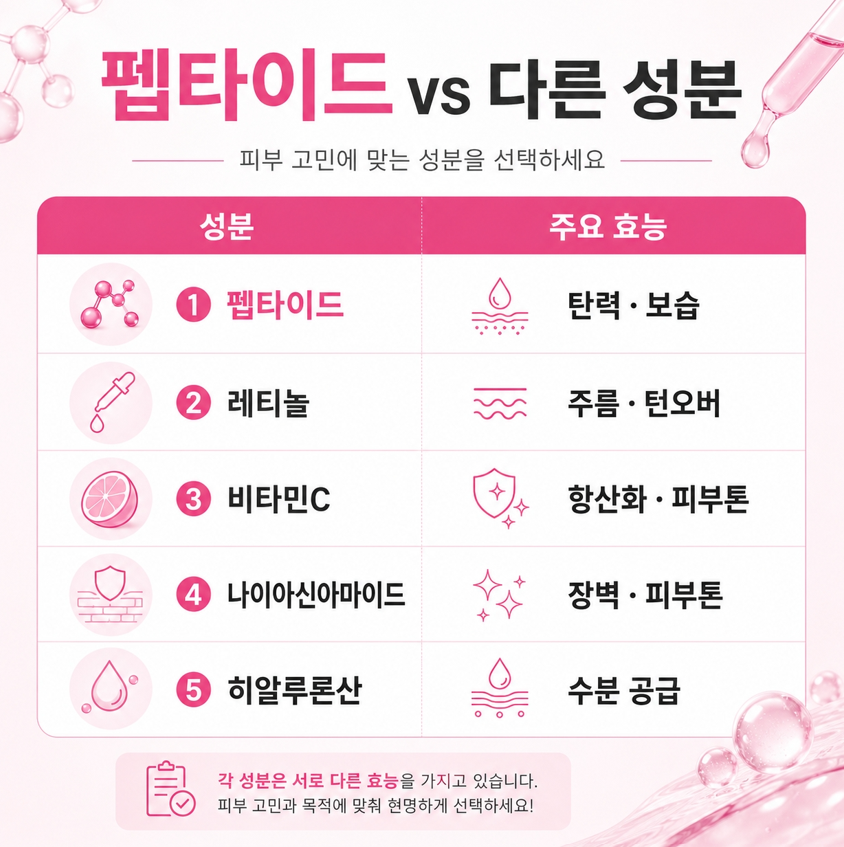
    How Does It Compare to Other Anti-Aging Ingredients?

    Ingredient Primary Care Focus
    Peptides Elasticity, hydration, skin conditioning
    Retinol Texture, wrinkles, cell turnover
    Vitamin C Antioxidant support, skin tone
    Niacinamide Barrier, tone, oil control
    Hyaluronic Acid Hydration, moisture retention

    peptide benefits illustration 9

    Caution
    Using several potentially irritating products at once — like high-strength retinol or acidic ingredients — can leave skin stinging or dry.
    If your skin is sensitive, consider splitting these into AM/PM routines or alternating days.
    Also, sunscreen is essential during the day whenever you’re using retinol.

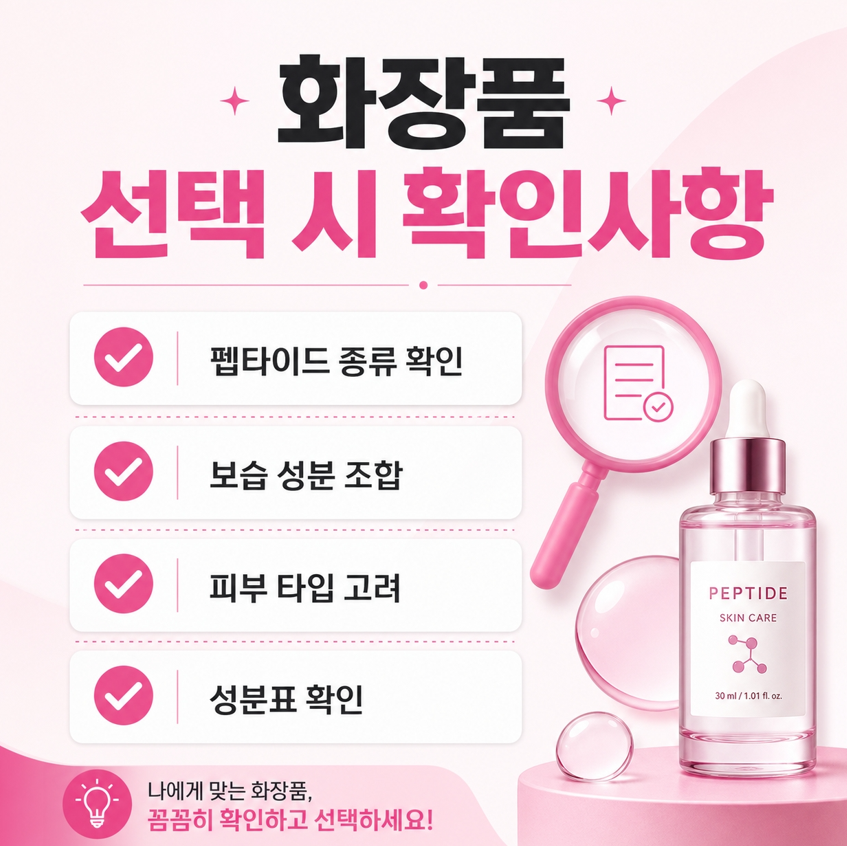
    Checklist for Choosing Peptide Skincare

    peptide benefits illustration 10

    Checklist
    ✅ Have you checked which specific peptide types are listed on the label?
    ✅ Is it formulated alongside hydrating ingredients like hyaluronic acid or ceramides?
    ✅ Does the combination with other actives, like niacinamide, suit your skin?
    ✅ If you have sensitive skin, have you avoided adding several high-strength actives all at once?

    If you’d like to explore collagen and peptide ingredients together, you can find more information at the Atelofill Collagen Skin Research Institute homepage.

    In short, getting the most out of peptide benefits for skin means checking the specific type and combination of peptides — not just whether a product “contains peptides.”
    Pair that with consistent hydration and daily sun protection to help support your anti-aging skincare routine.

    Frequently Asked Questions

    peptide benefits illustration 11

    1. Is a peptide an anti-aging ingredient?
    Peptides are used in a wide range of anti-aging cosmetics for skin conditioning, elasticity, and hydration. However, since there are many different types of peptides, not all of them share the same characteristics.

    2. Does applying peptide skincare refill collagen?
    Peptides in cosmetics should not be understood as directly injecting or refilling collagen in the skin. As a skincare ingredient, peptides are used to support skin conditioning and elasticity.

    3. Which is better, peptides or retinol?
    The two ingredients work differently, so a direct comparison isn’t straightforward. Retinol is mainly associated with cell turnover, wrinkles, and texture, while peptides are mainly associated with elasticity and skin conditioning — so it’s best to choose based on your own skin concerns and sensitivity.

    4. Can peptide skincare be used every day?
    It varies by product, but most peptide skincare is formulated for daily use. That said, it’s best to follow the specific usage instructions for your product.


    References

    · Dou Y, et al., “The Potential of GHK as an Anti-Aging Peptide,” Aging Pathobiology and Therapeutics, 2022. View source
    · Lim KS, et al., “Preventive Effects of Collagen Peptides on Skin Photoaging,” Journal of the Korean Society of Food Science and Nutrition, Korean Society of Food Science and Nutrition. View source


    peptide benefits illustration 12

    Peptides are chains of linked amino acids, and they’re used in anti-aging skincare as ingredients that support elasticity, hydration, and skin conditioning.

    That said, it isn’t accurate to assume that “containing peptides” automatically means wrinkles will improve, or that they’ll directly refill collagen.
    Skin aging is influenced by many factors beyond collagen changes — including UV exposure, dryness, lifestyle habits, and age.

    Whatever anti-aging ingredient you use, the fundamentals stay the same.
    Consistent hydration and daily sun protection remain the most basic starting point for skin care.

    This article is intended for general informational purposes only and is not a substitute for individual diagnosis or treatment. If you have any concerns, please consult a dermatologist or qualified professional.
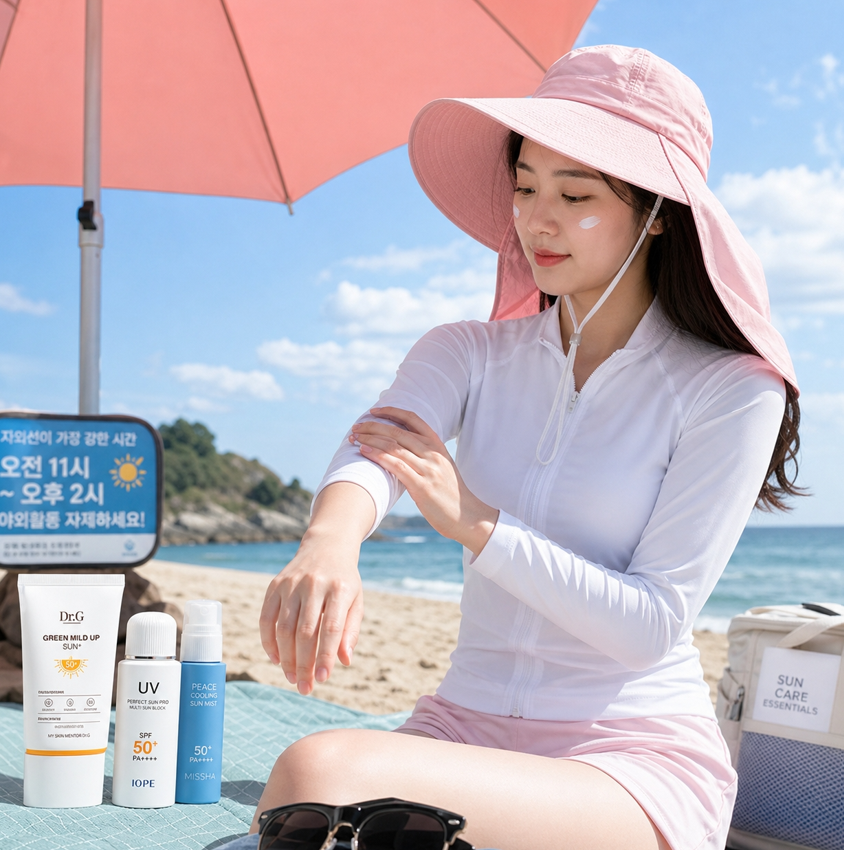
  • Sun Damaged Skin Symptoms: 5 Signs & Recovery Care

    Sun Damaged Skin Symptoms: 5 Signs & Recovery Care

    SummarySun damaged skin goes beyond a simple tan — it can lead to sunburn, a weakened skin barrier, and reduced elasticity. Here’s how to tell redness and blistering apart, how to cool and calm the skin, and the right after-sun skincare order to help restore your skin barrier.

    Have you ever come home from vacation, looked in the mirror, and been startled by what you saw?
    Your face is flushed and feels hot to the touch, but it’s easy to assume it will fade in a few days.

    Here’s the thing — these symptoms aren’t just a tan. They can be an early sign of sun damaged skin.
    Left unaddressed, this can weaken the skin barrier, drain moisture, and eventually lead to a loss of elasticity.

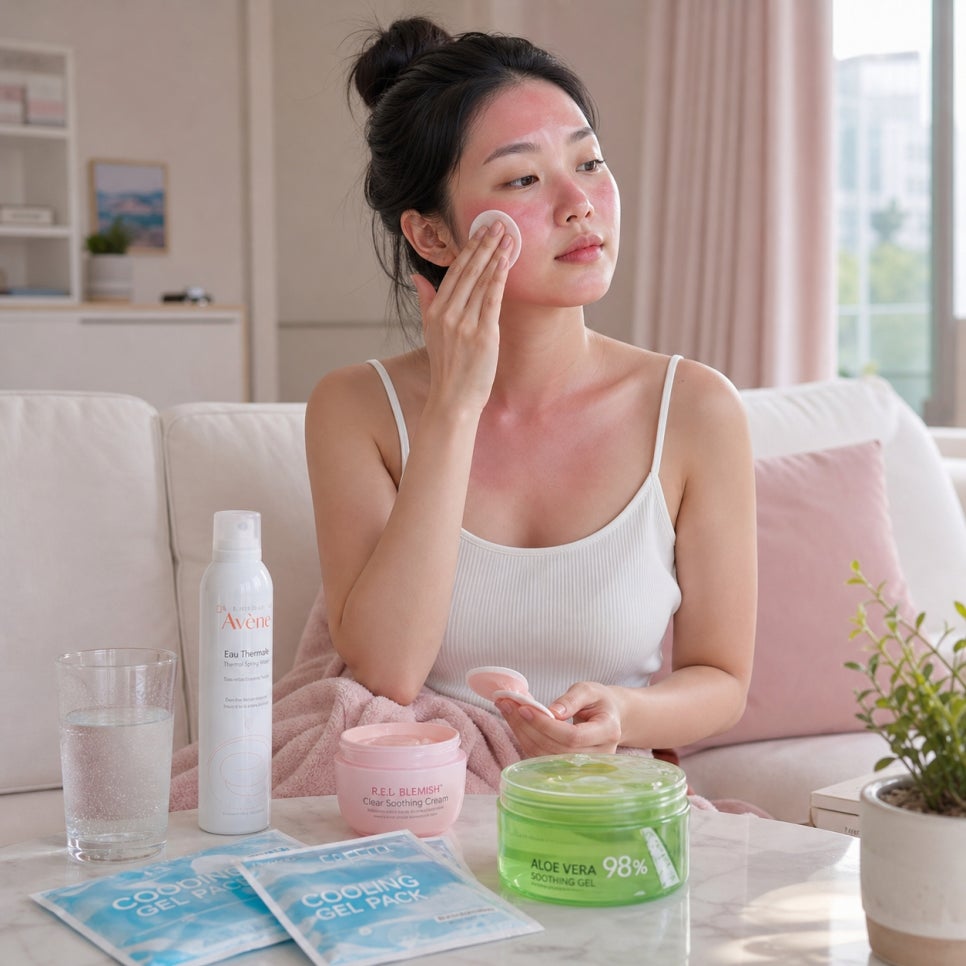
    sun damaged skin

    In this article, we’ll cover the common sun damaged skin symptoms, why they happen, and how to tell sunburn apart from mild skin irritation.
    We’ll also walk through step-by-step care — from cooling down skin heat early on to restoring your skin barrier after vacation.

    sun damaged skin illustration 2

    What Are Sun Damaged Skin Symptoms, and Why Does Skin Turn Red?

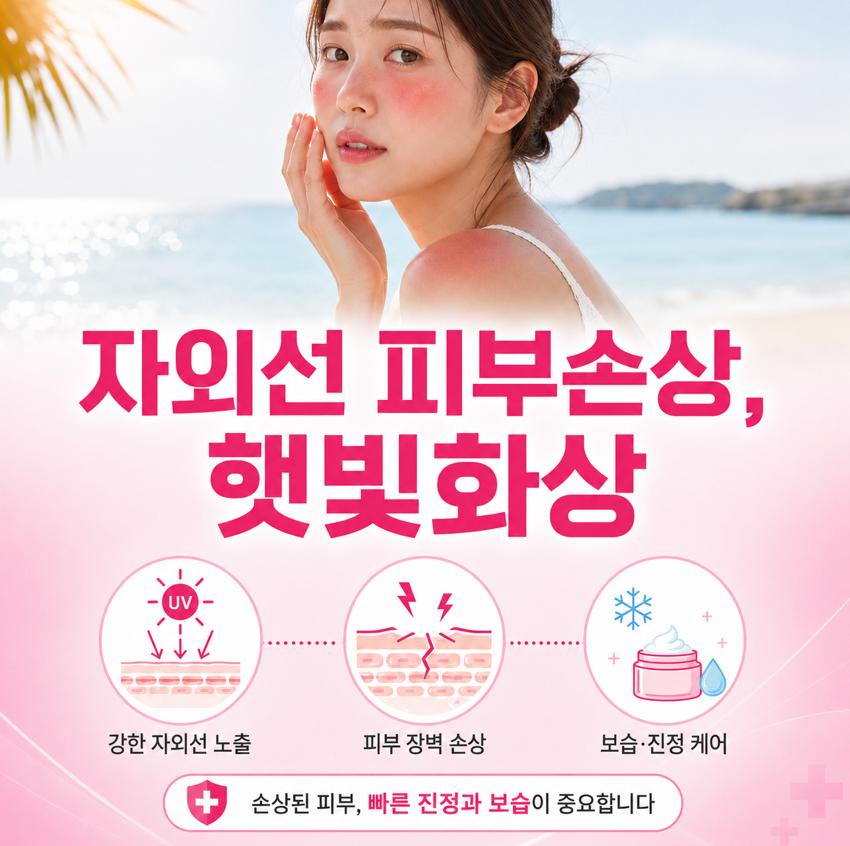
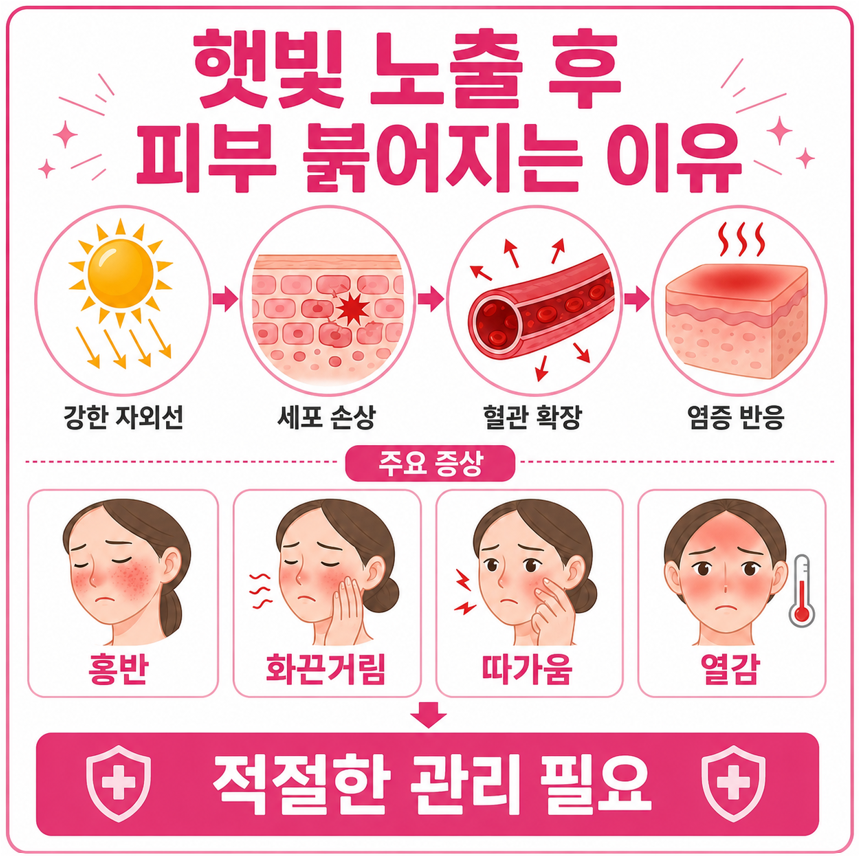
    To put it simply, sun damaged skin refers to a condition in which UV-exposed skin shows redness, heat, moisture loss, and barrier damage all at once.
    It’s a different concept from simply getting a tan.

    sun damaged skin illustration 3

    In summer, more outdoor activities and vacations naturally mean longer exposure to strong UV rays.
    UV light doesn’t just darken the skin — it can also trigger changes within the skin cells themselves.

    Key Points
    ✔ UV exposure can cause redness and a warm, heated feeling in the skin
    ✔ Moisture can be lost from the skin, weakening the skin barrier
    ✔ It may lead to hyperpigmentation and reduced skin elasticity
    ✔ Repeated exposure is considered one of the factors that can accelerate skin aging

    sun damaged skin illustration 4

    UV rays are broadly divided into UVA and UVB, and each affects the skin somewhat differently.

    Type Characteristics
    UVA Penetrates deep into the skin and may contribute to reduced elasticity and photoaging
    UVB Acts on the skin’s surface and is more likely to cause sunburn and redness

    Redness Is a Sign That an Inflammatory Response Has Begun

    sun damaged skin illustration 5

    It’s tempting to write off redness as just a tan, but it can actually signal that an inflammatory response has started.
    When skin is exposed to strong UV rays, blood vessels dilate to help repair the damaged cells.
    This process is what causes the redness, heat, and stinging you feel on your face.

    If symptoms are mild, they often improve within a day or two.

    However, continued UV exposure or a lack of proper care can weaken the skin barrier further and worsen moisture loss.


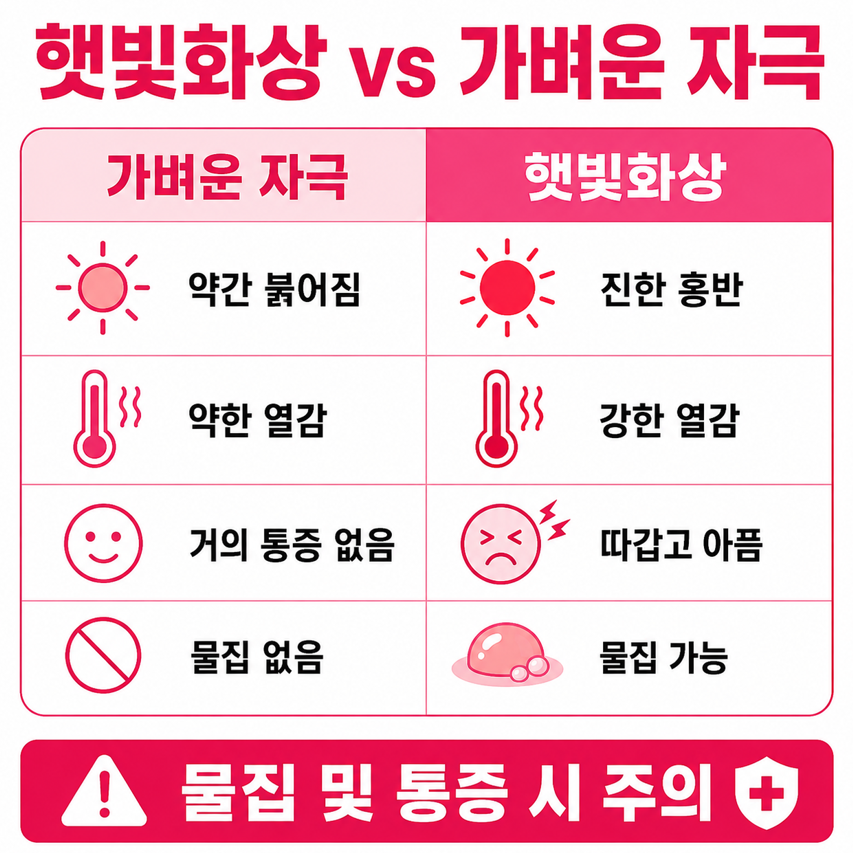
    How Can You Tell Sunburn Apart from Mild Skin Irritation?

    Not all post-vacation redness means you have a sunburn.
    That said, if symptoms are severe, it’s worth considering the possibility of sunburn.

    sun damaged skin illustration 6

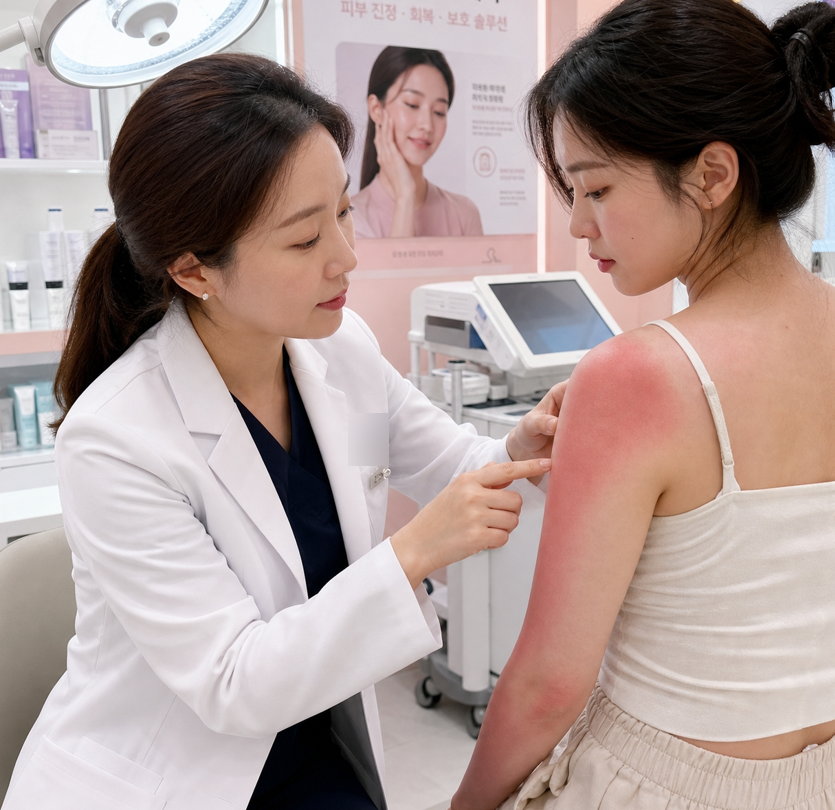
    Sunburn is an acute inflammatory reaction of the skin caused by excessive UV exposure, and in severe cases it can involve blistering and pain.
    According to Korea Disease Control and Prevention Agency data, sunburn symptoms typically begin 3 to 6 hours after exposure.
    They tend to peak between 12 and 24 hours, then gradually fade over the following 3 to 7 days.

    Feature Mild Irritation Sunburn
    Skin color Slight redness Deep, intense redness
    Heat Mild Intense
    Pain Little to none Stinging and painful
    Blisters None May occur
    Recovery Improves within a few days Can take days to weeks

    If redness is accompanied by blistering or significant pain, sunburn is more likely than simple irritation.


    How Should You Manage Skin Heat and Pain in the Early Stage?

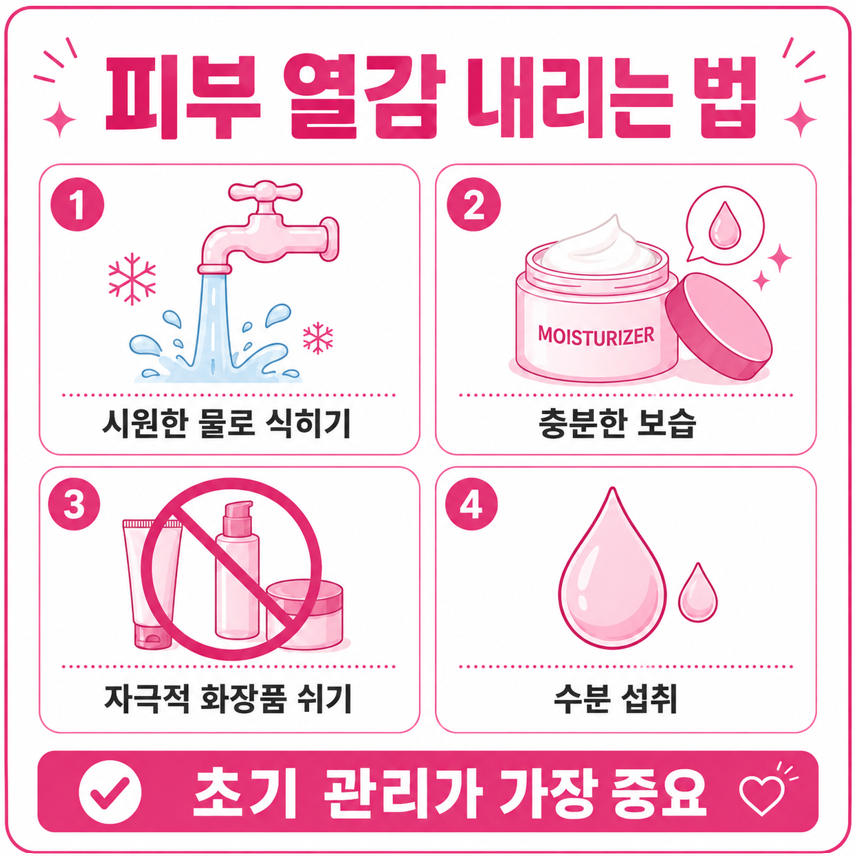
    If your skin feels hot and stings, the first step is to cool the skin down.
    Once the heat has settled, following up with hydration and soothing care can support recovery.

    sun damaged skin illustration 7

    Checklist
    ✅ Cool skin with lukewarm or cool water (never apply ice directly)
    ✅ Hydrate thoroughly with a moisturizing cream
    ✅ Pause scrubs, peels, high-strength vitamin C, and retinol products
    ✅ Drink enough water to help maintain skin hydration

    When skin is sun damaged, moisture is lost from the skin rapidly.

    That’s why soothing and hydration should be the top priority during this time.
    It’s best to hold off on active or functional products that could irritate the skin until it has stabilized.

    sun damaged skin illustration 8

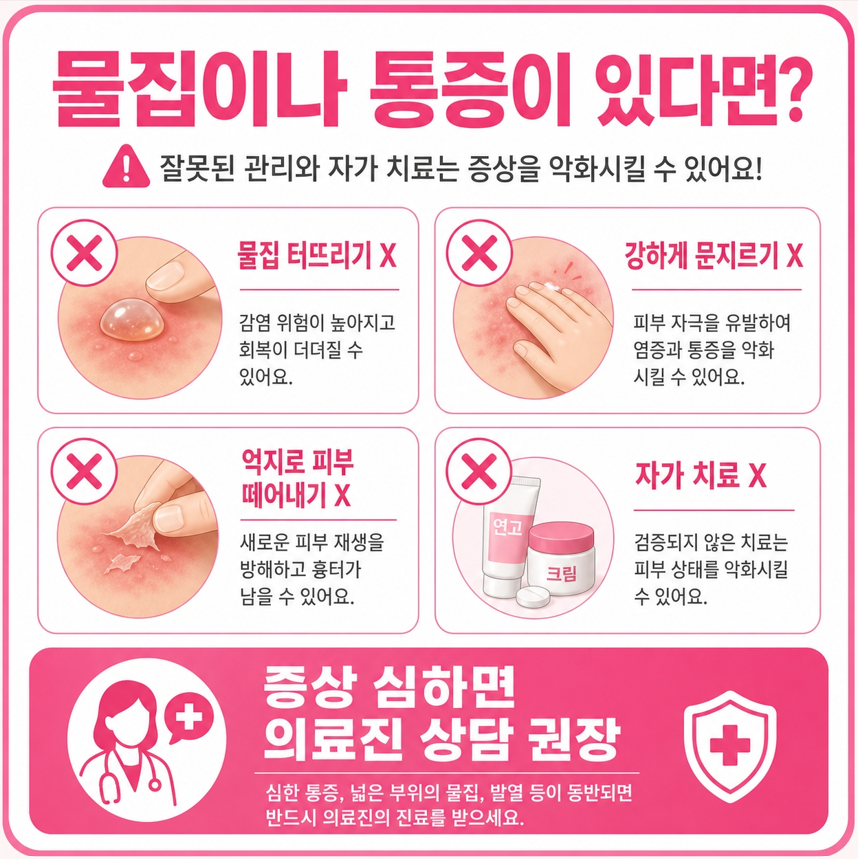
    Precautions
    ⚠ Don’t pop blisters yourself or rub the skin roughly
    ⚠ Forcibly peeling off flaking skin can raise the risk of infection
    ⚠ If you notice oozing or widespread redness, see a doctor

    If blisters form, pain is severe, there’s oozing,
    or a large area of skin is red, an accurate diagnosis should take priority over self-care.
    If symptoms don’t improve, be sure to consult a physician.


    How Do You Restore Your Skin Barrier and Prevent Elasticity Loss After Vacation?

    Many people jump straight into brightening treatments or exfoliation right after vacation.

    But at this stage, the skin barrier is often already compromised. Barrier repair should come first.

    sun damaged skin illustration 9

    When the skin barrier weakens, the following changes can occur alongside it.

    Key Points
    ✔ Increased water evaporation makes skin dry out more easily
    ✔ Skin can become more sensitive and reactive to irritants
    ✔ Redness may linger longer than usual
    ✔ Skin texture can become rougher and less refined

    sun damaged skin illustration 10

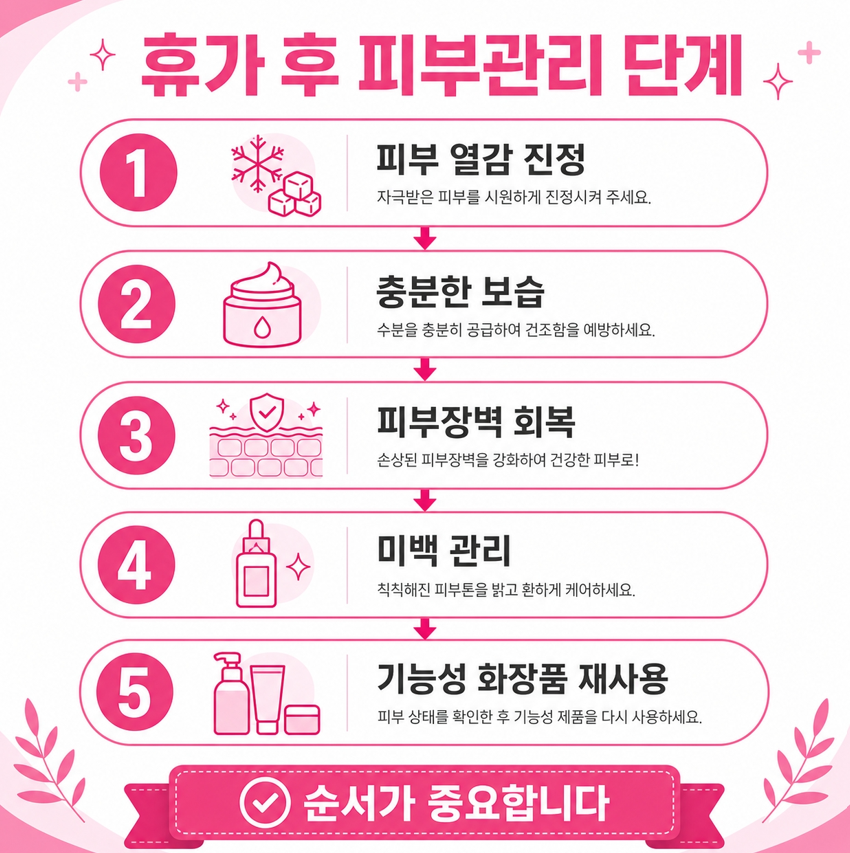
    That’s why following the right order matters for after-sun skincare.
    Step 1: soothe skin heat → Step 2: hydrate thoroughly → Step 3: repair the skin barrier → Step 4: address brightening → Step 5: reintroduce active/functional products.

    What to Expect With Proper Care
    🟢 Following this order can help redness and heat gradually calm down
    🟢 Skin hydration may be restored and texture can become smoother
    🟢 Brightening and functional products may cause less irritation afterward

    Why Does Skin Lose Elasticity, and How Can You Minimize It?

    Collagen and elastin play a key role in maintaining skin elasticity.
    Repeated exposure to strong UV rays can reduce collagen levels and accelerate its breakdown in the skin.
    As a result, skin can lose firmness and fine lines may become more noticeable.

    sun damaged skin illustration 11

    In fact, domestic research has reported UV-related collagen loss and increased wrinkling.
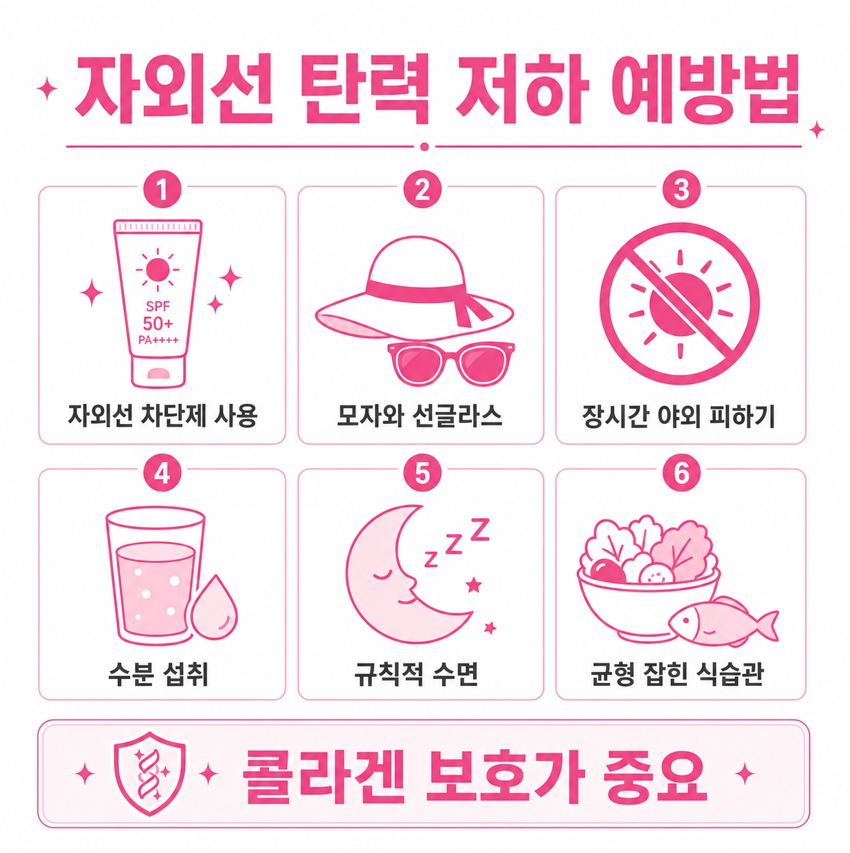
    To help minimize these changes, use sunscreen consistently and wear a hat and sunglasses.
    It also helps to avoid prolonged outdoor exposure and support your skin with adequate water intake, regular sleep, and a balanced diet.

    If you’d like to support skin elasticity from within,
    you can also check out the Atelofill Collagen Skin Research Institute homepage for more information on skin barrier and elasticity care.

    sun damaged skin illustration 12

    While skin is still red and warm, it’s best to avoid exfoliation, vigorous massage, and potentially irritating active products.
    Soothe and hydrate the skin first, then gradually reintroduce active products once it has recovered.


    sun damaged skin illustration 13

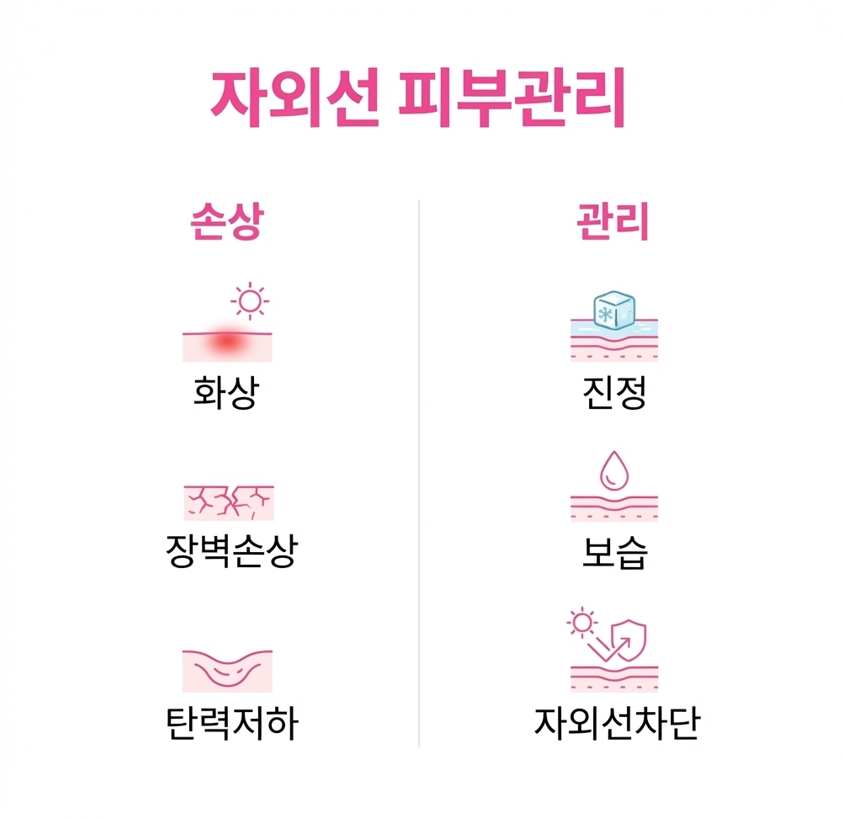
    Sun damaged skin can lead not only to sunburn but also to a weakened skin barrier and reduced elasticity.
    If your skin feels hot and stings after vacation, focus on cooling, soothing, and hydrating it first.
    Consistent sun protection and proper after-sun care can go a long way toward keeping your skin healthy.

    Frequently Asked Questions

    sun damaged skin illustration 14

    1. Can I exfoliate right after getting sun damaged skin?
    If your skin is red or stinging, it’s best to avoid exfoliation. Wait until the skin barrier has stabilized, then reassess before proceeding.

    2. My skin still feels hot after vacation — is that normal?
    If the heat lingers, or is accompanied by pain, blisters, or oozing, it may not be simple irritation, so it’s best to see a doctor.

    3. When can I start using brightening products after sun exposure?
    It’s generally recommended to wait until redness and heat have subsided and the skin barrier has recovered to some degree.

    4. Should I wear sunscreen even on cloudy days?
    A significant amount of UV radiation is known to pass through clouds, so wearing sunscreen even on overcast days can help prevent sun damaged skin.


    References

    · Korea Disease Control and Prevention Agency, “Sunburn,” National Health Information Portal. View source
    · Seoul National University Hospital, “Sunburn,” SNUH Medical Information. View source
    · Korean Journal of Food Science and Technology, “Preventive Effect of Collagen Peptides on Skin Photoaging,” Korean Society of Food Science and Technology, 2009. View source

    This article is intended for general health information purposes only and is not a substitute for individual diagnosis or treatment. If you have symptoms, please consult a physician.