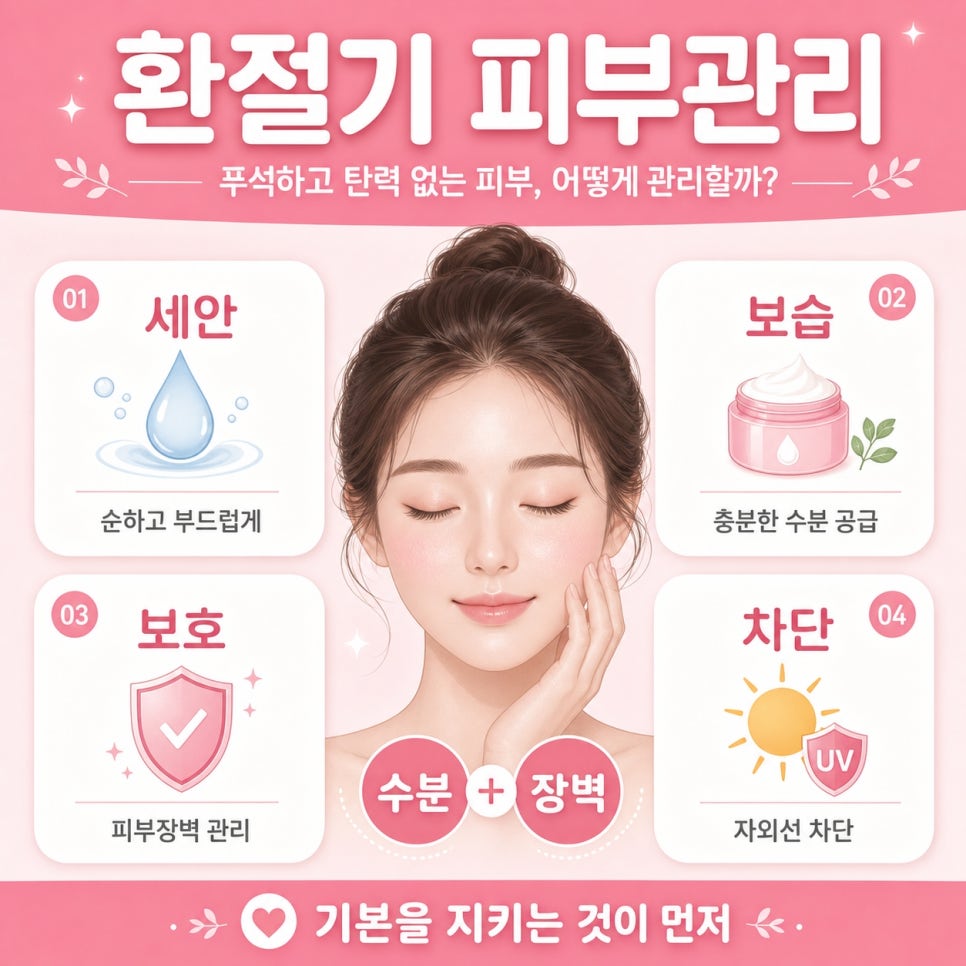
It’s unsettling when you cleanse your face the exact same way you always do, yet today your skin suddenly feels tight and your makeup starts to separate.
As the seasons change, shifting temperature and humidity can make a fall skincare routine feel especially tricky.
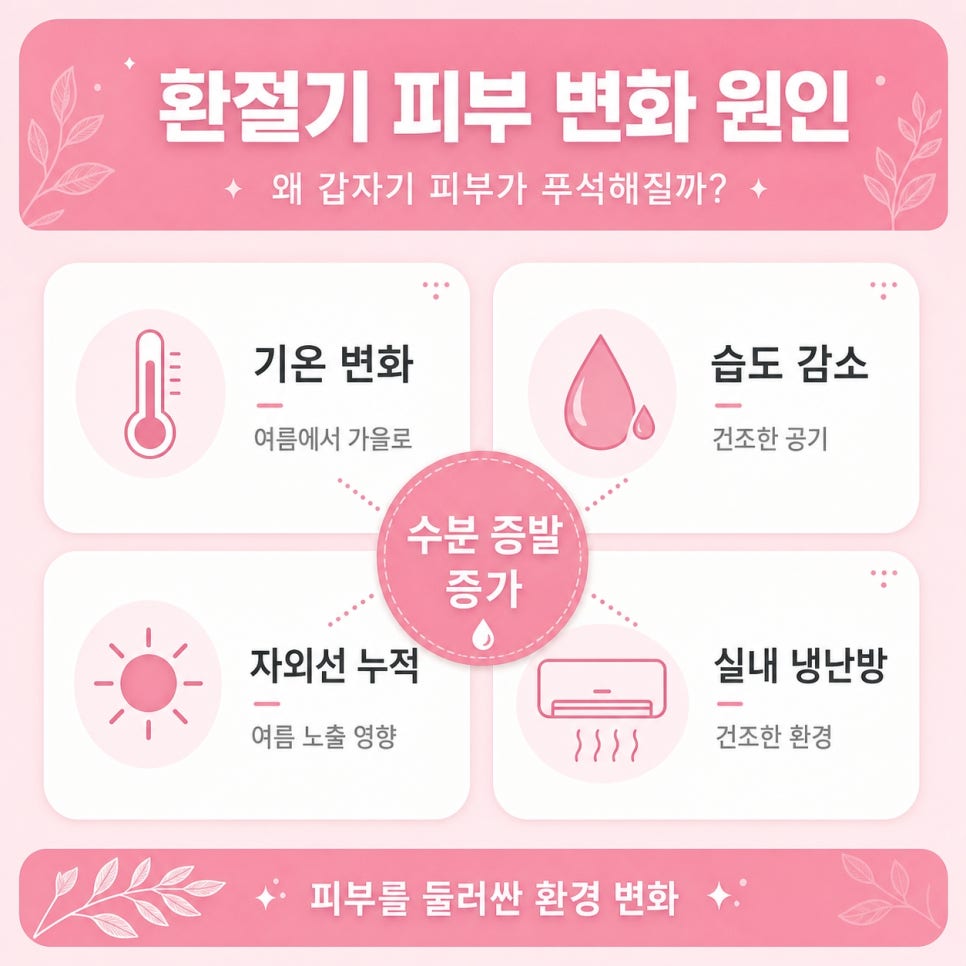
Summer sun exposure combined with drier autumn air
can lead to both moisture loss and a weakened skin barrier at the same time.
This article walks through why skin feels dry and dull during seasonal transitions, how to build a cleansing and moisturizing routine, how to approach elasticity care, and what to look for when choosing products.
We’ll also look at why the basics — gentle cleansing, adequate moisturizing, and sun protection — matter more than aggressive exfoliation.

Why Does Skin Feel Dry and Tight During Seasonal Transitions?
The short answer: changes in temperature and humidity, combined with UV exposure accumulated over the summer, make it easier for skin moisture to evaporate.
Fall skincare means stabilizing skin moisture and barrier function that get thrown off balance as the seasons change.

As summer gives way to fall, drier outdoor air can make it easier for moisture to evaporate from the skin’s surface.
Indoor heating and air conditioning can also contribute to dryness.
On top of that, UV exposure accumulated over the summer adds another layer to the problem.
UV exposure is a widely documented external factor linked to skin aging, and some research suggests that repeated, long-term exposure may affect the collagen structure in the dermis.
✔ Seasonal skin trouble isn’t just about “not using enough moisturizer”
✔ Dry conditions plus accumulated UV exposure can work together to weaken the skin barrier
✔ Identifying the underlying cause helps you decide where to focus — moisture, barrier repair, or elasticity
Signs That Your Skin Barrier May Be Weakened
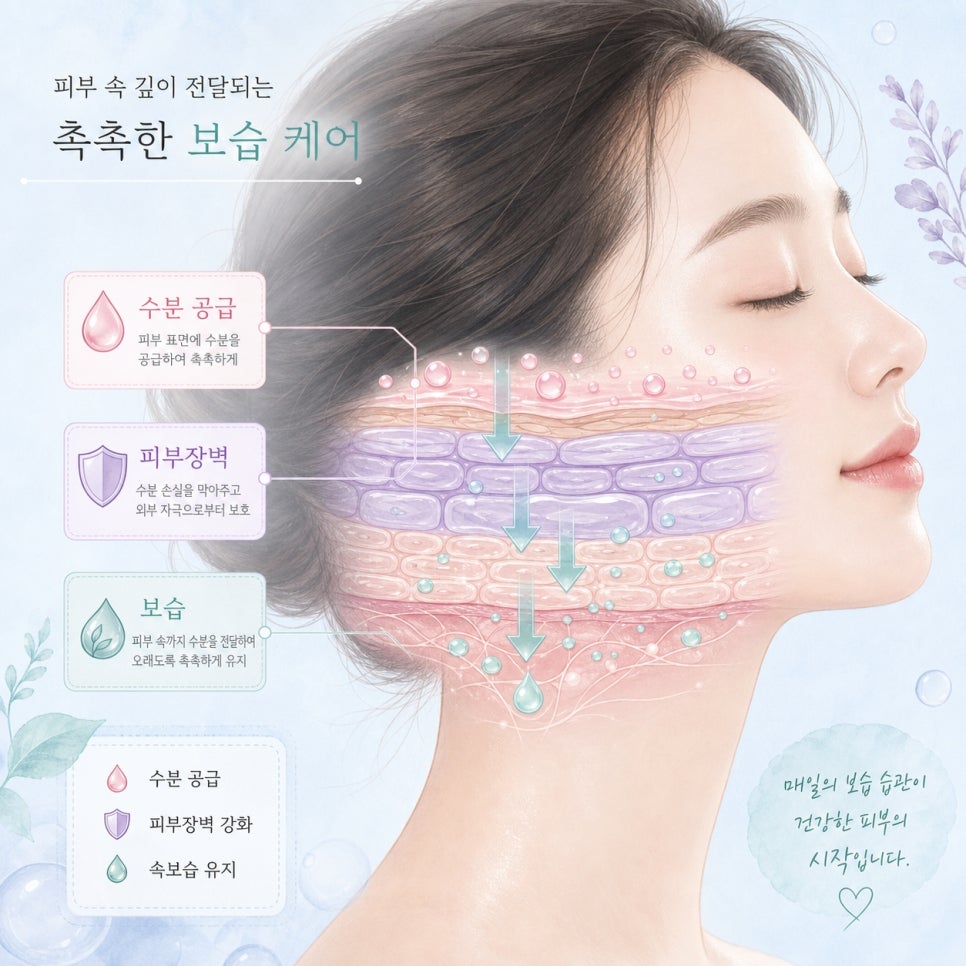
The outermost layer of skin, the stratum corneum, helps block external irritants and prevent excessive moisture loss.
When this balance is disrupted, you may notice changes like the following.
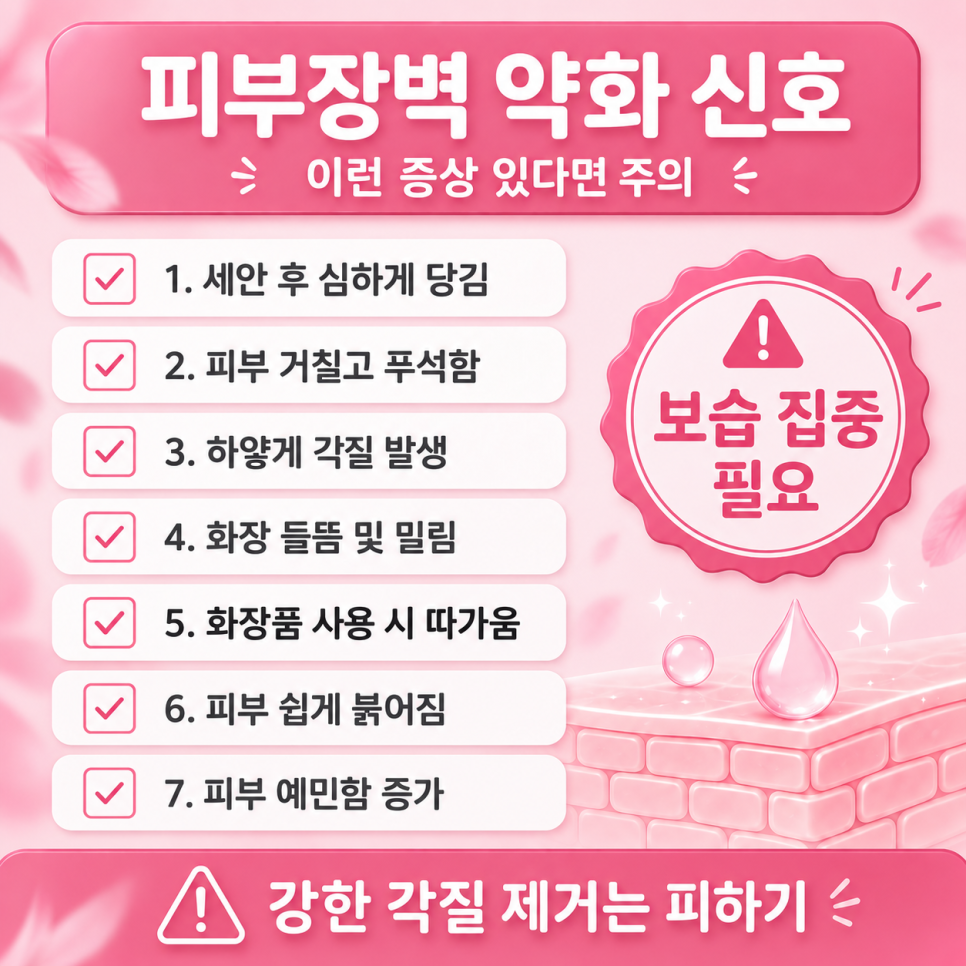
✅ Your face feels noticeably tight after cleansing
✅ Skin feels rougher and duller than usual
✅ White flakes appear on the skin
✅ Makeup separates or rubs off easily
✅ Products you normally use start to sting
✅ Skin flushes easily and feels more sensitive
If several of these signs apply to you, it’s best to hold off on adding several functional products at once
and focus first on reducing irritation and moisturizing.
Repeatedly scrubbing or exfoliating rough-feeling skin can actually add more irritation.
Fall Skincare Routine: Cleansing and Moisturizing Tips for the Skin Barrier
The first step of a fall skincare routine isn’t a product — it’s how you cleanse.
Washing with water that’s too hot for too long, or repeatedly using a harsh cleanser, can strip away too much of the skin’s natural surface oils.
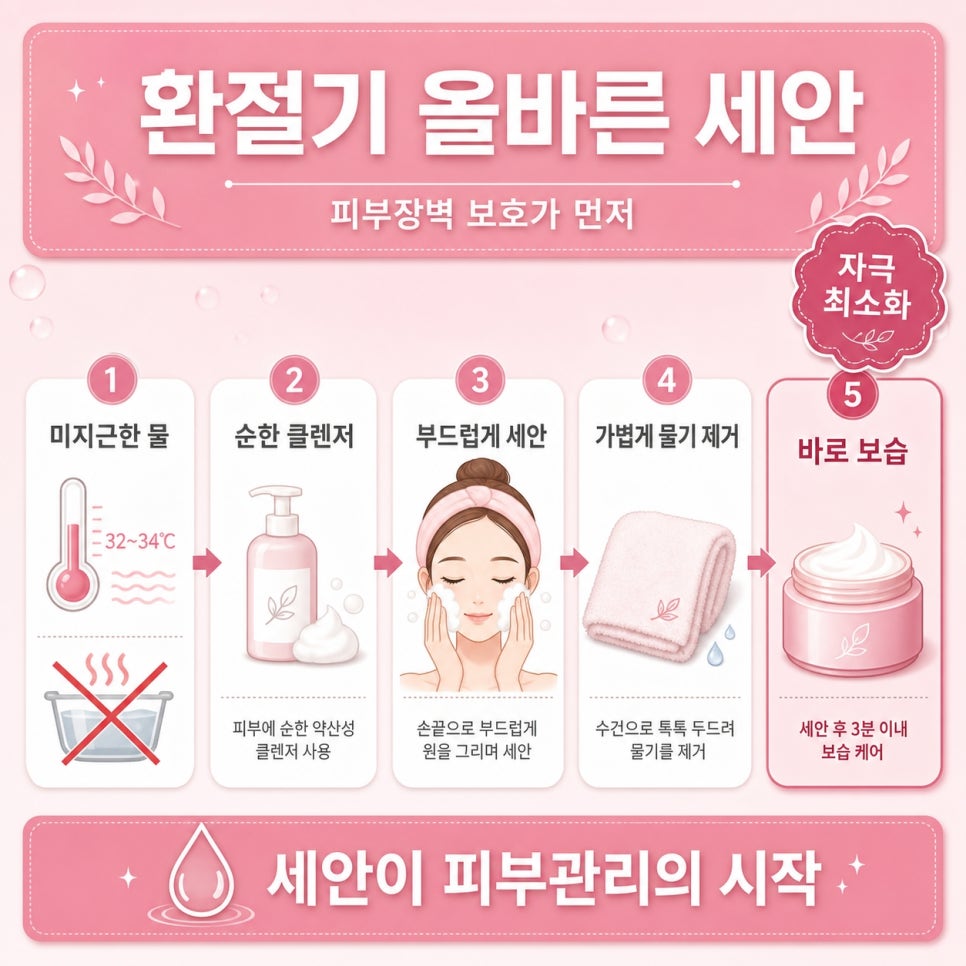
- Start with lukewarm water
- Use a gentle cleanser
- Cleanse briefly and gently (avoid rubbing)
- Pat dry gently with a towel
- Moisturize right away so skin doesn’t stay dry
What matters for moisturizing during seasonal transitions isn’t applying more product —
it’s building a routine that replenishes moisture and reduces water loss in a way that fits your skin’s condition.
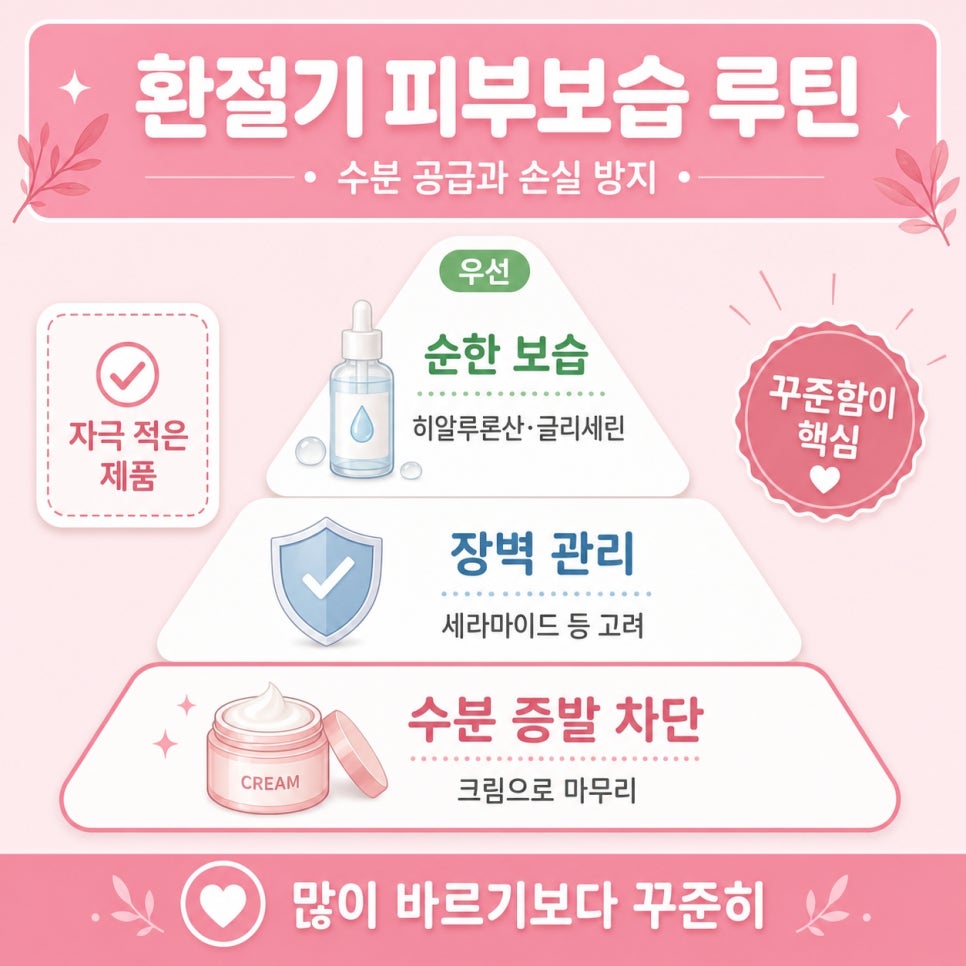
| Ingredient Type | Common Ingredients | Role |
|---|---|---|
| Humectants | Glycerin, hyaluronic acid | Draw in and retain moisture within the skin |
| Barrier-supporting ingredients | Ceramides | Help reinforce the lipid structure of the stratum corneum to reduce moisture loss |
| Occlusives | Cream and oil-based ingredients | Physically limit moisture evaporation |
If your skin has become sensitive, it’s better to avoid adding several new high-potency products at once.
Remember: the goal isn’t to “apply more” — it’s to reduce irritation while keeping moisture consistent.
If Dryness Comes With Loss of Elasticity, Is Moisturizing Enough?
The short answer: not on its own. Skin elasticity refers to the skin’s structural strength, supported by components like collagen and elastin in the dermis, and it’s influenced by different factors than moisture is.
When skin gets drier during seasonal transitions, fine lines and uneven texture can look more noticeable than usual.
But collagen and elastin production — and their structure — also change with age,
and external factors like UV exposure affect skin aging as well.
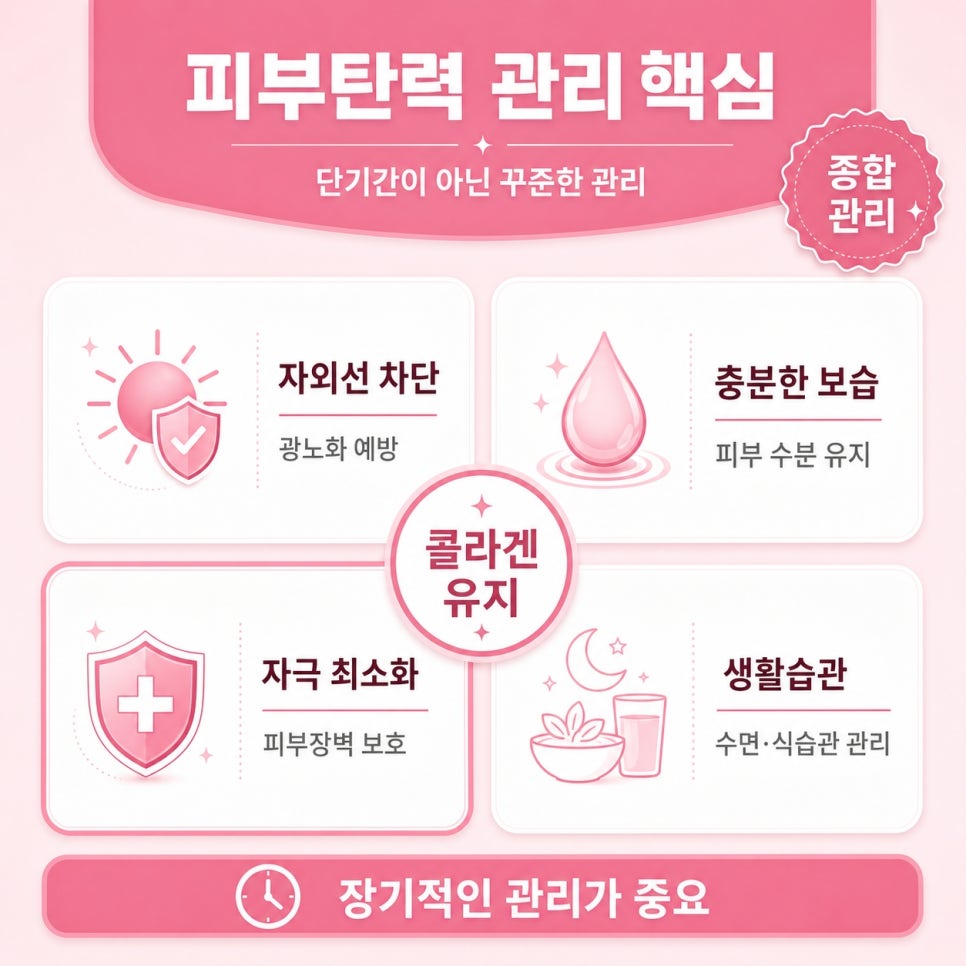
That’s why elasticity care generally isn’t about relying on one specific product,
but about consistently combining sun protection, adequate moisturizing, minimizing irritation, and healthy lifestyle habits.
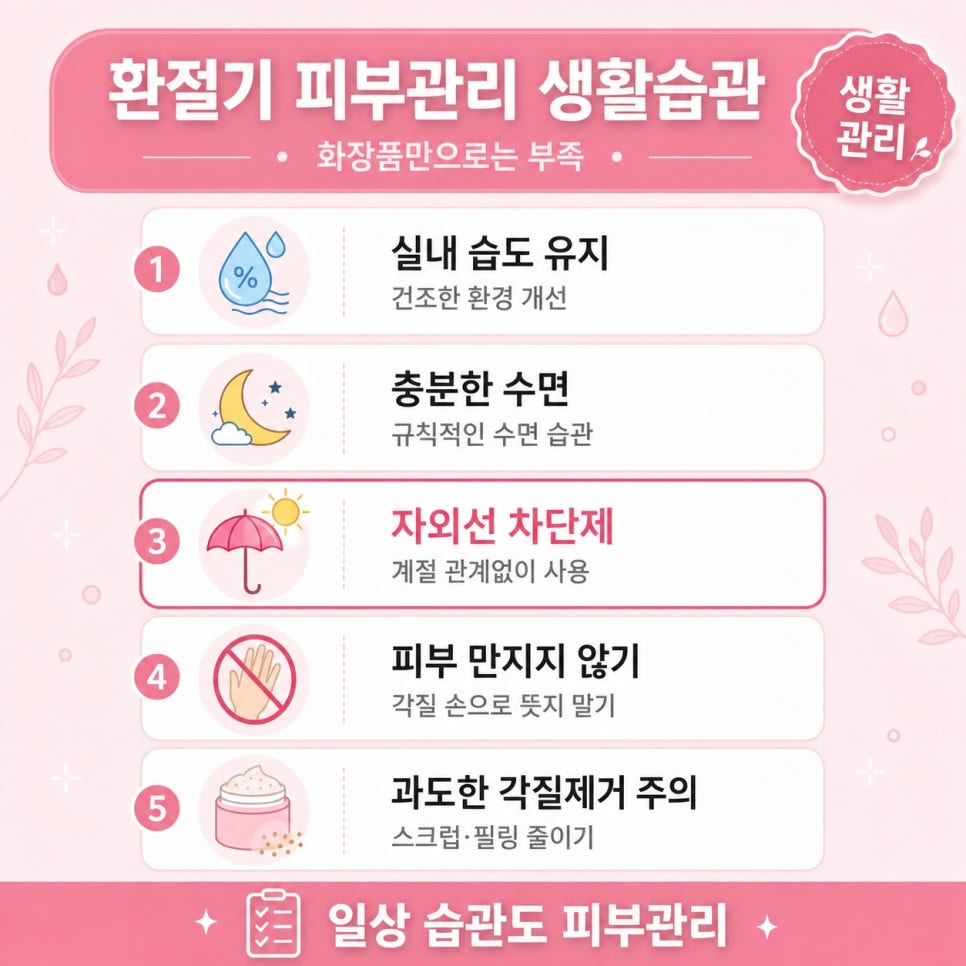
✅ Check that indoor humidity isn’t too low
✅ Get enough sleep
✅ Apply sunscreen consistently, regardless of season
✅ Avoid picking at flaky skin or touching your face frequently
✅ Cut back on excessive scrubbing or exfoliating
Temporary dullness caused by dryness may improve with adjustments to your cleansing and moisturizing routine, though results can vary.
However, structural loss of elasticity related to aging can stem from different causes, so it’s worth approaching each one separately.
How Do You Choose the Right Fall Skincare Products?
The basic approach to choosing fall skincare products is to identify your specific concern first, then narrow down the product category that addresses it.
Switching out everything at once — toner, ampoule, serum, and cream — can actually be too much for skin that’s already sensitive.
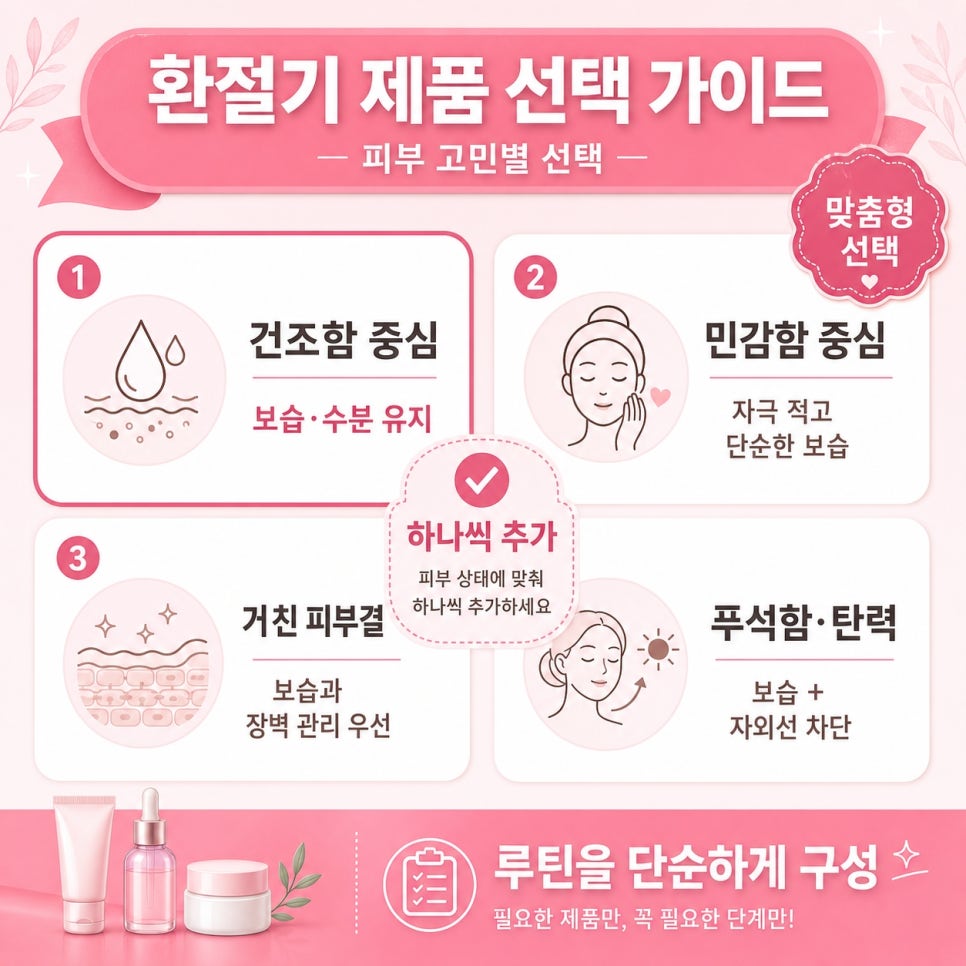
| Concern | Suggested Approach |
|---|---|
| Dryness is the main concern | Focus on moisturizing and hydration-retaining products |
| Stinging or sensitivity after cleansing | A simple, low-irritation moisturizing routine |
| Flaking or rough texture | Focus on moisture and barrier care rather than aggressive exfoliation |
| Dullness plus loss of elasticity | Combine moisturizing, sun protection, and long-term elasticity care |
No single ingredient works the same way for every skin type.
Introduce new products one at a time and watch how your skin responds,
and stop use if redness, itching, or stinging persists.
If you’d like to learn more about skin elasticity, you can find related information on the Atelofill Collagen Skin Research Lab homepage.
Frequently Asked Questions
1. Why does my skin suddenly get dry every time the seasons change?
Changes in temperature and humidity, along with dry indoor and outdoor conditions, can increase moisture loss. UV exposure and improper cleansing habits can also add to the effect.
2. If my skin looks dull, should I start with exfoliation?
Not necessarily. If your skin barrier is already sensitive, aggressive exfoliation can make irritation worse. It’s better to focus first on moisturizing and minimizing irritation, then monitor how your skin responds.
3. Should I still wear sunscreen during seasonal transitions?
Yes. UV exposure happens year-round and can contribute to photoaging, so it’s best to keep applying sunscreen whenever you go outside, regardless of season.
4. Is moisturizing alone enough for elasticity care?
Moisturizing is important for reducing dryness and maintaining overall skin condition, but elasticity is affected by multiple factors, including aging, UV exposure, and changes in skin structure. It’s best to combine moisturizing with sun protection and healthy lifestyle habits.
5. Is it okay to switch out all my skincare products at once for fall?
This isn’t recommended. During periods when skin is more sensitive, it’s safer to simplify your routine and introduce new products one at a time while checking how your skin reacts.
References
· Kim, J.G., et al., “Preventive Effects of Collagen Peptide on Skin Photoaging,” Korean Journal of Food Science and Technology 41(4), 2009. View source
· Kwon, M.S. & Choi, T.B., “Effects of Ceramide on Skin Barrier Function,” Asian Journal of Beauty and Cosmetology. View source
This article is provided for general health information purposes only and is not a substitute for individual diagnosis or treatment. If you’re experiencing symptoms, please consult a dermatologist or other qualified healthcare professional.