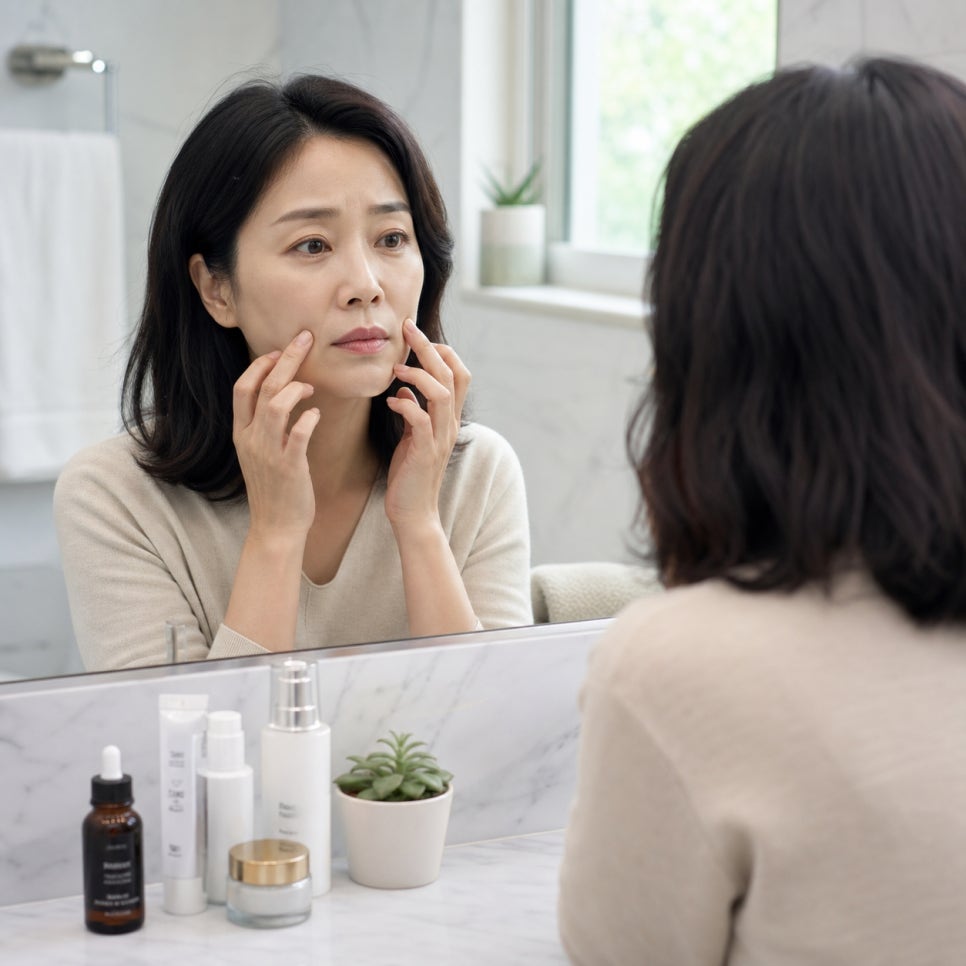
Do you find yourself noticing the nasolabial folds running from beside your nose to the corners of your mouth every time you look in the mirror?
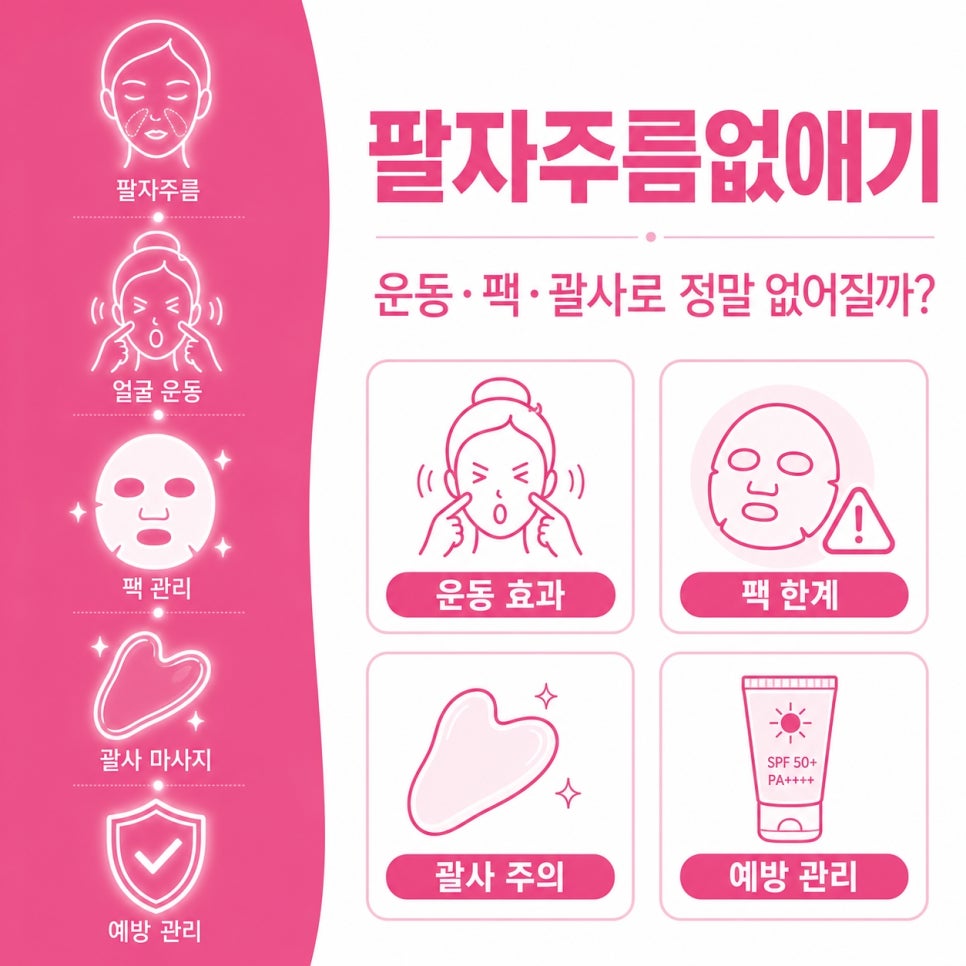
Many people have tried all kinds of ways to get rid of nasolabial folds, from the classic spoon-in-mouth exercise to sheet masks and gua sha massage.
But can self-care methods like these really make folds that have already formed disappear?
The short answer: exercise, masks, and gua sha alone are unlikely to fully get rid of nasolabial folds.
This article covers why nasolabial folds form, the real effects and limits of exercise, masks, and gua sha, and realistic at-home care methods you can put into practice.
✔ Nasolabial folds result from a combination of factors, including reduced skin elasticity, collagen loss, and changes in facial volume
✔ Exercise, masks, and gua sha can help manage overall skin condition, but they’re unlikely to eliminate folds that have already deepened
✔ Excessive massage or facial exercises can actually irritate the skin
Why Do Nasolabial Folds Form?
The short answer: nasolabial folds aren’t simply creases caused by skin folding over.
Nasolabial folds are lines that become more visible as the skin and soft tissue running from beside the nostrils to the corners of the mouth begin to sag.
As we age, collagen and elastin in the skin decrease and elasticity drops, which makes it easier for skin creases to leave a lasting mark.
On top of that, shifts in facial fat and soft tissue position, midface sagging, and changes in bone structure can make the nasolabial area look even deeper.
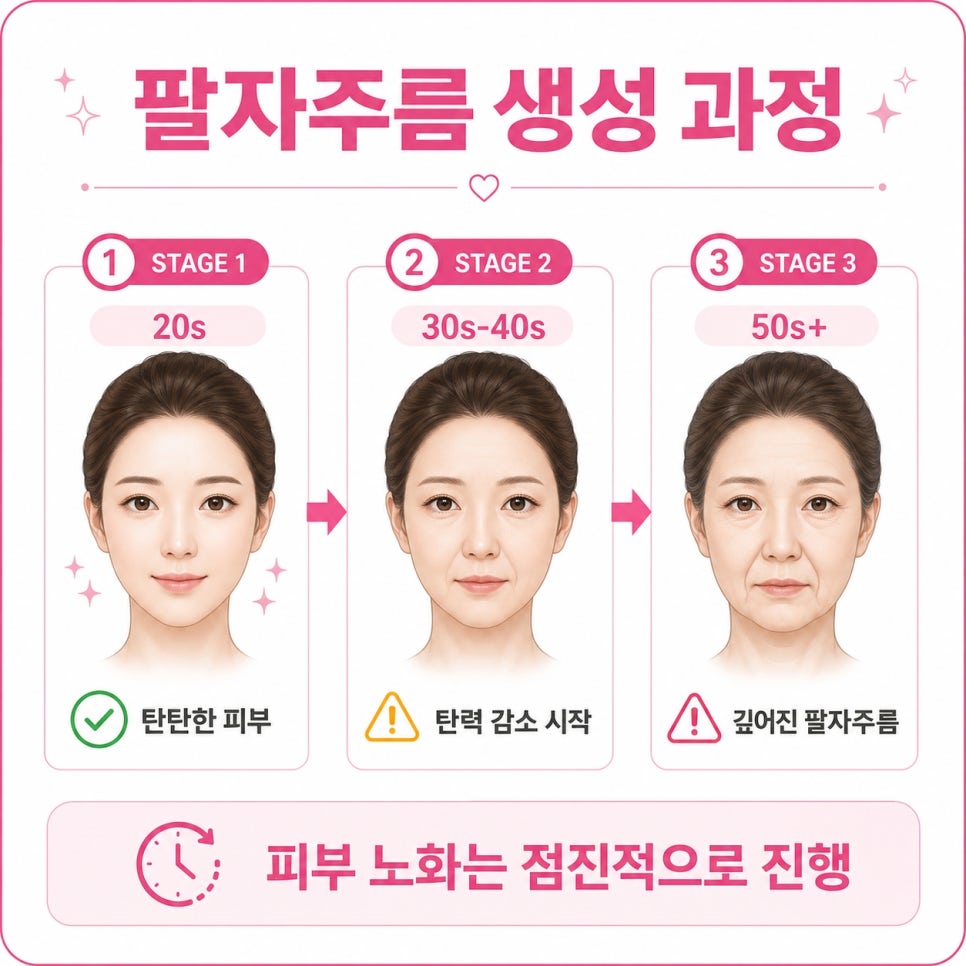
The main causes of nasolabial folds include:
- Skin aging and reduced elasticity
- Collagen and elastin loss
- Changes in facial volume and fat distribution
- Midface tissue sagging
- Repetitive facial expression habits
- Photoaging from UV exposure
- Rapid weight loss
- Individual facial bone structure and genetic factors
So if you’re looking into how to get rid of nasolabial folds, it helps to first understand what’s causing your folds to look deeper, rather than jumping straight to tightening the skin.
Can You Get Rid of Nasolabial Folds With Exercise Alone?

The short answer: facial exercises alone are unlikely to reverse nasolabial folds that have already deepened.
Common methods include puffing out your cheeks, puckering your lips, and exaggeratedly mouthing “A-E-I-O-U.”
Moving your facial muscles isn’t inherently bad — working muscles you don’t normally use can even create a temporary tightening sensation.
But nasolabial folds aren’t caused by muscle weakness alone,
so once skin elasticity and volume have already declined, exercise alone is unlikely to restore your skin to how it was before.
In fact, puckering the mouth area too tightly or repeating the same expression over and over can cause the skin to keep folding in the same spot, leading to cumulative irritation.
⚠ Repeating strong mouth-puckering exercises for long periods in an effort to get rid of nasolabial folds can actually make skin irritation worse
⚠ It’s safer to keep facial exercises light and gentle
Do Sheet Masks and Gua Sha Really Help With Nasolabial Folds?
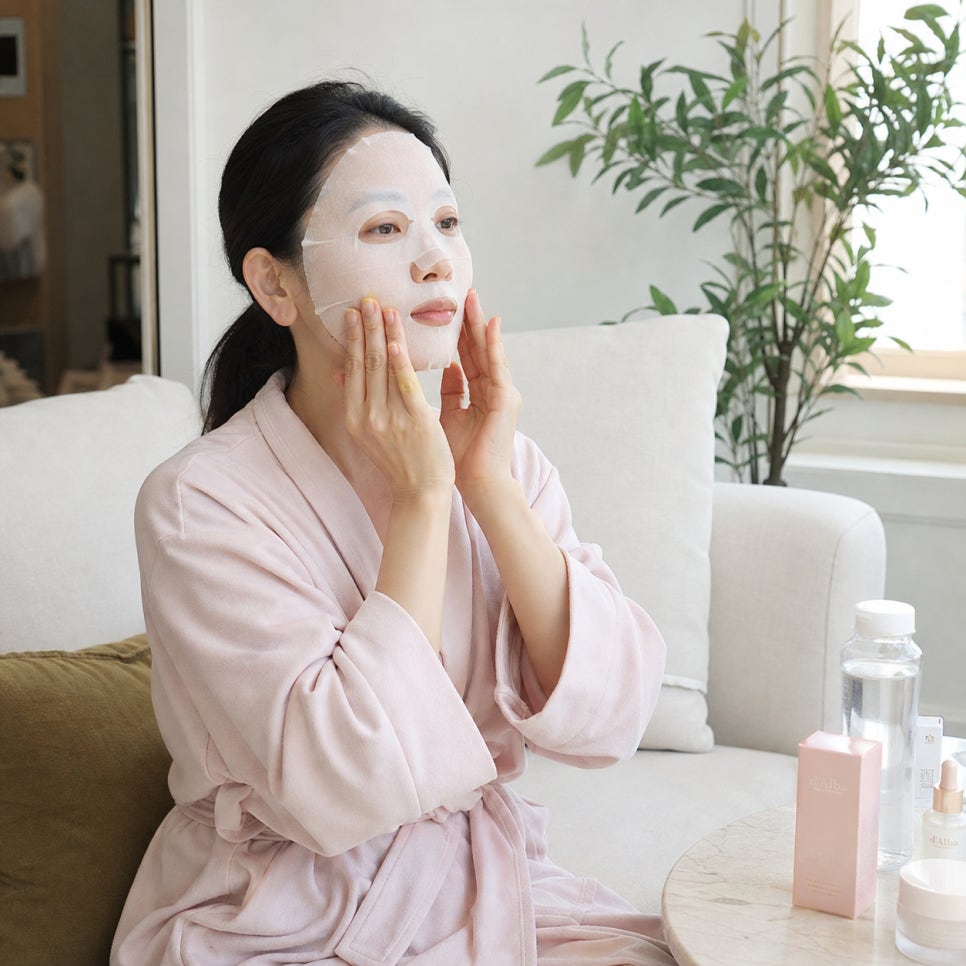
The short answer: masks and gua sha are best thought of as hydration and skin-condition care, not as ways to eliminate the folds themselves.
Sheet masks are a hydrating skin care method that supplies moisture to the skin, temporarily softening the look of fine lines caused by dryness.

When skin is dry, the surface becomes rougher and fine lines look more pronounced,
while adequate hydration can make the skin look noticeably smoother.
However, a mask can’t reverse deeper volume loss or sagging happening beneath the surface.
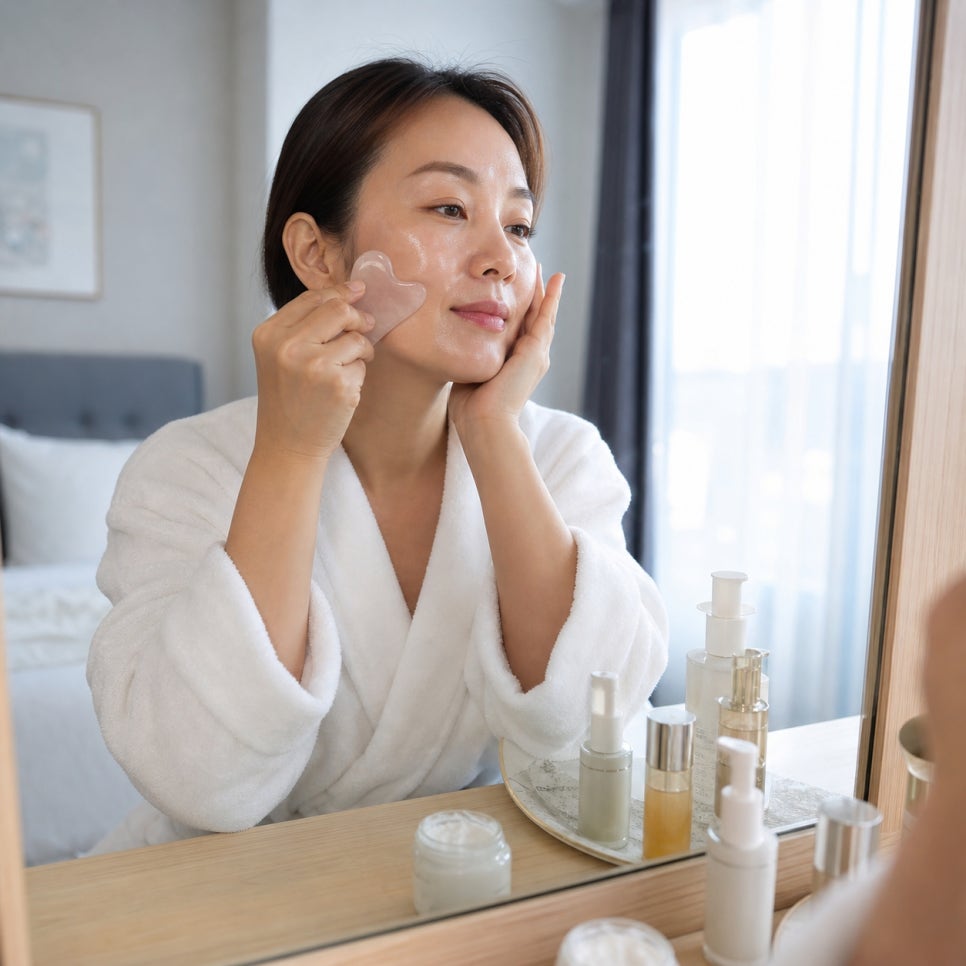
Gua sha works the same way.
Gua sha or gentle massage can be useful for managing facial puffiness and tension,
and right after a session your facial contour may look more defined, making nasolabial folds seem temporarily less visible.
But this kind of change is unlikely to reflect an actual change in the skin’s underlying structure.
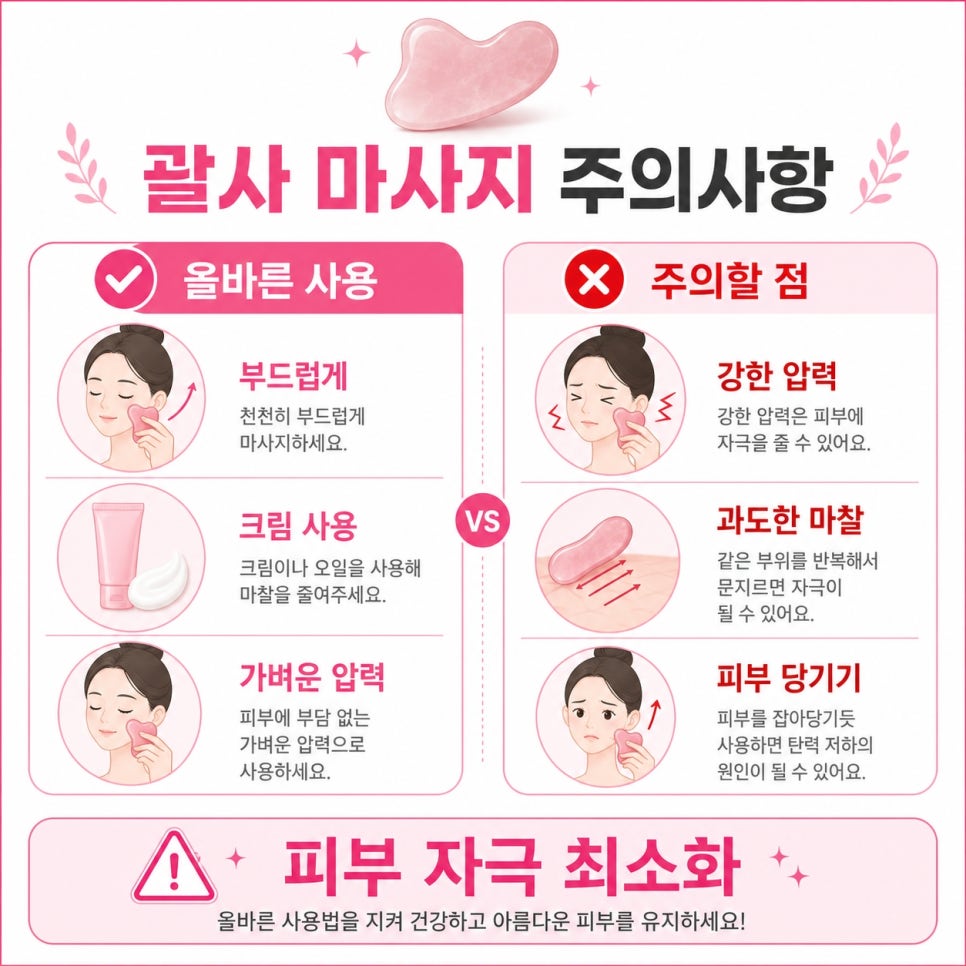
Be especially careful about pressing hard or repeatedly pulling at the skin in an effort to get rid of nasolabial folds.
Excessive pressure and friction can cause irritation, redness, and sensitivity.
If you use a gua sha tool, it’s better to reduce friction with a cream or oil and work gently rather than scraping hard,
and you should avoid vigorous massage if your skin already has breakouts or inflammation.
What At-Home Care Can Help Manage Nasolabial Folds?
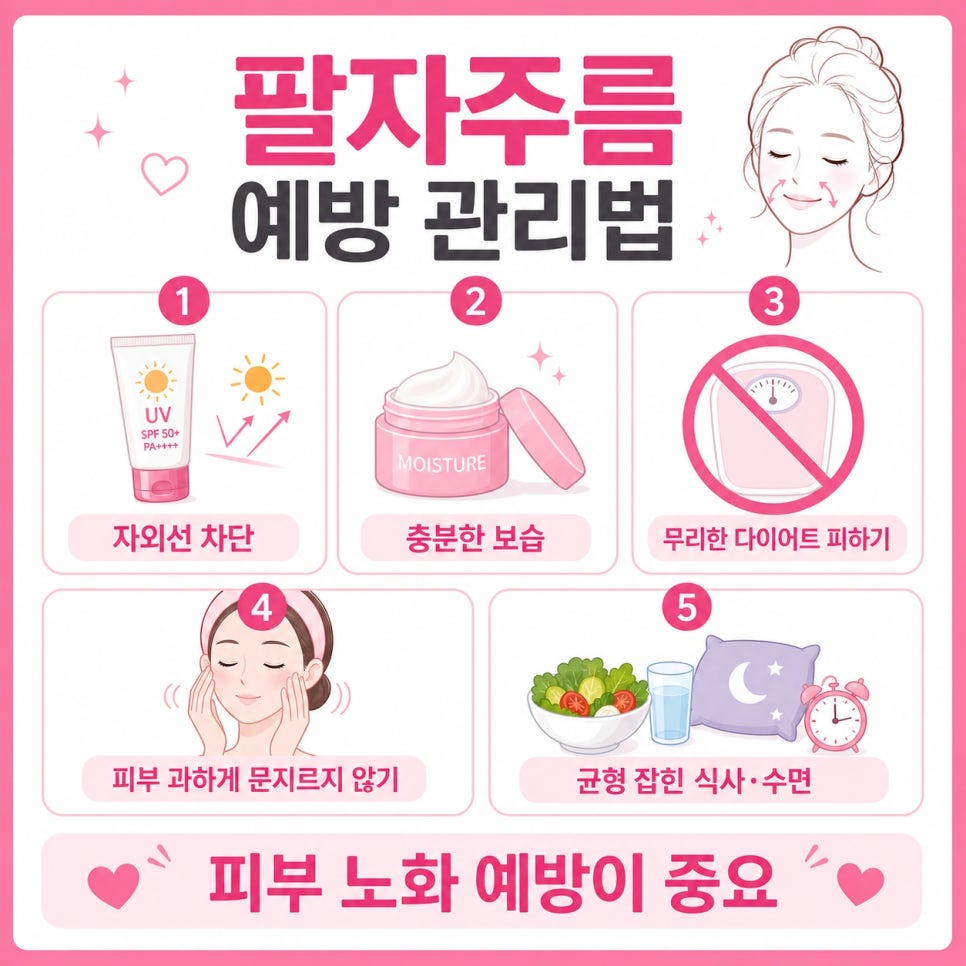
You can’t get rid of nasolabial folds overnight, but lifestyle habits that slow down further deepening are genuinely worthwhile.
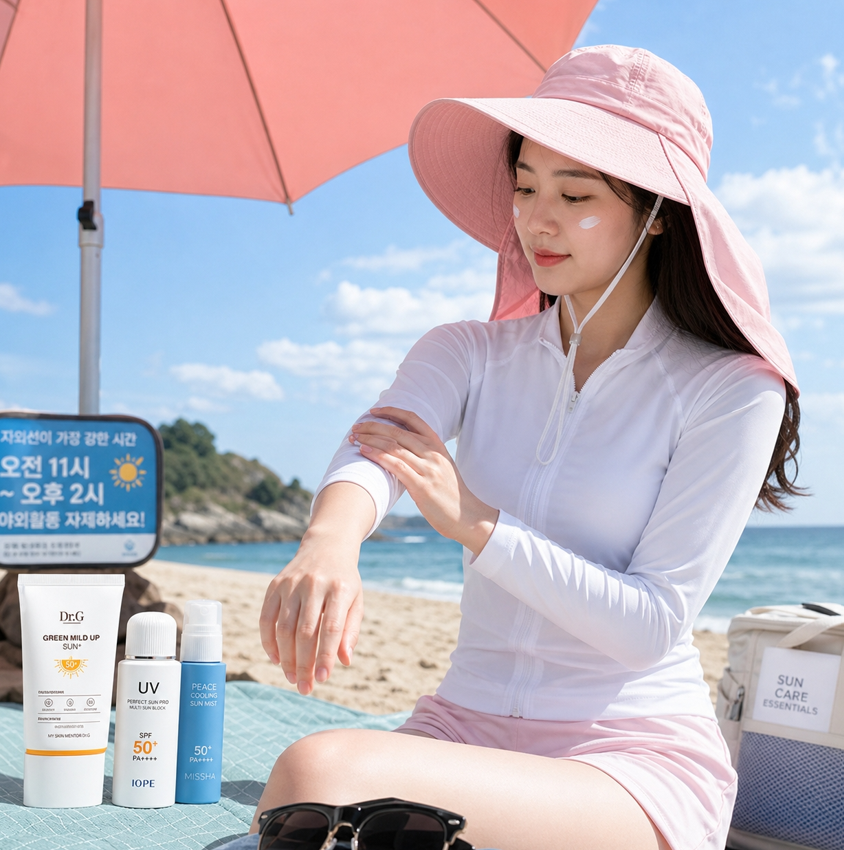
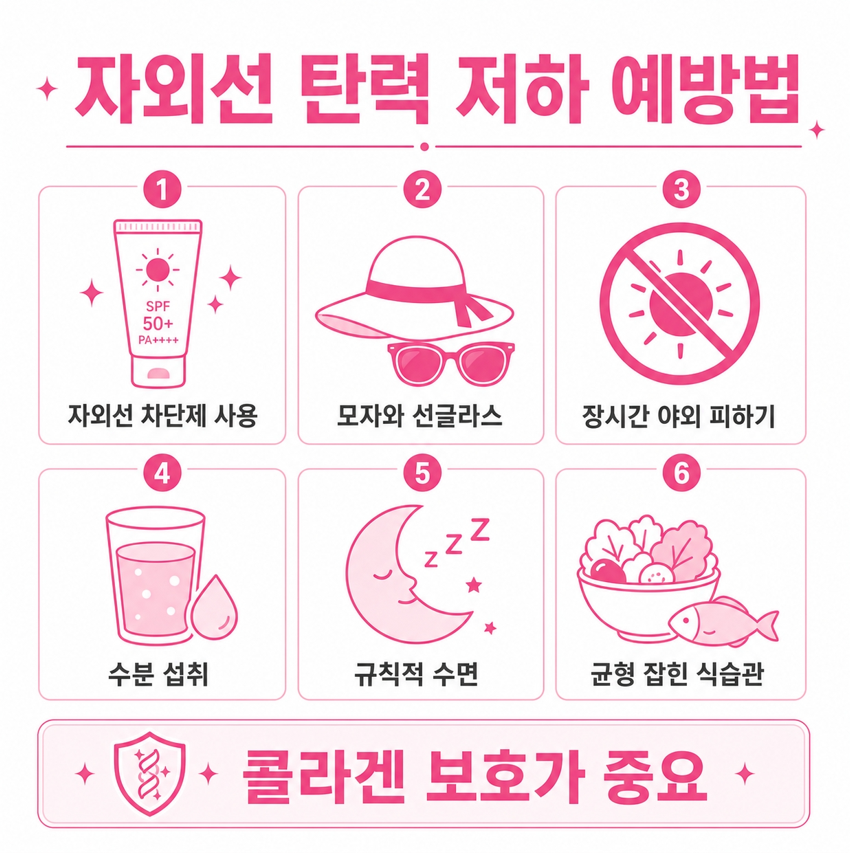
✅ Apply sunscreen before going outside year-round, and reapply during outdoor activities
✅ Moisturize right after cleansing, before skin has a chance to dry out, to balance hydration and oil
✅ Manage weight gradually instead of crash dieting
✅ Avoid rubbing or pulling the skin hard while cleansing or massaging
✅ Eat a balanced diet with protein, vitamins, and minerals, and get enough sleep
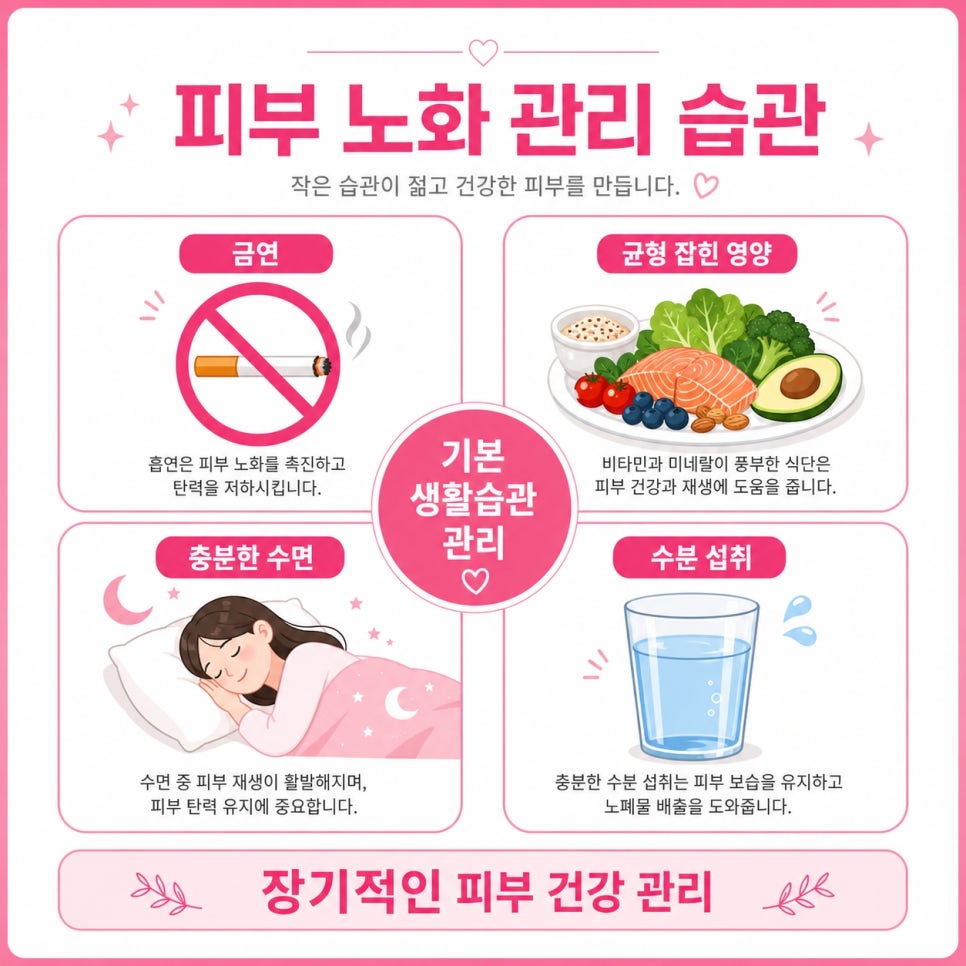
Of these, UV exposure is considered one of the leading causes of aging, breaking down collagen and elastic fibers in the skin.
And when weight drops significantly over a short period, facial subcutaneous fat and volume decrease along with it,
which can make nasolabial folds or cheek hollowing look more pronounced than before — so it’s best to avoid rapid weight loss.
If you’d like more information on managing your skin’s collagen condition, you can also check the Atelofill Collagen Skin Research Institute homepage.
What If Nasolabial Folds Don’t Change Despite Exercise, Masks, and Gua Sha?
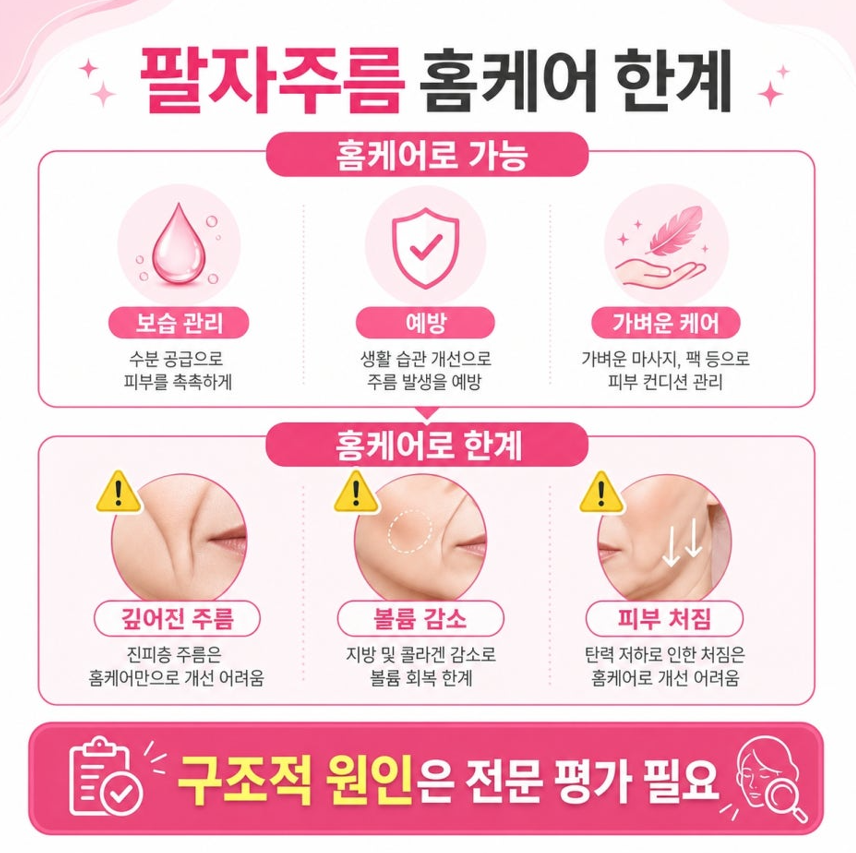
It’s not unusual to see little to no change even after consistently doing nasolabial fold exercises, masks, or gua sha.
That’s because nasolabial folds aren’t just a surface-level skin issue — reduced elasticity, volume loss, and shifts in tissue position all play a role together.
The underlying causes also vary from person to person.
For some, thin, less elastic skin makes the folds stand out; for others, reduced facial volume or bone structure can make them noticeable from a relatively young age.
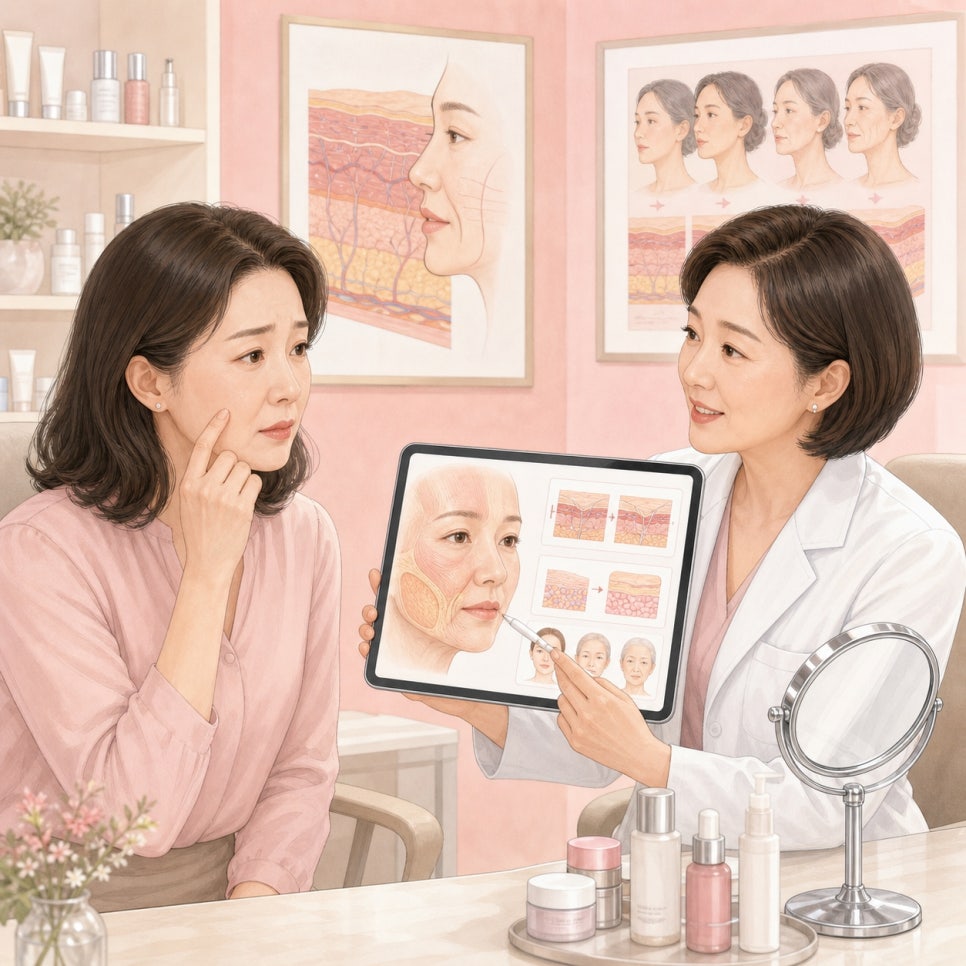
✔ Sun protection, moisturizing, and healthy habits are the basics of managing skin aging
✔ Masks and gentle massage can be used as supplementary condition-care tools
✔ For folds that have already deepened, it’s important to take an approach suited to your current skin condition and its underlying causes
Frequently Asked Questions
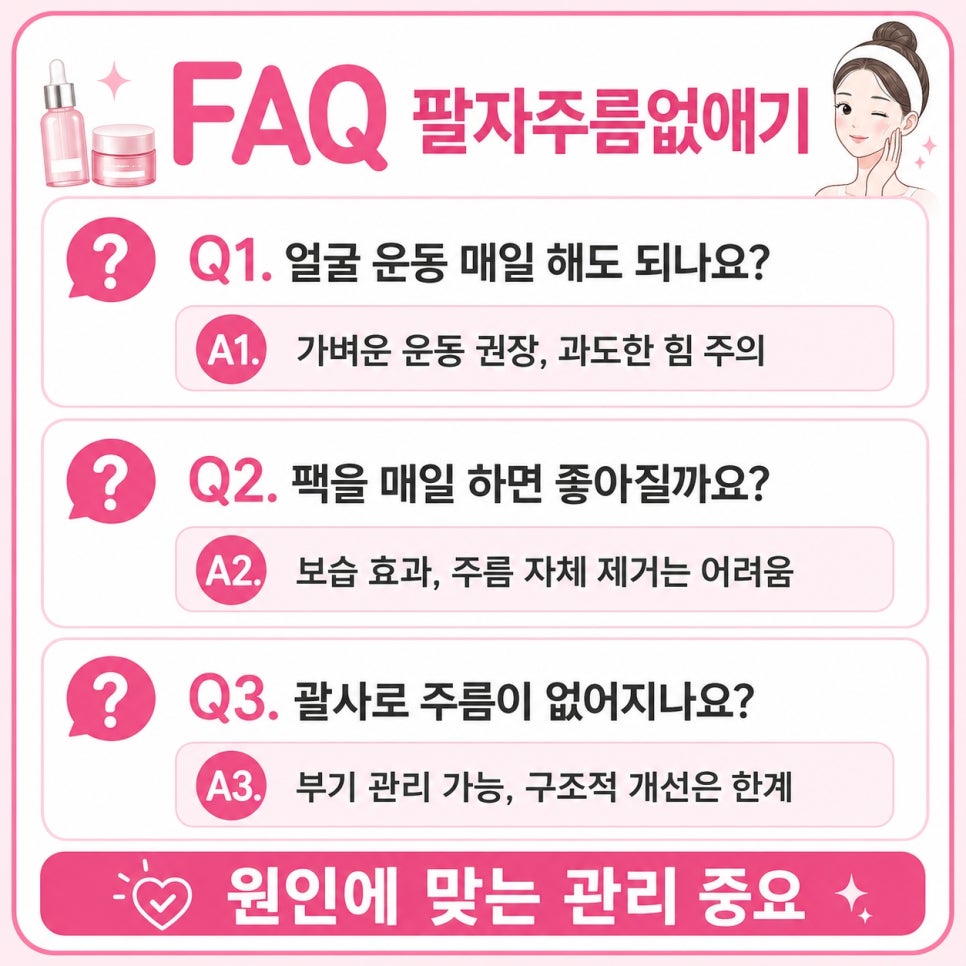
1. Is it okay to do nasolabial fold exercises every day?
Light facial exercises are fine, but exercises that repeatedly fold the skin forcefully or put excessive strain around the mouth in an attempt to erase folds aren’t recommended. Moving your facial muscles naturally and gently is enough.
2. Will using a sheet mask every day improve nasolabial folds?
Masks can help with hydration and skin condition, but that’s different from actually getting rid of folds that have already deepened. Recommended usage frequency varies by product, so it’s a good idea to check the label.
3. Will continuously pushing up on nasolabial folds with gua sha make them go away?
Right after gua sha, puffiness may go down and your facial contour may look more defined, but this isn’t considered a way to address the structural causes of nasolabial folds. Strong pressure and repeated friction can actually irritate the skin, so caution is needed.
4. Can nasolabial folds appear even at a young age?
Yes, they can. Factors like reduced facial volume, bone structure, or rapid weight changes can make the nasolabial area noticeable even in relatively young people.
References
· Miju Joongang Daily, “The Secret to Looking Youthful Is Collagen… Down 1% a Year After Age 25,” Miju Joongang Daily. Read more
· Hidoc, “3 Causes That Break Down the Collagen That Supports Skin Elasticity,” Hidoc. Read more
· KorMedi, “‘My Face Suddenly Looked Older After Losing Weight’… What’s This Dieting Side Effect That Accelerates Aging?,” KorMedi, 2026. Read more
· Korea Health Log, “Gua Sha Facial Massage: The Real Reason Dermatologists Don’t Recommend It,” Korea Health Log. Read more
This article is intended for general health information purposes only and is not a substitute for individual diagnosis or treatment. If you have symptoms, please consult a medical professional.