Tag: Moisturizing

  • Flaky Skin on Legs: A 4-Step Moisturizing Routine for Fall and Winter Dryness

    Flaky Skin on Legs: A 4-Step Moisturizing Routine for Fall and Winter Dryness

    SummaryFlaky skin on legs is common in fall and winter, but before scrubbing it away, it helps to understand what’s causing it. Here’s a step-by-step leg skin care routine by severity, plus a comparison of urea, lactic acid, and AHA.

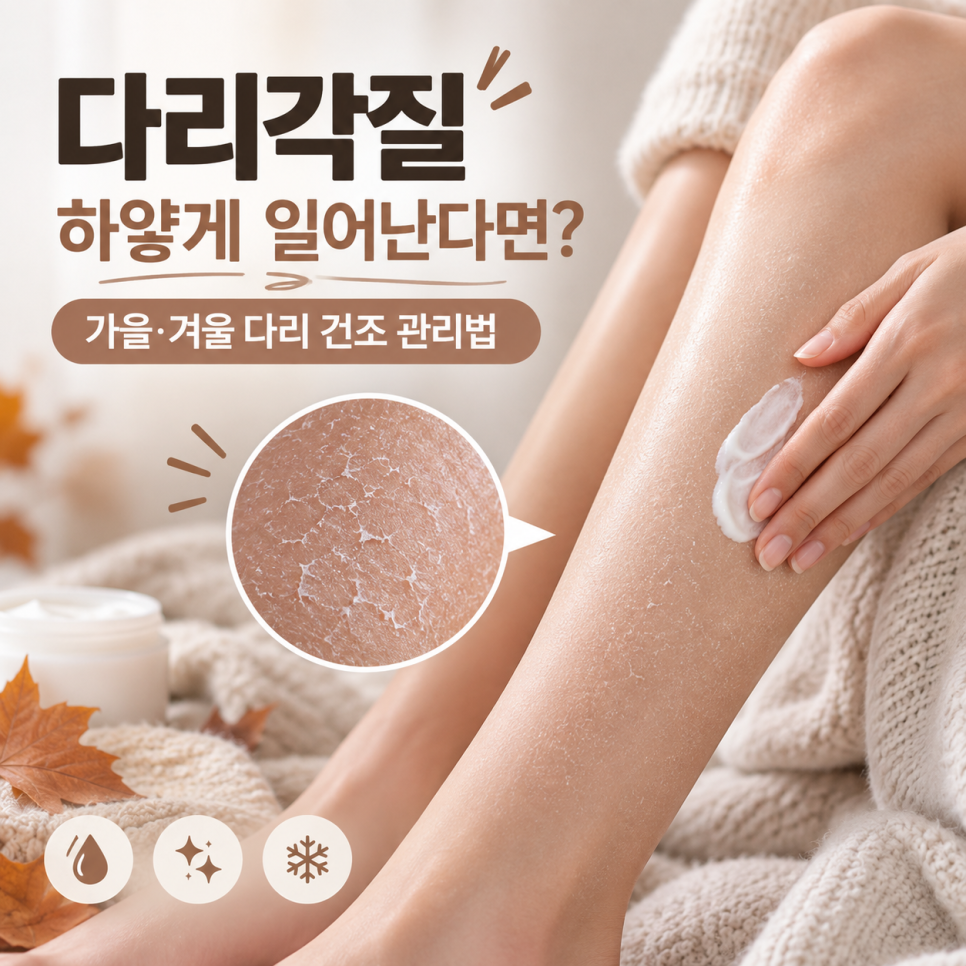
    You’ve probably pulled on tights or leggings and watched white flakes drift off your shins.

    It’s tempting to reach for a body scrub right away, but caring for flaky skin on legs isn’t as simple as scrubbing it off.

    Starting around September, as temperatures and humidity drop, skin loses moisture faster — and flaking and dryness tend to show up together.

    Understanding the cause first makes managing flaky skin on legs much easier.

    This guide covers why flaky skin on legs gets worse in fall and winter, a step-by-step care routine based on severity, how ingredients like urea, lactic acid, and AHA compare, and when it’s time to see a dermatologist.
    Use the checklist below to see where your legs currently stand.
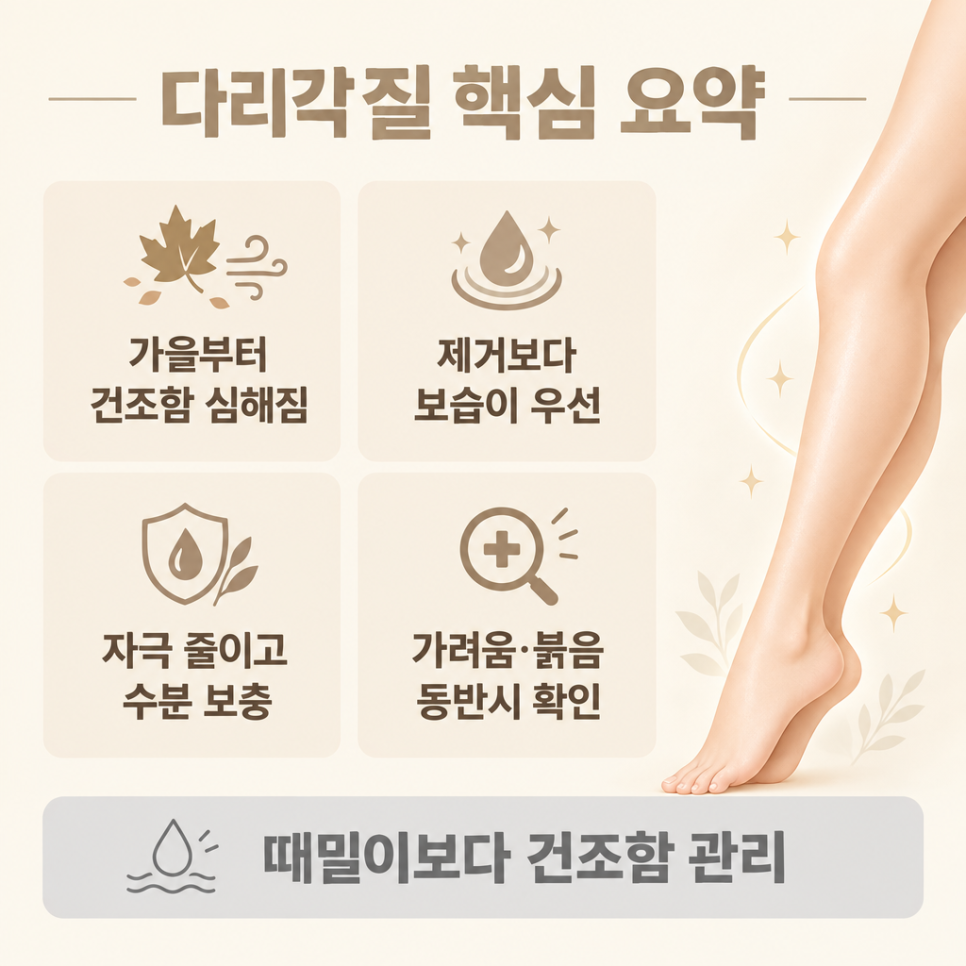
    flaky skin on legs care

    leg skin care routine - image 2

    Why Does Flaky Skin on Legs Get Worse in Fall?

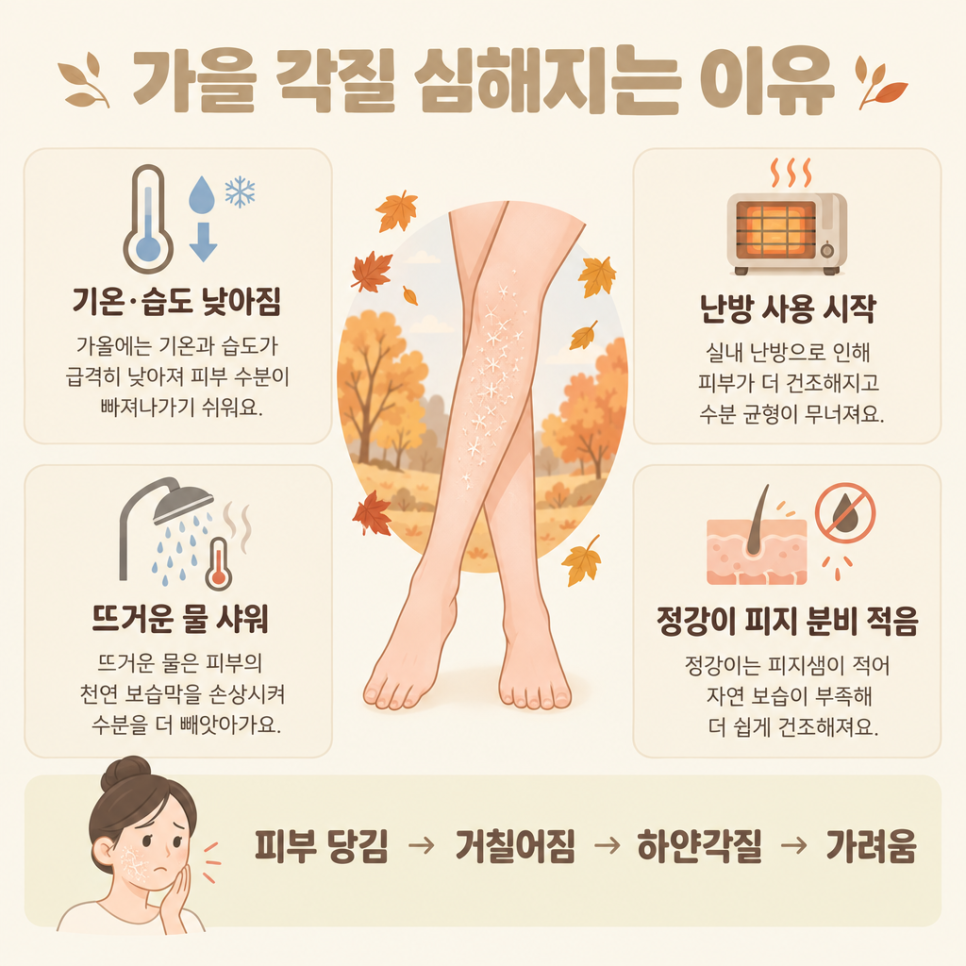
    In short, it’s because low humidity, indoor heating, and hot showers combine to pull moisture out of your skin faster than it can be replaced.

    Flaky skin on legs happens when the stratum corneum — the outermost layer of skin — loses moisture and starts to lift and turn white.

    Normally, this outer layer blocks outside irritants and slows down water loss.
    But in fall and winter, the air gets drier, temperatures drop, and indoor heating kicks in on top of that.
    Add long, hot showers to the mix, and skin dries out even faster.

    Shins, in particular, produce less natural oil than the face or arms.
    That’s why discomfort often builds in stages — tightness, then roughness, then white flakes, then itching.

    Key Points
    ✔ In fall and winter, lower humidity and indoor heating cause skin to lose moisture quickly.
    ✔ Shins have fewer oil glands, so they tend to feel dry more easily.

    Rather than assuming white flakes simply mean “built-up dirt,” it’s worth checking whether they’re actually a sign that your skin is dry.
    leg skin care routine - image 3

    leg skin care routine - image 4

    Does Your Leg Skin Care Routine Change Based on Severity?

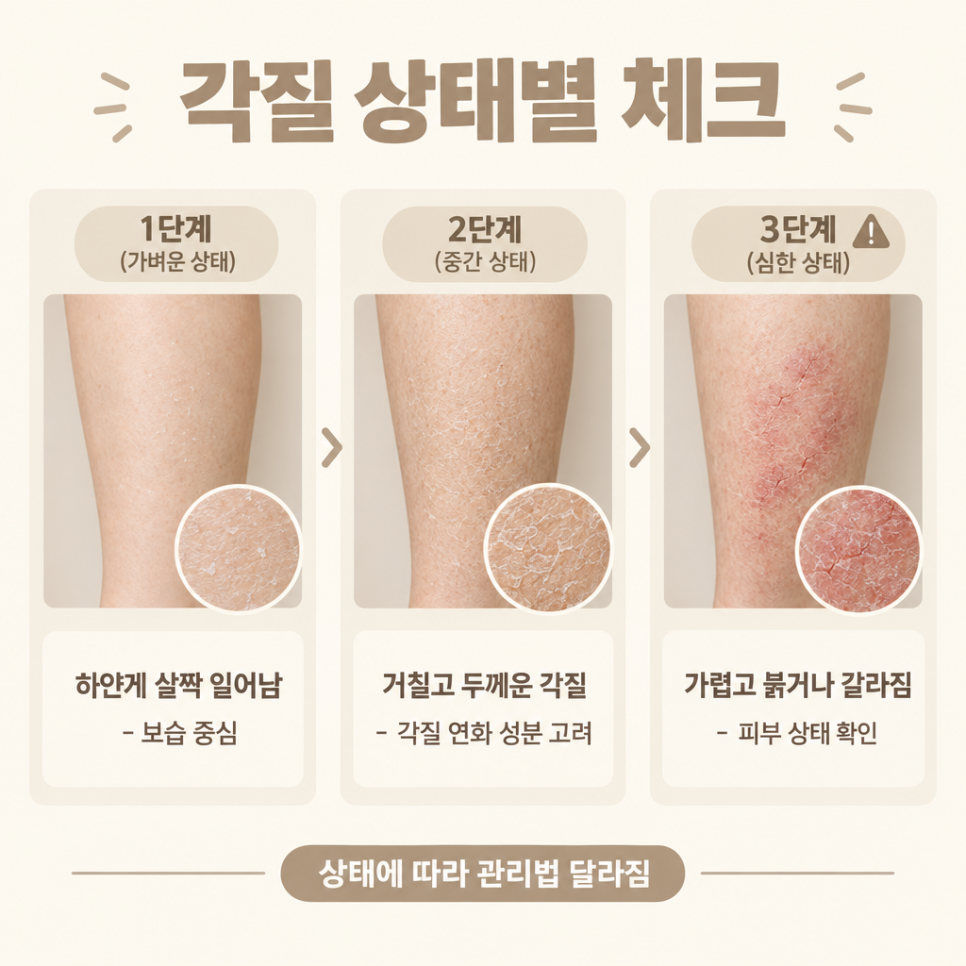
    Yes — the right approach depends on whether the flaking is mild, thick and rough, or accompanied by inflammation.
    leg skin care routine - image 5

    Leg Skin Condition Care Focus
    A little white flaking visible Prioritize moisturizing over exfoliating
    Rough, dull-looking skin Thorough moisturizing, plus exfoliating ingredients if needed
    Flaking keeps building up Check for over-scrubbing and review your moisturizing habits
    Itchy and red Pause scrubs and acid products, and monitor
    Cracking, oozing, or intense itching Consider seeing a dermatologist

    In general, if you’re only seeing light flaking, consistent moisturizing alone — without regular scrubbing — is often enough to improve things.

    But if there are scratch marks, oozing, or pain, that’s a different situation.
    In these cases, it’s best to avoid using scrubs or acid-based products on your own.

    leg skin care routine - image 6

    What’s the Right Order for an Effective Leg Skin Care Routine?

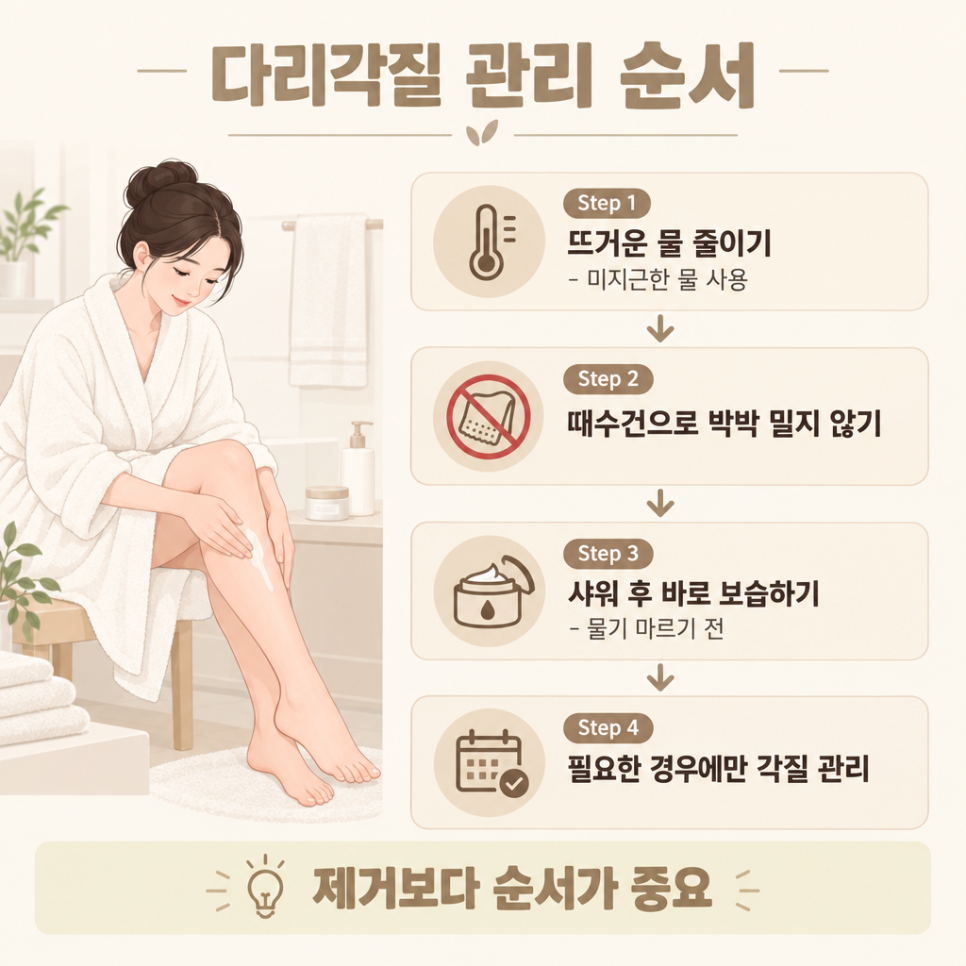
    Rather than trying to remove every bit of flaking on sight, following the steps below is the basic approach to flaky skin on legs care.

    1. Shower with lukewarm water — Extended exposure to hot water can dry out skin further.
    2. Don’t scrub hard with a body towel — Aggressive rubbing can increase irritation and cause more flaking to build up.
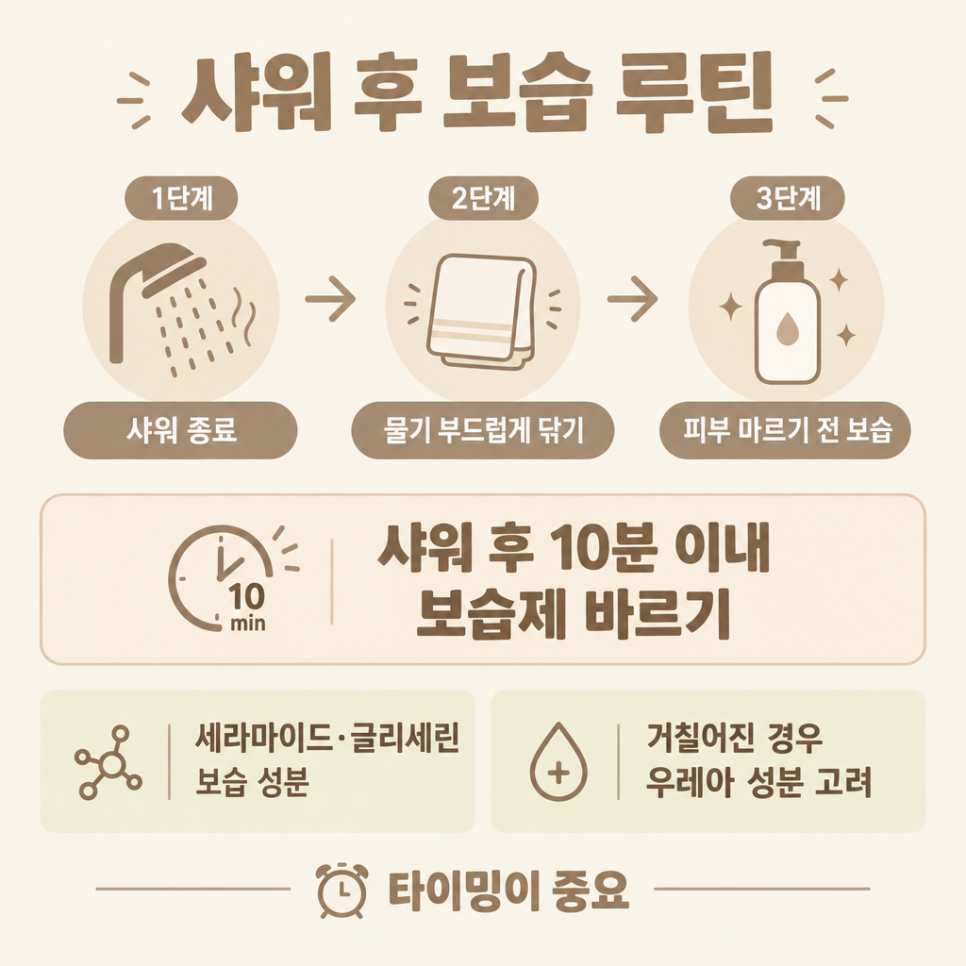
    3. Moisturize right after showering — Apply a generous amount of lotion or cream as soon as you towel off, before your skin fully dries.
    4. Exfoliate only when needed — Use exfoliating ingredients only when your skin isn’t red or stinging.
    leg skin care routine - image 7

    Products containing moisturizing ingredients like ceramides and glycerin can help.
    If you’re dealing with rougher, thicker flaking, a urea-based product may also be worth considering, depending on your skin’s condition.


    leg skin care routine - image 8

    How Do Urea, Lactic Acid, and AHA Differ as Exfoliating Ingredients?

    Urea is a moisturizing ingredient that binds with skin’s natural moisturizing factors to help hold water in place.

    Clinical research abroad has reported that urea-containing moisturizers can help improve skin barrier function and reduce transepidermal water loss.
    According to cosmetic ingredient data, urea’s role shifts with concentration — around 3–5% it works mainly as a humectant that holds in moisture, while at 10% or higher it’s known to help soften and loosen flaking skin.

    Lactic acid and AHAs work by loosening the bonds between dead skin cells so flakes shed naturally.
    That said, irritation potential varies by concentration and formulation, so it’s best not to combine several exfoliating products at once when you’re just starting out.

    Key Points
    ✔ Urea is known to work as a moisturizer at low concentrations and as an exfoliant at higher concentrations.
    ✔ Lactic acid and AHAs help soften and loosen flaking skin but can cause irritation, so check usage instructions before use.
    Precautions
    ⚠ If itching, red patches, cracking, or oozing are present, don’t use scrubs or acid-based products on your own.
    ⚠ If your skin stings or turns red after use, reduce frequency or stop use.
    leg skin care routine - image 9

    Check Your Leg Skin Care Habits With This Checklist

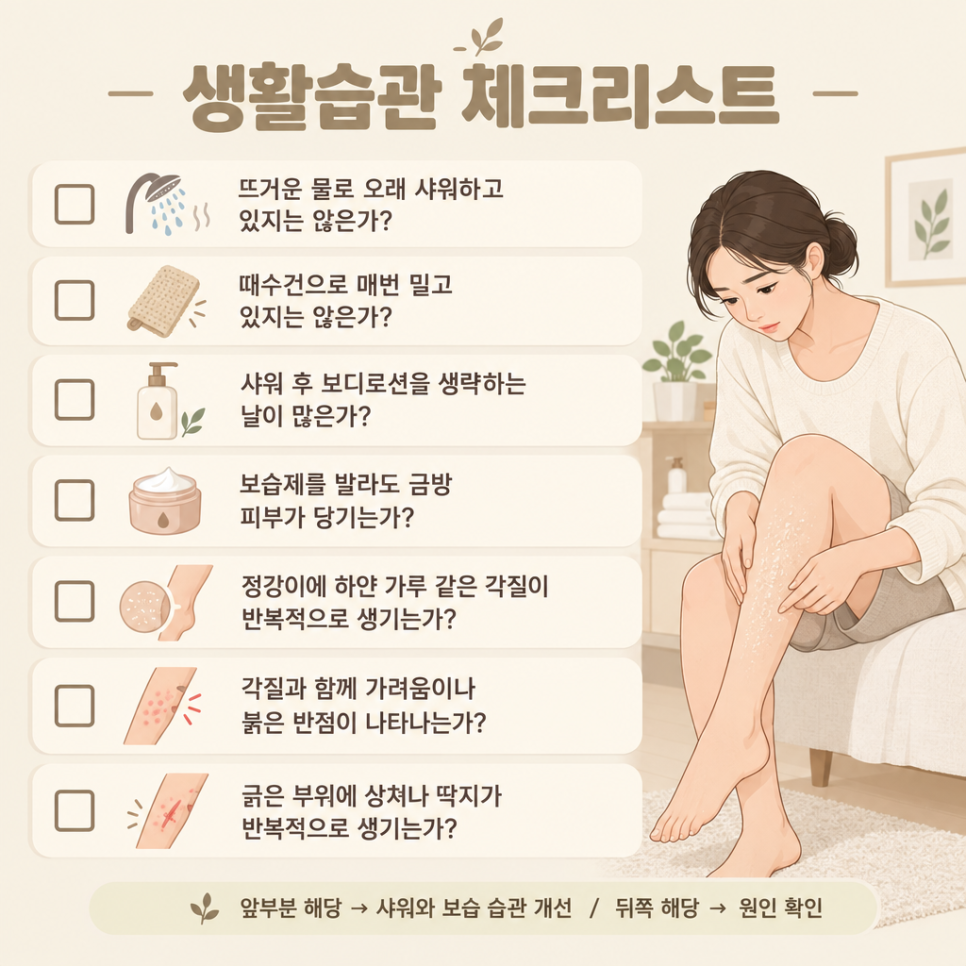
    Go through the items below and check which ones apply to you.

    Checklist
    ✅ Do you take long, hot showers?
    ✅ Do you scrub with a body towel every time you notice flaking?
    ✅ Do you often skip body lotion after showering?
    ✅ Do white flakes keep reappearing on your shins?
    ✅ Does the flaking come with itching or red patches?

    If the first few items apply to you, start by adjusting your shower habits and moisturizing routine.

    On the other hand, if itching or red patches apply, it’s important not to dismiss it as ordinary flaking — the underlying cause should be checked.

    Result
    ✔ Making it a habit to moisturize right after showering may help reduce flaking and tightness.
    ✔ You can shift from repeatedly dealing with flaky legs all winter to a prevention-focused routine.

    leg skin care routine - image 10

    When Should Flaky Skin on Legs Be Checked by a Dermatologist?

    If there’s a chance it’s not just dryness but an underlying skin condition, seeing a doctor should come before trying to manage it on your own.

    Intense itching, red patches, cracking, and oozing together can signal something beyond simple dryness.
    In particular, if scratched areas repeatedly develop wounds or scabs, it’s safer to have a dermatologist check things out.

    Before winter fully sets in, try shifting your approach from “removing flakes” to “moisturizing and protecting the skin barrier.”
    Legs are easier to neglect than the face when it comes to moisturizer, so it helps to build the habit of applying lotion or cream to your legs the same way you apply skincare to your face after a shower.
    You can find more on skin barrier moisturizing routines on the Atelofill Collagen Skin Research Institute homepage.

    leg skin care routine - image 11


    Frequently Asked Questions

    1. Is it okay to scrub flaky skin on legs with a body towel?
    Repeatedly scrubbing hard just because you see white flakes isn’t recommended. Physical friction can irritate the skin, so during dry fall and winter months, it’s better to try thorough moisturizing first.

    2. How many times a week should I scrub?

    There’s no single frequency that works for everyone. If your skin is dry or sensitive, you may not need to scrub at all. Adjust frequency based on your skin condition and the product you’re using.

    3. Can I use urea products on flaky skin on legs?
    Urea is known to be used for both moisturizing and softening flaking skin. However, its purpose varies by concentration and product, and it may cause irritation on cracked or broken skin, so check usage instructions first.

    4. I keep getting white flakes even though I moisturize.
    If flaking persists despite consistent moisturizing, and it’s accompanied by intense itching, redness, or cracking, it’s worth checking whether something beyond simple dryness is going on.

    5. What’s an important thing to keep in mind for managing flaky skin on legs?
    Timing — applying moisturizer right after showering, before your skin dries. Keeping up with this step may help reduce flaking and tightness.


    References

    · American Academy of Dermatology, “Dermatologists’ top tips for relieving dry skin,” AAD.org, 2023. View source
    · PubMed (NCBI), “Urea-containing moisturizers influence barrier properties of normal skin,” Acta Derm Venereol, 1996. View source


    This article is intended for general informational purposes only and is not a substitute for individual diagnosis or treatment. If you’re experiencing symptoms, please consult a medical professional.

  • Get Rid of Nasolabial Folds: Do Exercise, Masks & Gua Sha Really Work? (3 Methods)

    Get Rid of Nasolabial Folds: Do Exercise, Masks & Gua Sha Really Work? (3 Methods)

    SummaryCan you really get rid of nasolabial folds with exercise, sheet masks, and gua sha alone? This guide covers what causes nasolabial folds, the real effects and limits of facial exercises, sheet masks, and gua sha massage, and practical at-home care methods you can try.

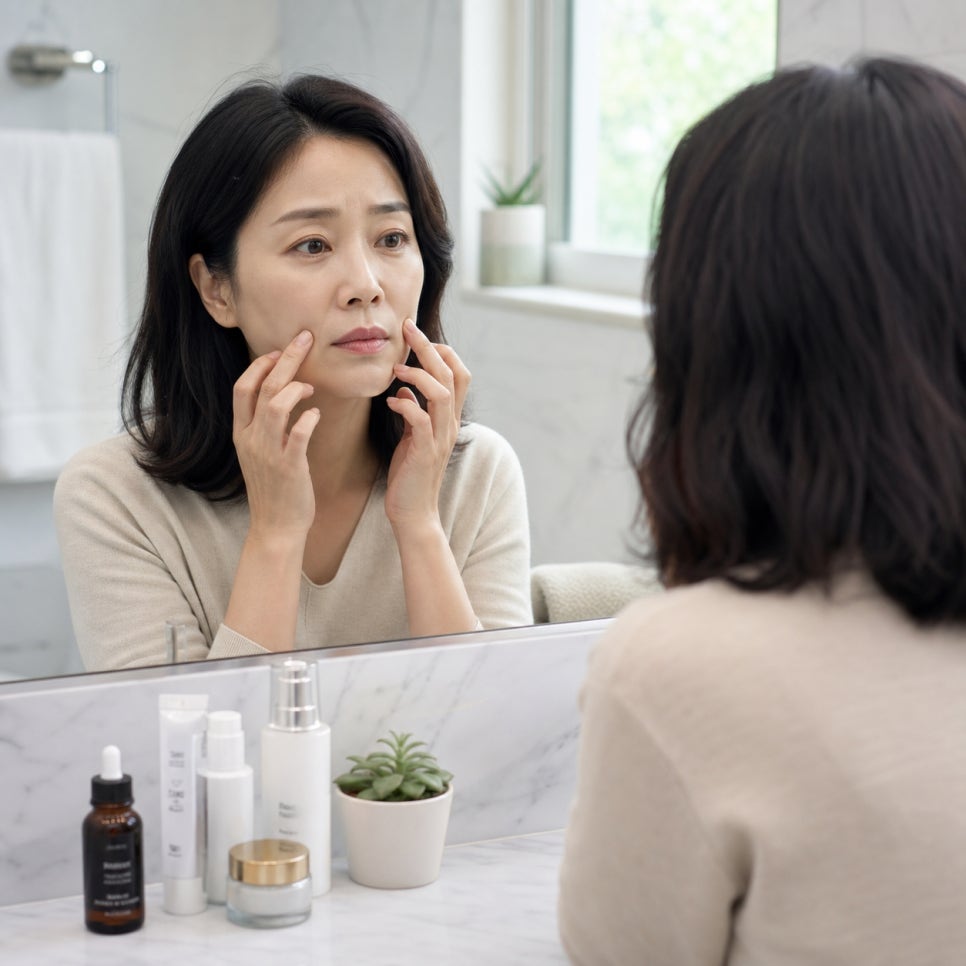
    Do you find yourself noticing the nasolabial folds running from beside your nose to the corners of your mouth every time you look in the mirror?

    Many people have tried all kinds of ways to get rid of nasolabial folds, from the classic spoon-in-mouth exercise to sheet masks and gua sha massage.

    But can self-care methods like these really make folds that have already formed disappear?

    how to get rid of nasolabial folds

    The short answer: exercise, masks, and gua sha alone are unlikely to fully get rid of nasolabial folds.

    This article covers why nasolabial folds form, the real effects and limits of exercise, masks, and gua sha, and realistic at-home care methods you can put into practice.

    Key Points
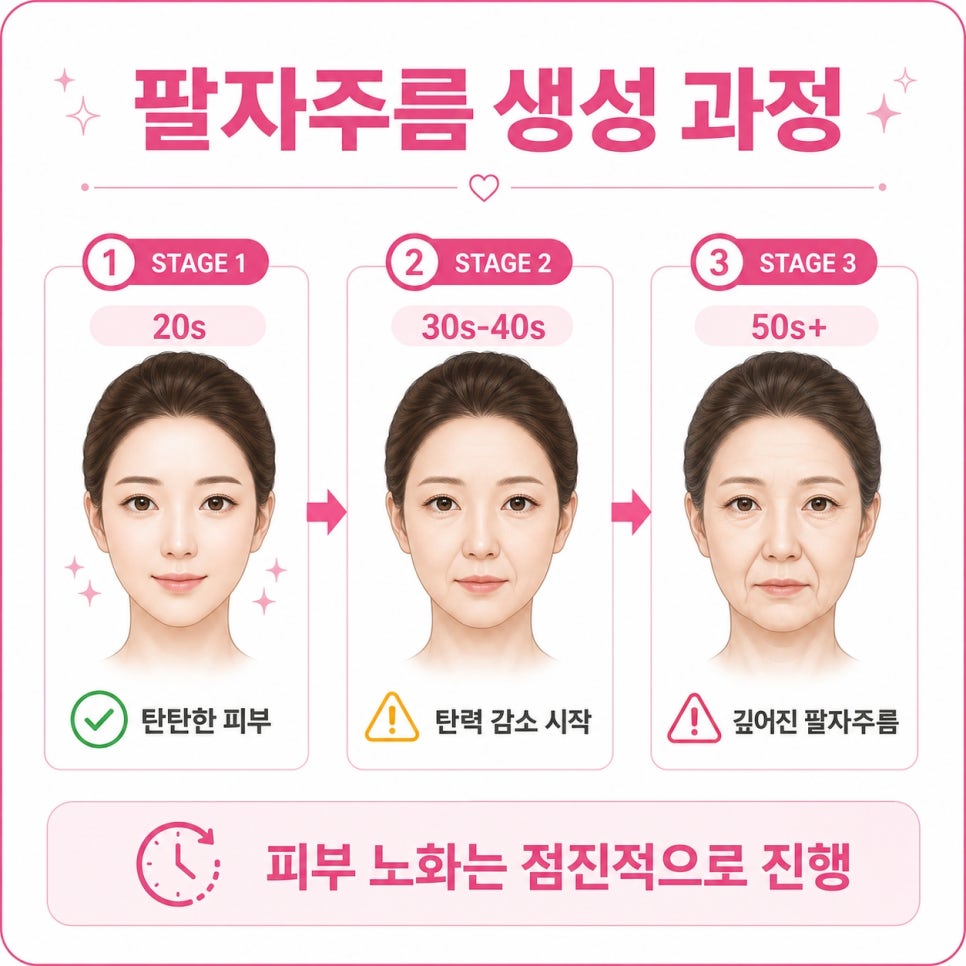
    ✔ Nasolabial folds result from a combination of factors, including reduced skin elasticity, collagen loss, and changes in facial volume
    ✔ Exercise, masks, and gua sha can help manage overall skin condition, but they’re unlikely to eliminate folds that have already deepened
    ✔ Excessive massage or facial exercises can actually irritate the skin

    Why Do Nasolabial Folds Form?

    image related to nasolabial folds 2

    The short answer: nasolabial folds aren’t simply creases caused by skin folding over.

    Nasolabial folds are lines that become more visible as the skin and soft tissue running from beside the nostrils to the corners of the mouth begin to sag.

    As we age, collagen and elastin in the skin decrease and elasticity drops, which makes it easier for skin creases to leave a lasting mark.

    On top of that, shifts in facial fat and soft tissue position, midface sagging, and changes in bone structure can make the nasolabial area look even deeper.

    image related to nasolabial folds 3

    The main causes of nasolabial folds include:

    • Skin aging and reduced elasticity
    • Collagen and elastin loss
    • Changes in facial volume and fat distribution
    • Midface tissue sagging
    • Repetitive facial expression habits
    • Photoaging from UV exposure
    • Rapid weight loss
    • Individual facial bone structure and genetic factors

    So if you’re looking into how to get rid of nasolabial folds, it helps to first understand what’s causing your folds to look deeper, rather than jumping straight to tightening the skin.


    Can You Get Rid of Nasolabial Folds With Exercise Alone?

    image related to nasolabial folds 4

    The short answer: facial exercises alone are unlikely to reverse nasolabial folds that have already deepened.

    Common methods include puffing out your cheeks, puckering your lips, and exaggeratedly mouthing “A-E-I-O-U.”

    Moving your facial muscles isn’t inherently bad — working muscles you don’t normally use can even create a temporary tightening sensation.

    But nasolabial folds aren’t caused by muscle weakness alone,

    so once skin elasticity and volume have already declined, exercise alone is unlikely to restore your skin to how it was before.

    In fact, puckering the mouth area too tightly or repeating the same expression over and over can cause the skin to keep folding in the same spot, leading to cumulative irritation.

    Caution
    ⚠ Repeating strong mouth-puckering exercises for long periods in an effort to get rid of nasolabial folds can actually make skin irritation worse
    ⚠ It’s safer to keep facial exercises light and gentle

    Do Sheet Masks and Gua Sha Really Help With Nasolabial Folds?

    image related to nasolabial folds 5

    The short answer: masks and gua sha are best thought of as hydration and skin-condition care, not as ways to eliminate the folds themselves.

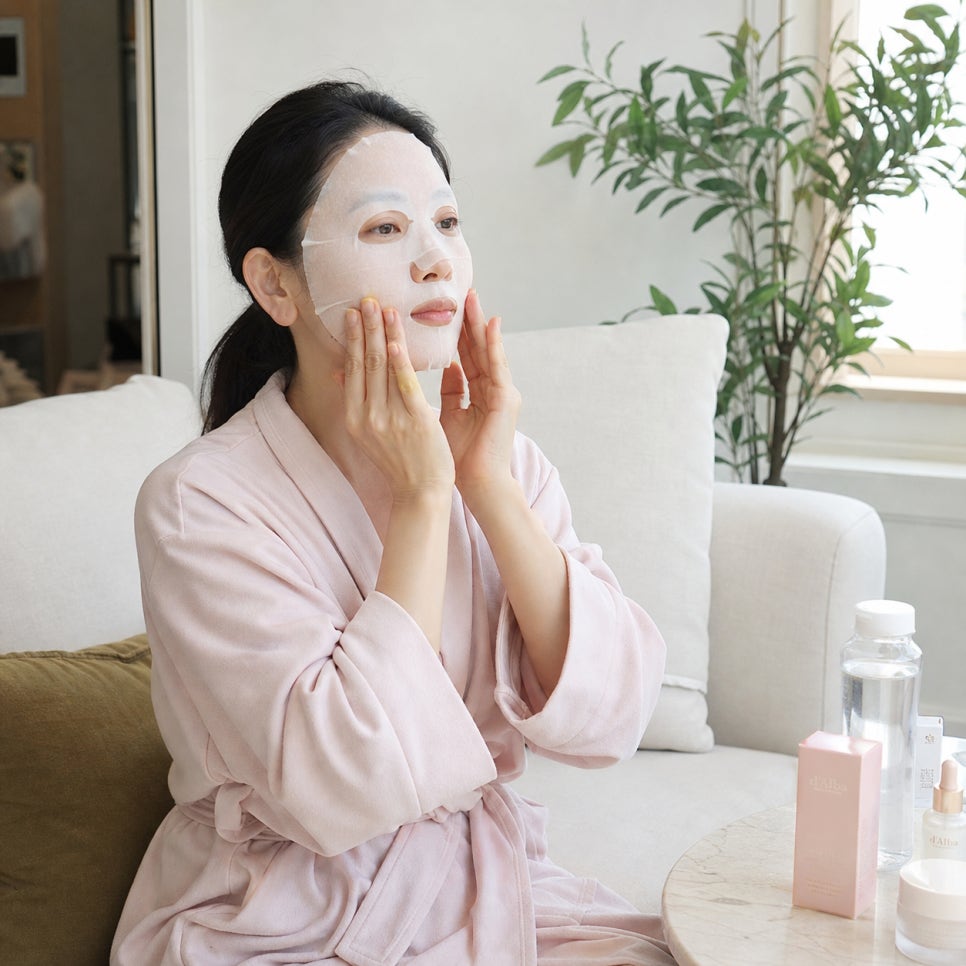
    Sheet masks are a hydrating skin care method that supplies moisture to the skin, temporarily softening the look of fine lines caused by dryness.

    image related to nasolabial folds 6

    When skin is dry, the surface becomes rougher and fine lines look more pronounced,

    while adequate hydration can make the skin look noticeably smoother.

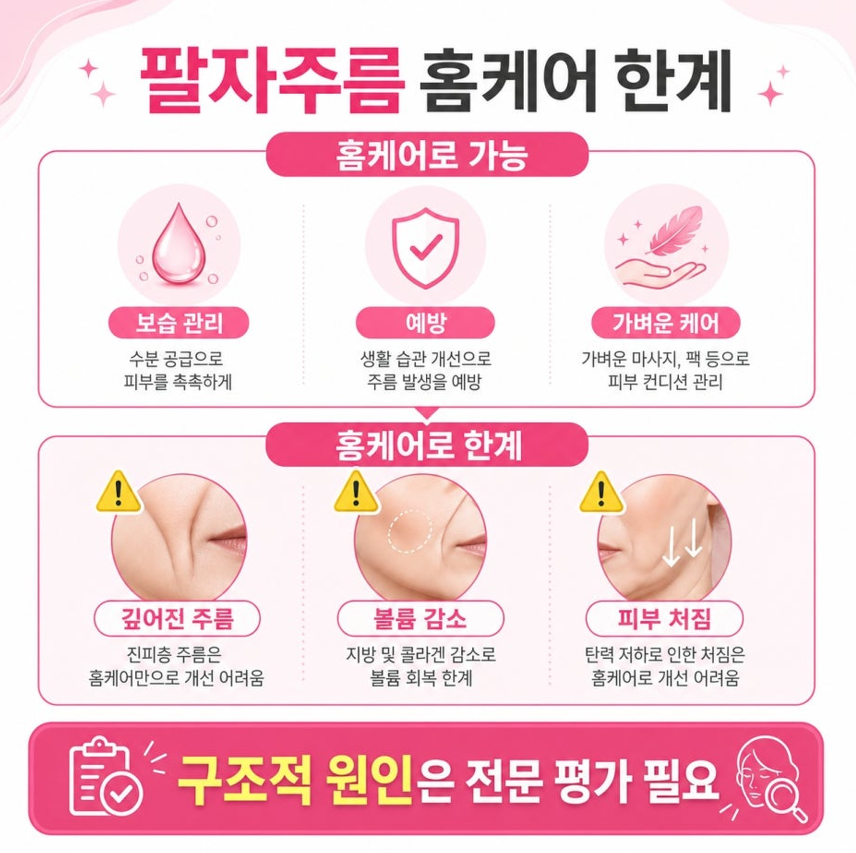
    However, a mask can’t reverse deeper volume loss or sagging happening beneath the surface.

    image related to nasolabial folds 7

    Gua sha works the same way.

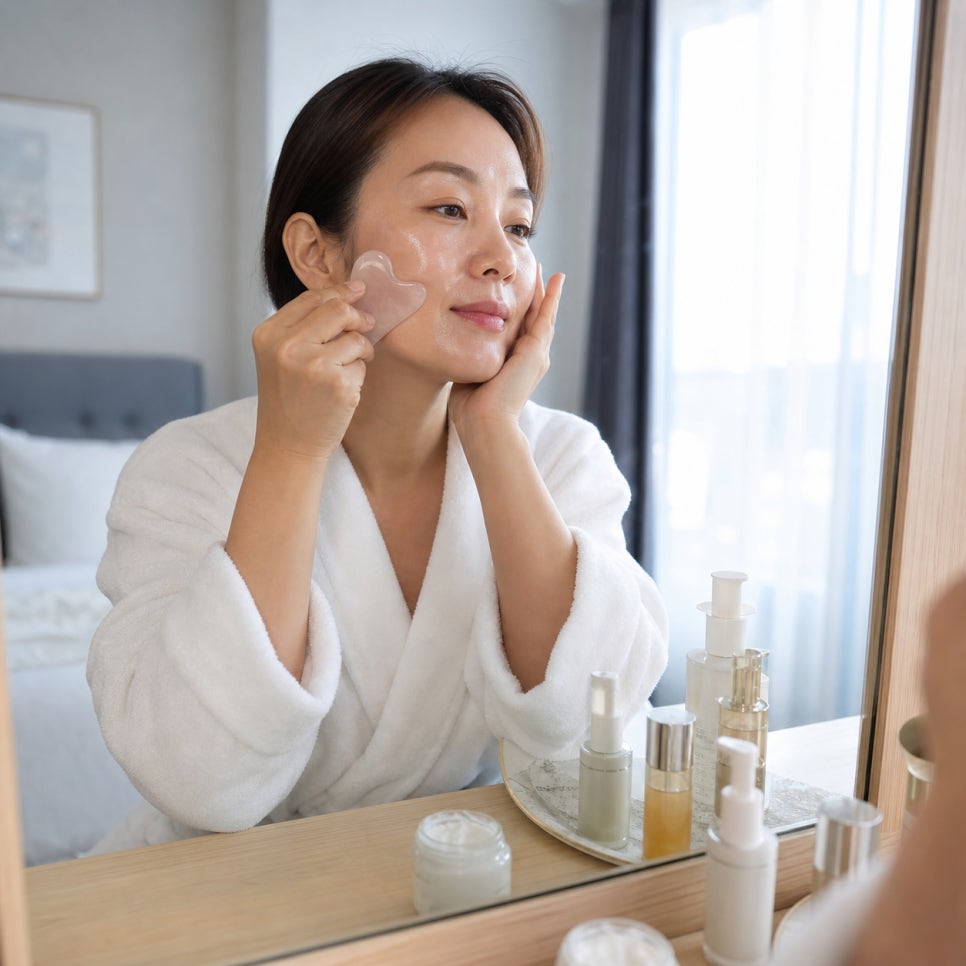
    Gua sha or gentle massage can be useful for managing facial puffiness and tension,

    and right after a session your facial contour may look more defined, making nasolabial folds seem temporarily less visible.

    But this kind of change is unlikely to reflect an actual change in the skin’s underlying structure.

    image related to nasolabial folds 8

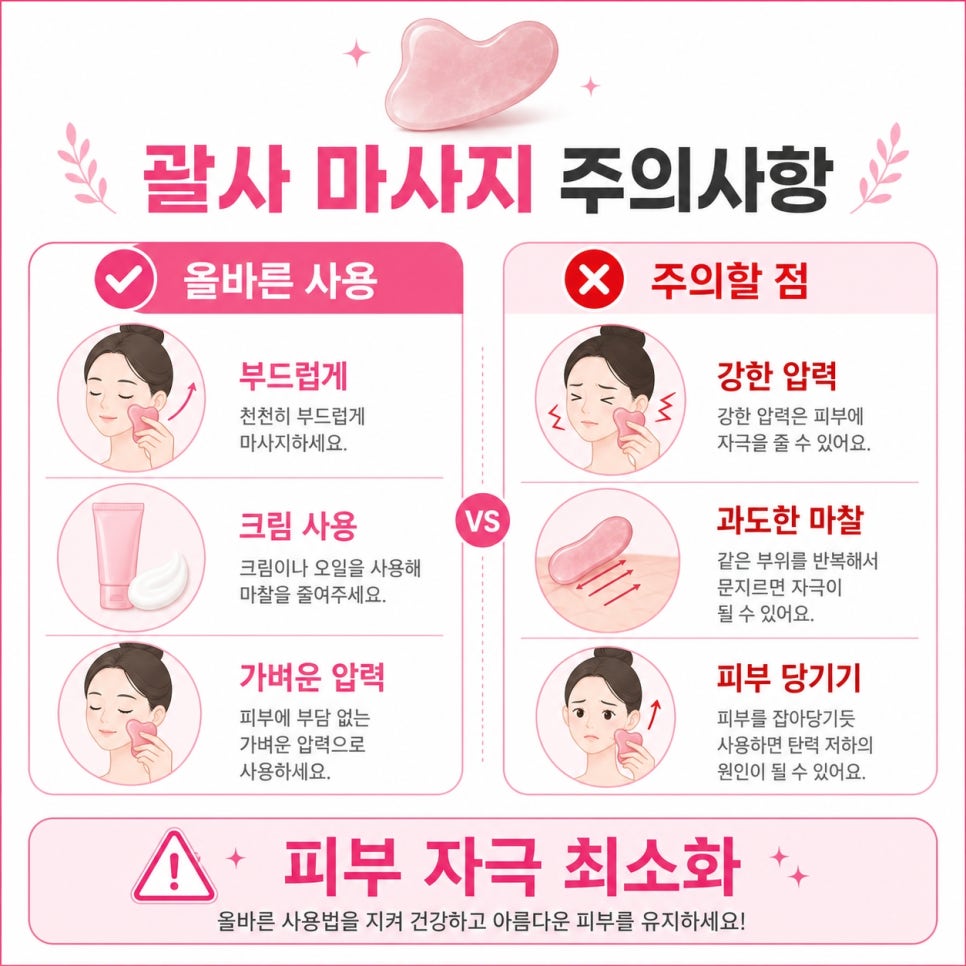
    Be especially careful about pressing hard or repeatedly pulling at the skin in an effort to get rid of nasolabial folds.

    Excessive pressure and friction can cause irritation, redness, and sensitivity.

    If you use a gua sha tool, it’s better to reduce friction with a cream or oil and work gently rather than scraping hard,

    and you should avoid vigorous massage if your skin already has breakouts or inflammation.


    What At-Home Care Can Help Manage Nasolabial Folds?

    image related to nasolabial folds 9

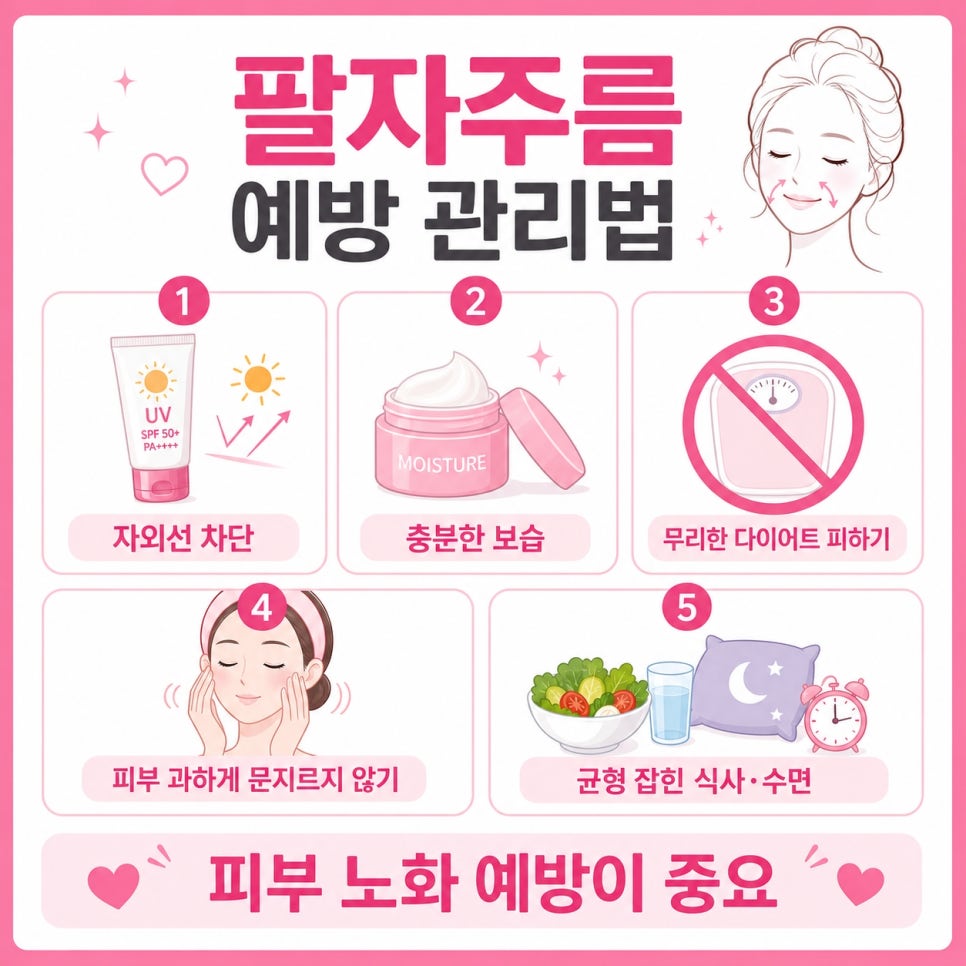
    You can’t get rid of nasolabial folds overnight, but lifestyle habits that slow down further deepening are genuinely worthwhile.

    Checklist
    ✅ Apply sunscreen before going outside year-round, and reapply during outdoor activities
    ✅ Moisturize right after cleansing, before skin has a chance to dry out, to balance hydration and oil
    ✅ Manage weight gradually instead of crash dieting
    ✅ Avoid rubbing or pulling the skin hard while cleansing or massaging
    ✅ Eat a balanced diet with protein, vitamins, and minerals, and get enough sleep

    image related to nasolabial folds 10

    Of these, UV exposure is considered one of the leading causes of aging, breaking down collagen and elastic fibers in the skin.

    And when weight drops significantly over a short period, facial subcutaneous fat and volume decrease along with it,

    which can make nasolabial folds or cheek hollowing look more pronounced than before — so it’s best to avoid rapid weight loss.

    If you’d like more information on managing your skin’s collagen condition, you can also check the Atelofill Collagen Skin Research Institute homepage.


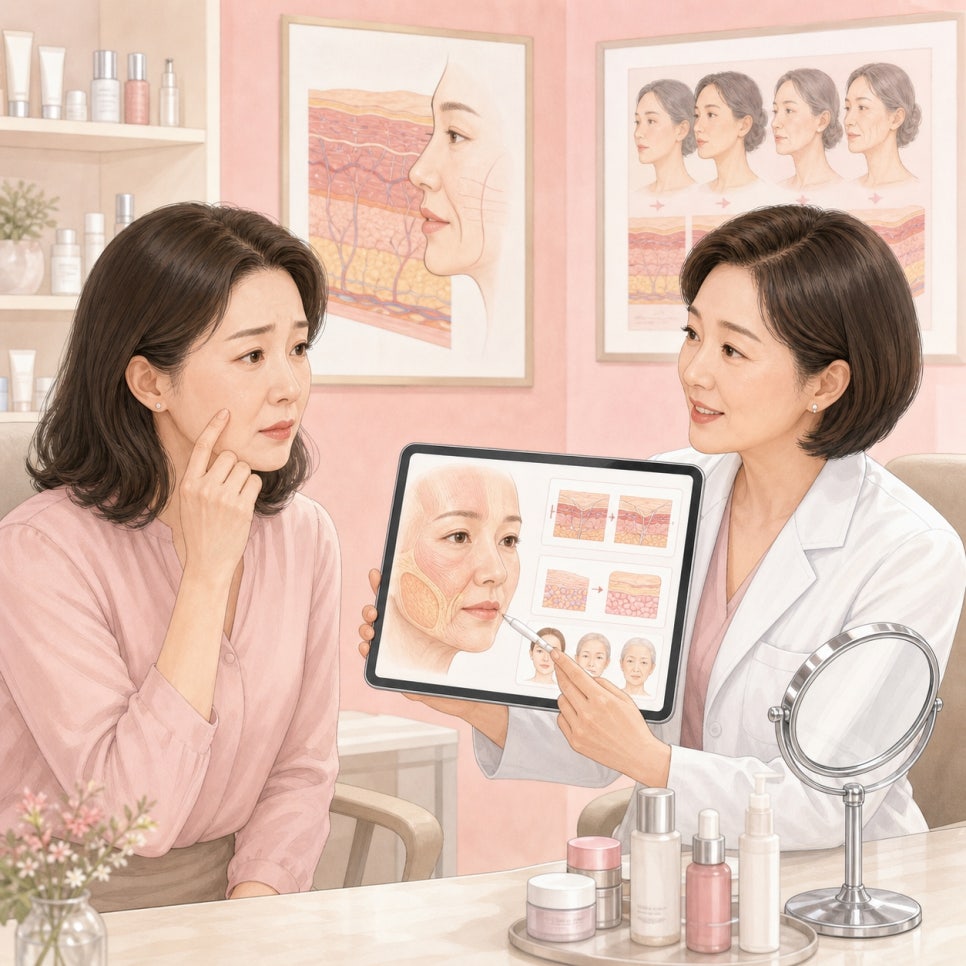
    What If Nasolabial Folds Don’t Change Despite Exercise, Masks, and Gua Sha?

    image related to nasolabial folds 11

    It’s not unusual to see little to no change even after consistently doing nasolabial fold exercises, masks, or gua sha.

    That’s because nasolabial folds aren’t just a surface-level skin issue — reduced elasticity, volume loss, and shifts in tissue position all play a role together.

    The underlying causes also vary from person to person.

    For some, thin, less elastic skin makes the folds stand out; for others, reduced facial volume or bone structure can make them noticeable from a relatively young age.

    image related to nasolabial folds 12

    In Summary
    ✔ Sun protection, moisturizing, and healthy habits are the basics of managing skin aging
    ✔ Masks and gentle massage can be used as supplementary condition-care tools
    ✔ For folds that have already deepened, it’s important to take an approach suited to your current skin condition and its underlying causes

    Frequently Asked Questions

    image related to nasolabial folds 13

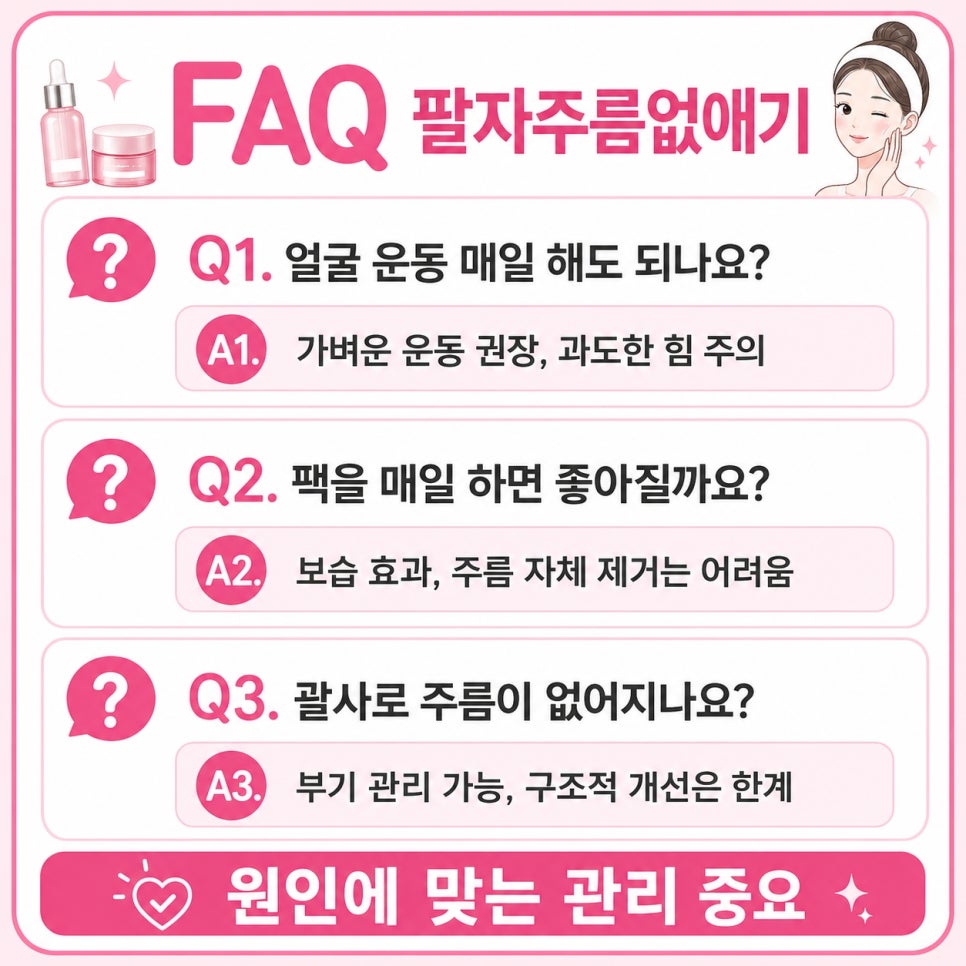
    1. Is it okay to do nasolabial fold exercises every day?
    Light facial exercises are fine, but exercises that repeatedly fold the skin forcefully or put excessive strain around the mouth in an attempt to erase folds aren’t recommended. Moving your facial muscles naturally and gently is enough.

    2. Will using a sheet mask every day improve nasolabial folds?
    Masks can help with hydration and skin condition, but that’s different from actually getting rid of folds that have already deepened. Recommended usage frequency varies by product, so it’s a good idea to check the label.

    3. Will continuously pushing up on nasolabial folds with gua sha make them go away?
    Right after gua sha, puffiness may go down and your facial contour may look more defined, but this isn’t considered a way to address the structural causes of nasolabial folds. Strong pressure and repeated friction can actually irritate the skin, so caution is needed.

    4. Can nasolabial folds appear even at a young age?
    Yes, they can. Factors like reduced facial volume, bone structure, or rapid weight changes can make the nasolabial area noticeable even in relatively young people.

    References

    · Miju Joongang Daily, “The Secret to Looking Youthful Is Collagen… Down 1% a Year After Age 25,” Miju Joongang Daily. Read more
    · Hidoc, “3 Causes That Break Down the Collagen That Supports Skin Elasticity,” Hidoc. Read more
    · KorMedi, “‘My Face Suddenly Looked Older After Losing Weight’… What’s This Dieting Side Effect That Accelerates Aging?,” KorMedi, 2026. Read more
    · Korea Health Log, “Gua Sha Facial Massage: The Real Reason Dermatologists Don’t Recommend It,” Korea Health Log. Read more

    This article is intended for general health information purposes only and is not a substitute for individual diagnosis or treatment. If you have symptoms, please consult a medical professional.