Take a look at a collagen product’s ingredient panel and you’ll often see a surprisingly small number highlighted.
Numbers like 500Da or 300Da have fed the idea that a lower molecular weight means better collagen,
but does a smaller molecule really get absorbed straight into your skin?
Low molecular weight collagen peptide refers to a collagen protein that has been hydrolyzed into smaller peptides.
But relying on that label alone — and choosing a “low molecular weight” product without looking further — can mean missing what actually matters.

Low molecular weight collagen peptide is collagen that has been hydrolyzed into small peptide units to support digestion and absorption.
A smaller molecular weight doesn’t mean it converts directly into skin collagen — confirming low molecular weight collagen benefits means looking at the raw material, the dose, and human clinical trial evidence together.
Supporting skin elasticity also depends on more than collagen intake alone, including vitamin C, sun protection, and sleep.
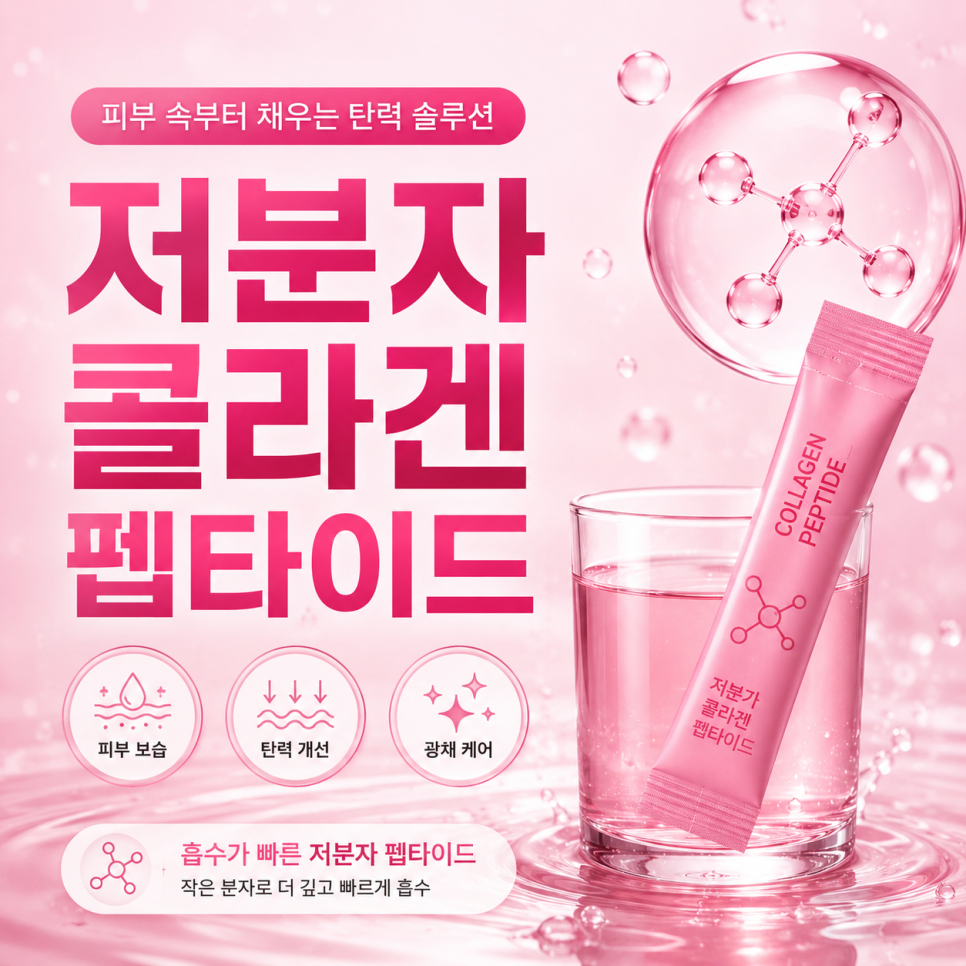
What Is Low Molecular Weight Collagen Peptide, and How Is It Different From Regular Collagen?
Low molecular weight collagen peptide is collagen protein that has been broken down — typically using enzymes — into relatively small peptide fragments.
The type of collagen itself doesn’t change; only its size is reduced through this process.
A peptide is a chain of multiple amino acids linked together.
Regular collagen has a larger molecular structure, so it needs to be broken down further during digestion after you eat it, while
hydrolyzed collagen is already broken into small peptides during manufacturing — that’s the key difference.

| Category | Regular Collagen | Low Molecular Weight Collagen Peptide |
|---|---|---|
| Molecular structure | Relatively large protein | Pre-hydrolyzed, small peptides |
| Digestion process | Requires further breakdown in the body | Relatively less breakdown needed |
| Solubility | Varies by product | Many products dissolve fairly easily in water |
That said, the term “low molecular weight” alone doesn’t mean every product delivers the same effect.
The raw material type, manufacturing method, actual dosage, and whether human clinical trials exist all vary from product to product.

Does the Collagen You Eat Get Absorbed Directly Into Your Skin?
To put the conclusion first: the collagen you eat does not simply accumulate in your skin as collagen.
Like any protein, collagen is broken down into amino acids and small peptides as it passes through your digestive system.
Some research has detected collagen-derived peptides in the bloodstream after intake,
but this should not be interpreted to mean that “the collagen you eat is deposited directly into your skin.”
For that reason, it’s more accurate to think of low molecular weight collagen peptide as a nutritional intake rather than a way to directly refill collagen in the skin.

Low Molecular Weight Collagen Benefits: Is a Smaller Dalton (Da) Number Always Better?
Low molecular weight collagen benefits refer to reported changes in skin hydration and elasticity markers observed in some studies after a period of hydrolyzed collagen intake.
These should be understood as a potential improvement associated with a dietary supplement, not as a pharmaceutical treatment effect.
· A systematic review of oral collagen intake reported potential improvements in skin hydration and elasticity markers in some trials.
· In Korea, low molecular weight collagen peptide is recognized by Korea’s Ministry of Food and Drug Safety (MFDS) — a Korean regulatory body, not the U.S. FDA — as a functional ingredient that “may help support skin moisture,” based on a daily intake of 3g under Korean labeling standards; this is not a claim evaluated or approved by U.S. regulators.
· Because studies vary in raw material, dosage, duration, and study population, the same results shouldn’t be expected from every product.

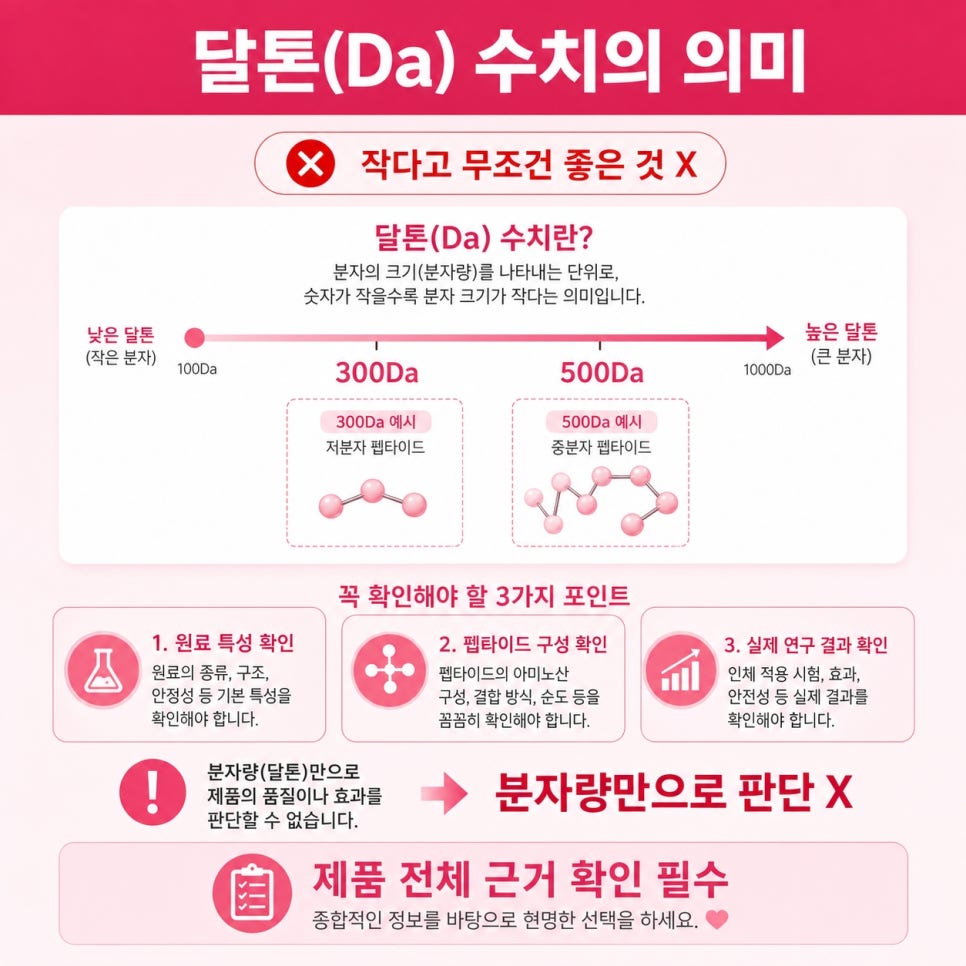
The Dalton (Da) unit commonly seen on collagen products is a measure of molecular weight — a smaller number means a relatively smaller molecule.
That’s why figures like “500Da” or “300Da” are so often highlighted on packaging.
However, a smaller Dalton number alone doesn’t necessarily mean a product works better.
When comparing products, it’s worth checking peptide composition, actual research findings, and dosage — not just average molecular weight.
In other words, rather than assuming “the smallest collagen equals the best collagen,” it’s more reasonable to look at the full body of evidence behind a product.
What Should You Check Before Choosing and Taking a Collagen Product?
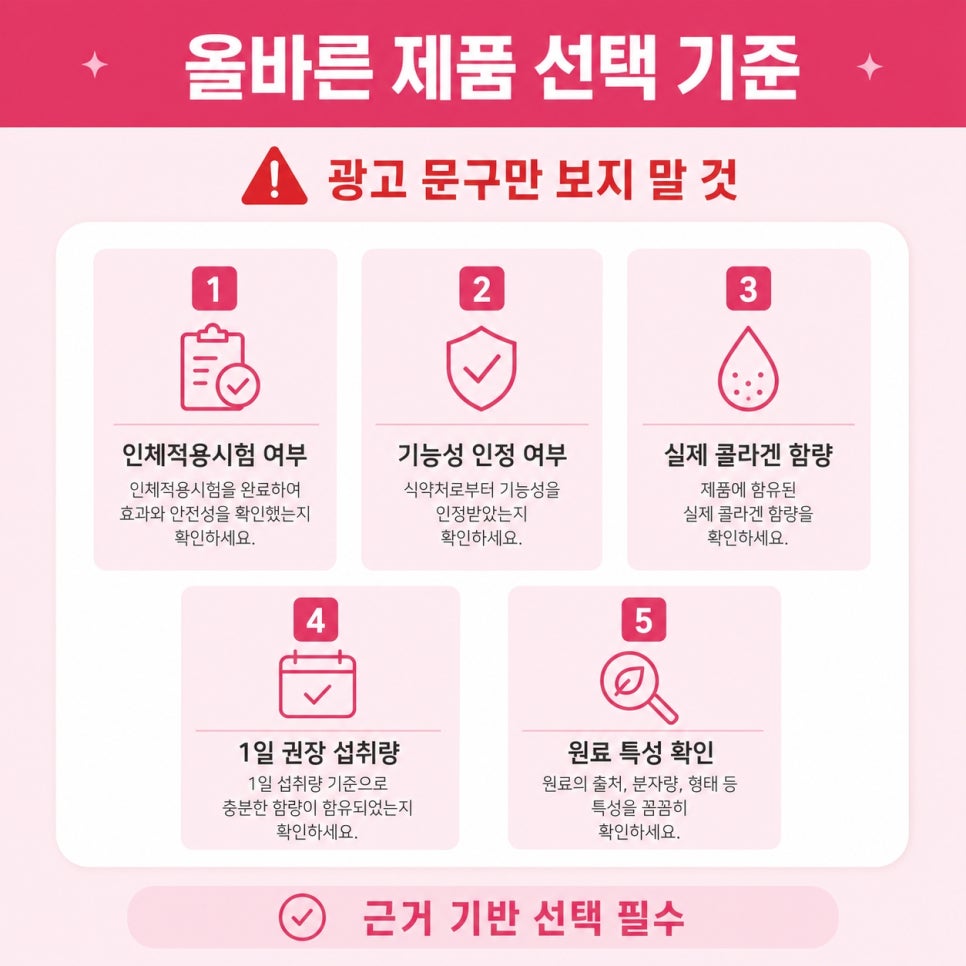
When choosing a low molecular weight collagen peptide product, it’s worth checking the following items in order.
✅ Have you checked whether the source is fish, bovine, or porcine? (to rule out allergy concerns)
✅ Have you checked the actual collagen content per serving and per day?
✅ Does the raw material have human clinical trial data or recognized functional approval behind it?
✅ Have you checked the secondary ingredients (such as whether vitamin C is included)?
✅ Are you basing your decision on the label rather than marketing claims?
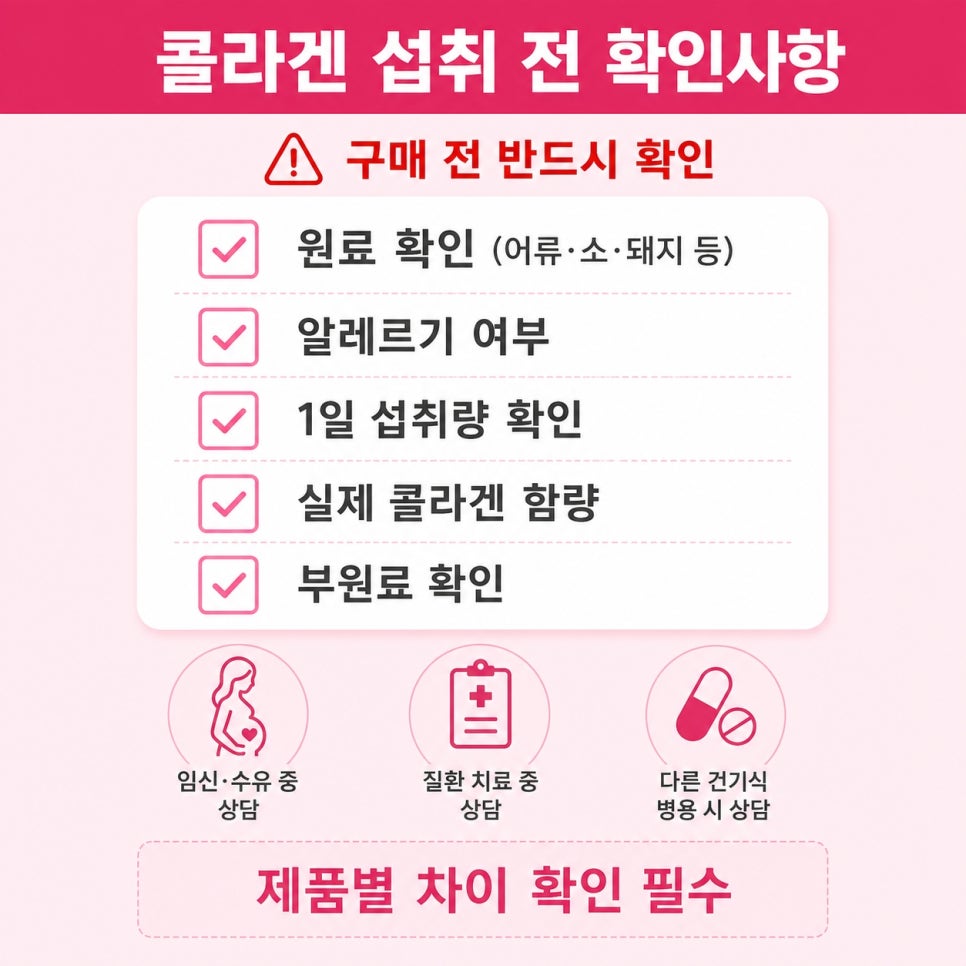
If you’re being treated for a specific medical condition, are pregnant or breastfeeding, or are taking multiple dietary supplements at once, it’s safer to consult a healthcare provider before taking this rather than deciding on your own.
If you’re hoping to support low molecular weight collagen benefits, reducing conditions that damage collagen matters just as much as intake.
UV exposure is a major factor — repeated exposure can affect the skin’s collagen and elasticity structure, so using sunscreen year-round, regardless of season, is advisable.
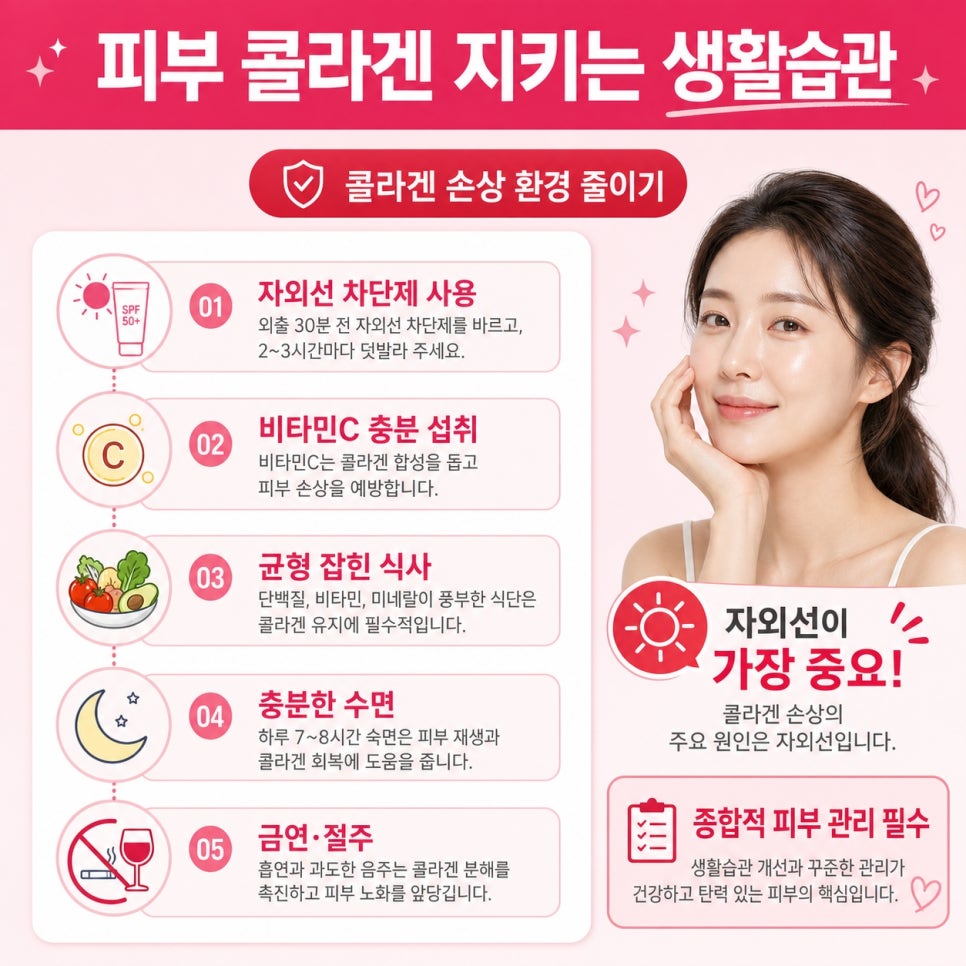
Collagen synthesis also requires vitamin C,
so maintaining vitamin C intake through fruits and vegetables, along with a balanced, protein-focused diet, matters too.
Basic lifestyle habits such as adequate sleep, not smoking, and moderating alcohol intake may also support skin aging management.
Ultimately, it’s more accurate to view skin health as the combined result of nutrition, UV protection, sleep, and lifestyle habits — not collagen intake alone.

If you’d like to compare collagen products based on ingredient evidence and dosage standards, you can find more information at the Atelofill Collagen Skin Research Center homepage.
Low Molecular Weight Collagen Peptide: The Key Takeaways
Low molecular weight collagen peptide is simply collagen that has been pre-hydrolyzed into smaller peptides — it isn’t a fundamentally different substance from collagen itself.
It’s best to avoid oversimplified assumptions like “it’s low molecular weight, so it’s absorbed directly into the skin” or “a smaller molecular weight is always better.”
To properly evaluate low molecular weight collagen benefits, look beyond molecular weight alone and consider the raw material, dosage, and human clinical trial evidence together.
Frequently Asked Questions

1. Is low molecular weight collagen peptide a completely different substance from regular collagen?
No. The base substance is still collagen. Collagen protein that has been hydrolyzed into relatively small peptides is called low molecular weight collagen peptide, or hydrolyzed collagen.
2. How long does it take for low molecular weight collagen benefits to appear?
This is hard to state as a general rule. Because studies differ in raw material, dosage, duration, and study population, be cautious of any marketing claim that guarantees results within a specific timeframe.
3. Is lower molecular weight collagen always better?
That’s difficult to say for certain. Molecular weight is just one factor to consider — judging actual functionality requires looking at the raw material’s characteristics, dosage, and human clinical trial evidence together.
4. If I take low molecular weight collagen peptide, does it directly refill collagen in my skin?
That’s not an accurate way to think about it. Collagen you consume is absorbed as amino acids and peptides after digestion, and taking oral collagen is a different concept from directly refilling collagen in skin tissue.
References
· Choi FD, et al., “Effects of Oral Collagen for Skin Anti-Aging: A Systematic Review and Meta-Analysis,” PMC (National Library of Medicine), 2023. View source
· Ministry of Food and Drug Safety of Korea (Food Safety Korea), “Skin Health Functionality Information – Low Molecular Weight Collagen Peptide, etc.,” 2024. View source
This article is intended for general health information purposes only and is not a substitute for individual diagnosis or treatment. If you have symptoms, please consult a healthcare professional.