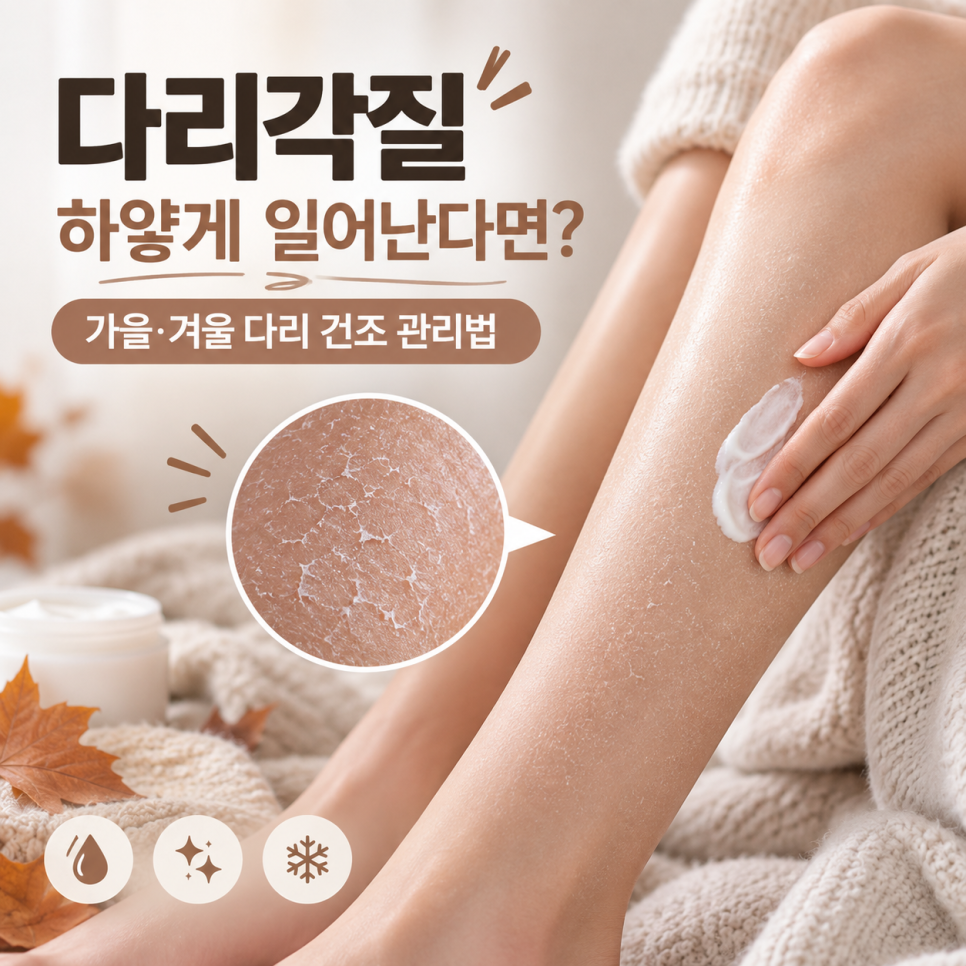
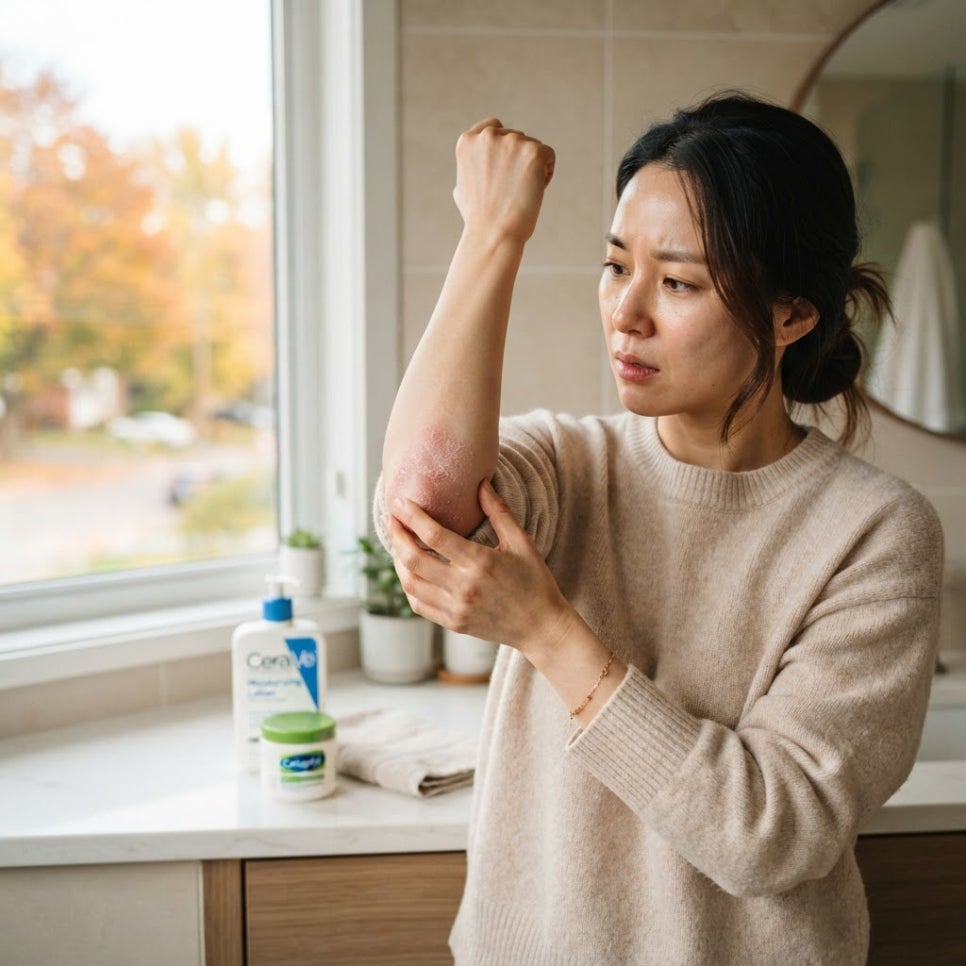
When the weather starts turning cool, some people notice unusually white, flaky patches showing up on their elbows or knees.
If red patches and scaling keep coming back no matter how much moisturizer you apply, it may not simply be dry skin.
Many people chalk these changes up to the season and end up overlooking skin psoriasis symptoms.
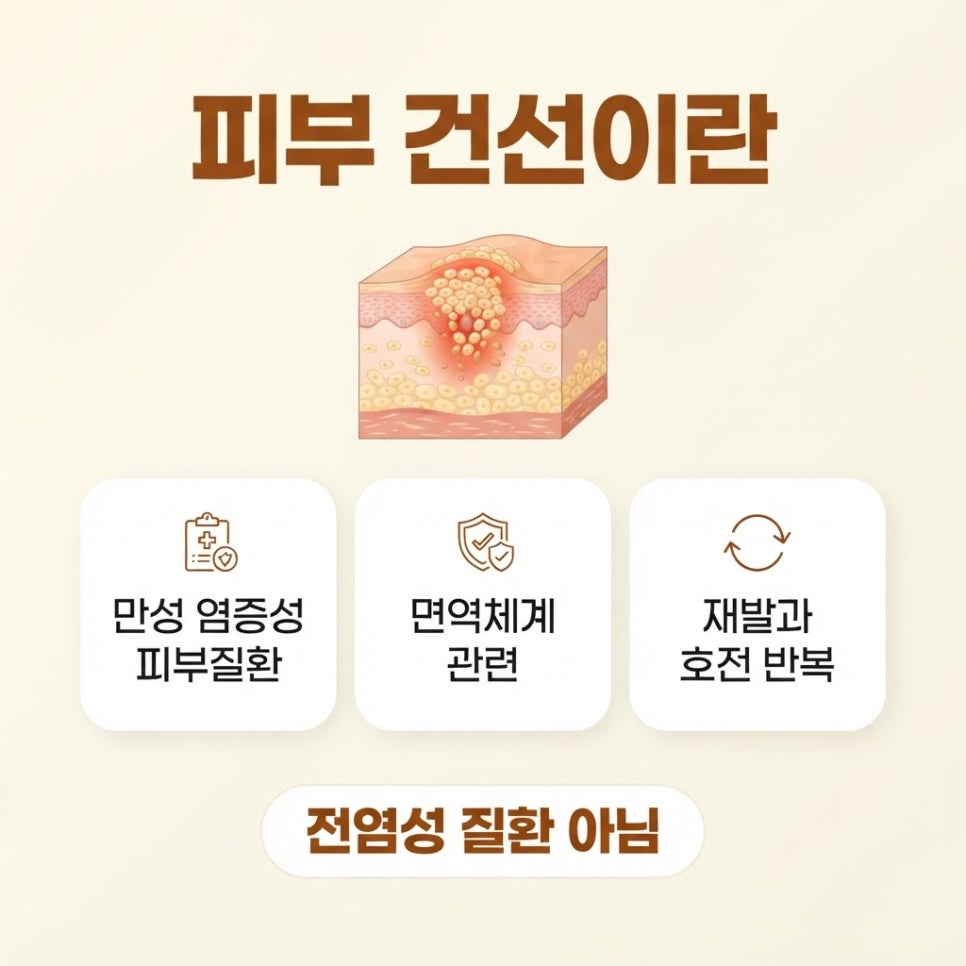
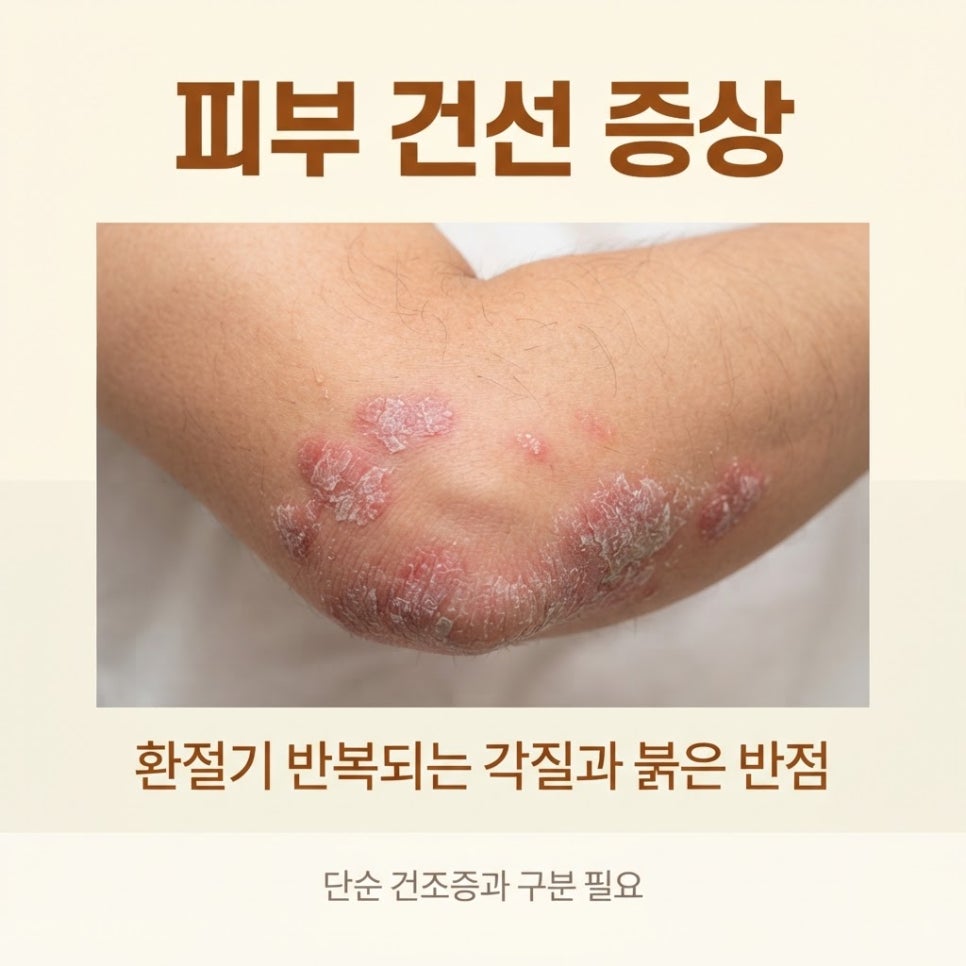
Skin psoriasis symptoms are characterized by red patches covered in silvery-white scales that recur on the elbows, knees, scalp, and other areas.
The causes involve a combination of factors, including genetic predisposition, immune system dysfunction, stress, and infection.
Treatment is approached in stages based on symptoms and severity, ranging from topical treatment to phototherapy, systemic treatment, and biologic agents.
Why Do Skin Psoriasis Symptoms Get Worse During Seasonal Changes?
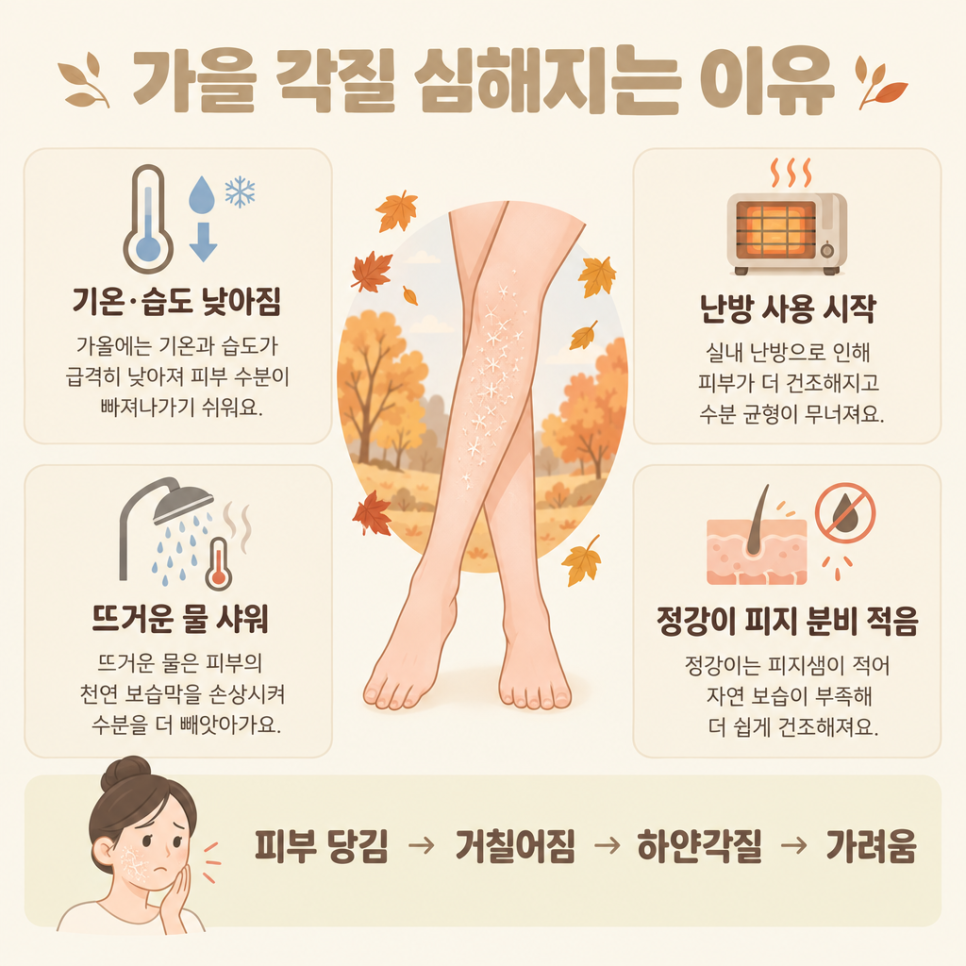
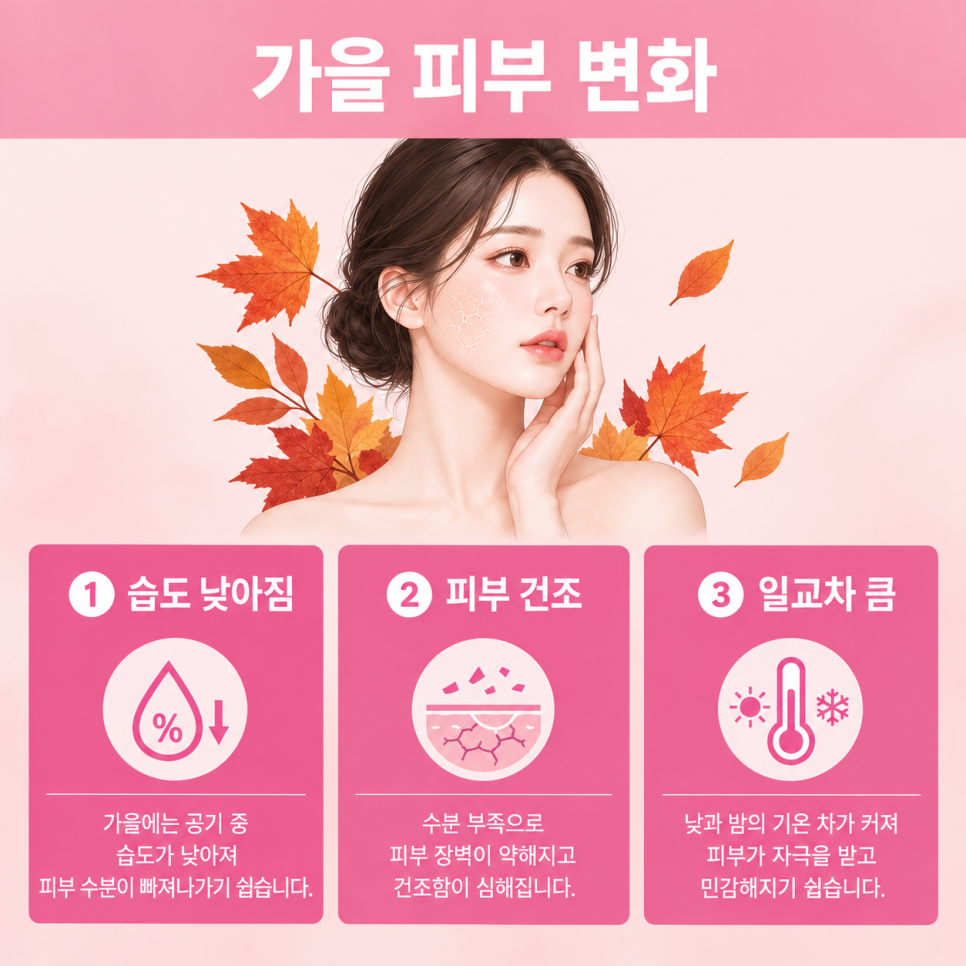
Psoriasis is a chronic inflammatory skin condition that tends to worsen during seasonal transitions, when temperatures drop and the air becomes dry.
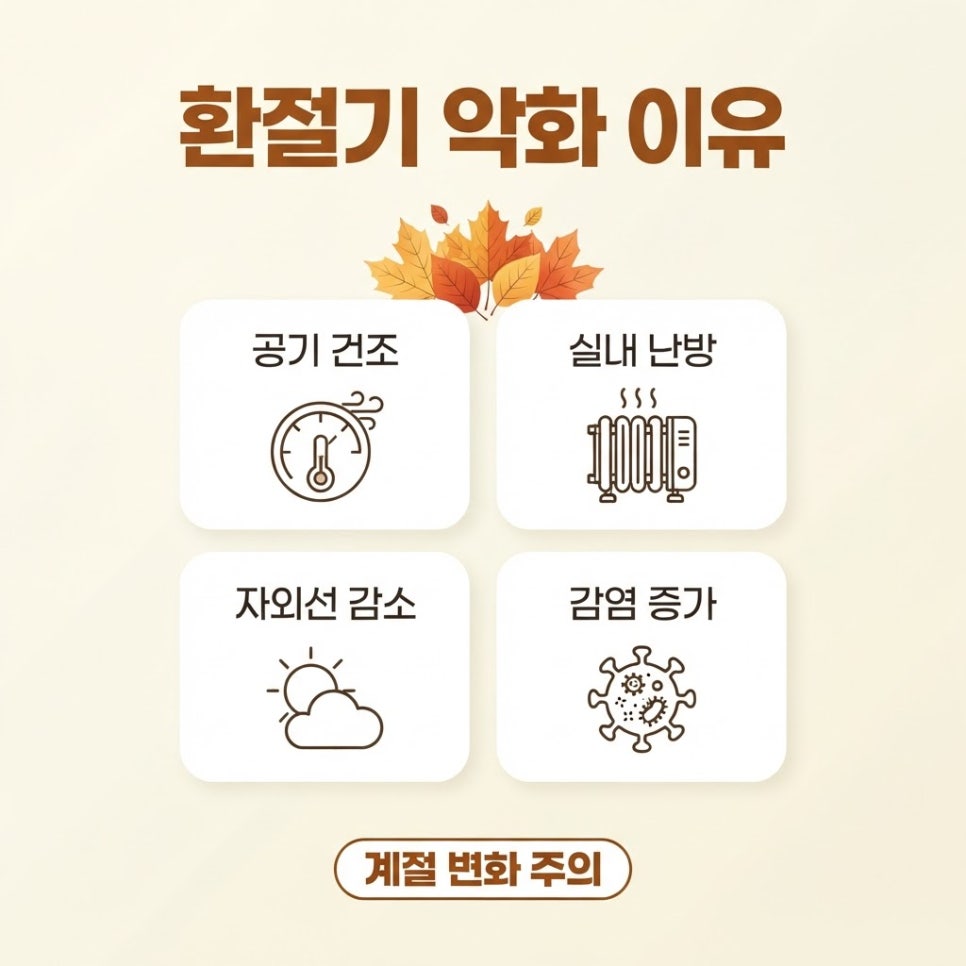
This is because falling temperatures increase moisture loss from the skin, weakening the skin barrier.
When dryness from indoor heating, reduced sunlight exposure, and infections like the common cold are added to the mix, symptoms tend to become more pronounced.
In fact, psoriasis is reported to worsen more in fall and winter than in spring and summer, with reduced UV exposure and shorter daylight hours cited as key contributing factors.
That said, not every patient worsens in the same way, and the specific triggers can vary from person to person.
Where and How Do Skin Psoriasis Symptoms Appear?
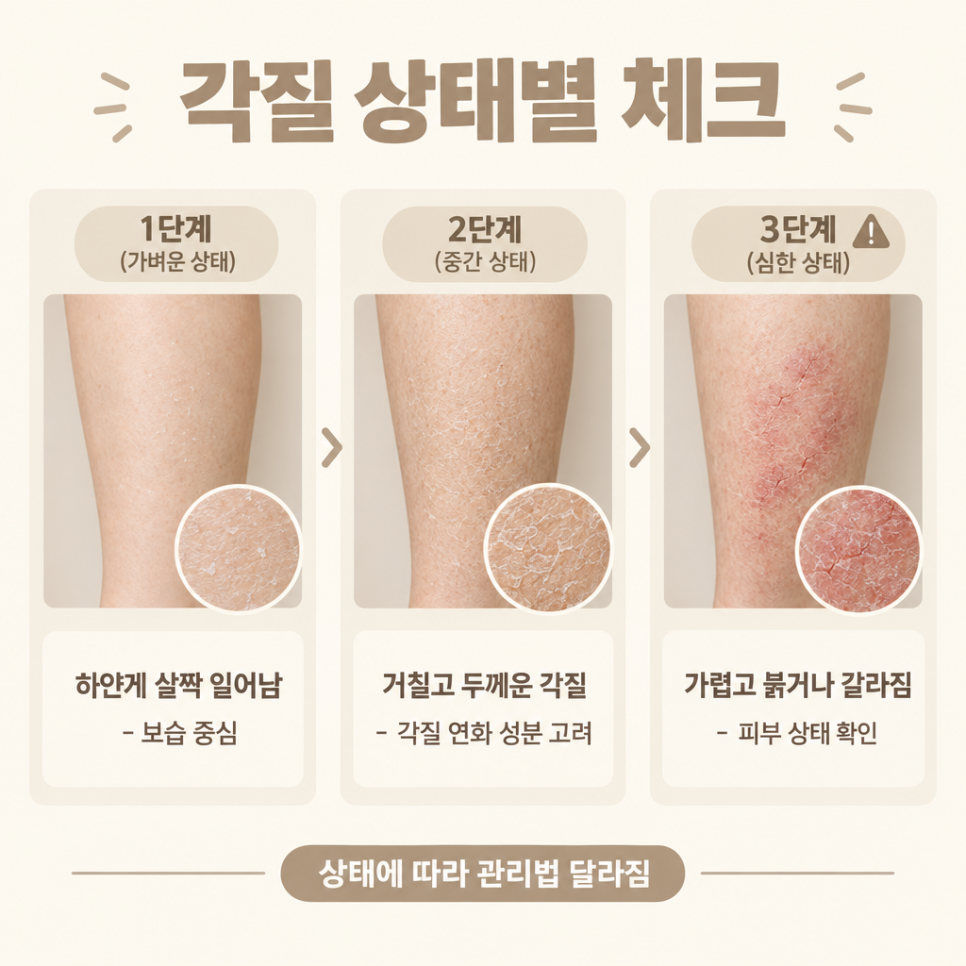
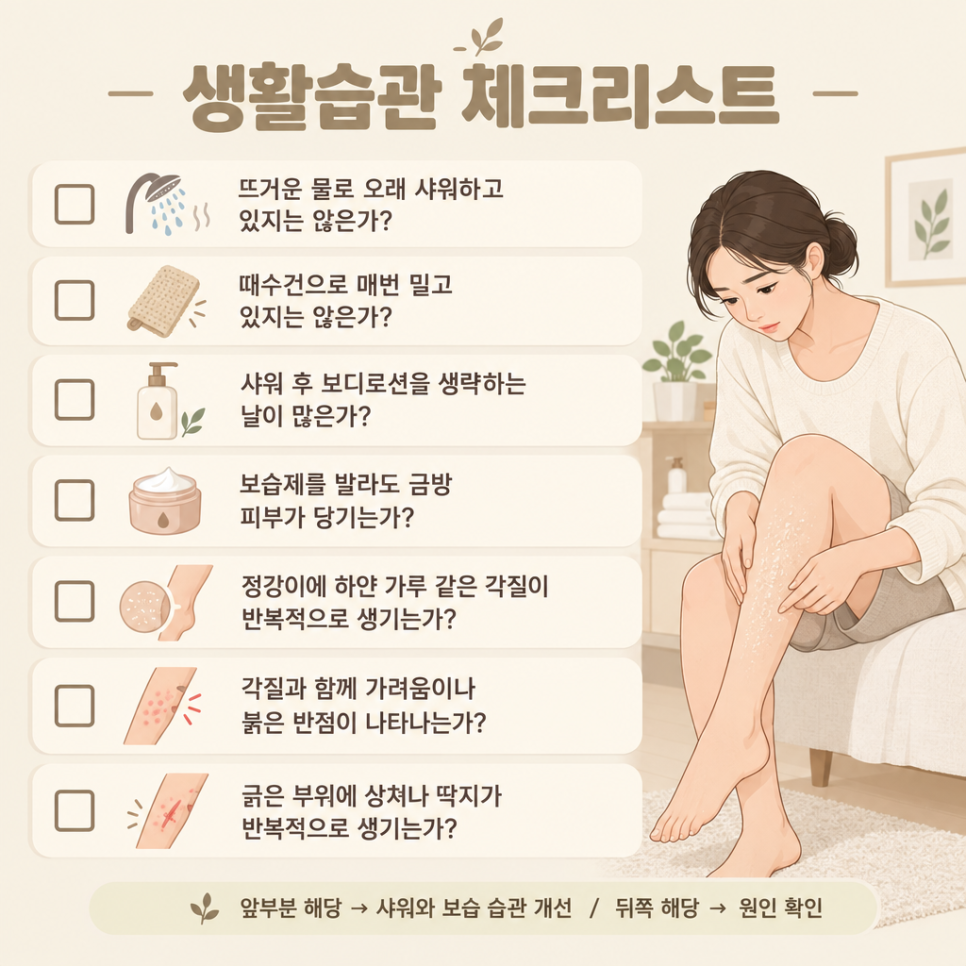
The hallmark of skin psoriasis symptoms is silvery-white scaling that builds up on top of sharply defined red lesions.
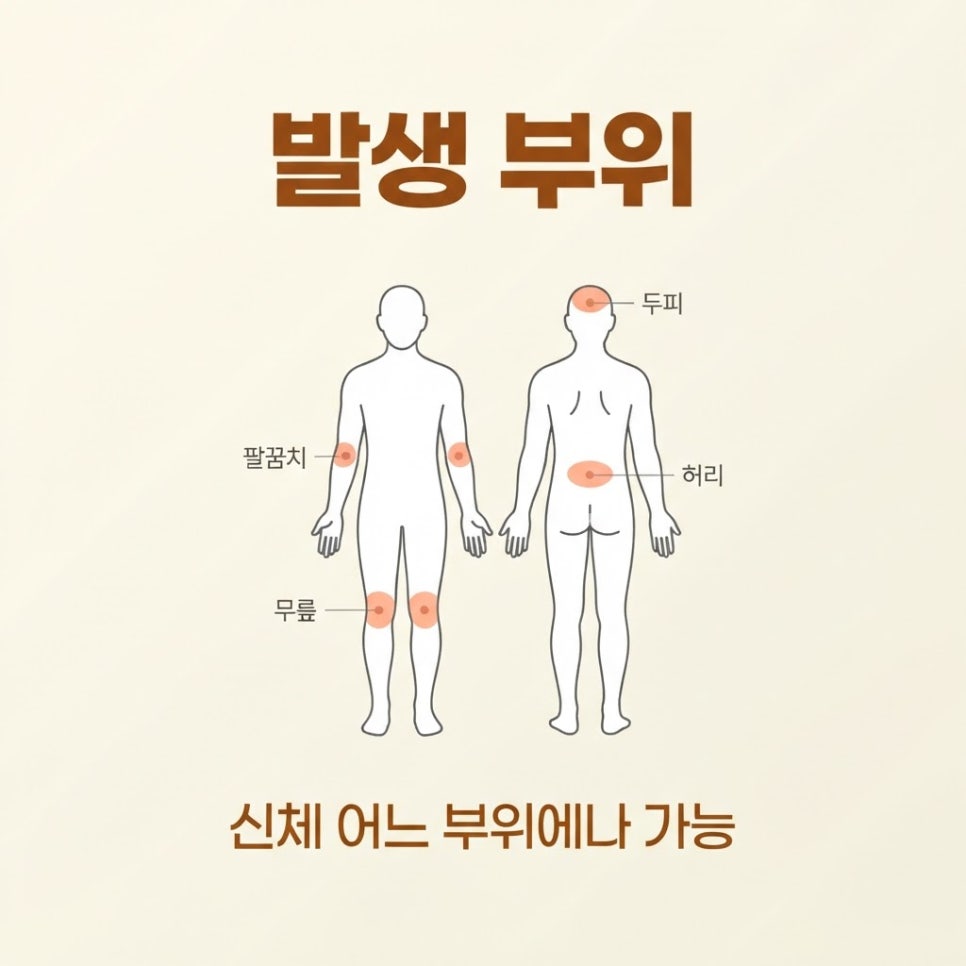
These typically appear around the elbows, knees, scalp, and lower back, but they can occur on any part of the body.
✅ White scales repeatedly build up on top of red patches
✅ Skin in certain areas becomes thick and rough
✅ Itching or stinging accompanies the patches
✅ Thick scales repeatedly form on the scalp
✅ Small pits or changes appear in the nails
Psoriasis doesn’t always stay confined to the skin — in some patients, it progresses to psoriatic arthritis, which involves joint pain and swelling.
According to Hanyang University Hospital, 9–17% of psoriasis patients in South Korea also have psoriatic arthritis, and the same source notes that joint symptoms often appear an average of 10 years after skin symptoms first develop.
However, the same source also notes that in about 15% of cases, joint symptoms appear first.
Similar patterns can also appear with eczema or seborrheic dermatitis, so appearance alone isn’t enough to make a diagnosis.

What Causes Skin Psoriasis?
There’s no single explanation for what causes psoriasis — an abnormal inflammatory response in the immune system is the central factor.
This response speeds up the growth and turnover of skin cells, resulting in scaling and inflammatory lesions.
Psoriasis is a chronic inflammatory skin disease in which sharply defined red papules or plaques covered in silvery-white scales repeatedly appear on the skin throughout the body.
This is how Seoul Asan Hospital’s medical encyclopedia describes psoriasis.
- Genetic predisposition — Having a family history can increase the likelihood of developing psoriasis, but it can also occur without one.
- Immune system dysfunction — An ongoing inflammatory response involving immune cells promotes excess skin cell growth.
- Stress and infection — Mental stress or infections such as a throat infection can trigger or worsen symptoms.
- Skin irritation and lifestyle factors — Injuries, repeated friction, dry environments, smoking, and excessive alcohol use can also play a role.
Psoriasis is not contagious.
It cannot be passed to others through skin contact or everyday activities.

How Does Psoriasis Treatment Vary by Symptom?
Psoriasis treatment methods are determined by considering the extent and thickness of the lesions, where they appear, and how much they affect daily life.
A mild, localized lesion naturally calls for a different approach than widespread, severe involvement.
| Treatment Method | Key Features |
|---|---|
| Topical treatment | Use of topical medications such as corticosteroids and vitamin D analogues |
| Phototherapy | Controls skin inflammation using medical-grade UV light |
| Systemic treatment | Oral medications or injectables considered for moderate-to-severe psoriasis |
| Biologic agents | Treatment that targets specific inflammatory pathways |

Because psoriasis can chronically recur, ongoing maintenance tailored to your condition remains important even after symptoms improve.
Areas with thinner skin, such as the face or skin folds, require more careful selection of medication.
Avoid applying strong ointments on your own for extended periods without medical guidance.
How Can You Manage Psoriasis During Seasonal Changes?
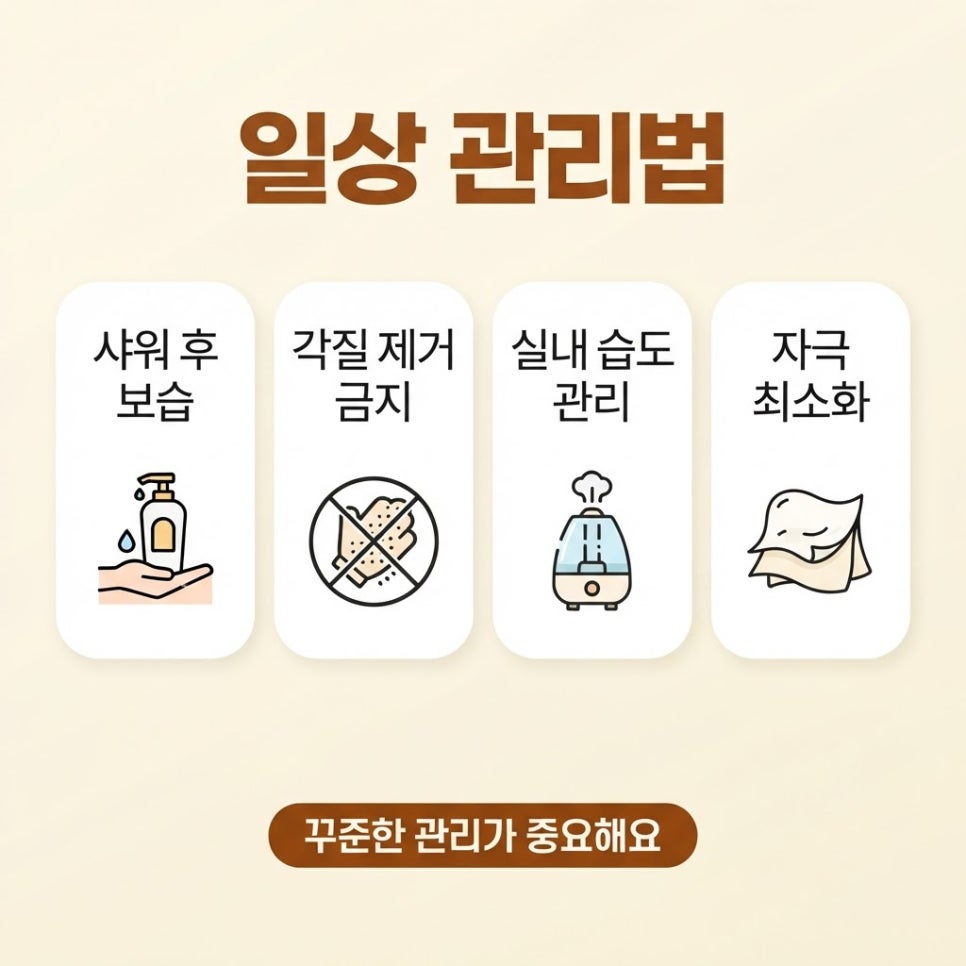
Alongside treatment, daily habits that reduce skin irritation also matter.
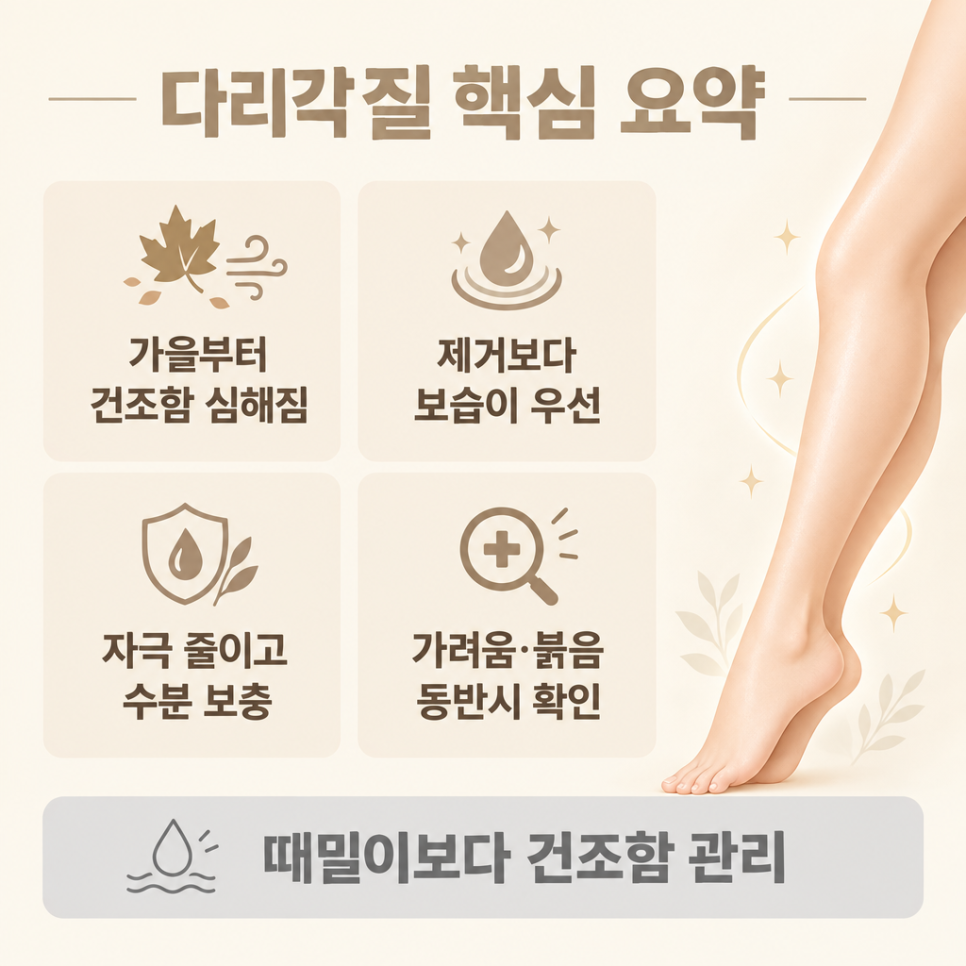
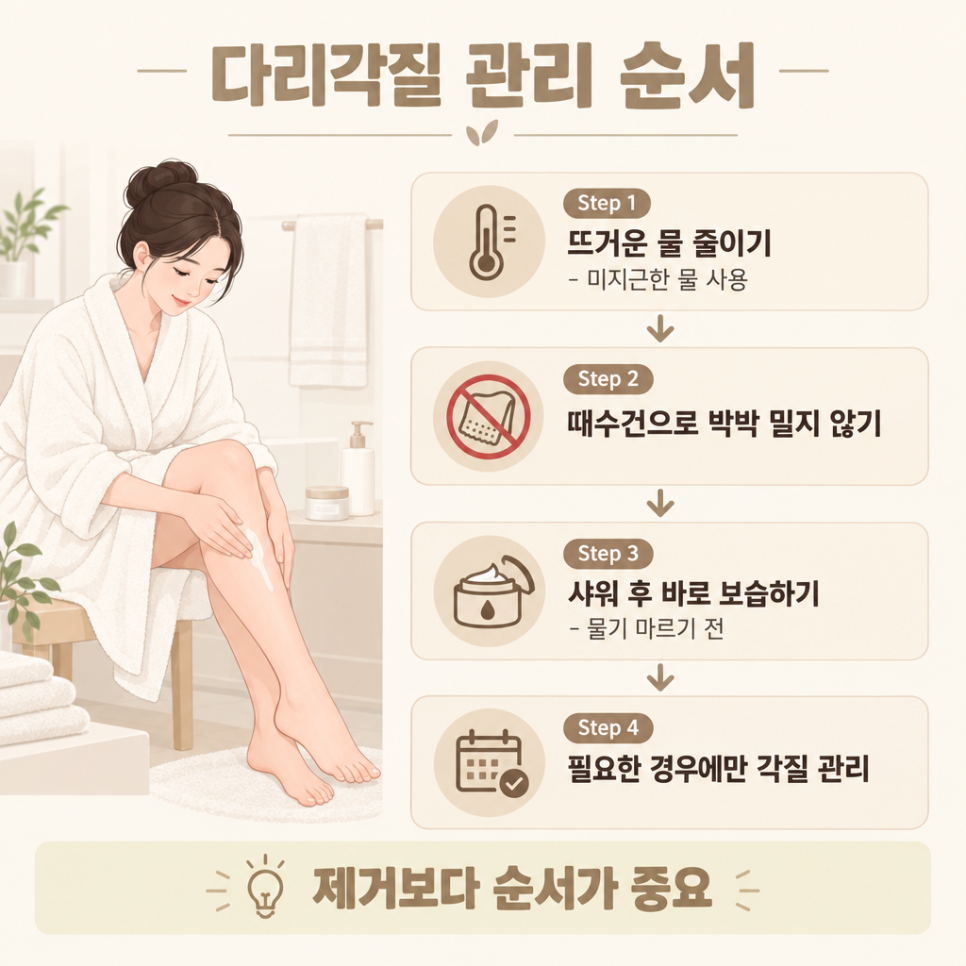
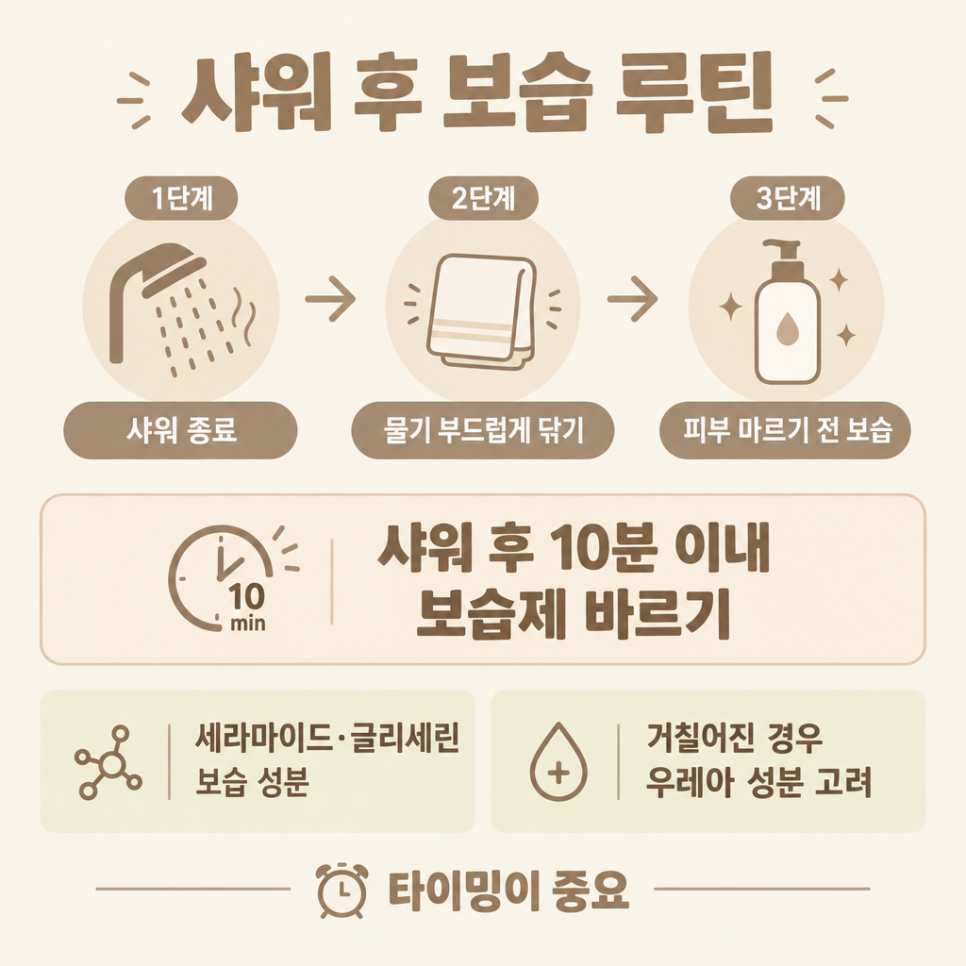
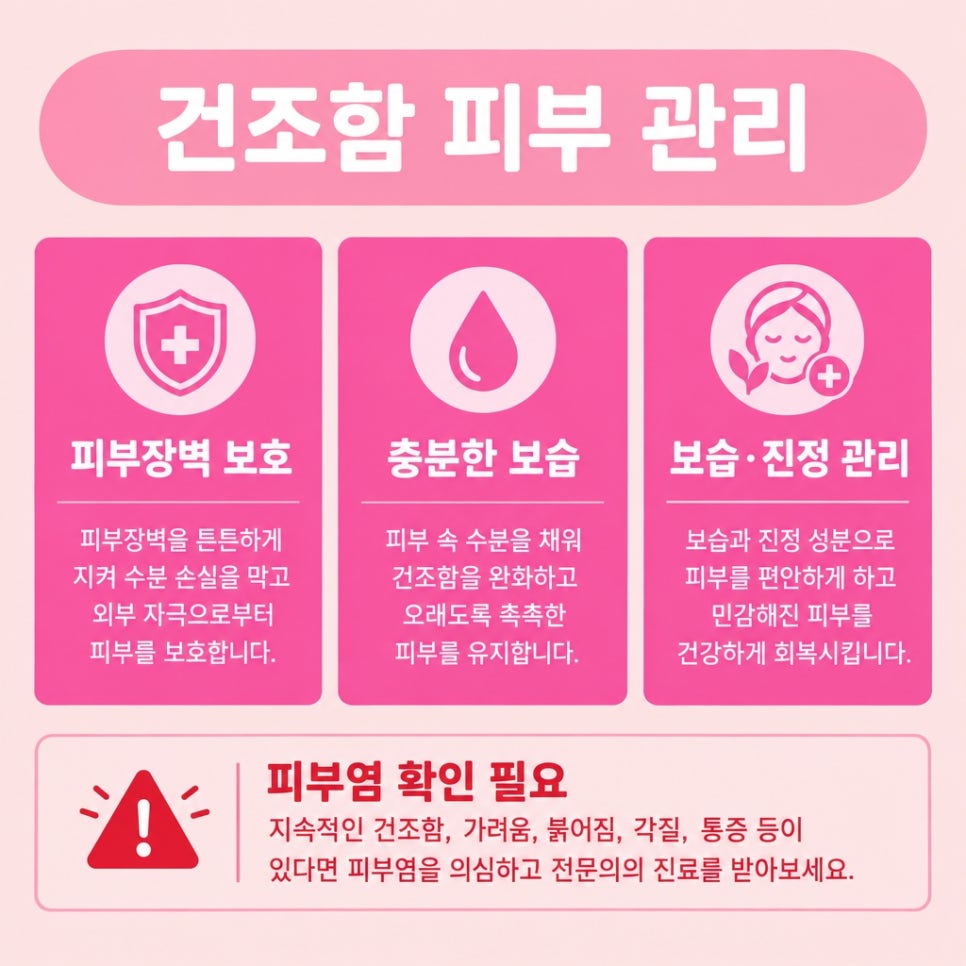
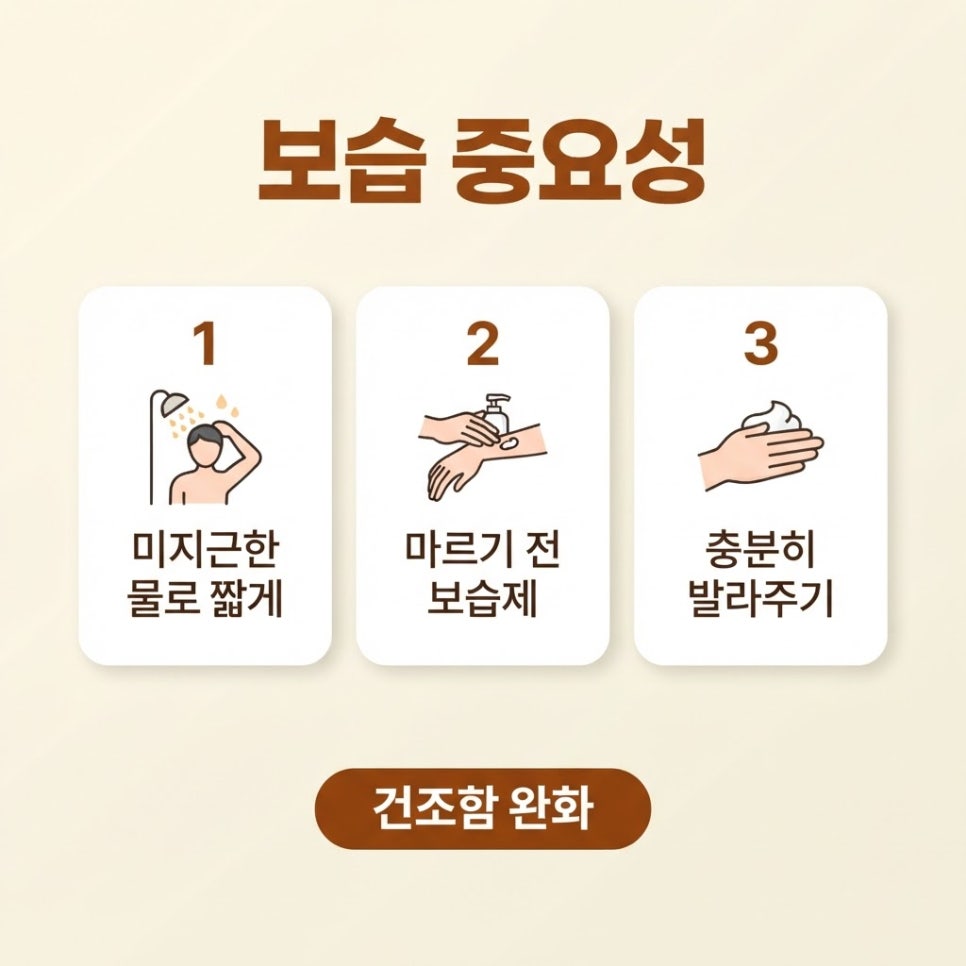
- Apply moisturizer generously — Keep showers short and lukewarm, and apply moisturizer before the skin fully dries, as this is generally recommended to help retain moisture.
- Don’t pick at scales — Scrubbing hard or peeling them off can trigger new lesions.
- Manage indoor humidity — Keep heating from drying out the air excessively.
- Track symptom changes — Logging flare-up timing alongside stress, infections, and lifestyle habits can help identify your personal triggers.
For general information on moisturizing and skin barrier care, you can also visit the Atelofill Collagen Skin Research Institute homepage.
It’s easy to dismiss recurring scaling and red patches during seasonal changes as simple dryness, but if symptoms persist in specific areas or thick scales keep building up, it’s worth checking whether psoriasis could be the cause.
If symptoms keep recurring, it’s advisable to have a dermatologist evaluate your condition.
Frequently Asked Questions
1. Can skin psoriasis be cured completely?
Psoriasis is a chronic condition that can cycle between flare-ups and improvement. Current treatments aim to control inflammation and symptoms in order to maintain a stable condition over the long term, rather than to cure it outright.
2. How is skin psoriasis different from simple dry skin?
Dry skin typically causes an overall rough, tight feeling across the skin, while psoriasis is characterized by sharply defined red lesions with thick scaling. An accurate distinction requires a clinical evaluation.
3. Can moisturizer alone improve psoriasis?
Moisturizing can help reduce dryness and discomfort, but it may not be enough to adequately control the underlying inflammation. If symptoms persist, appropriate medical treatment should be used alongside it.
4. Is psoriasis contagious?
No, it is not contagious. It isn’t transmitted through skin contact or daily activities — it develops from a combination of immune system, genetic, and environmental factors.
References
· Korea Disease Control and Prevention Agency, “Psoriasis,” National Health Information Portal, 2024. View source
· Seoul Asan Hospital, “Psoriasis,” Seoul Asan Hospital Disease Encyclopedia, 2024. View source
· Nongmin Shinmun, “1% of the Population Has ‘Psoriasis’… Severity Confirmed by ‘Blood Levels,’ Not Experience,” Nongmin Shinmun, 2024. View source
· Hanyang University Hospital, “What Is Psoriatic Arthritis?,” Hanyang University Hospital Health Resource Center, 2024. View source
This article is intended to provide general health information and is not a substitute for individual diagnosis or treatment. If you have symptoms, please consult a medical professional.